Bruges
location_on 20 attractions
calendar_month Spring to early autumn (April-June, September-early October)
schedule 2-3 days

Introduction

Horse hooves still ring on the stones in Bruges, Belgium, but the sharper sound is bicycle tires hissing past convent walls and canal water tapping the quay below Rozenhoedkaai. That contrast is the surprise here: Bruges looks preserved in amber, yet it lives like a small Flemish city with school runs, market mornings, neighborhood bars, and women still living inside the Beguinage founded in 1245. Come for the Belfry and the brick towers if you want. Stay for the streets that go quiet one canal away.

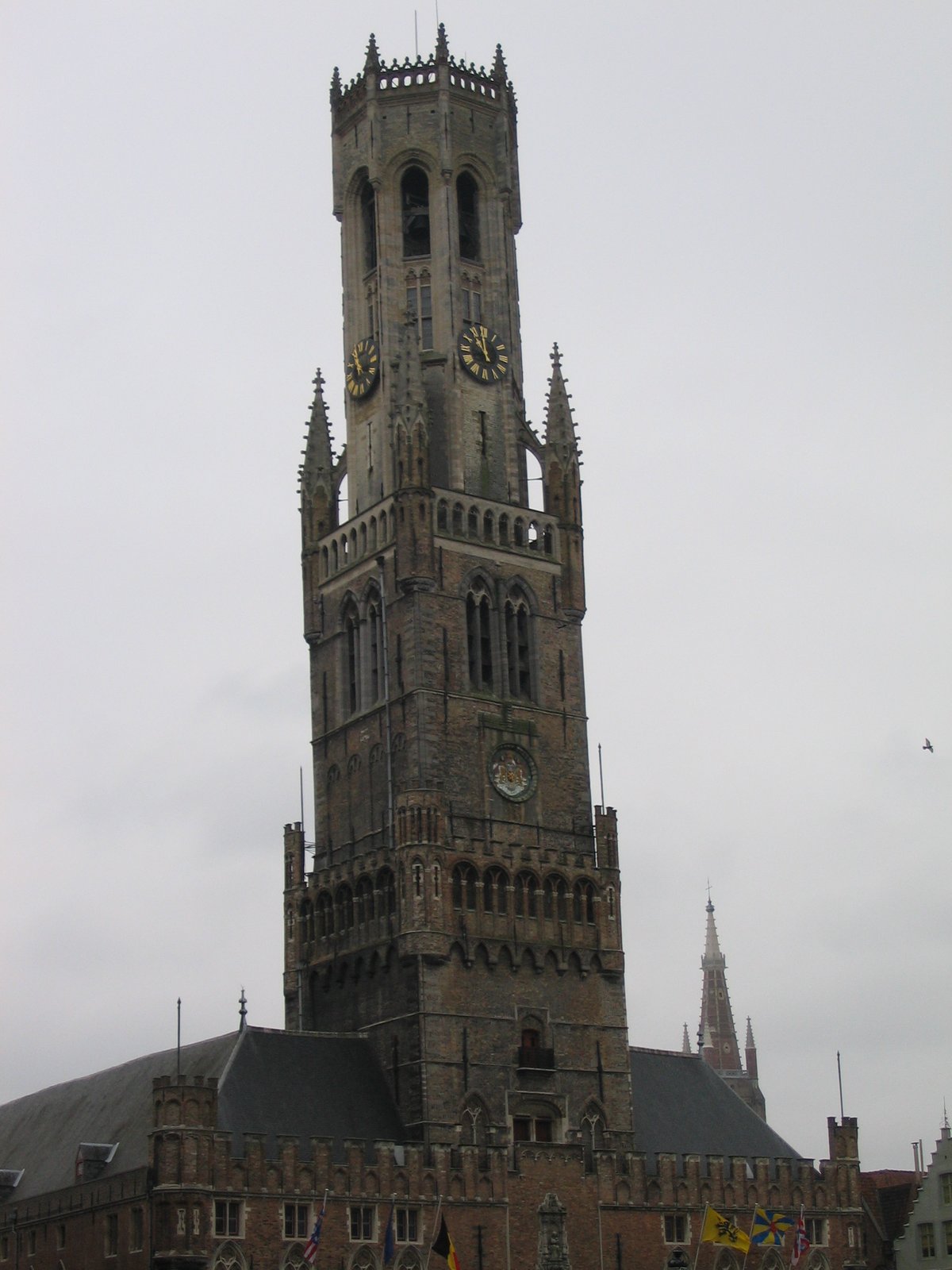
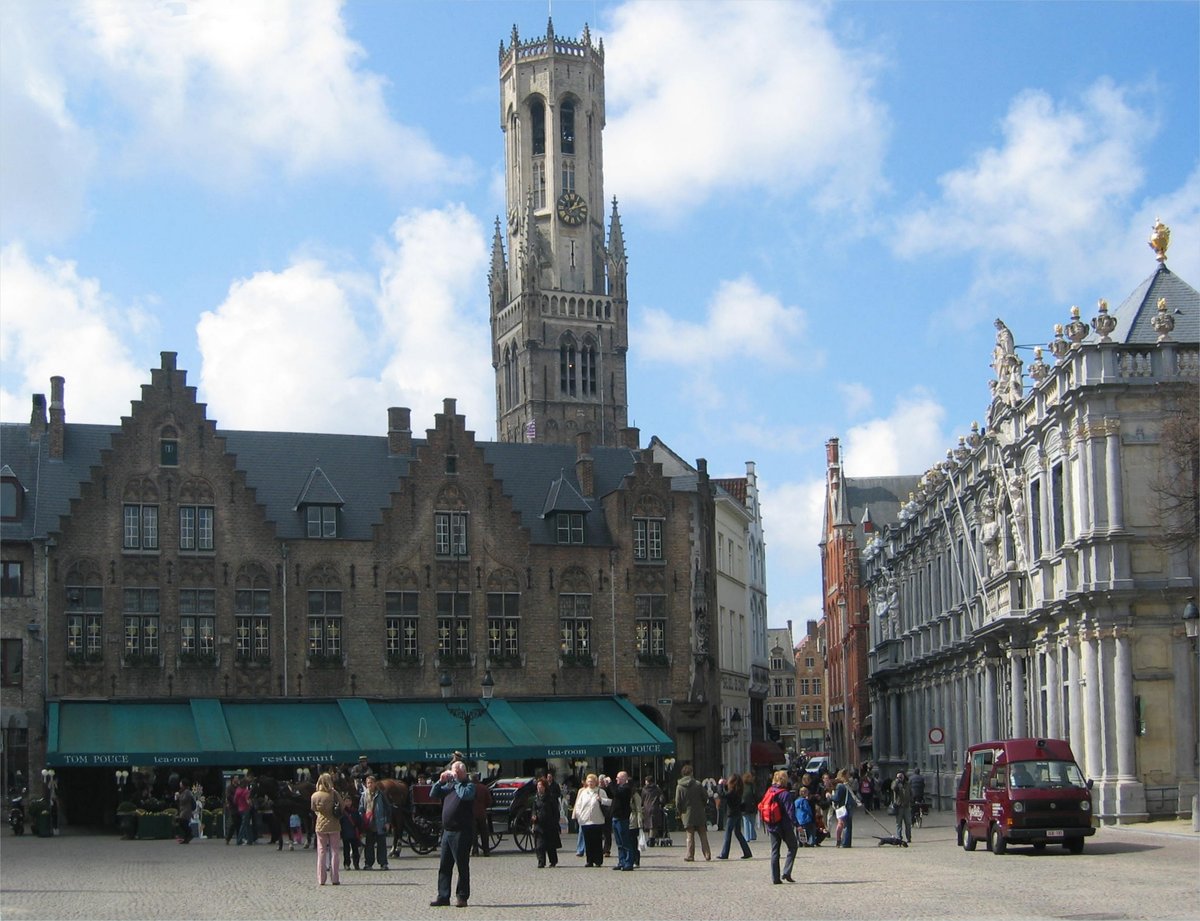
The center earns its reputation, even if some guides flatten it into a postcard. Markt is grand and theatrical under the 83-meter Belfry, Burg packs City Hall, the Brugse Vrije, and the Basilica of the Holy Blood into one dense civic knot, and the Church of Our Lady lifts the world's second-highest brick tower above a city built more from clay than stone. Then Bruges changes register. Cold church air, the smell of canal water, the hush of whitewashed almshouse courts: the city works by compression.

Art here never sits far from ordinary life. Hans Memling still glows inside St John's Hospital, Michelangelo's Madonna and Child waits in the Church of Our Lady, and on May 8, 2026, BRUSK opens with Refik Anadol and a major Bruges history exhibition, which tells you something important about the place: Bruges is not content to remain a museum of itself. It keeps adding rooms.

The real measure of Bruges is how quickly the crowd thins. Walk east into Sint-Anna, north toward the mills on the Kruisvest, or south through Minnewaterpark at dusk and the city stops performing medieval charm and starts showing its bones: charity courtyards still in use, canals where locals actually live, brown cafés that fill after dark, and streets where the nicest façade may be a weathered wooden one half-hidden in Genthof. That's when Bruges makes sense.

Places to Visit

The Most Interesting Places in Bruges

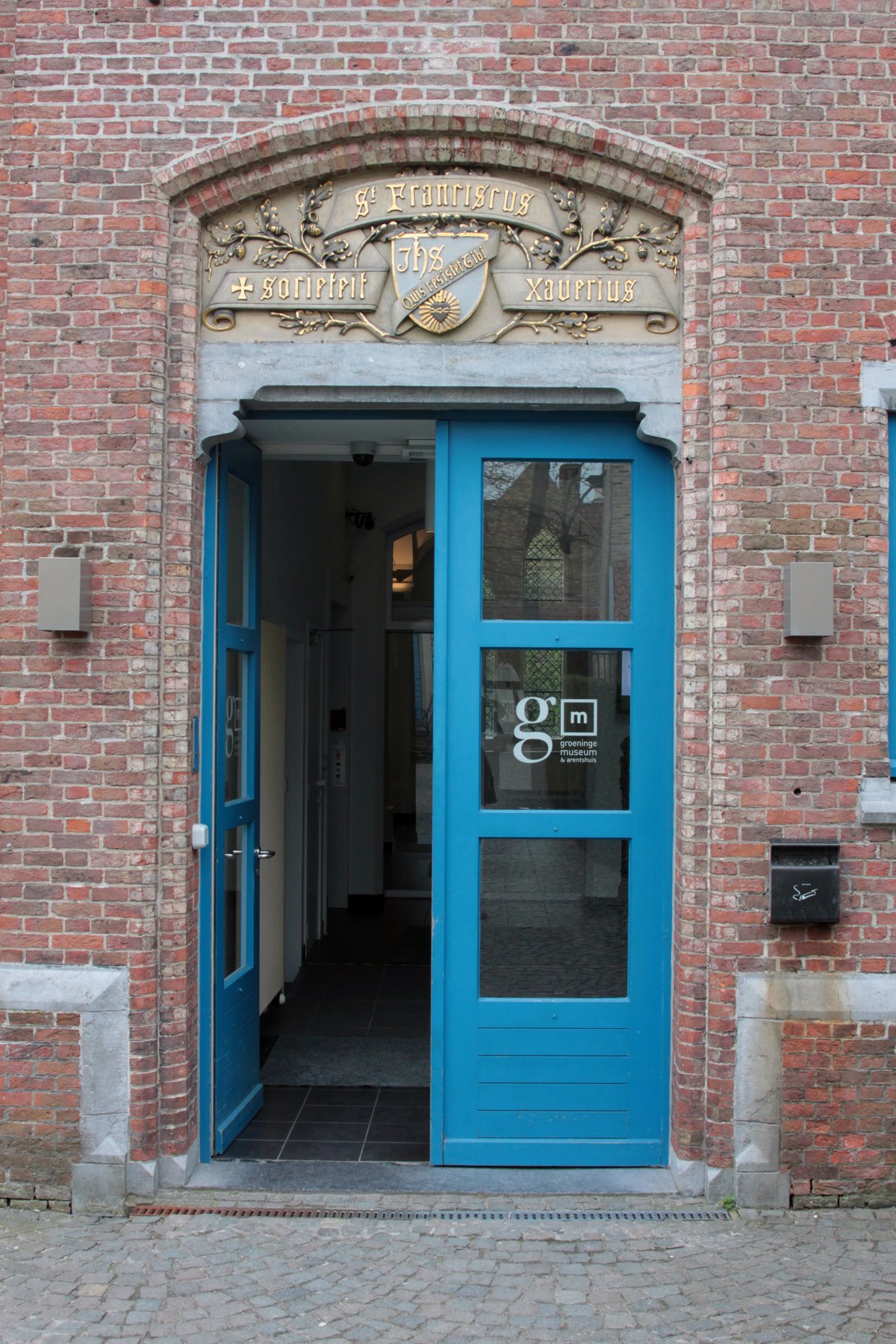
Groeningemuseum

Groeningemuseum

Nestled in the UNESCO-listed historic center of Bruges, Belgium, the Groeningemuseum stands as a cultural beacon for art lovers and history enthusiasts from…

Church of Our Lady

Church of Our Lady

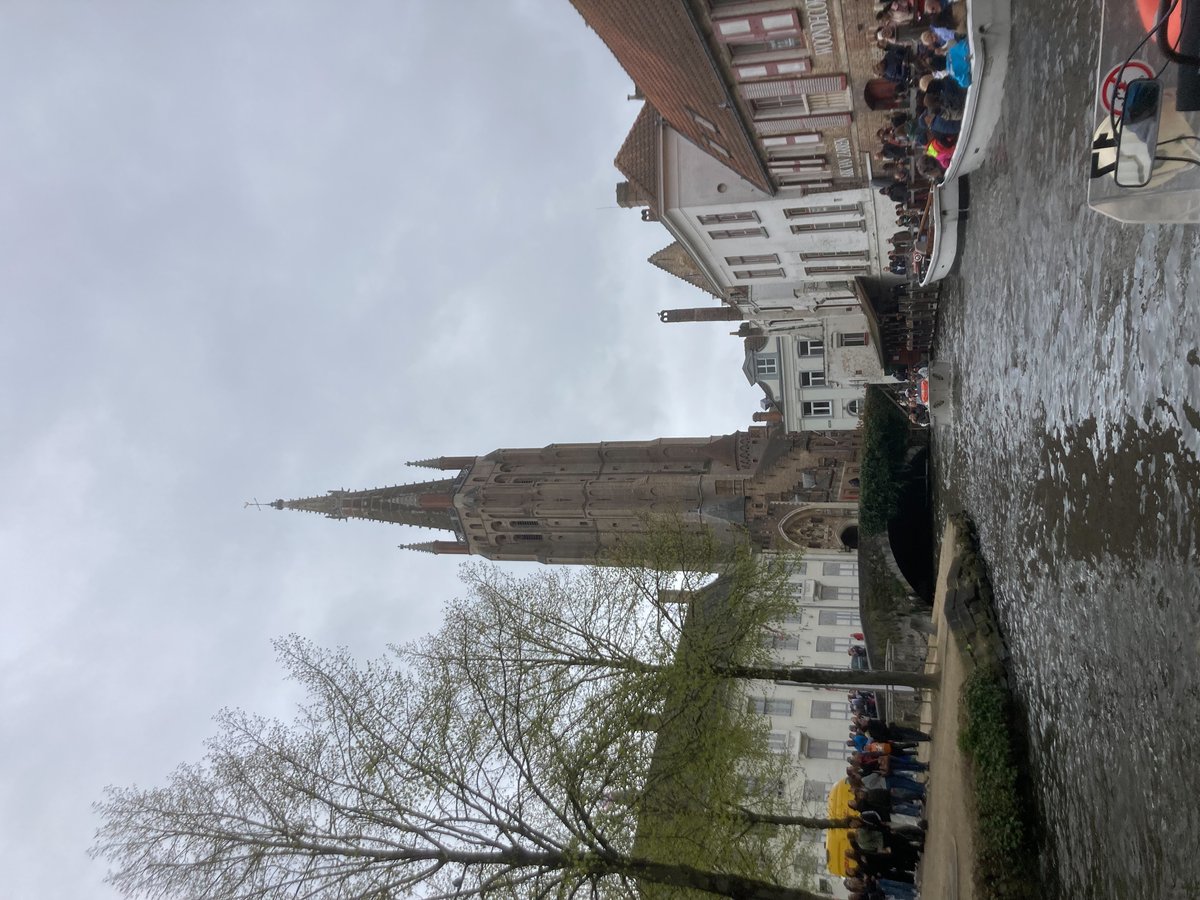
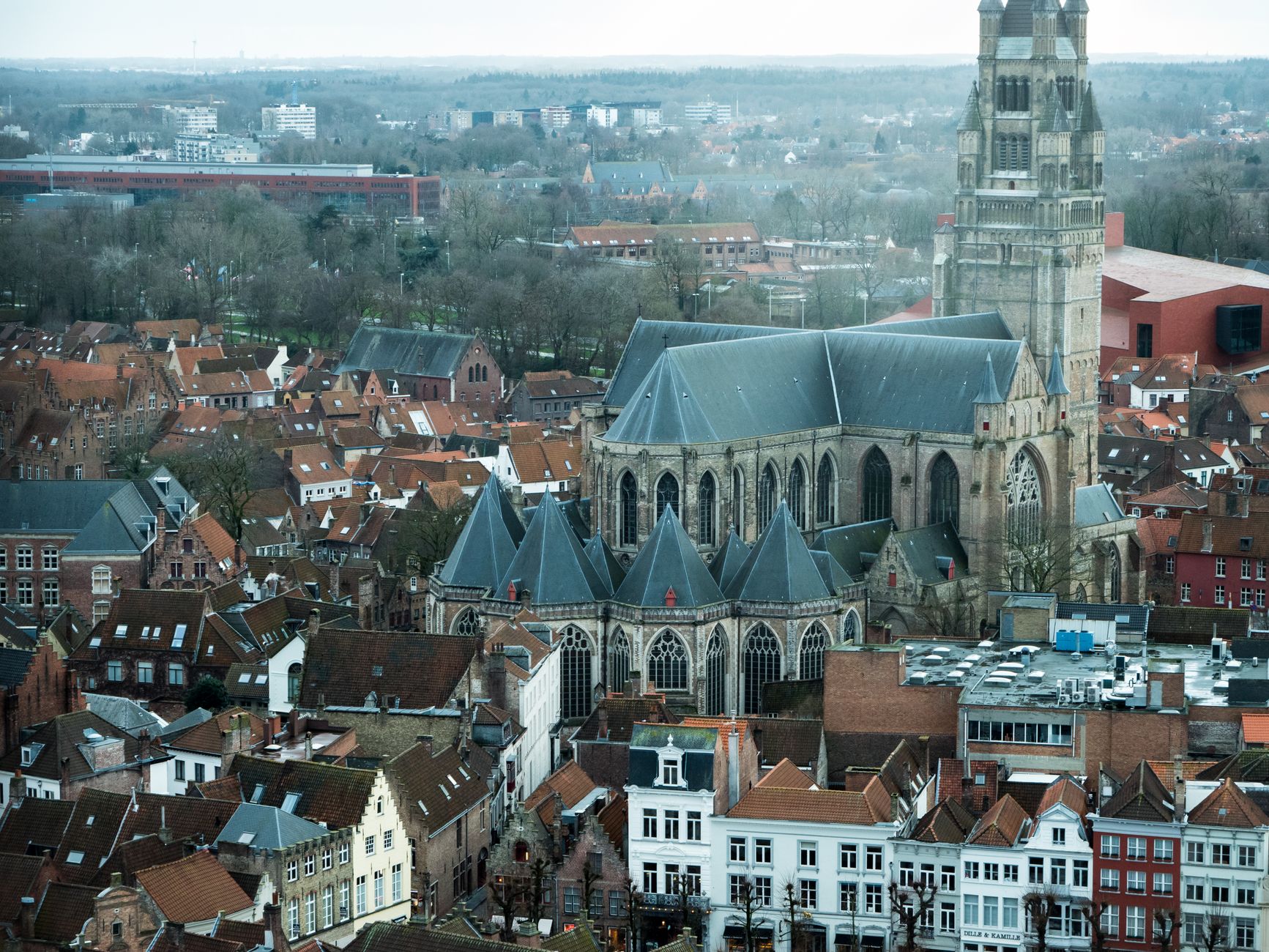
Nestled in the heart of Bruges, Belgium, the Church of Our Lady (Onze-Lieve-Vrouwekerk) stands as a majestic testament to medieval craftsmanship, spiritual…

St. Donatian'S Cathedral

St. Donatian'S Cathedral

Nestled in the heart of Bruges on historic Burg Square, the site of St.

Museum Van Het Heilig Bloed

Museum Van Het Heilig Bloed

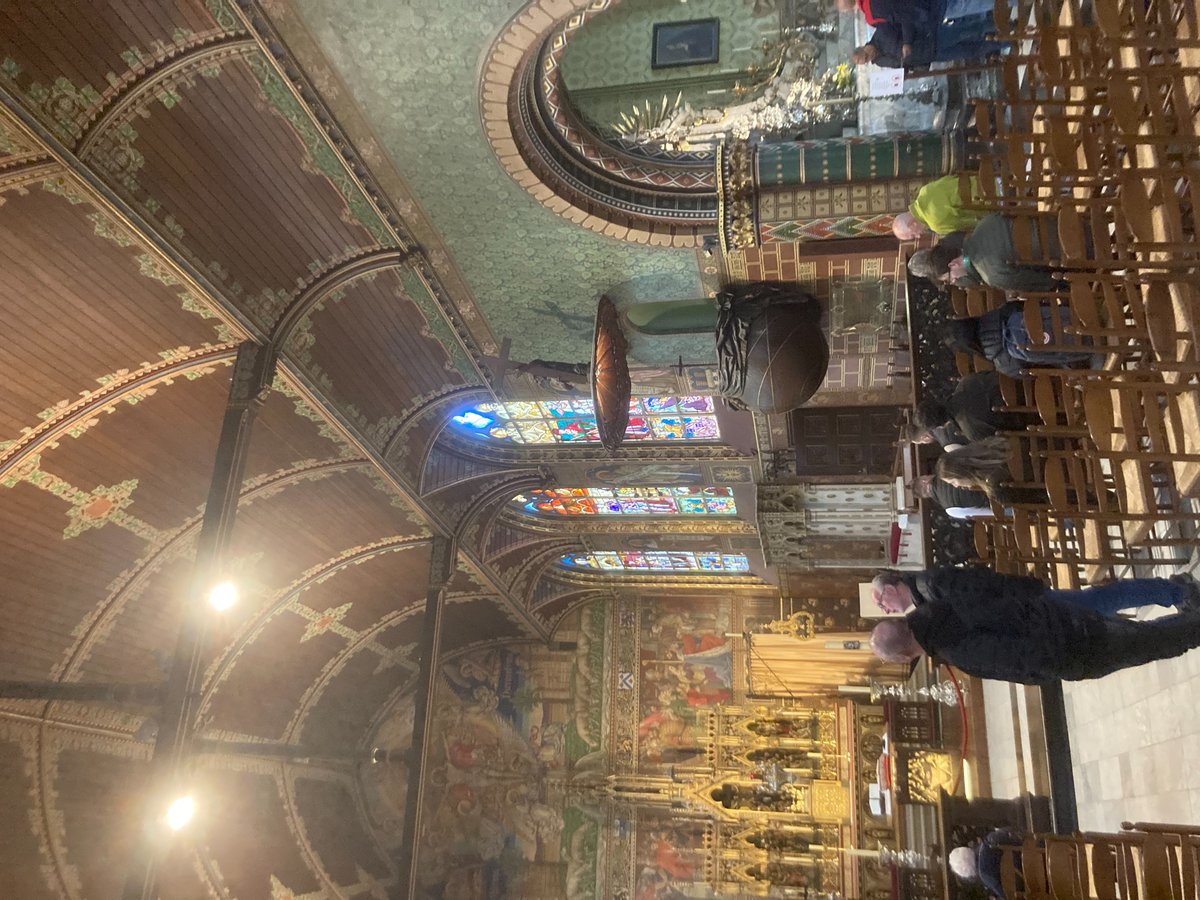
The Museum Van Het Heilig Bloed and its adjoining Basilica of the Holy Blood in Bruges, Belgium, stand as a remarkable testament to medieval history,…

landscape

Gruuthusemuseum

Nestled in the heart of Bruges, Belgium, the Gruuthusemuseum stands as a remarkable testament to the city’s medieval heritage and cultural evolution.

Boudewijn Seapark

Boudewijn Seapark

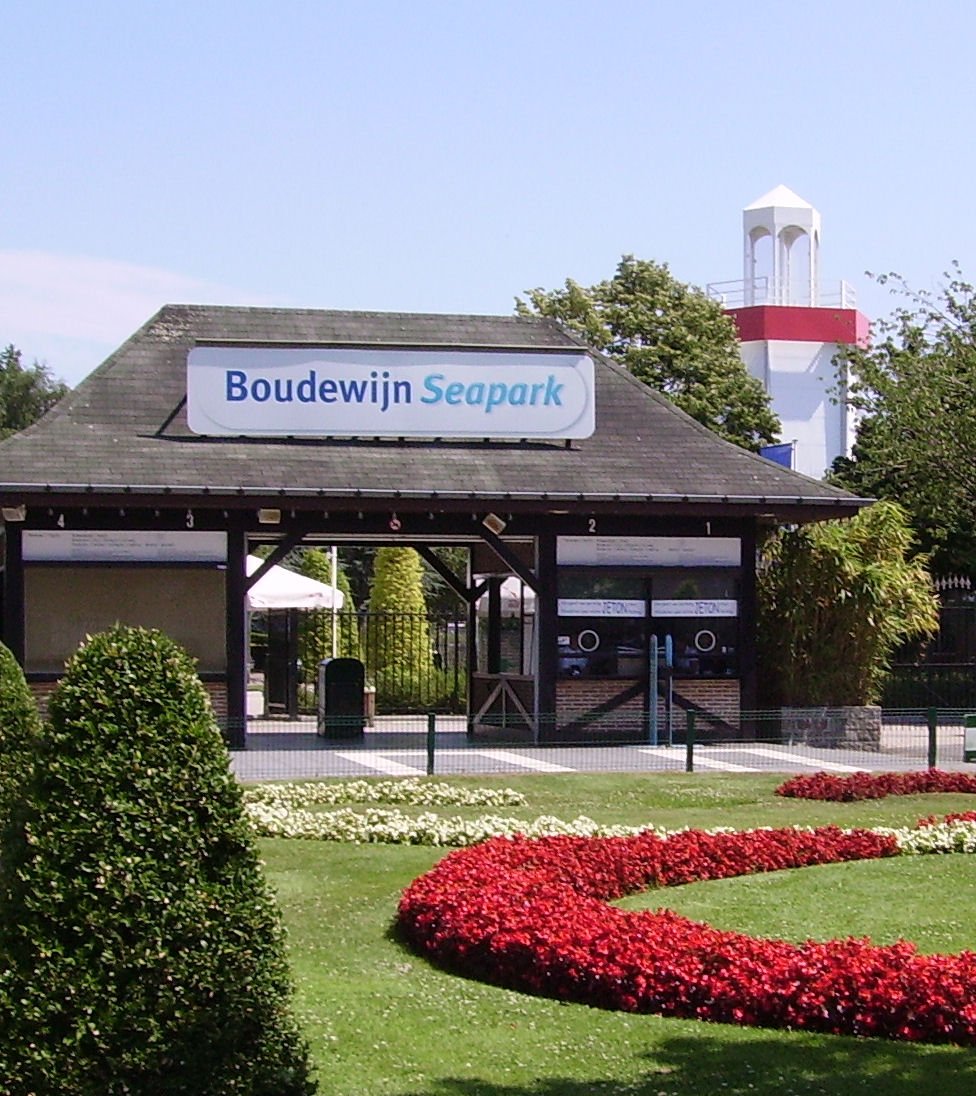
Boudewijn Seapark, situated in Sint-Michiels near the historic city of Bruges, Belgium, stands as a premier family-friendly destination that masterfully…

Frietmuseum

Frietmuseum

Belgium’s culinary landscape is famously enriched by its iconic Belgian fries, affectionately known as “frites,” which hold a special place in both national…

landscape

Graaf Visartpark

Nestled in the historic and vibrant city of Bruges, Belgium, Graaf Visartpark stands as a tranquil urban oasis that perfectly blends rich heritage, thoughtful…

Tillegem Castle

Tillegem Castle

Tillegem Castle, situated just a few kilometers south of the historic center of Bruges in West Flanders, Belgium, stands as a remarkable testament to Flemish…

Male Castle

Male Castle

Nestled just east of the enchanting city of Bruges, Male Castle (Kasteel van Male) stands as a remarkable testament to Flanders’ rich medieval and Renaissance…

St. James Church

St. James Church

St. James’s Church (Sint-Jakobskerk) in Bruges, Belgium, is an iconic monument that encapsulates centuries of religious, architectural, and cultural history.

Ezelpoort

Ezelpoort

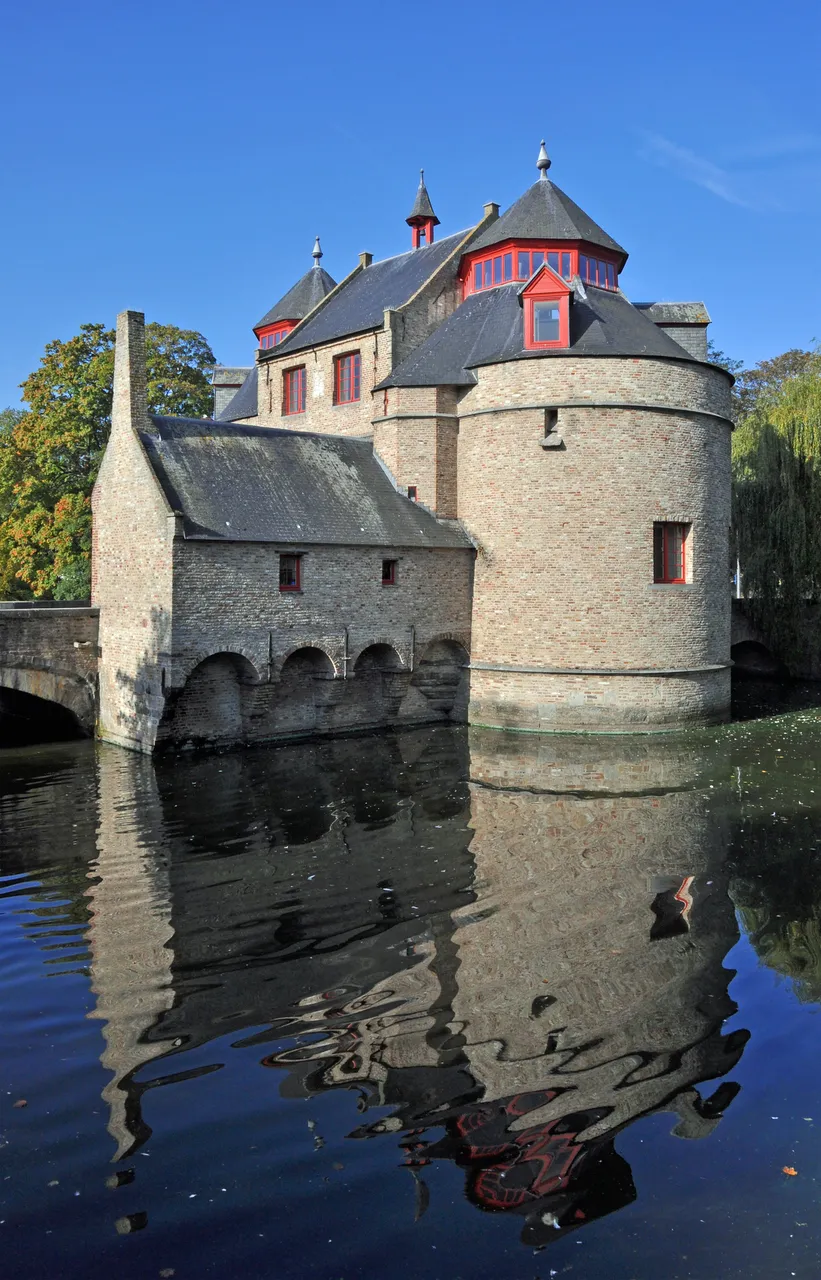
One of Bruges' four surviving medieval gates, Ezelpoort feels more like a brick fort in the water than a postcard monument, and that's its charm today.

What Makes This City Special

Brick Towers and Quiet Courts

Bruges looks delicate from the canals, then you step into places built for permanence: the 83-meter Belfry on the Markt, the Church of Our Lady with the world's second-highest brick church tower, and the Burg packed tight with City Hall, the Brugse Vrije, and the Basilica of the Holy Blood. A few streets away, the mood drops to a whisper in the 1245 Beguinage and the almshouse courtyards, where the city stops posing and starts breathing.

A City That Still Thinks

Bruges is not frozen under glass. Museum St John's Hospital ties Hans Memling to seven centuries of care, BRON opened in November 2025 as a research center in the Museum Quarter, and BRUSK opens on May 8, 2026 with exhibitions by Refik Anadol and a major Bruges 900-1550 show.

Canals, Mills, and the Edge of Town

The postcard view at Rozenhoedkaai earns its reputation, but Bruges gets better when you drift outward to Augustijnenrei, Gouden-Handrei, and the windmills on the Kruisvest ramparts. Four mills still stand on the old defenses, and Sint-Janshuismolen still grinds grain, which tells you this was once a working city before it became a beautiful one.

More Than Medieval Theatre

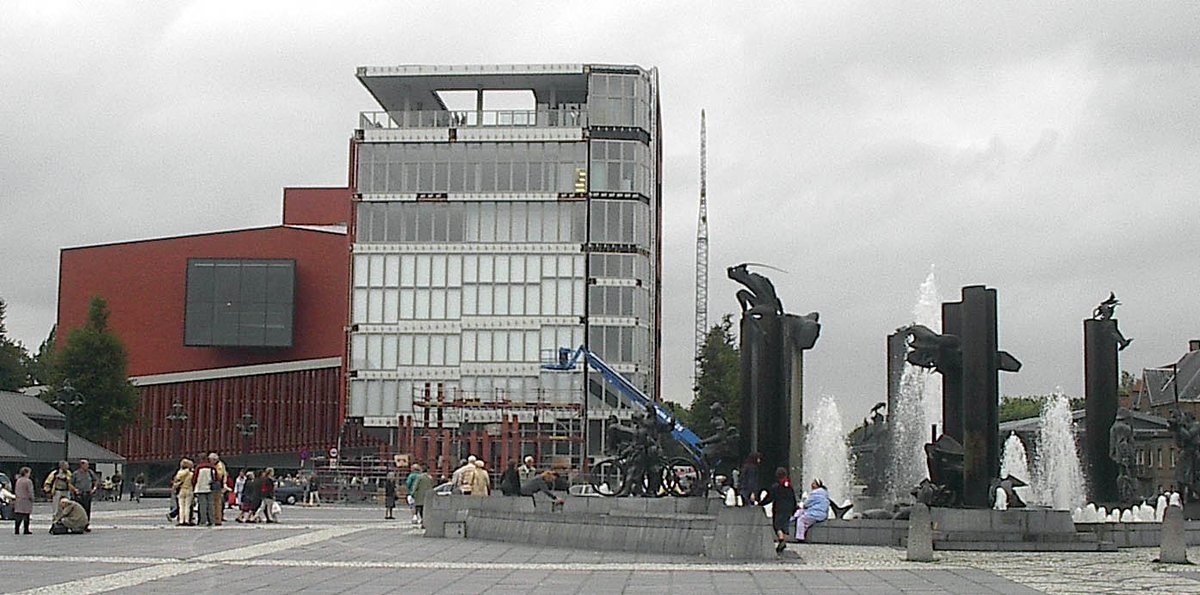
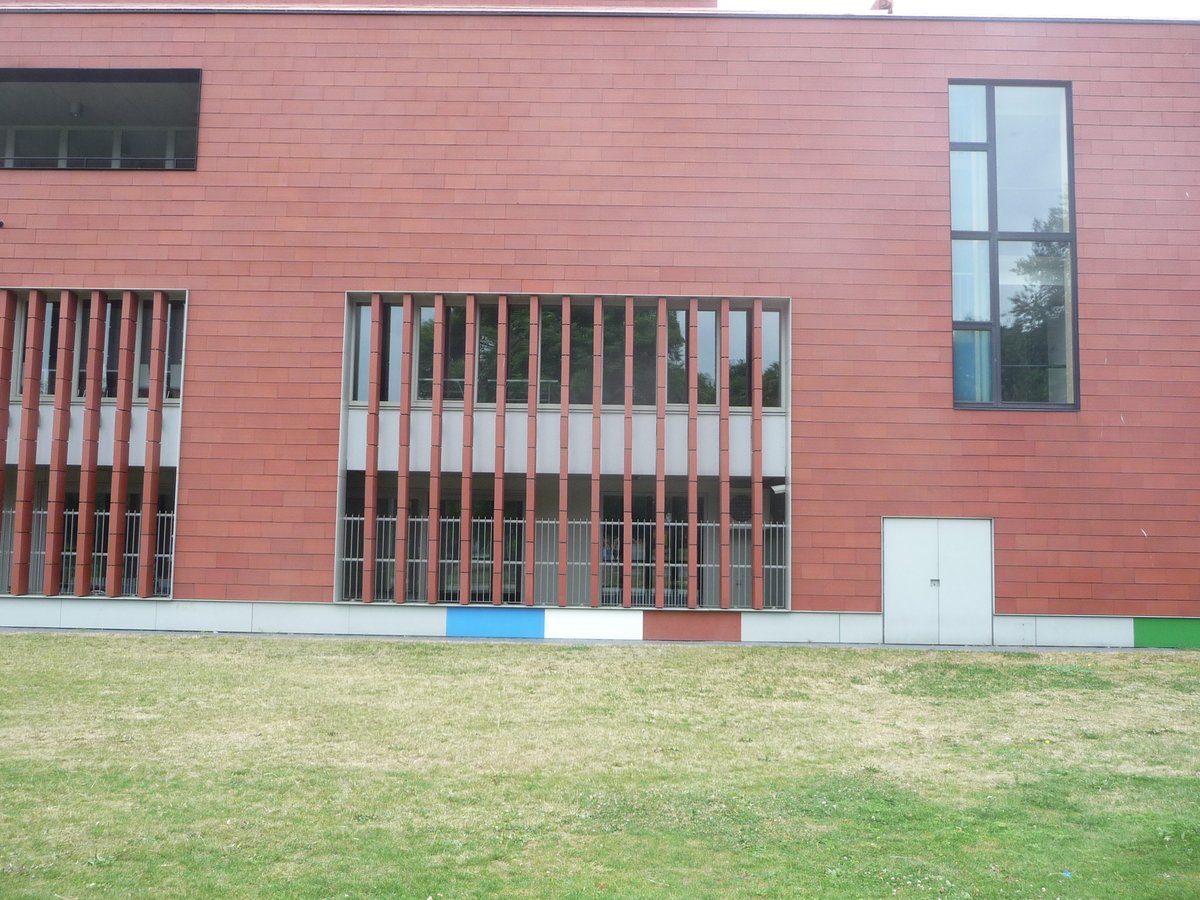
Bruges keeps slipping in details that many guides miss: rare wooden facades in Genthof and Kortewinkel, the intimate Adornes Estate and Jerusalem Chapel, and the rust-red mass of Concertgebouw Brugge rising inside the historic core. That contrast matters. The city is better read as layered stone, water, and argument than as a perfect relic.

Historical Timeline

A Port That Became a Memory Machine

From a tidal settlement on the Reie to a UNESCO city of bells, books, and stubborn brick

public
3rd century

Boats in the Marsh

Archaeology points to a small settlement on a tidal channel north of today's center, tied to fishing, cattle, peat, and salt. Two seaworthy boats from the 3rd century tell the story better than any slogan: Bruges began with mud, trade, and water deep enough to matter.

gavel
851

Bruges Enters the Record

The city's first secure written mention comes in 851, when monks from Ghent fled Viking raids and took refuge here. That detail matters. Bruges appears in history first as a shelter on a dangerous coast, not as a postcard.

castle
9th century

Fortress on the Burg

A fort rose on the Burg in the early 9th century, placed where the Roman road met the Reie on a sand ridge safe from the wet ground around it. This was Frankish coastal defense against Viking attack, and it fixed the political heart of Bruges where the stones still feel dense and guarded.

gavel
1089

Capital of Flanders

Bruges became the capital of the County of Flanders in 1089. Power thickened the city fast: administrators, merchants, clerics, and ambitious builders all wanted a place near the count's table.

swords
1127

Charles the Good Falls

Count Charles the Good was murdered on 2 March 1127 in St Donatian's church on the Burg, a killing that ripped open a succession crisis. Bruges learned an old lesson early. Churches held prayer, but they also held politics sharp enough to draw blood.

gavel
1128

A City with Rights

Bruges received city rights in 1128, which turned a defended settlement into a self-conscious urban power. Walls, markets, and institutions gained legal weight, and the place began acting like a city that expected to last.

public
1134

The Zwin Opens

A storm surge reopened or enlarged the tidal inlet later called the Zwin, restoring Bruges's route to the North Sea. One weather event changed centuries. Salt water now carried wool, wine, spices, and bankers toward the city.

church
mid-12th century

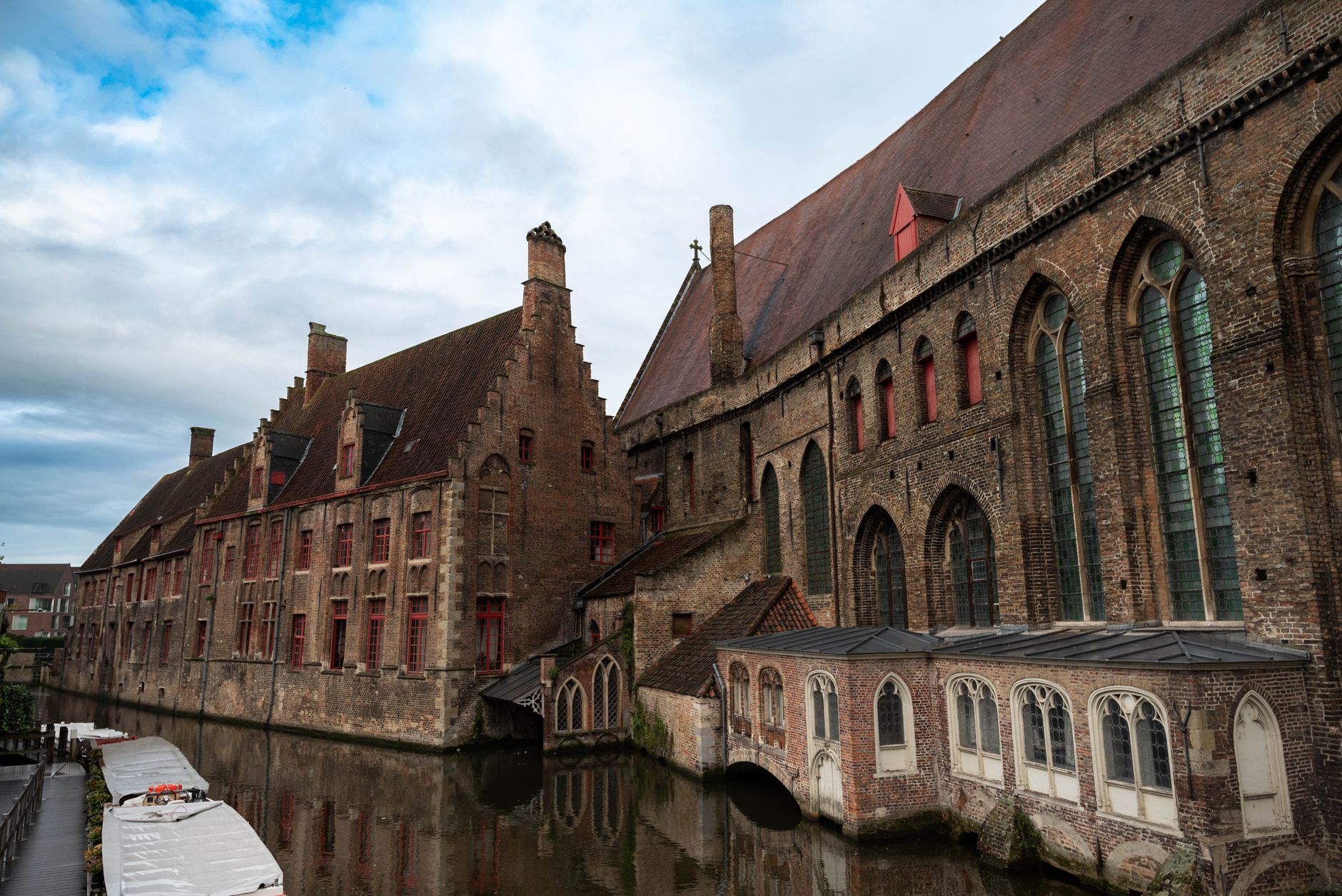
St John's Hospital Founded

St John's Hospital was founded in the mid-12th century and would grow into one of Europe's oldest preserved hospital complexes. Sick pilgrims arrived under soot-dark beams and candlelight, and Bruges built one of its most humane institutions before it built many of its monuments.

church
1245

The Beguinage Begins

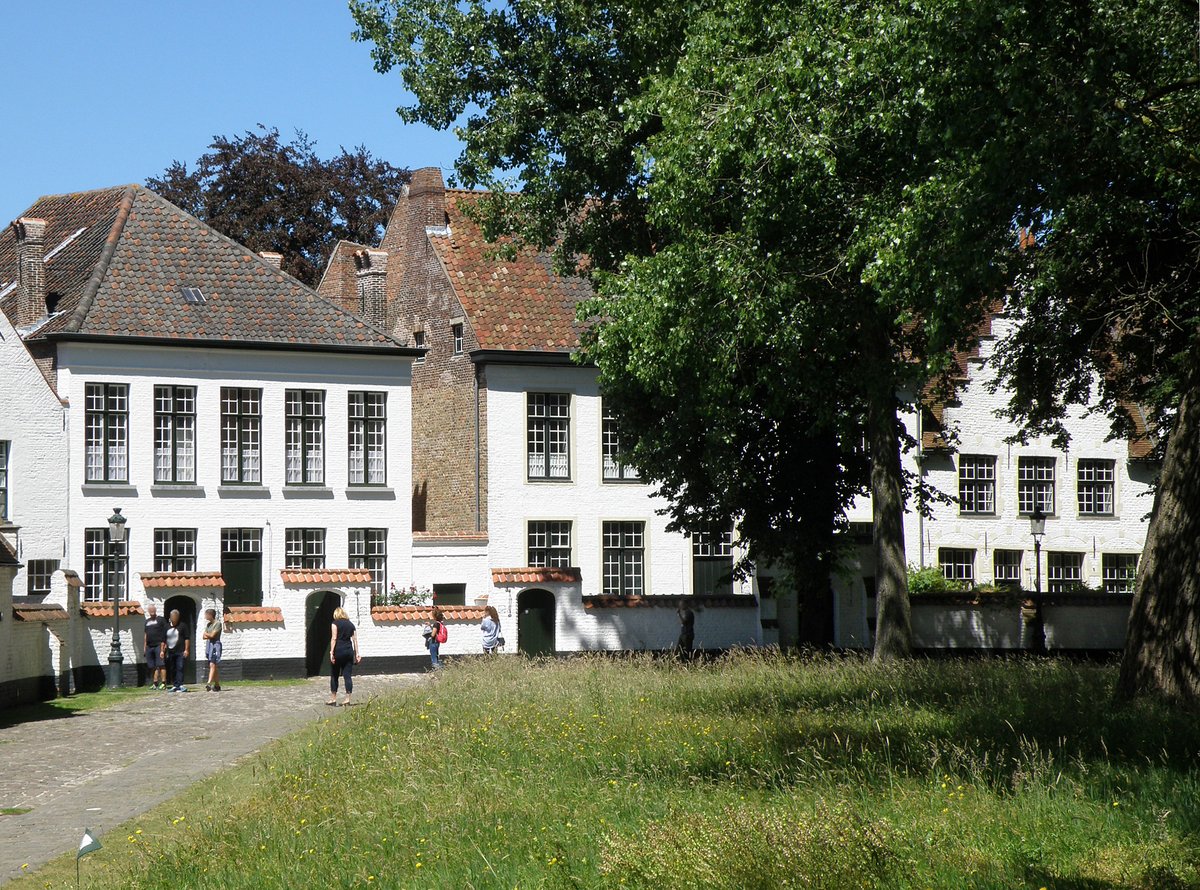
The Princely Beguinage Ten Wijngaerde was founded in 1245 for lay religious women who lived in community without taking permanent monastic vows. The place still carries that original intention in its silence: white facades, a church bell, gravel underfoot, and a rule that noise feels almost rude.

public
1277

Genoa Reaches Bruges

The first Genoese merchant fleet arrived in 1277, tying Bruges directly to Mediterranean commerce. From then on, this northern city was not provincial in any useful sense. It traded with the world it could reach by sail, ledger, and nerve.

local_fire_department
1280

Fire Hits the Belfry

A major fire damaged the Belfry and hall complex in 1280. Bruges rebuilt quickly, because cloth money and civic pride do not like an empty skyline. The tower that still commands the Markt carries smoke in its biography.

swords
1302

The Bruges Matins

On 18 May 1302, Bruges rebels killed members of the French garrison and their local allies in the uprising remembered as the Bruges Matins. The violence helped spark the campaign that led to the Battle of the Golden Spurs that July. Medieval politics here did not whisper.

gavel
c. 1350

A City at Full Tide

By around 1350, Bruges had grown into one of northwestern Europe's leading merchant cities, with a population later estimated at about 46,000 and rising toward its 15th-century peak. Money moved through inns, counting houses, quays, and market halls. You can still feel that density in the narrow streets around the Burg, built for carts and trade before they were built for admiration.

gavel
1384

Burgundy Takes Flanders

When Count Louis II died in 1384, Flanders passed into Burgundian hands, and Bruges entered its richest cultural century. Ducal court life, luxury crafts, finance, and ceremony all thickened the city's air. Gold leaf, fur, incense, wet wool, horse dung: that was the smell of power.

person
c. 1395

Jan van Eyck Arrives in History

Jan van Eyck was born before 1395, and Bruges became the city where his genius settled into daily practice. He lived here from 1431, worked for Philip the Good, and helped turn oil paint into something close to sorcery: fur that looks touchable, skin lit from within, metal reflecting a whole room.

person
1396

Philip the Good's Court

Philip the Good was born in 1396, and under his rule Bruges became one of the great court cities of 15th-century Europe. His presence drew painters, musicians, diplomats, and moneyed opportunists to the Prinsenhof and beyond. Cities rarely become golden by accident.

castle
1421

City Hall Completed

Bruges City Hall, begun in 1376, reached completion in 1421 and planted Gothic ambition right on the Burg. Its facade is a stone argument for civic confidence, all vertical lines and sculpted authority. The building says what Bruges thought of itself, and it did not think small.

person
c. 1430

Hans Memling's Bruges

Hans Memling, born around 1430, made Bruges one of the key workshops of Early Netherlandish painting after becoming a citizen in 1465. His works for St John's Hospital still carry an eerie calm: polished saints, jewel tones, and faces that seem to hear a sound you don't.

church
1482

Mary of Burgundy Dies

Mary of Burgundy died in 1482 after a riding accident, and her death threw the Burgundian inheritance into crisis. Her tomb in the Church of Our Lady, beside that of her father Charles the Bold, is more than dynastic theater. It marks the point where Bruges began losing control of the political story it had helped write.

swords
1488

Maximilian Held Prisoner

Bruges citizens imprisoned Maximilian of Austria for several months in 1488 during a revolt against Habsburg centralization. This was one of the city's last great acts of medieval defiance. Bold, and costly.

public
c. 1500

The Zwin Silted Shut

By around 1500, the sea route through the Zwin had become badly clogged by silt, and Bruges's commercial edge began to fail. Ports live by depth. Lose that, and the grand houses along the canals start keeping memories instead of cargo.

science
1548

Simon Stevin Born

Simon Stevin was born in Bruges in 1548, and his later work in mathematics, statics, and decimal fractions gave the city a rare claim on the scientific revolution. His statue on Simon Stevinplein feels fitting. Bruges produced painters of light, then a man who measured the world.

church
1559

A New Bishopric

The bishopric of Bruges was created in 1559, and by 1562 St Donatian's had become the cathedral. Religious power tightened its grip on the city just as the Low Countries were moving toward revolt. Bells rang above a political fault line.

gavel
1584

The Split Becomes Permanent

By 1584, as the Dutch Revolt hardened the divide between north and south, Bruges remained in the Spanish-ruled southern provinces. Trade patterns shifted, maritime power drained away, and Antwerp drew off the energy Bruges once commanded. Decline rarely arrives as one blow. It comes as doors closing one by one.

local_fire_department
1799

St Donatian's Demolished

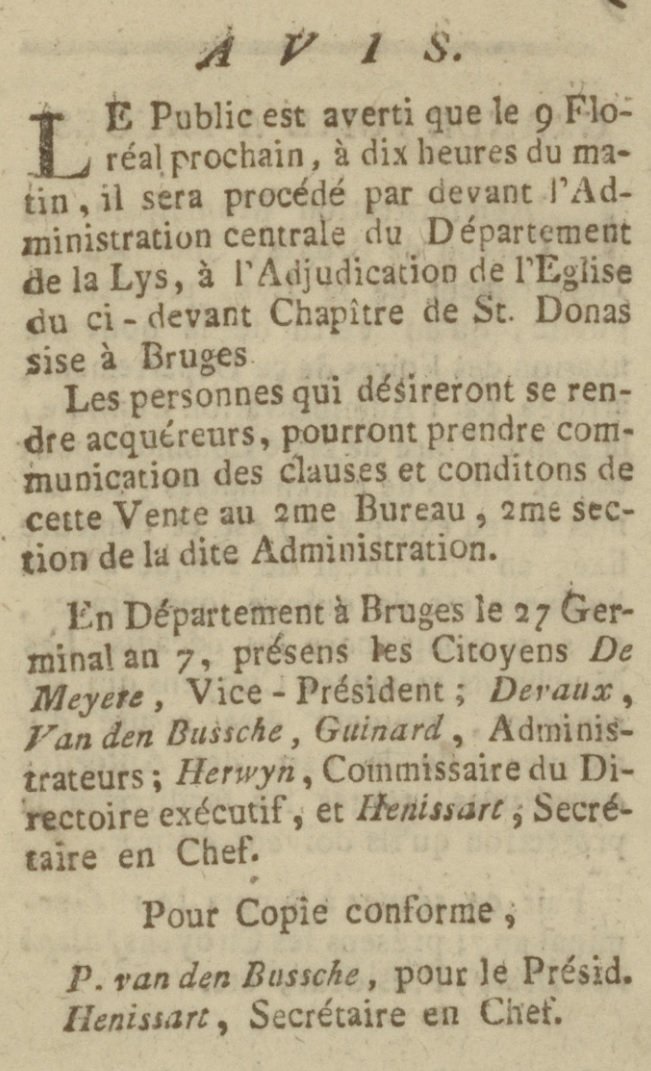
Under French rule, St Donatian's Cathedral was demolished in 1799, wiping out the church at the political core of old Bruges. The Burg still feels slightly uncanny for that reason. A center once anchored by a cathedral now carries an absence you can stand inside.

person
1830

Guido Gezelle's Birth

Guido Gezelle was born in Bruges in 1830, the same year Belgium broke from the United Kingdom of the Netherlands. His poetry later gave Flemish language and feeling a new charge, and his Bruges roots were intimate rather than ceremonial: gardens, parish life, schoolrooms, the old streets around the Sint-Anna quarter.

palette
1892

Bruges-la-Morte Fixes the Myth

Georges Rodenbach published "Bruges-la-Morte" in 1892 and turned the city into a symbol of memory, mourning, and suspended time. He did not invent the silence. He taught Europe how to read it.

factory
1907

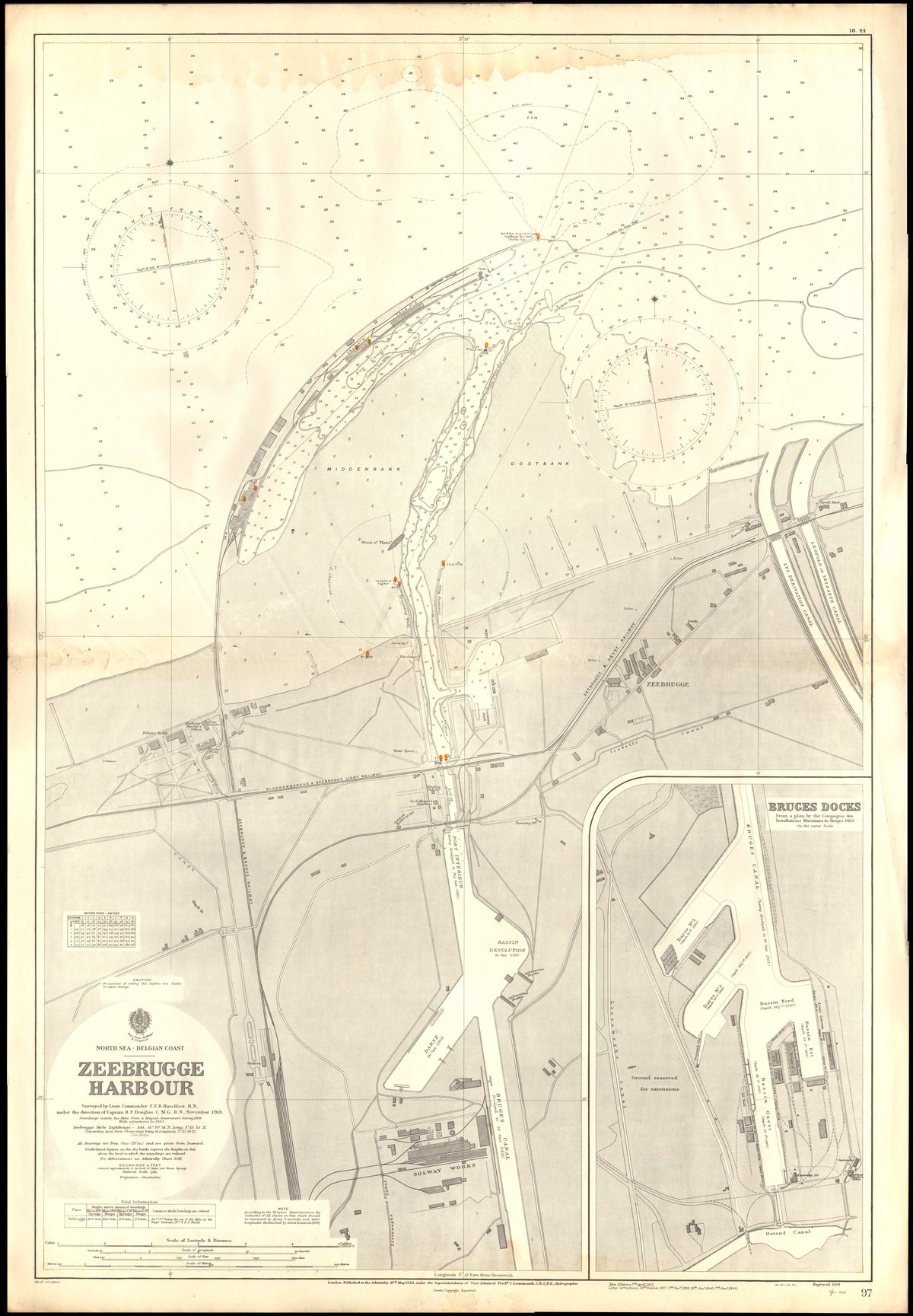
Zeebrugge Reopens the Sea

King Leopold II inaugurated the port of Zeebrugge on 23 July 1907 after years of mole and harbor works. Bruges had found water again, this time through modern engineering rather than medieval luck. The city that once faded with a silting channel now returned to the sea with concrete, steel, and dredging.

swords
1918

Liberation After Occupation

German forces had occupied Bruges and used nearby Zeebrugge as a naval base during the First World War, but the city was liberated on 19 October 1918. The old core escaped the level of destruction that erased other European centers. That survival would shape everything that followed.

swords
1944

Canadians Enter Bruges

Canadian troops, especially the 12th Manitoba Dragoons, liberated Bruges on 12 September 1944. The moment is memorialized at Canada Bridge, but the deeper fact sits all around you: the medieval center survived a second world war with its brick skin largely intact.

school
1949

College of Europe Founded

The College of Europe opened in Bruges in 1949 and gave the city a new role after the wars: a place where postwar Europe tried to think itself into being. Students arrived from across the continent to study diplomacy, law, and politics in streets older than their nations.

public
2000

UNESCO Backs the Whole Center

UNESCO inscribed the historic center of Bruges in 2000, after earlier recognition for the Beguinage and Belfry. The designation confirmed what anyone walking the canals already senses: this is not a city with a medieval quarter attached. The medieval city is the thing itself.

palette
2002

Culture Returns to the Stage

Bruges served as European Capital of Culture in 2002, using exhibitions, music, and public programming to show that preserved cities need not become museum cases. The point was not nostalgia. The point was to prove old brick could still think in the present tense.

factory
2022

Port of Antwerp-Bruges

In April 2022, Zeebrugge merged into the Port of Antwerp-Bruges, tying Bruges more tightly to one of Europe's major maritime systems. This matters because it breaks the lazy idea that Bruges survives only on memory. The city still has a working relationship with ships, freight, and the North Sea.

church
2025

Eight Centuries of the Beguinage

Bruges marked 800 years of the Beguinage in 2025 with exhibitions and programming around its long, unusual history. Few places carry continuity this gently. A foundation from 1245 still shapes the sound of a courtyard in the 21st century.

schedule
Present Day

Notable Figures

Jan van Eyck

c. 1390-1441 · Painter
Lived and worked here; died here

Bruges was one of the stages on which Jan van Eyck changed painting forever, turning oil into something luminous, tactile, and unsettlingly alive. The city still keeps his name in plain view at Jan van Eyckplein, and he would probably recognize the merchant ambition behind the facades even if the wool traders have been replaced by camera straps.

Hans Memling

c. 1430-1494 · Painter
Lived and worked here

Hans Memling made Bruges one of the great homes of Netherlandish painting, and Museum St John's Hospital still holds works that feel eerily intimate in their original hospital setting. He painted saints with the calm of someone who understood silence, which suits Bruges more than the city admits on its busy days.

Guido Gezelle

1830-1899 · Poet and priest
Born here

Guido Gezelle was born in Bruges and wrote Dutch with a musical ear sharpened by religion, dialect, and weather. His house and garden in the quieter Sint-Anna area fit him perfectly; he belonged to the Bruges of walls, leaves, and side streets more than the Bruges of souvenir windows.

Anselm Adornes

1424-1483 · Merchant and diplomat
Lived here; built the Jerusalem Chapel complex

Anselm Adornes turned Bruges wealth into something private and strange: the Jerusalem Chapel, modeled on the Holy Sepulchre, with family ambition written into stone and glass. He would find modern Bruges crowded in the obvious places, then reassuringly familiar the moment you step into his domain and the city drops to a murmur.

Plan your visit

Practical guides for Bruges — pick the format that matches your trip.

Practical Information

flight

Getting There

Brussels Airport (BRU) is the sensible arrival point in 2026: the rail station sits under the terminal, and trains reach Brugge station in about 1 hour 15 minutes to 1 hour 30 minutes depending on the service. Brussels South Charleroi Airport (CRL) works with a train plus TEC airport bus, and Ostend-Bruges Airport (OST) needs a bus connection via Oostende station unless a limited flight-specific shuttle applies. Main rail hub: Brugge railway station; major road access comes via the E40 and the N31 ring approach.

directions_transit

Getting Around

Bruges has no metro and no tram network, so local transport runs on De Lijn buses, mainly lines 1 and 2 between Brugge station and the old center, with main hubs at the station and 't Zand. The electric centre shuttle runs daily from 07:00 to 19:00 from platform C1; since July 1, 2025 it costs €3 per ride or €30 for a pass for most visitors. Cycling is excellent: since October 1, 2025 almost the whole center inside the R30 has been a bike zone covering 390 streets and 87 km of cycle streets, with 30 km/h traffic and drivers required to stay behind cyclists.

thermostat

Climate & Best Time

Bruges has a temperate maritime climate, so expect cool winters, mild springs, and summers that rarely feel harsh: spring averages run about 11-17°C, summer 19-21°C, autumn 11-19°C, and winter 2-8°C. Rain falls year-round, with drier months around April at about 38 mm and wetter stretches in October and November at roughly 80-84 mm. April to June and September to early October give the best balance of light, temperature, and crowd levels; July and August are warmer but busier, while January is quieter and cheaper with some seasonal closures.

translate

Language & Currency

Dutch is the official language in Bruges, though English works well in hotels, museums, restaurants, and tourist offices; French is widely understood too. Belgium uses the euro, and since federal rules require businesses to offer at least one electronic payment method, cards and contactless payments are widely accepted in 2026. Tipping is optional rather than expected: rounding up in a cafe or leaving 5% to 10% for genuinely good restaurant service is normal.

shield

Safety

Bruges is easy to handle, but the pressure points are predictable: Brugge station, the Markt and Belfry area, crowded canal quays, and nightlife streets late at night. Cobblestones get slick in rain, and cyclists have real priority in much of the center now, so look before stepping off the curb. Emergency numbers are 112 for general emergencies and 101 for police; the central police post for visitors is at Kartuizerinnenstraat 4 behind the Belfry.

Where to Eat

local_dining

Don't Leave Without Trying

Brown shrimp Shrimp croquettes Mussels with fries Beer-based stews Belgian fries with sauce Local cheeses North Sea seafood Handmade Belgian chocolate Bruges cobblestone-shaped chocolates Brugse Zot beer

Bij Koen & Marijke

fine dining
Belgian grill and seasonal bistro cooking €€€ star 4.8 (1249)

Order: Order the wood-fired rib-eye or filet, and add the beef tartare if you want to see why people talk about this place with borderline devotion.

This feels more like being invited into someone’s home than booking a table in a polished dining room. Reviews keep circling back to the same thing: serious cooking, a deep beer selection from smaller breweries, and owners who make the whole evening feel personal.

schedule

Opening Hours

Bij Koen & Marijke

Monday 6:00 – 11:00 PM
Tuesday 6:00 – 11:00 PM
Wednesday 6:00 – 11:00 PM
map Maps language Web

ONE Restaurant

local favorite
Traditional Belgian restaurant €€ star 4.7 (1091)

Order: Go for the meatballs in sauce and the shrimp croquettes, then let the house steer you toward a local dark beer.

This is the kind of place people hesitate to talk about because they want a table next time. The menu leans into classic Belgian dishes without dressing them up into museum pieces, and the family-run warmth comes through in almost every review.

schedule

Opening Hours

ONE Restaurant

Monday Closed
Tuesday Closed
Wednesday 12:00 – 2:00 PM, 6:00 – 9:00 PM
map Maps language Web

Lion Belge - Brugge

local favorite
Flemish comfort food and chef-driven classics €€ star 4.7 (696)

Order: Order the Flemish stew, duck croquettes, or pork knuckle; if lamb fillet is on, several diners make a point of singling it out.

Lion Belge sounds like a diner in the data, but the reviews describe something sharper: generous Flemish cooking, excellent sauces, and a chef’s touch without any fuss. Small room, warm service, big plates. Exactly the right combination.

schedule

Opening Hours

Lion Belge - Brugge

Monday Closed
Tuesday Closed
Wednesday 11:30 AM – 2:00 PM, 5:30 – 8:30 PM
map Maps language Web

L'Aperovino Wine & Tasty Tapas

fine dining
Small-plate European dining with a serious wine list €€ star 4.9 (89)

Order: Trust the kitchen and build a meal from the small plates, with a glass of wine alongside; reviews focus less on one signature dish than on the consistency of every plate that lands.

Eight tables changes the whole mood. Service is close, the room stays intimate, and diners repeatedly compare the cooking to a much pricier place. If you want a meal that feels quietly ambitious instead of loud about it, this is the one.

schedule

Opening Hours

L'Aperovino Wine & Tasty Tapas

Monday Closed
Tuesday 12:00 – 2:00 PM, 6:30 – 9:00 PM
Wednesday 12:00 – 2:00 PM, 6:30 – 9:00 PM
map Maps language Web

HIDE Breakfast / Lunch

cafe
Modern brunch cafe with shakshuka, pancakes, and gluten-free options €€ star 4.9 (1648)

Order: Get the shakshuka or the gluten-free pancakes, and add a smoothie if you want the full brunch-table treatment.

People queue here in the rain, then come back the next day. That tells you enough. HIDE gets praise for warm service, polished renovation, and brunch dishes that feel carefully made rather than copied from every other all-day breakfast menu in Europe.

schedule

Opening Hours

HIDE Breakfast / Lunch

Monday 9:00 AM – 2:00 PM
Tuesday Closed
Wednesday Closed
map Maps language Web

Sweet l’oeuff

cafe
Breakfast and brunch cafe with egg plates, bacon, sausages, and house cakes €€ star 4.9 (551)

Order: Order the fried eggs with bacon and sausages, then finish with the cake that arrives with the coffee.

This one sounds almost suspiciously wholesome in the reviews: lovely room, genuinely kind staff, and breakfast plates that people remember months later. It is central, but it doesn’t read like a place built only for passing foot traffic.

schedule

Opening Hours

Sweet l’oeuff

Monday 8:30 AM – 1:30 PM
Tuesday Closed
Wednesday Closed
map Maps language Web

Tasty Bruges Sandwichshop

quick bite
Sandwich shop with fresh baguettes and strong vegetarian and vegan options €€ star 4.9 (453)

Order: Try the salmon sandwich if you want a crowd favorite, or go for the Tasty Vegan or Crispy Vegan on brown bread.

Not every Bruges meal needs candles and a beer list the size of a novella. This is the quick lunch move: fresh bread, balanced fillings, fast turnaround, and enough vegetarian range that nobody gets stuck with the sad fallback option.

schedule

Opening Hours

Tasty Bruges Sandwichshop

Monday 7:30 AM – 3:30 PM
Tuesday 8:00 AM – 4:00 PM
Wednesday 8:00 AM – 4:00 PM
map Maps language Web

Olivier's Chocolate Shop & Bar

cafe
Belgian chocolate shop and cafe for coffee, hot chocolate, and wine €€ star 4.7 (831)

Order: Have a cappuccino or caffe mocha with a selection of handcrafted chocolates; if the weather turns cold, the hot chocolate gets strong praise too.

Bruges without chocolate is missing the point, and this is a better stop than the anonymous souvenir-box places. Reviews talk about coffee that holds up on its own, staff who make the room feel easy, and chocolates people rank above the city’s more famous names.

schedule

Opening Hours

Olivier's Chocolate Shop & Bar

Monday 11:00 AM – 6:30 PM
Tuesday 11:00 AM – 6:30 PM
Wednesday 11:00 AM – 6:30 PM
map Maps language Web
info

Dining Tips

  • check Plan lunch around 12:00-1:30 p.m. and dinner around 7:00-8:00 p.m. if you want to match the local rhythm.
  • check Do not assume kitchens serve food all afternoon; many places run a short lunch window, then reopen for dinner.
  • check Sunday night and Monday can be awkward for independent dining, and many places also shut between roughly 3:00-6:00 p.m.
  • check Tipping is optional in Belgium because service is generally included; rounding up or leaving a few euros for genuinely good service is normal.
  • check Belgium is card-friendly, and Bancontact is the local payment reflex.
  • check Mobile payment is common, especially via Bancontact or Payconiq.
  • check For market eating and browsing, the main city-center slots are Wednesday 8:00 a.m.-2:00 p.m. at Markt, Saturday 8:00 a.m.-1:30 p.m. at 't Zand, and Wednesday-Saturday 8:00 a.m.-1:30 p.m. at the Fish Market.
  • check Beer matters in Bruges more than in most cities, and local beer shows up both in the glass and in the cooking.
Food districts: Market Square (Markt) 't Zand Square Fish Market (Vismarkt) Dijver Veemarkt, Sint-Michiels Onder de Toren, Lissewege Market Square, Zeebrugge

Restaurant data powered by Google

Tips for Visitors

photo_camera
Beat The Crowds

Rozenhoedkaai looks better early in the morning or around blue hour, when the day-trippers have thinned out and the canal reflections sharpen. The same timing helps on Markt and around Burg.

directions_bus
Use Bus 1

From Brugge station, bus 1 and bus 2 are the useful tourist lines into the old centre, with stops near Sint-Salvatorskathedraal, Onze-Lieve-Vrouwekerk, Dijver, and Jan van Eyckplein. They save your feet on arrival, especially with luggage.

payments
Shuttle Is Paid

Older advice still says the centre shuttle is free. Since July 1, 2025, most visitors pay €3 per ride or €30 for a pass, so check whether a regular De Lijn ticket or simple walking makes more sense.

volume_off
Keep Quiet Here

The Beguinage is still a lived-in place and is treated as a zone of silence, not a noisy stop on a checklist. Lower your voice, pocket the speaker, and give the place the stillness it asks for.

train
Choose Brussels Airport

Brussels Airport is the easiest airport for Bruges because the station sits under the terminal and trains reach Brugge in about 1 hour 15 to 1 hour 30. Charleroi usually means a train plus TEC airport bus, which is slower and fussier.

directions_bike
Cycle Like Locals

Since October 1, 2025, almost the whole centre inside the R30 ring has been a bike zone, with 30 km/h traffic and cars required to stay behind cyclists. Rent a bike for Sint-Anna, the ramparts, and the windmills rather than forcing everything into the central squares.

Explore the city with a personal guide in your pocket

Your Personal Curator, in Your Pocket.

Audio guides for 1,100+ cities across 96 countries. History, stories, and local insight — offline ready.

smartphone

Audiala App

Available on iOS & Android

download Download Now

Join 50k+ Curators

Frequently Asked

Is Bruges worth visiting? add

Yes, if you want a city that feels theatrical at first glance and then turns quieter, stranger, and better as you leave the postcard streets. Bruges gives you canals, major Flemish art, working windmills on the old defenses, and a lived-in historic core with almshouse courtyards and silent corners like the Beguinage.

How many days in Bruges? add

Two days is enough for the core sights, and three days lets Bruges breathe. That extra time gives you St John's Hospital, Groeninge or Gruuthuse, the Sint-Anna quarter, the mills on Kruisvest, and a half-day side trip to Damme, Lissewege, or Zeebrugge.

How do I get from Brussels Airport to Bruges? add

Take the train from Brussels Airport-Zaventem station under the terminal to Brugge. Expect about 1 hour 15 to 1 hour 30 in total, depending on the service, and remember airport rail tickets usually include the Brussels Airport Supplement.

Can you walk everywhere in Bruges? add

Mostly yes. Bruges is compact and the historic centre is low-car, so many visitors can cover the main area on foot, though cobbles slow you down. For longer hops, use bus 1 or 2 from the station, or the paid centre shuttle if its loop suits your route.

Is Bruges expensive for tourists? add

Bruges can get pricey around the central squares, especially in peak summer, but local transport is manageable: De Lijn single tickets cost €3, a day pass costs €9, and the centre shuttle costs €3 per ride. January can bring lower hotel prices, though some museums and tourism operators reduce operations after the holidays.

Is Bruges safe at night? add

Bruges is generally a manageable city for visitors, with clear emergency services and a police post near the Belfry on Kartuizerinnenstraat 4. Standard city caution still applies around stations, crowded squares, and late-night transport, but this is not a place that usually feels aggressive.

What is the best month to visit Bruges? add

April to June is the sweet spot for most travelers, with mild weather, long light, and fewer crowds than July and August. September to early October works well too, while late March and early April bring the Beguinage daffodils, one of Bruges's prettiest seasonal details.

Do I need a canal boat tour in Bruges? add

If this is your first visit, yes, a canal boat ride earns its place. Bruges was built to be read from the water, and the boat gives you angles on facades, bridges, and back gardens that you simply do not get from the street.

Sources

  • verified Visit Bruges — Official tourism source for sights, museums, hidden corners, day trips, practical information, and seasonal planning.
  • verified City of Bruges - Centre Shuttle Bus — Official city page confirming the centre shuttle route, hours, accessibility, and paid fares since July 1, 2025.
  • verified De Lijn Fares — Official public transport fares for single tickets, day passes, and multi-ride cards in Flanders.
  • verified Brussels Airport - Train Access — Airport rail access page confirming the station under the terminal and direct rail links toward Bruges.
  • verified NMBS/SNCB Brussels-Bruges — Official Belgian rail journey information for Brussels to Bruges travel times.
  • verified Time and Date - Bruges Climate — Climate averages used to judge the best seasons for most visitors.

Last reviewed:

All Places to Visit

87 places to discover
Groeningemuseum

Groeningemuseum

Church of Our Lady

Church of Our Lady

St. Donatian'S Cathedral

St. Donatian'S Cathedral

Museum Van Het Heilig Bloed

Museum Van Het Heilig Bloed

photo_camera

Gruuthusemuseum

Boudewijn Seapark

Boudewijn Seapark

Frietmuseum

Frietmuseum

photo_camera

Graaf Visartpark

Tillegem Castle

Tillegem Castle

Male Castle

Male Castle

St. James Church

St. James Church

Ezelpoort star Top Rated

Ezelpoort

photo_camera

Jan Breydel Stadium

Port of Zeebrugge

Port of Zeebrugge

Madonna of Bruges star Top Rated

Madonna of Bruges

Brugse Vrije

Brugse Vrije

Sint-Salvatorskathedraal

Sint-Salvatorskathedraal

Markt

Markt

photo_camera

Ter Doest Abbey

Belfry of Bruges

Belfry of Bruges

Sint-Janshospitaal

Sint-Janshospitaal

Burg

Burg

Fort Van Beieren star Top Rated

Fort Van Beieren

Damme Canal

Damme Canal

Openbare Bibliotheek Brugge

Openbare Bibliotheek Brugge

Saint-Andrew Abbey

Saint-Andrew Abbey

Ten Wijngaerde

Ten Wijngaerde

Jan Van Eyckplein

Jan Van Eyckplein

Brugge Railway Station

Brugge Railway Station

photo_camera

Spiegelrei

'T Zand

'T Zand

photo_camera

Torenbrug

photo_camera

Kapucijnenplein

Concertgebouw

Concertgebouw

photo_camera

Sint-Maartensplein

Huidenvettersplein

Huidenvettersplein

Sint-Jansplein

Sint-Jansplein

Woensdagmarkt

Woensdagmarkt

photo_camera

Arentshof

photo_camera

Biskajersplein

Eiermarkt

Eiermarkt

photo_camera

Kraanplein

photo_camera

Beursplein

photo_camera

Muntplein

photo_camera

Colleges of St Omer, Bruges and Liège

Fort Lapin

Fort Lapin

photo_camera

Guido Gezelleplein

Walplein

Walplein

photo_camera

Zilverpand

photo_camera

Wijngaardplein

photo_camera

Achiel Van Ackerplein

Oosterlingenplein

Oosterlingenplein

photo_camera

Zilversteeg

photo_camera

Pastoor Van Haeckeplantsoen

Ankerplein

Ankerplein

photo_camera

Joris Dumeryplein

Minneboplein

Minneboplein

photo_camera

Bloedput

Bruges City Hall

Bruges City Hall

St. Trudo'S Abbey

St. Trudo'S Abbey

photo_camera

Sint-Walburgakerk

Klokke Stadion

Klokke Stadion

Our Lady of the Pottery

Our Lady of the Pottery

Provinciaal Hof

Provinciaal Hof

photo_camera

Jeruzalemkerk

De Werf

De Werf

photo_camera

Edgard De Smedt Stadium

Stationsplein

Stationsplein

Zeus, Leda, Prometheus and Pegasus Visit Bruges star Top Rated

Zeus, Leda, Prometheus and Pegasus Visit Bruges

Augustijnenbrug

Augustijnenbrug

Beguinage Church Saint Elizabeth

Beguinage Church Saint Elizabeth

Blinde Ezelbrug

Blinde Ezelbrug

photo_camera

Brewery De Halve Maan

Castle De La Faille

Castle De La Faille

photo_camera

De Dijk

De Nieuwe Papegaai, Brugge

De Nieuwe Papegaai, Brugge

photo_camera

Frank Van Acker

Gruuthusebrug

Gruuthusebrug

Juan Luis Vives

Juan Luis Vives

King Albert I of Belgium

King Albert I of Belgium

Leeuwenbrug

Leeuwenbrug

Minnewaterbrug

Minnewaterbrug

photo_camera

Monument to Jan Breydel and Pieter De Coninck

photo_camera

O.L.V.- Ter Potterie - Hospitaalmuseum

Sashuis (Bruges)

Sashuis (Bruges)

photo_camera

Schipperskapel

Simon Stevin

Simon Stevin