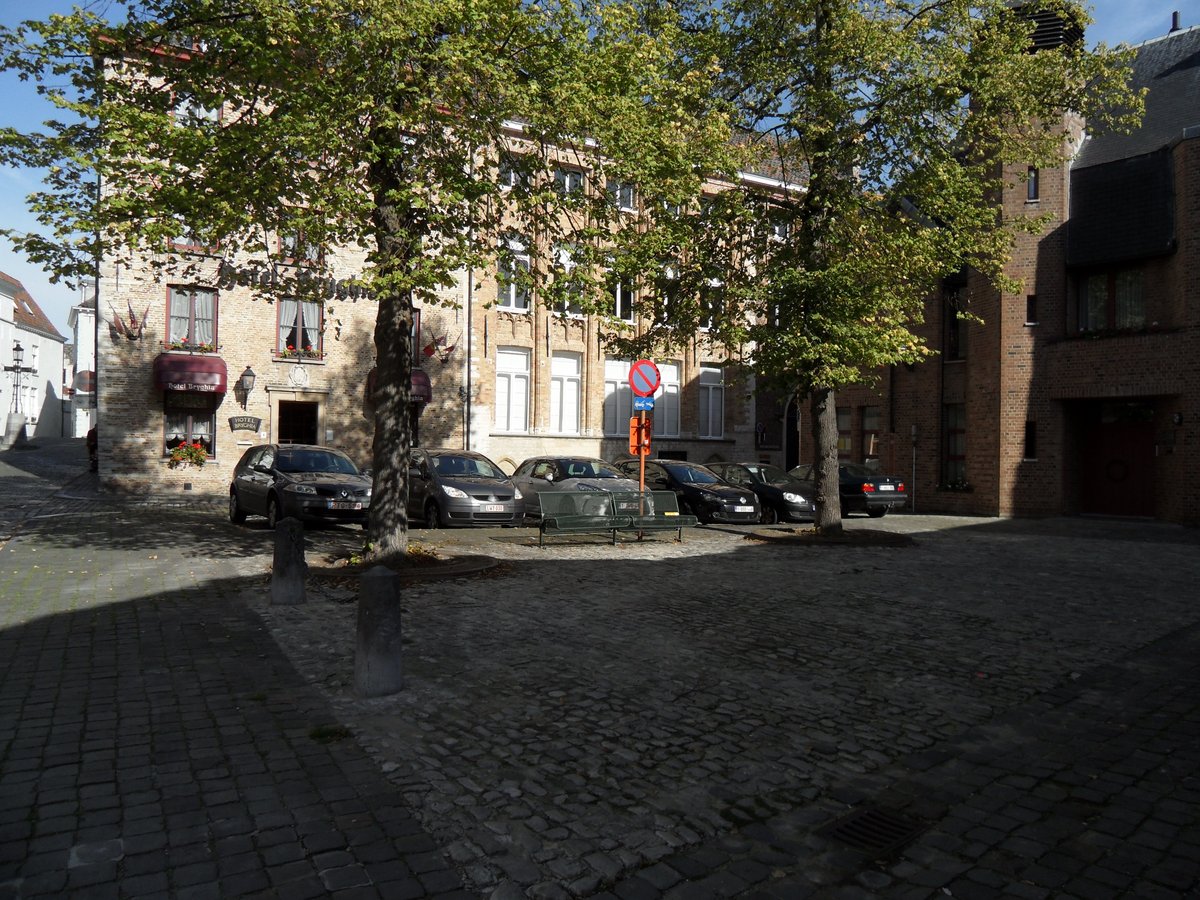
Medieval Origins & Urban Development
Paalstraat’s roots trace to Bruges’ earliest days as a 9th-century fortress, strategically located at the confluence of waterways connecting to the North Sea (iha.news). The city’s access to water catalyzed its growth as a port and trading center. By the 12th and 13th centuries, Bruges expanded rapidly after a flood created a direct sea channel, with streets like Paalstraat constructed to facilitate bustling trade and daily life (creativitys.uk). The winding, narrow design of Paalstraat reflects the defensive needs and commercial priorities of medieval Bruges.
The Golden Age and Preservation
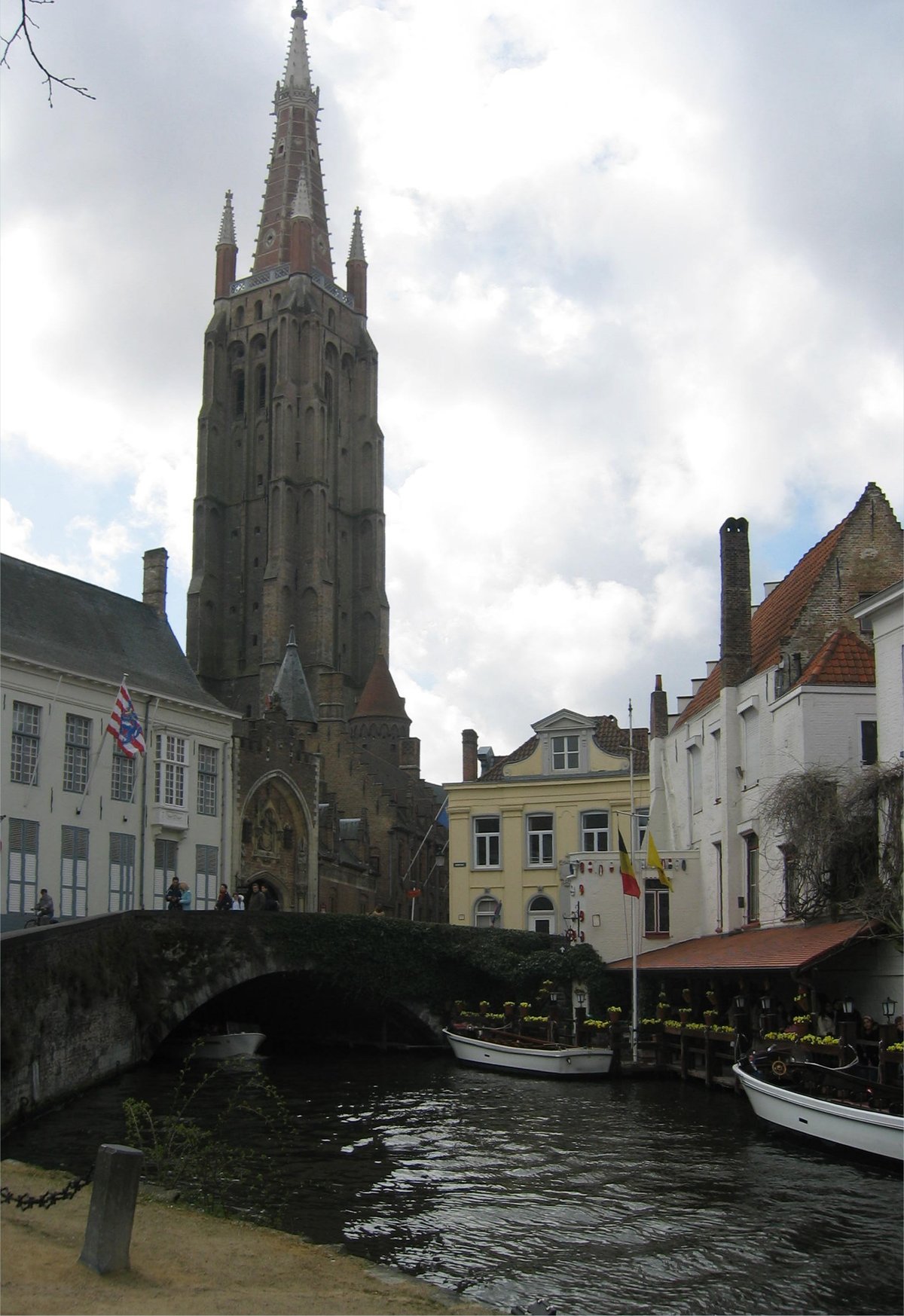
During the 13th to 15th centuries, Bruges flourished as a major European trading hub, attracting merchants, artisans, and guilds from across the continent (creativitys.uk). Paalstraat, in proximity to the main market squares and canals, likely featured merchant homes and workshops. The architecture from this period—stepped gables, ornate facades, and Gothic brickwork—remains evident along the street today (momentslog.com).
Bruges’ economic decline in the 16th century, triggered by the silting of the Zwin channel, led to centuries of stagnation. Paradoxically, this preserved Paalstraat’s medieval fabric, as modern overdevelopment bypassed the historic core (visitbruges.be). Restoration efforts in the 19th and 20th centuries, spurred by renewed interest in Gothic heritage, helped maintain Paalstraat’s authentic appearance.
Paalstraat’s Modern Role
Today, Paalstraat exemplifies Bruges’ commitment to balancing historical preservation with vibrant urban life. Included in the UNESCO World Heritage-listed center, the street is part of a larger network of medieval lanes that define the city’s unique atmosphere (visitbruges.be). Urban renewal projects have enhanced pedestrian access while maintaining the area’s historic integrity.
Architectural Features
Visitors strolling Paalstraat will encounter:
- Gothic and Renaissance facades Characterized by stepped gables, pointed arches, and decorative brickwork (momentslog.com).
- Cobblestone paving Original or sympathetically restored stones.
- Proximity to canals Especially the scenic Groenerei, providing idyllic vistas (mapaplan.com).
- Historic residences and guild houses Many display period features and trade symbols.
Visitor Information: Hours, Tickets, Accessibility
Visiting Hours & Ticketing:
Paalstraat is a public street with no restricted hours or ticketing—accessible 24/7 year-round (nomadicmatt.com, visitbruges.be).
How to Get There:
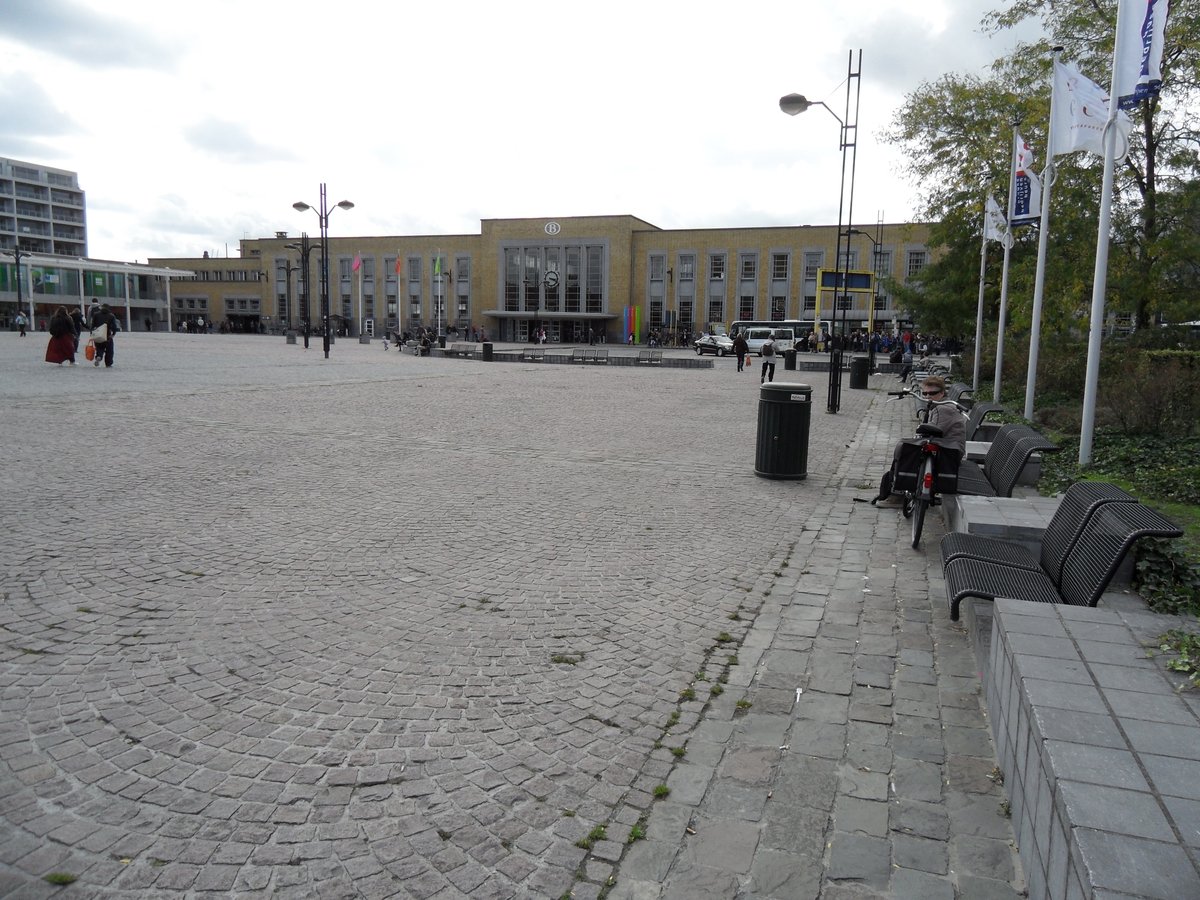
Located centrally, Paalstraat is a short walk from major city squares such as Markt and Burg. The Bruges train station is about 20 minutes away on foot; alternatively, local buses serve the city center (mapaplan.com).
Accessibility:
The street’s traditional cobblestones add character but may pose challenges for wheelchairs and strollers. Wear comfortable, supportive shoes; mobility-impaired visitors may want to consult local tourism resources for assistance (fullsuitcase.com).
Visitor Tips & Nearby Attractions
- Best Times to Visit Early mornings and late evenings offer tranquil atmospheres and optimal photography conditions. Spring and autumn bring mild temperatures and fewer tourists (fullsuitcase.com).
- Guided Tours Many walking tours include Paalstraat, often focusing on medieval history or Bruges’ hidden gems (freetoursbyfoot.com).
- Local Amenities While Paalstraat itself is primarily residential, nearby streets offer cafes, boutiques, and artisan shops. Popular nearby attractions include:
- Markt Square With its iconic Belfry Tower.
- Burg Square Home to the Basilica of the Holy Blood.
- Groenerei Canal Renowned for scenic walks and boat tours.
- Groeningemuseum Showcasing Flemish art (bigworldsmallpockets.com).
- Dining Sample Belgian specialties at eateries on adjacent streets such as Langestraat and Hoogstraat (quickwhittravel.com).
Sustainable Tourism & Local Culture
Bruges actively promotes sustainable tourism and local culture by:
- Maintaining historic facades and cobblestones.
- Fostering local businesses.
- Promoting off-peak tourism.
- Offering educational signage and guided tours for deeper engagement (visitbruges.be).
Visitors are encouraged to respect Paalstraat’s residential nature by minimizing noise and supporting independent shops and artisans (lonelyplanet.com).
Frequently Asked Questions (FAQ)
Q: Do I need a ticket to visit Paalstraat?
A: No, Paalstraat is a public street and open at all times.
Q: Is Paalstraat accessible for wheelchairs or strollers?
A: The cobblestones can be uneven; accessibility may be limited, so caution is advised.
Q: Are there guided tours that include Paalstraat?
A: Yes, Paalstraat is featured in many historical and hidden-gem walking tours.
Q: When is the best time to visit?
A: Early mornings, late evenings, and midweek days are best for a peaceful experience.
Q: What language is spoken?
A: Dutch (Flemish), though English is widely spoken in tourist areas (happytowander.com).