Medieval Origins and the Waterhalle Era
The site of the Provinciaal Hof has been crucial to Bruges’ civic and commercial life since the 13th century. In 1294, the Waterhalle, a monumental commercial warehouse, was erected here, serving as the city’s trading heart for over 500 years. As Bruges’ waterways silted up in the 18th century, the Waterhalle was demolished in 1787, marking the end of an era and paving the way for new architectural developments. (Accidentally Wes Anderson)
Neo-Gothic Revival: 19th and 20th-Century Transformations
Following the demolition of the Waterhalle, a neoclassical structure was built but destroyed by fire in 1878. The ensuing reconstruction became a statement of Bruges’ medieval heritage. Architects Louis Delacenserie and René Buyck designed the new Provinciaal Hof in neo-Gothic style, with construction spanning from 1887 to 1921. The building’s ornate façade, pointed arches, and statues of Flemish luminaries celebrate Bruges’ illustrious past while reflecting the 19th-century Gothic revival movement. (Traveltoer)
Administrative and Civic Roles
For much of the 20th century, the Provinciaal Hof served as the seat of the West Flanders provincial council, solidifying its role as both a political and administrative center. The building also functioned as a courthouse at times, further entwining it with the fabric of Bruges’ civic life. Today, it serves as a venue for exhibitions, cultural events, and public gatherings, continuing its tradition as a focal point for the community. (Accidentally Wes Anderson, Traveltoer)
Architectural and Artistic Highlights
Exterior Features
The Provinciaal Hof is a quintessential example of neo-Gothic architecture, featuring an elaborate stone façade, crow-stepped gables, pointed arches, and decorative spires. Statues of notable Flemish leaders, such as Count Baldwin IX and Philip the Good, grace the exterior, symbolizing regional pride and identity. Two imposing stone lions flank the entrance, further emphasizing the building’s role as a seat of authority. (Fine Traveling, Thoroughly Travel)
Interior Design and Art
Inside, visitors are greeted by a grand staircase with intricate carvings, leading to ceremonial halls adorned with stained glass windows, heraldic motifs, and murals. The council chamber, once the heart of provincial governance, boasts a soaring ceiling and a magnificent chandelier by Edward De Vooght. Artistic treasures include statues by Hendrik Pickery, stained glass by Jules Dobbelaere, and paintings by Joos de Momper and Jan Van de Putte, all celebrating the heritage of West Flanders. (Wikipedia)
Visiting the Provinciaal Hof: Hours, Tickets, and Accessibility
Visiting Hours
- Exterior The neo-Gothic façade and the surrounding Markt are accessible 24/7.
- Interior Provinciaal Hof is open daily from 10:30 AM to 6:00 PM, except Tuesday, when it is closed. Check the official website for current exceptions, including the December 25 and January 1 closures.
Tickets and Guided Tours
- General Admission Admission is typically free for the main building and most exhibitions. Special exhibitions or guided tours may require a ticket (usually around €5 for adults, with discounts for students, seniors, and groups).
- Booking Tickets for exhibitions and guided tours can be purchased online or at the entrance. Advance booking is recommended during peak seasons. (Provinciaal Hof Official Site)
- Guided Tours Tours are often available in multiple languages and provide deeper historical and artistic context.
Accessibility
The Provinciaal Hof is committed to accessibility:
- Wheelchair Access Ramps and elevators serve all floors.
- Adapted Toilets Available on the basement (-1) and second (+2) floors.
- Changing Place Spacious facility with hoist and changing table.
- Support Staff can accommodate special requirements; contact in advance for assistance. (Provinciaal Hof Practical Info)
Events, Exhibitions, and the Palace Café
Cultural Events and Temporary Exhibitions
The Provinciaal Hof hosts a dynamic program of exhibitions, concerts, and public ceremonies. Highlights include art exhibitions, heritage days, and seasonal events such as the Christmas market in the Markt. Check the official calendar for upcoming events.
Palace Café
Located on the first floor, the Palace Café is run by the social enterprise ODAS and offers drinks and snacks made from local products. This inclusive, welcoming space is open during regular building hours and provides visitors with a taste of West Flemish cuisine.
Nearby Attractions and Bruges Travel Tips
Central Location
- Address Markt 3, 8000 Bruges
- Transport Easily reached by foot from the train station (20-minute walk, or short bus/taxi ride).
Top Nearby Sights
- Belfry of Bruges Iconic medieval tower with panoramic city views.
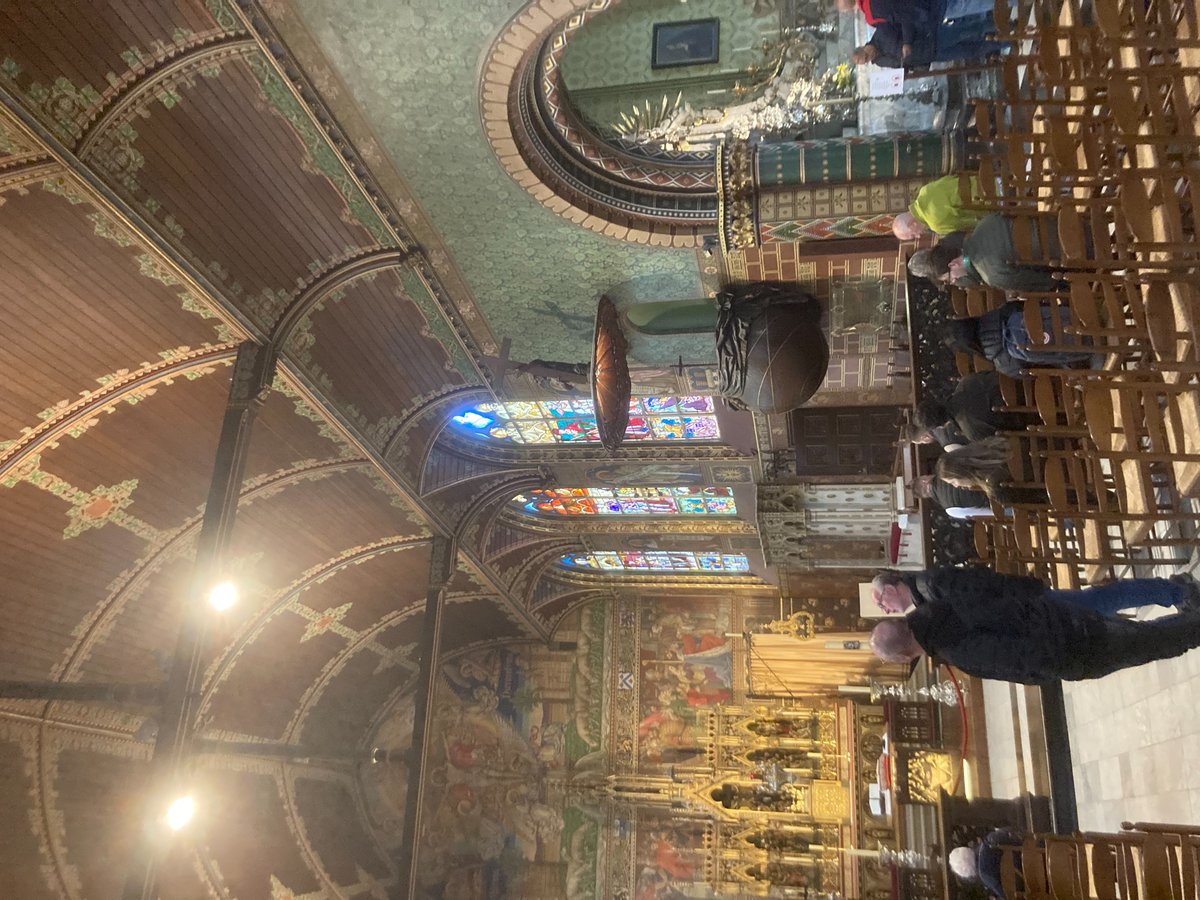
- Basilica of the Holy Blood Home to the revered Holy Blood relic.
- Bruges City Hall (Stadhuis) One of the oldest and most architecturally significant city halls in the region.
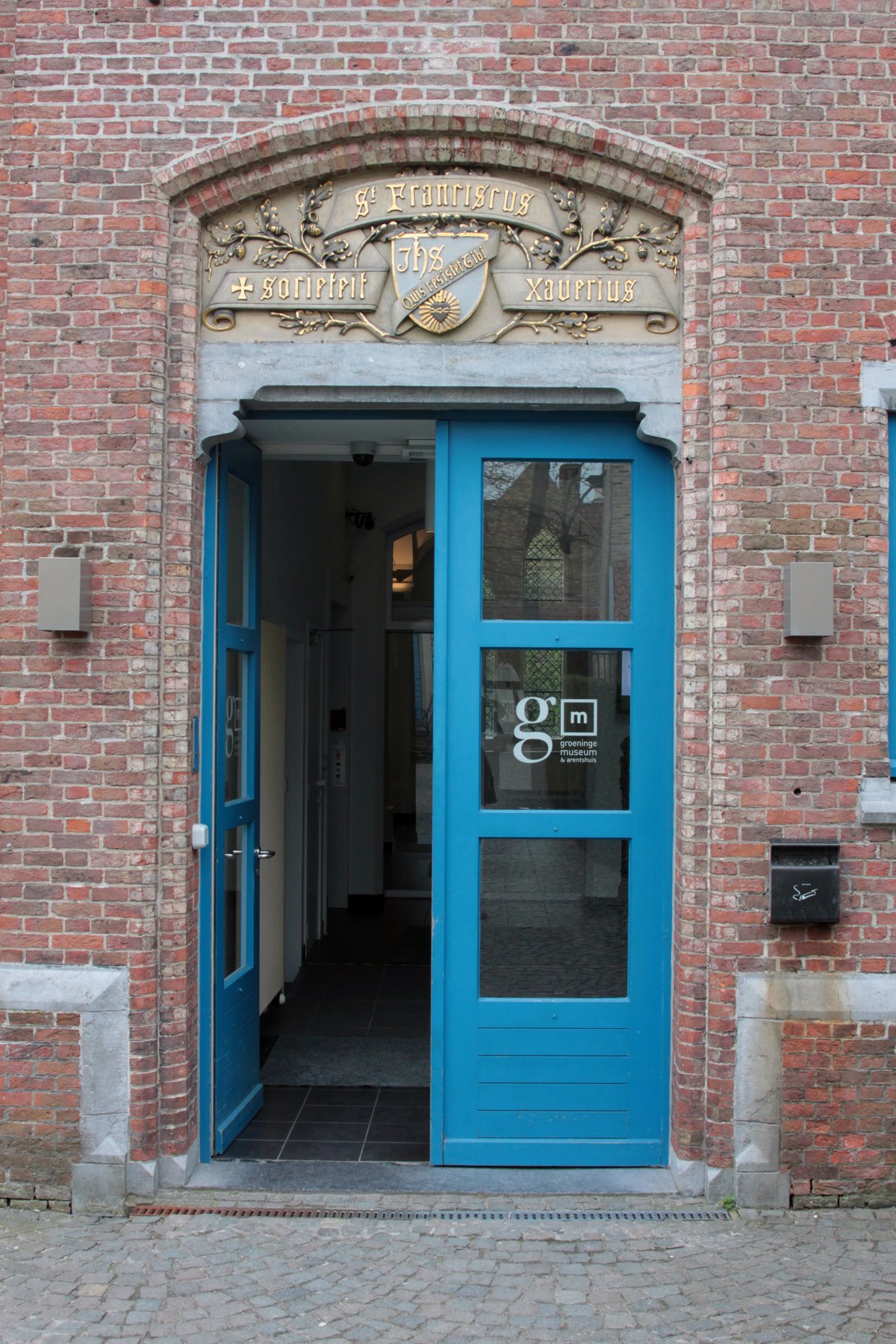
- Groeningemuseum Renowned for Flemish art.
- Minnewater Lake (“Lake of Love”) Picturesque and romantic setting nearby.
Dining and Accommodation
The Markt is surrounded by cafes, restaurants, and shops. Notable hotels within walking distance include Hotel Prinsenhof, Hotel de Castillion, The Pand Hotel, and De Tuilerieën. (Trip.com Provinciaal Hof)
Sustainability and Preservation
As a protected monument and part of Bruges’ UNESCO World Heritage-listed city center, the Provinciaal Hof undergoes regular restoration and conservation. Recent upgrades have included accessibility improvements and the introduction of sustainable tourism practices. Visitors are encouraged to respect the site and support Bruges’ eco-friendly initiatives by using public transport, cycling, and minimizing waste. (Bruns, Visit Bruges)
Practical Tips for Visitors
- Plan Ahead Always check the official site for the latest opening hours, ticket policies, and event schedules.
- Combine Visits Take advantage of the central location to explore nearby landmarks.
- Photography The building’s façade is especially photogenic at dawn or dusk; interior photography is usually permitted but check for restrictions.
- Weather Bruges has a temperate climate—pack for rain.
- Safety & Comfort The Markt is safe and pedestrian-friendly, but remain vigilant in crowded areas.
- Language & Currency Dutch is the official language; English and French are widely spoken. The currency is the Euro (€).
- Wi-Fi Many public spaces and cafes offer free Wi-Fi.
Frequently Asked Questions (FAQ)
Q: What are the Provinciaal Hof’s opening hours?
A: The interior is open daily 10:30 AM–6:00 PM except Tuesday. Check the official website for current exceptions.
Q: Is there an admission fee?
A: General entry is free. Some exhibitions or guided tours may charge a fee.
Q: Are guided tours available?
A: Yes, often in multiple languages. Advance booking is recommended.
Q: Is the Provinciaal Hof accessible for wheelchair users?
A: Yes, with ramps, elevators, and adapted toilets.
Q: What nearby attractions should I combine with my visit?
A: The Belfry of Bruges, Basilica of the Holy Blood, City Hall, Groeningemuseum, and Minnewater Lake are all close by.
Q: Can I visit the Palace Café separately?
A: Yes, the café shares the same opening hours as the main building.