1. Discover Fonteinstraat: A Must-Visit Bruges Historical Site
Fonteinstraat weaves through Bruges’ storied past, offering a direct link to the city’s medieval heyday. Its enduring layout and architecture immerse visitors in a centuries-old ambiance, while its present-day vitality is felt in the local shops, cafés, and artisan studios.
2. Historical Evolution of Fonteinstraat
Medieval Foundations
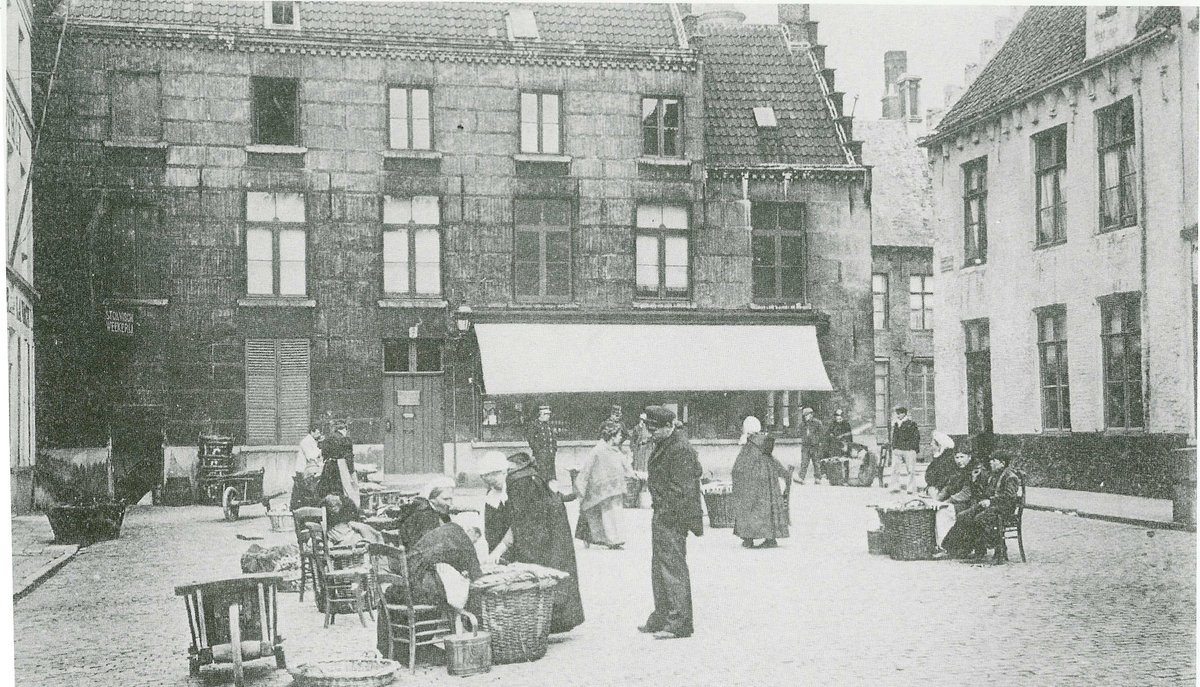
Fonteinstraat emerged as Bruges grew into a major North Sea port in the 12th and 13th centuries (creativitys.uk). Its name, “Fountain Street,” hints at its importance for public water access. The street’s winding form exemplifies the medieval approach to city planning.
Golden Age and Decline
From the 13th to 15th centuries, Bruges thrived as a Hanseatic hub, and Fonteinstraat was a bustling center for merchants and artisans (iha.news). Economic decline in the 16th century, triggered by the silting of the Zwin channel, led to the preservation of its medieval structures (visitbruges.be).
19th-Century Revival to Modern Era
Restoration and conservation efforts in the 19th century, spurred by British tourism, ensured Fonteinstraat’s survival and continued relevance (thetravelingcookabroad.com). Today, it stands as a protected piece of Bruges’ urban heritage (traveltomtom.net).
3. Architectural and Cultural Significance
Architectural Features
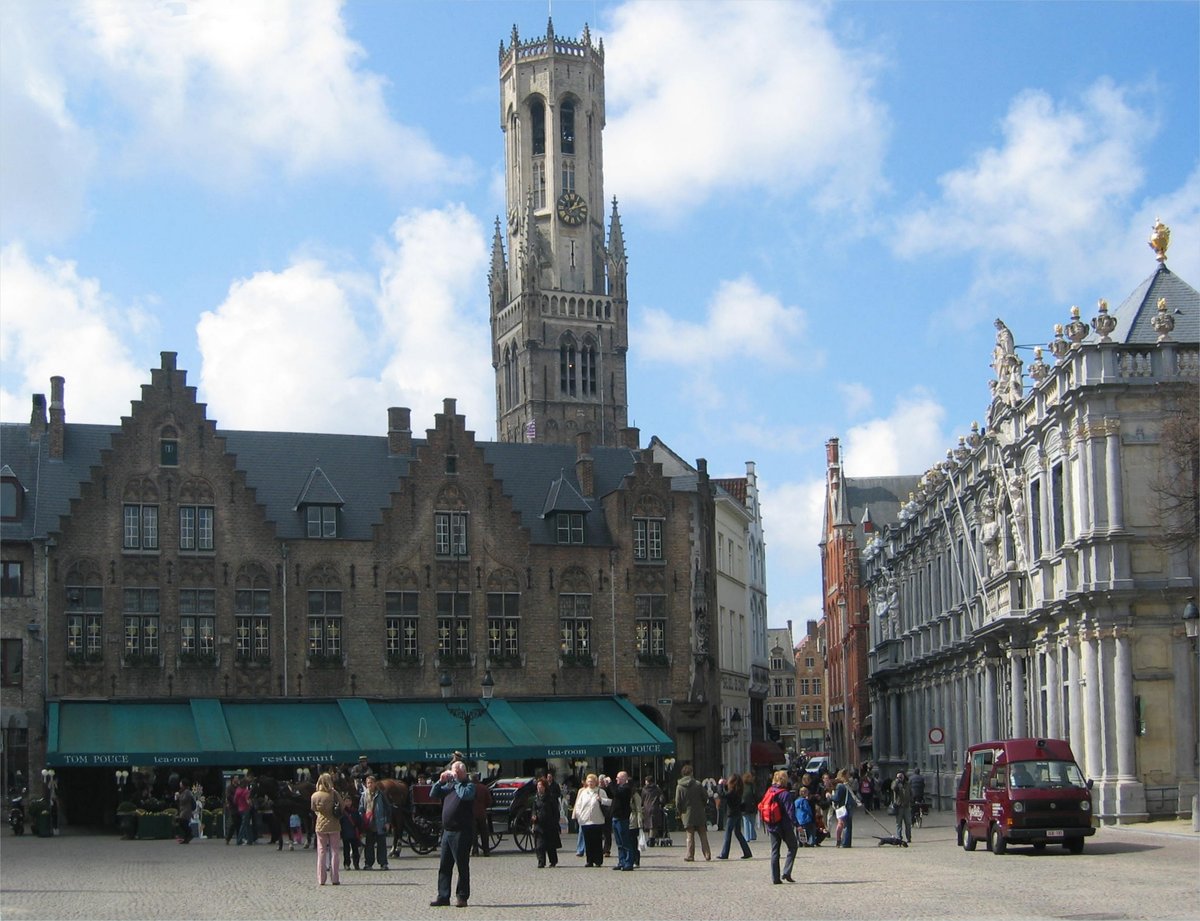
- Stepped gables and ornate brick facades hallmark the street’s Flemish Gothic and Renaissance legacy.
- Stone carvings and narrow, winding alignment reflect medieval craftsmanship (momentslog.com).
Cultural Context
Fonteinstraat serves as a bridge between Bruges’ past and present. Its mix of historic homes, boutiques, and galleries fosters community life and keeps traditional crafts alive (visitbruges.be).
4. Practical Visitor Information
Visiting Hours & Tickets
- Fonteinstraat Open 24/7, no tickets required.
- Nearby Museums
- Groeningemuseum: 9:30 AM–5 PM (€14/adult)
- Gruuthusemuseum: Tuesday–Sunday, 9:30 AM–5 PM (€12/adult)
(thoroughlytravel.com)
Tours & Events
- Guided walking tours (2 hours, €15–25) often include Fonteinstraat (freetoursbyfoot.com).
- Seasonal events like the Bruges Christmas Market and summer festivals add vibrancy.
Getting There & Accessibility
- On Foot Best explored walking; cobblestones require sturdy shoes (Nomadic Matt).
- Cycling Bikes are allowed; rentals available citywide.
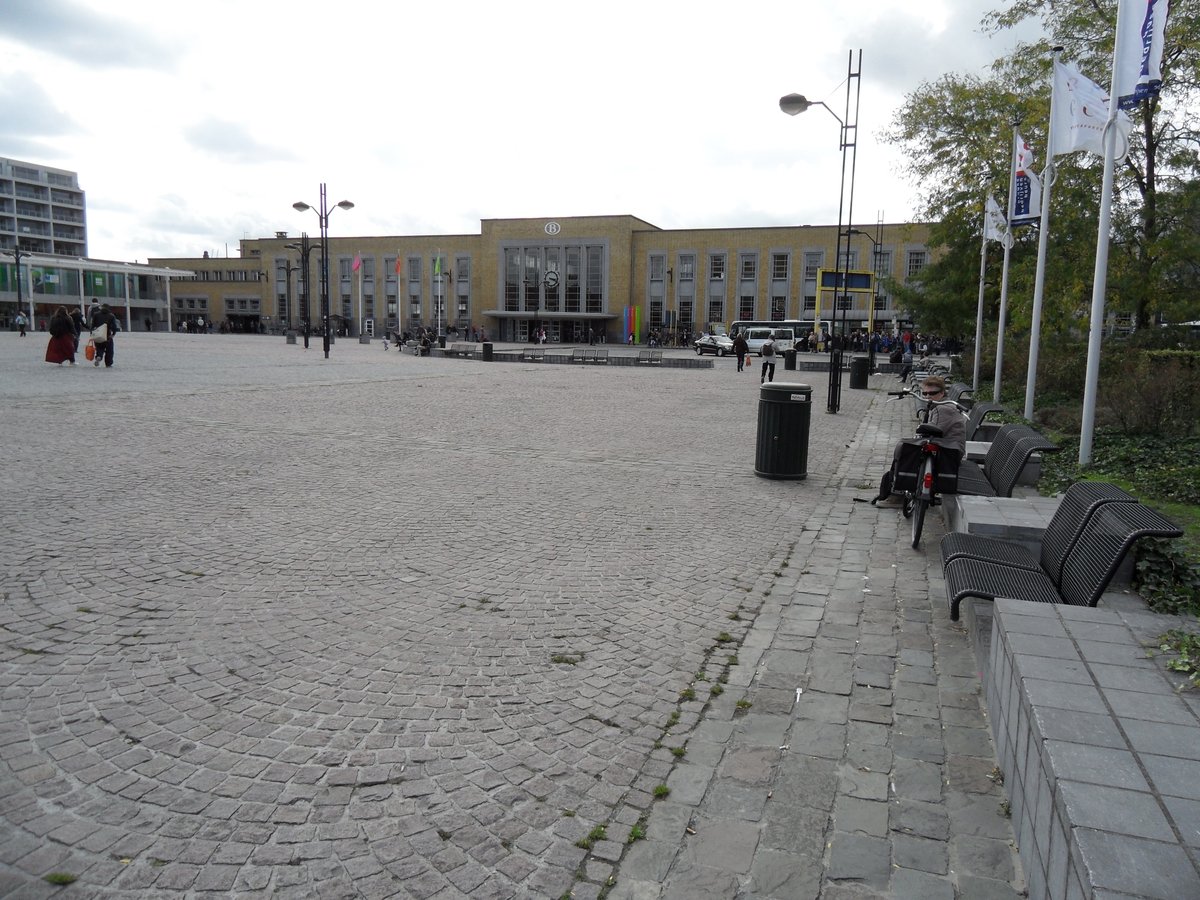
- Public Transport 20-min walk from Bruges Station; bus stops at Markt and Burg Square (The Travel Bunny).
- Accessibility Cobblestones can be difficult for wheelchairs; consult tourist info for accessible routes (Free City Guides).
Dining & Shopping
- Fonteinstraat offers artisan chocolate, lace, and crafts.
- Cafés and bistros serve Belgian specialties (thediscoveriesof.com).
5. Frequently Asked Questions (FAQ)
Q: Is Fonteinstraat free to visit?
A: Yes, it is a public street with 24/7 access and no fees.
Q: When is the best time to visit?
A: Early mornings or evenings for tranquility and photography (Full Suitcase).
Q: Are guided tours available?
A: Yes, many Bruges walking tours include Fonteinstraat (freetoursbyfoot.com).
Q: Is Fonteinstraat accessible for wheelchairs?
A: The cobblestone surface can be challenging; some routes and shops are adapted, but planning ahead is advised.
6. Visiting Fonteinstraat: Cultural Heritage & Local Life
Fonteinstraat’s location near the canals—central to Bruges’ identity—means visitors can experience the historic relationship between water, trade, and community (mundowanderlust.com). The surrounding architecture, from stepped-gable houses to restored facades, tells the story of Bruges’ artistic and commercial legacy (adventurebackpack.com, lonelyplanet.com).
Fonteinstraat is not only about history; it’s a social hub where locals and visitors mingle in cafés, boutiques, and at seasonal events (bigworldsmallpockets.com). The annual Procession of the Holy Blood, recognized as UNESCO Intangible Cultural Heritage, often passes nearby, giving visitors a glimpse of local tradition (brussels-express.eu).
7. Fonteinstraat: Visiting Hours, Accessibility & Experience Guide
Visiting Hours
- Street Open year-round, 24 hours a day.
- Shops/Cafés Typically 10:00–18:00, with extended hours in peak season.
Accessibility
- Cobblestone paving may pose challenges for those with limited mobility.
- Some shops and eateries offer adapted entrances.
Getting Around
- Walking Recommended for the best experience.
- Cycling Allowed, but caution is needed due to pedestrians.
- Public Transport Short walk from central bus stops and train station.
Practical Tips
- Visit midweek and outside midday hours for fewer crowds (The Travel Tinker).
- Support local artisans by purchasing handmade lace or chocolates.
- Dress modestly and respect local customs during festivals or religious events.
8. Summary Table: Fonteinstraat at a Glance
| Feature | Details |
|---|---|
| Location | Historic center, near Markt and Burg Square |
| Length | ~150 meters |
| Architectural Style | Flemish Gothic, Renaissance, 19th-century facades |
| Atmosphere | Quiet, residential, authentic |
| Accessibility | Pedestrian-friendly; cobbled, limited wheelchair access |
| Nearby Attractions | Belfry, Markt, Burg Square, canals, Groeningemuseum, Beguinage |
| Visiting Hours | Open 24/7, no tickets required |
| Best Time to Visit | Early morning or evening |
| Safety | Very safe, well-lit, low traffic |