Historical Background and Urban Development
Medieval Roots
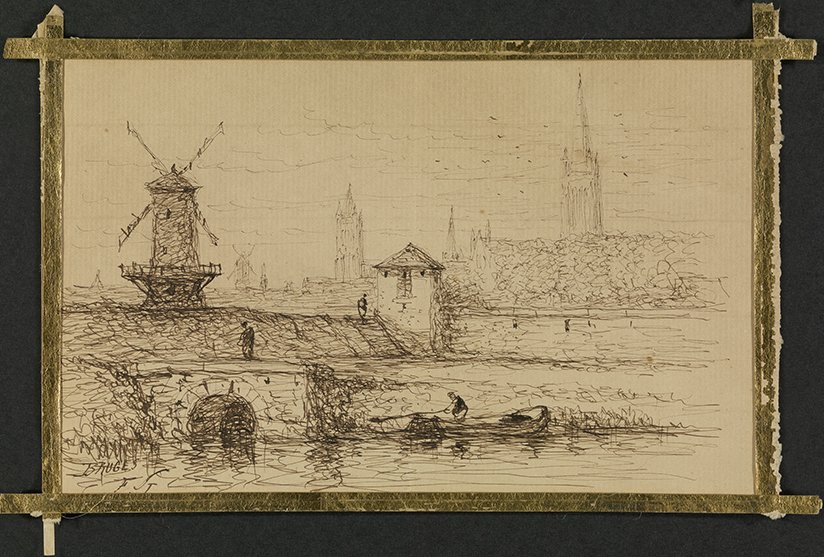
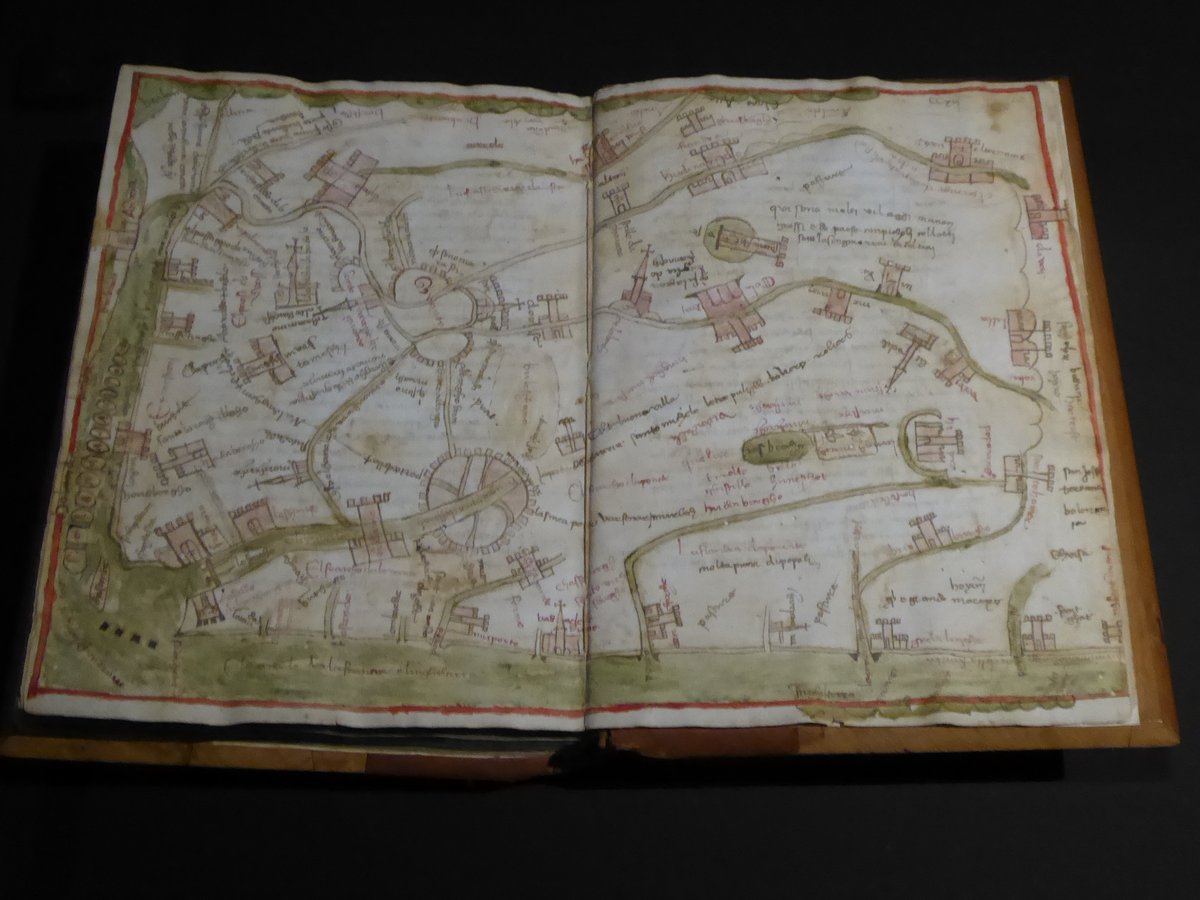
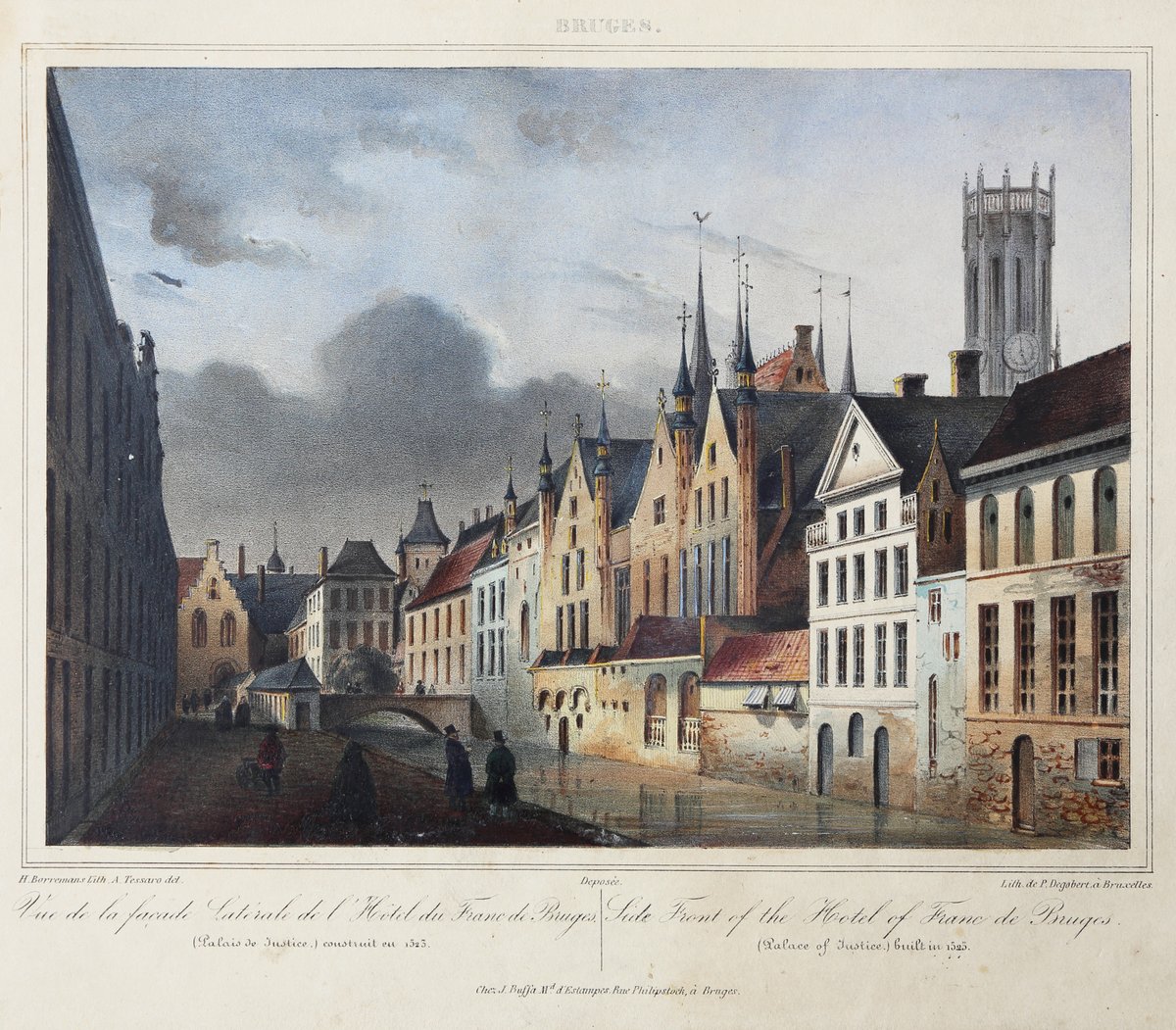
Bruges’ city charter, granted in 1128, marked the beginning of its distinctive medieval layout, shaped by concentric canals, fortified walls, and winding streets designed for commerce and defense (Wikipedia). James Wealestraat was integrated into this network, reflecting the city’s strategic planning and vibrant economic life during its Hanseatic League heyday (Spotting History).
Economic and Social Lifeblood
During the 13th to 15th centuries, Bruges prospered as a major trading center, attracting merchants, artisans, and artists from across Europe. The Zwin tidal inlet connected Bruges to the North Sea, fostering economic diversity and international exchange (Mundo Wanderlust). James Wealestraat’s residential and artisanal character was shaped by this era, and its relatively unchanged appearance is thanks to the city’s slow industrial development, which preserved much of Bruges’ medieval fabric (Creativity’s UK).
Architectural Character
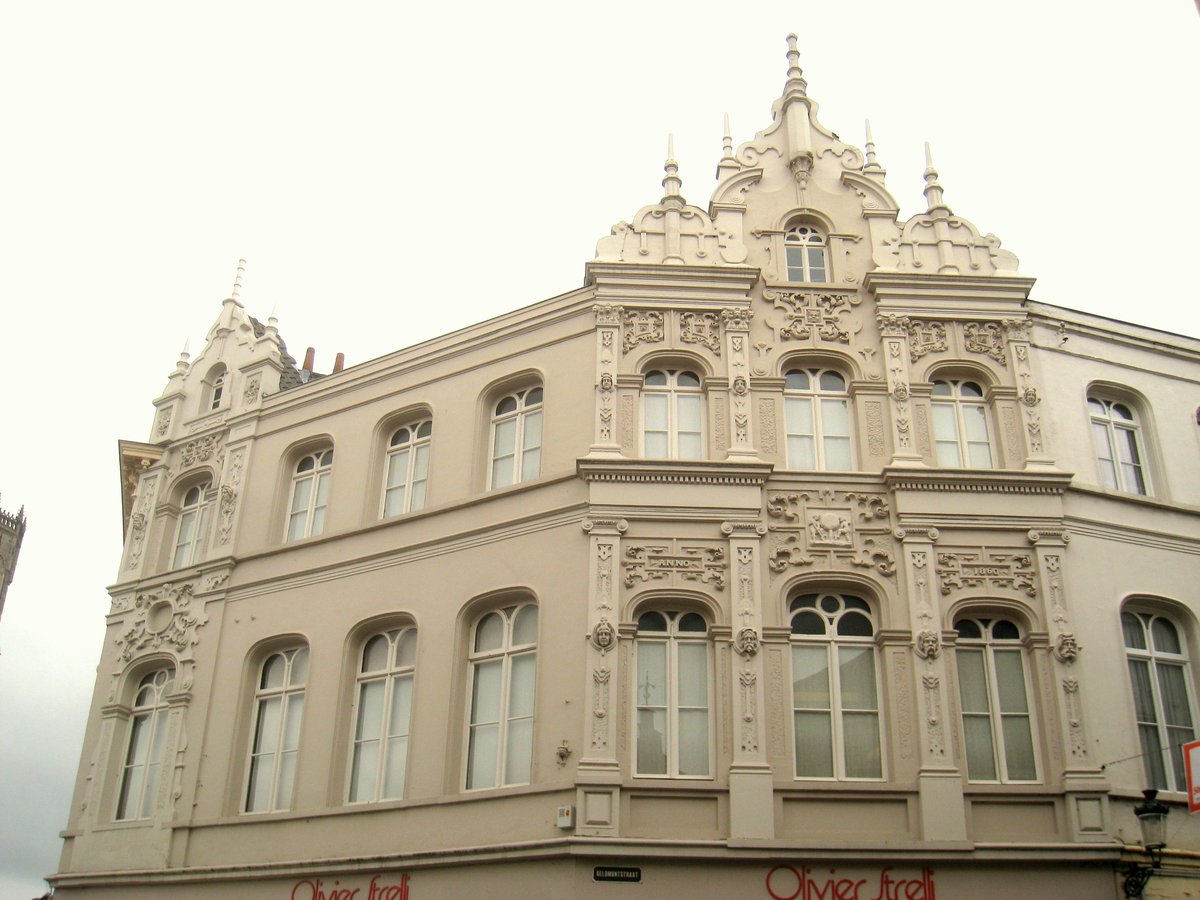
James Wealestraat is distinguished by its well-preserved Gothic and Renaissance brick façades, stepped gables, and human-scale design—features emblematic of Bruges’ medieval and early modern architecture (Adventure Backpack). The street’s harmonious integration with the surrounding UNESCO-listed center is the result of deliberate preservation efforts in the 19th and 20th centuries, including urban renewal projects focused on restoring houses, cleaning canals, and enhancing green spaces (Visit Bruges).
Cultural and Artistic Significance
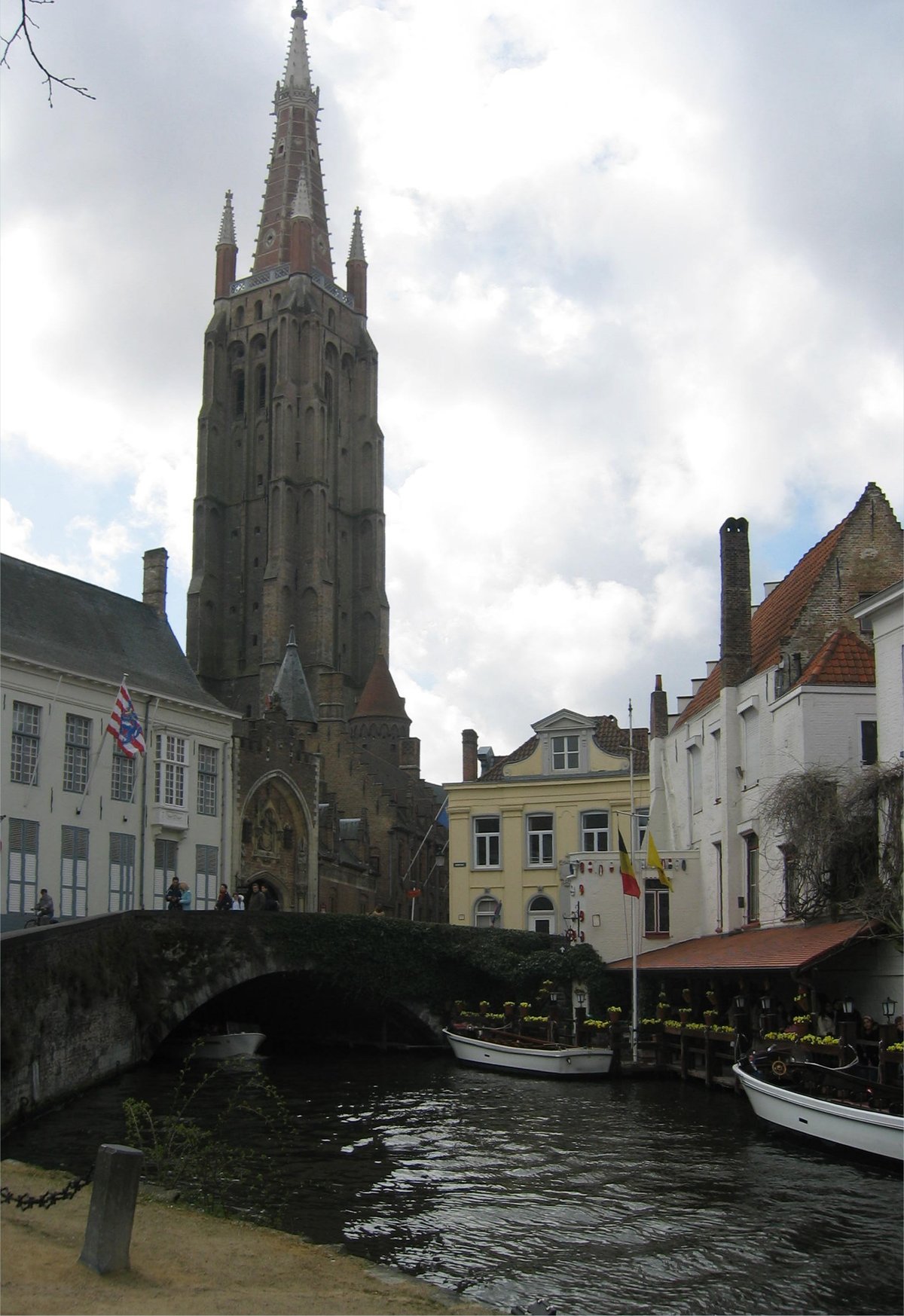
James Wealestraat’s location near landmarks such as the Church of Our Lady, the Beguinage, and the Groeningemuseum places it at the crossroads of Bruges’ spiritual, artistic, and everyday life (Visit Bruges Sights). In the 15th century, this area was home to patrons and artists, including those of the famed Flemish Primitives like Jan van Eyck and Hans Memling (Spotting History). Today, the street’s peaceful ambiance and enduring residential function embody the city’s blend of heritage and living tradition.
Visitor Information
Hours and Tickets
- Visiting Hours Open 24/7 (as a public street)
- Tickets No tickets or entrance fees required
Accessibility
- Foot and Bicycle Easily accessible from the city center and nearby squares; pleasant for walking and cycling (Visit Bruges).
- Public Transport Nearby bus stops connect the area with the rest of Bruges.
- Car Parking is limited and mostly reserved for residents. Use park-and-ride facilities or rent a garage nearby (Immovlan).
- Mobility The street’s cobbled surface is generally manageable, but some sections may be uneven. Wheelchair and stroller users should exercise caution.
Atmosphere
James Wealestraat is primarily residential, offering a quiet retreat from tourist crowds. Modern townhouses blend with historic cityscapes, and the tranquility is enhanced by local community life. Visitors are encouraged to maintain a respectful demeanor and keep noise levels low.
Nearby Attractions
- Church of Our Lady (Onze-Lieve-Vrouwekerk) Houses Michelangelo’s Madonna and Child sculpture; a must-see Gothic landmark (Visit Bruges).
- Groeningemuseum Features masterpieces by Flemish Primitive painters (Euroviajar).
- Beguinage A peaceful, historic convent complex.
- Grote Markt and Burg Square The civic heart of Bruges, with the Belfry and Town Hall.
- Bruges Canals Take a boat tour or stroll along the banks for iconic views (Mundo Wanderlust).
Practical Travel Tips
- Best Times to Visit Late spring and early autumn offer mild weather and fewer crowds (Free Tours by Foot; Living Nomads).
- Footwear Wear comfortable shoes suitable for cobblestones.
- Photography Early morning or golden hour provides optimal light for capturing architectural details.
- Etiquette Respect residents’ privacy; greet locals politely and avoid loud noises in the evenings.
- Accommodations Boutique hotels and guesthouses nearby provide peaceful stays within easy reach of main attractions (Backpacking Bella).
- Dining Enjoy local specialties in nearby cafes and restaurants—Belgian waffles, chocolate, and regional beers (I Travel For The Stars).
Events and Community Life
While James Wealestraat does not host major events, the Sint-Gillis district is known for neighborhood gatherings and seasonal celebrations that offer authentic glimpses into Bruges’ local culture. For information on citywide events like the Procession of the Holy Blood or open-air concerts, consult the Visit Bruges Events Calendar.
Frequently Asked Questions (FAQs)
Q: Are there entrance fees or tickets required to visit James Wealestraat?
A: No, James Wealestraat is a public street open to all visitors free of charge.
Q: What are the best times to visit James Wealestraat?
A: Early mornings or late afternoons allow you to enjoy the street’s charm and tranquility.
Q: Is James Wealestraat wheelchair accessible?
A: Generally accessible, though some cobblestone sections may be uneven. Use caution.
Q: Are guided tours available?
A: While there are no tours specific to James Wealestraat, many city walking tours pass through or nearby.
Q: Which historical sites are near James Wealestraat?
A: The Church of Our Lady, Groeningemuseum, Beguinage, and the main squares are all within walking distance.
Summary and Final Tips
James Wealestraat stands as a peaceful window into Bruges’ authentic daily life and medieval heritage. Its blend of historic architecture, tranquil atmosphere, and central location offer visitors a unique experience away from the busy tourist hotspots (Bruges Day Tours; Wikipedia). With no entrance fees, open access year-round, and proximity to the city’s famed landmarks, it is ideal for travelers seeking both history and serenity (Adventure Backpack; Visit Bruges; Spotting History; Full Suitcase).
For a deeper understanding of Bruges’ culture and history, consider joining a guided walking tour or downloading the Audiala app for self-guided audio experiences. Embrace the quiet charm of James Wealestraat and let it be your starting point for discovering the captivating medieval landscape of Bruges (Visit Bruges).