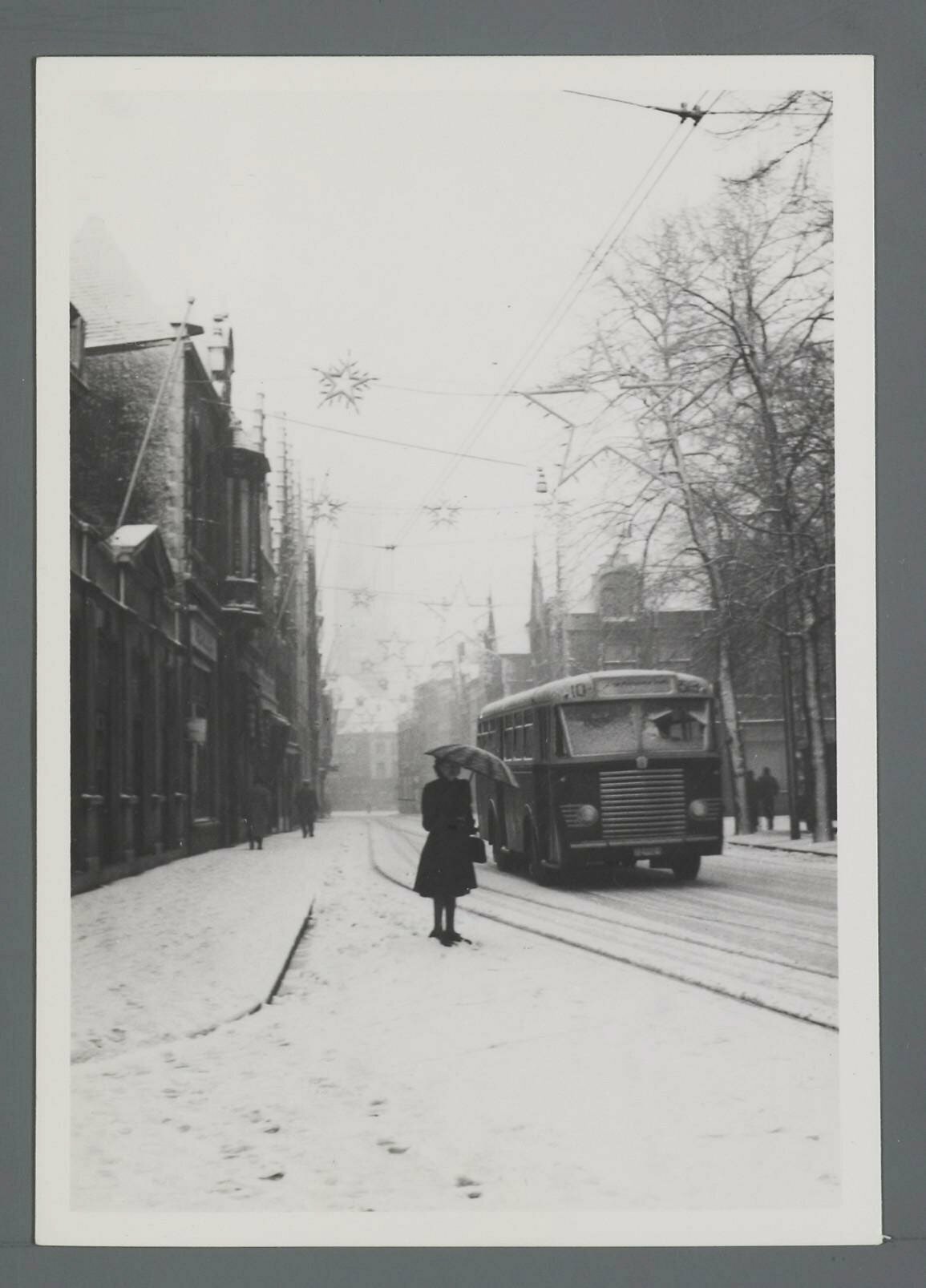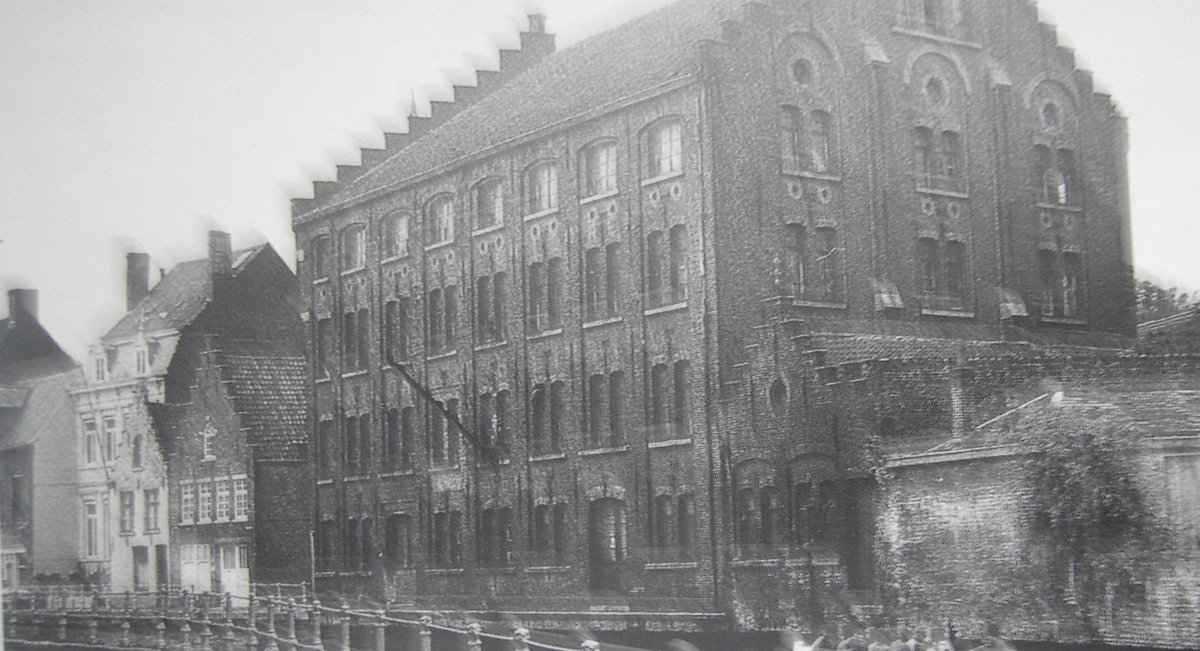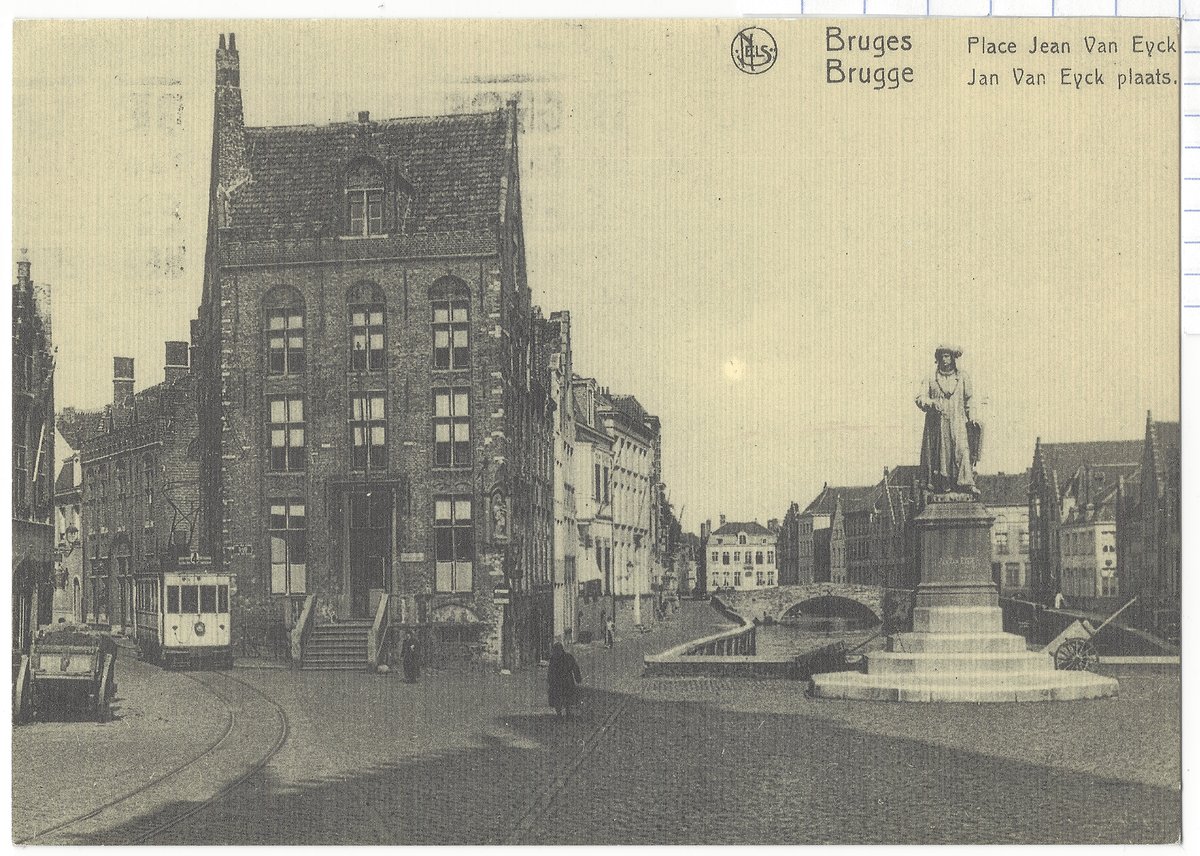

Medieval Origins and the Rise of Bruges
Bruges, situated in Belgium's Flanders region, traces its roots to the Roman era. Its name likely derives from the Old Norse “Bryggja,” meaning “harbor,” reflecting its early maritime role (Bruges Day Tours). By the 9th century, Bruges was fortified against Viking invasions and flourished as a trading hub. The city’s Golden Age spanned the 12th to 15th centuries, marked by a booming cloth industry and the creation of the world’s first stock exchange in 1309 (iTravelForTheStars). Merchants from across Europe contributed to Bruges’ enduring architectural legacy.
The Burgundian Influence and Cultural Flourishing
With its inclusion in the Burgundian Netherlands in the late 14th century, Bruges became a cosmopolitan center of wealth and the arts. The Burgundian era attracted master painters such as Jan van Eyck and Hans Memling, whose works are showcased in local museums (Visit Bruges, Go Travel Daily). The Belfry, Church of Our Lady, and Market Square were all shaped by this period of prosperity (World of Wanderlust).
Decline, Preservation, and Revival
Bruges’ decline began in the late 15th century as the Zwin estuary silted, reducing sea access and trade. This economic stagnation, however, preserved much of the medieval streetscape (Bruges Day Tours). In the 19th century, Bruges’ romanticized medieval character attracted artists and travelers, spurring restoration efforts. Today, Bruges is a UNESCO World Heritage Site for its exceptional urban fabric (UNESCO).
Genthof’s Urban and Architectural Significance
Genthof—translating to “Ghent Courtyard”—reflects Bruges’ historic connections with other Flemish cities. The street is lined with 17th- and 18th-century Flemish houses, stepped gables, and cobblestone paving (RentByOwner). The highlight is Genthof 7, a rare surviving medieval wooden façade, providing a direct link to the city’s architectural past (evendo.com).
Preservation efforts ensure that Genthof’s historical character is maintained, allowing visitors to experience a “living museum” atmosphere. The area’s urban layout, with its narrow lanes and proximity to scenic canals, has changed little over centuries (freewalkingtour.com).
Visiting Genthof: Hours, Tickets, and Travel Tips
Visiting Hours & Tickets
-
Genthof and Genthof 7
- Public street open 24/7 for exterior viewing.
- No entry fee or tickets required to admire the façade.
- Best visited during daylight (9:00 AM – 7:00 PM) for safety and optimal photography.
-
Major Nearby Attractions
- Groeningemuseum Tue–Sun, 9:30 AM–5 PM; ~€14 (Visit Bruges).
- Belfry of Bruges Daily, 9:30 AM–6 PM; ~€12 (Holidify).
- Church of Our Lady Daily, 9 AM–5 PM (sculpture access fee applies).
Travel Tips
- Best Time to Visit Late spring (May–June) and early autumn (September–October) offer mild weather and fewer crowds (thetraveltinker.com).
- Arriving Bruges is easily reached by train from Brussels and other Belgian cities. Genthof is a 10–15 minute walk from the station or central Markt.
- Accessibility Cobblestone streets may be uneven; comfortable footwear is recommended. Bruges supports accessibility with resources and facilities (Accessibility Visit Bruges).
Notable Nearby Landmarks and Experiences
- Jan van Eyck Square Once a major commercial port, now a scenic square with merchant houses and a statue of the renowned painter (Go Travel Daily).
- Groenerei Canal The “Green Canal” offers idyllic boat tours and great photography spots (World of Wanderlust).
- Market Square & Belfry The city’s vibrant heart with panoramic tower views (Holidify).
Accessibility, Amenities, and Travel Logistics
Getting There
- Walking Genthof is within Bruges’ pedestrian-friendly center. From Markt, walk south on Breidelstraat, right onto Genthof.
- Public Transport Buses 1 or 4 from the train station stop at Markt.
- Cycling Bike rentals are available for exploring the city (Visit Bruges).
Accommodation
- Nearby Options Huswell - Genthof Room 1 (RentByOwner), Butterfly Bed & Breakfast at 43 Genthof (Butterfly B&B), and boutique hotels in historic buildings (Backpacking Bella).
Food and Drink
- Local Eats Belgian waffles, pralines, and local beers are available at canal-side cafés and restaurants (Full Suitcase).
Cultural Insights and Local Experiences
- Living Heritage Genthof exemplifies Bruges’ reputation as a “city frozen in time,” with a tranquil ambiance and preserved urban landscape (Creativitys.uk).
- Shopping Independent boutiques and chocolatiers abound.
- Festivals Markets, fairs, and seasonal events are held in the city center (Get Lost in Wanderlust).
- Local Etiquette Genthof 7 is a private residence; please respect residents’ privacy.
Sample Itinerary
- Start at Markt Square – See the Belfry and bustling market scene.
- Stroll to Genthof – Admire canal views and the wooden façade of Genthof 7.
- Explore Side Streets – Discover artisan shops and quiet cafés.
- Visit Burg Square – Basilica of the Holy Blood and City Hall.
- Canal Tour – Experience Bruges from the water (GetYourGuide).
- Evening Walks – Enjoy illuminated canals and historic facades.
Frequently Asked Questions (FAQ)
Q: Is there an entry fee for Genthof or Genthof 7?
A: No. Both are public areas; viewing is free and available at all times.
Q: Are there guided tours for Genthof?
A: Many city walking tours and boat excursions include Genthof as a highlight (evendo.com).
Q: Is Genthof accessible for visitors with mobility issues?
A: Cobblestones may be uneven but main routes are manageable. Accessible facilities are available at tourist offices (Accessibility Visit Bruges).
Q: What are the best photography times?
A: Early morning or late afternoon for optimal lighting and peaceful streets.
Q: What are nearby must-see attractions?
A: The Belfry, Basilica of the Holy Blood, Groeningemuseum, and canal-side walks.
Essential Travel Tips
- Footwear Wear sturdy shoes for cobblestone streets.
- Weather Pack for variable weather; rain is common.
- Language Dutch is primary, but English and French are widely spoken (Happy to Wander).
- Safety Bruges is very safe; watch for pickpockets during peak times (Lonely Planet).
- Stay Overnight Enjoy quieter evenings after day-trippers leave (Full Suitcase).