Historical Context and Urban Development
Medieval Origins
Bruges originated as a fortified settlement in the 9th century, growing into a major trading hub by the 12th and 13th centuries thanks to its canal connections to the North Sea (iha.news). Biezenstraat developed as part of this medieval urban fabric, serving as a residential and commercial artery. The street’s name, derived from the Dutch “biezen” (rushes or reeds), reflects the marshy landscape and Bruges’ relationship with its waterways (momentslog.com).
Place in Bruges’ Urban Fabric
Unlike the bustling Markt or Burg squares, Biezenstraat offers an intimate, peaceful glimpse into Flemish daily life. It historically marked boundaries between the commercial core and artisanal neighborhoods, playing a vital role in connecting communities and facilitating trade (Big World Small Pockets).
Architectural Heritage and Street Character
Streetscape and Styles
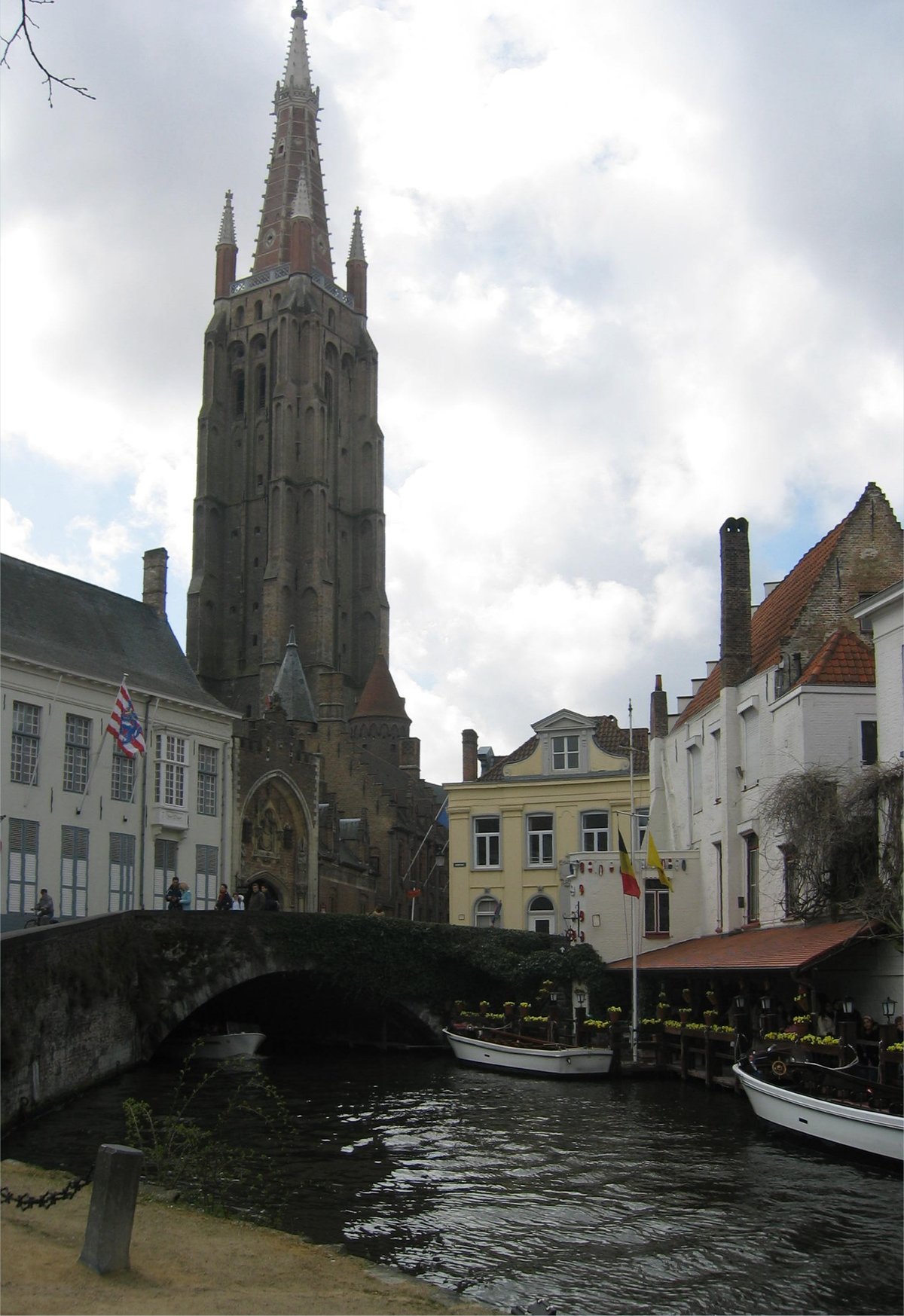
Biezenstraat’s narrow, winding layout and cobblestone paving are classic features of Bruges’ medieval planning (visitbruges.be). The street is lined with well-preserved townhouses, many dating from the late Middle Ages to the 19th century. Typical architectural elements include:
- Stepped gables and red brick façades
- Gothic and Neo-Gothic features such as pointed arches and ornate stonework
- Flemish bond brickwork and decorative lintels
- Narrow façades, reflecting historical property divisions
Behind many buildings are hidden courtyards and gardens, a nod to Bruges’ tradition of integrating green spaces within the urban environment. The street’s alignment and building heights are regulated to preserve historic sightlines and the city’s iconic skyline (creativitys.uk).
Integration with Canals
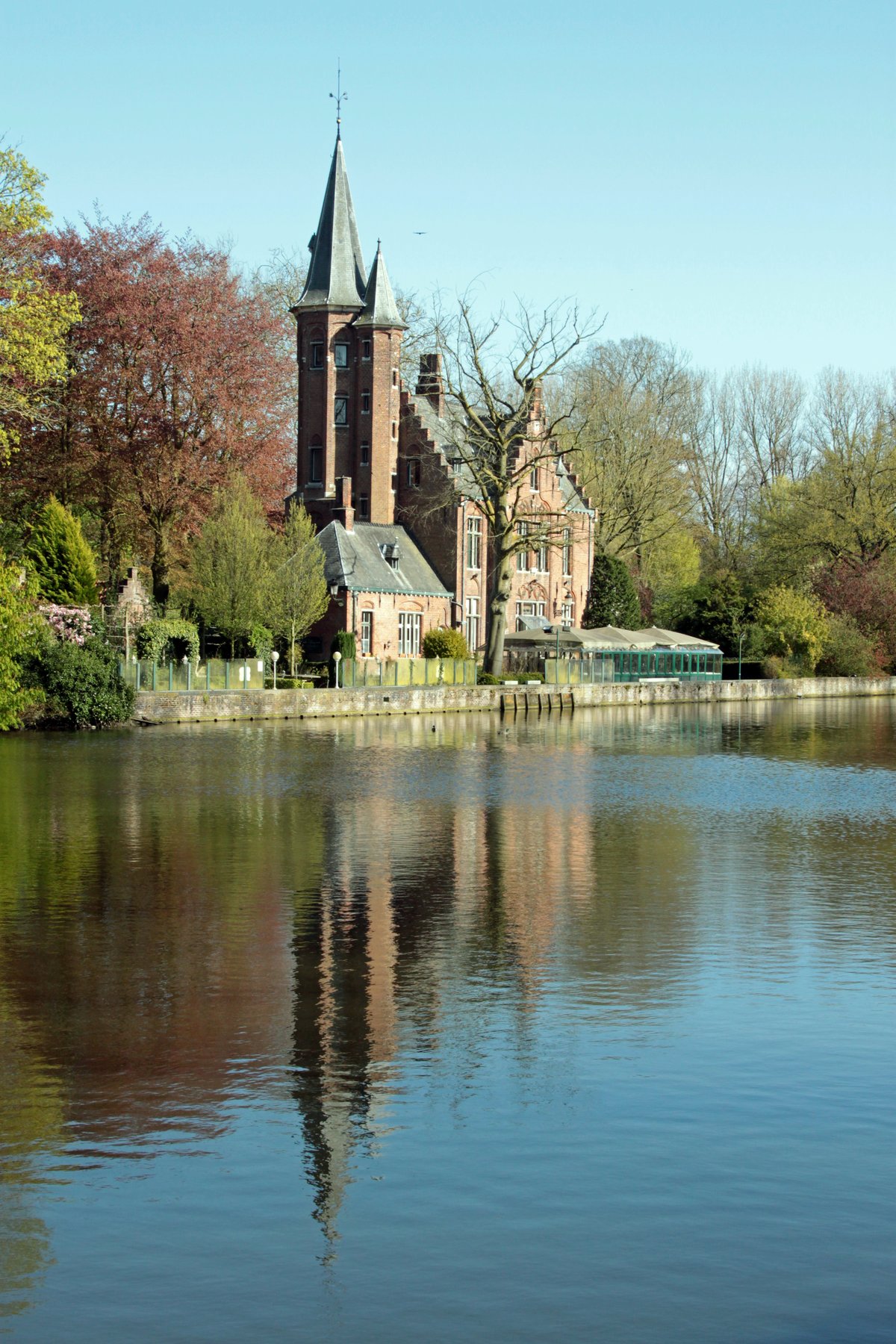
Biezenstraat runs parallel to several minor waterways, reinforcing Bruges’ reputation as the “Venice of the North.” Canal-side houses often feature larger windows and balconies, designed to maximize light and views over the water (touristsecrets.com).
Community and Local Life
Primarily residential, Biezenstraat exudes a quiet, authentic atmosphere that contrasts with Bruges’ tourist-heavy districts. Many homes remain occupied by locals, and the area retains a strong sense of community (nomadicmatt.com). The street is also closely linked to Bruges’ artistic heritage, with nearby museums such as the Groeningemuseum and artisan shops preserving centuries-old crafts (medievalchronicles.com).
Practical Visitor Information
Visiting Hours and Tickets
- Biezenstraat is a public street open 24/7—no entry fees or tickets are required.
- Nearby attractions (e.g., Belfry of Bruges, Groeningemuseum, Church of Our Lady) have set hours and admission fees. For example, the Belfry is typically open from 9:30 AM to 6:00 PM, with adult tickets around €14.
- Always check official websites or visitor centers for current opening times and ticket prices, especially during events or holidays.
Accessibility
- The cobblestone surfaces and narrow passages can pose difficulties for wheelchair users and those with mobility challenges.
- Nearby attractions and public transport options often have accessibility features (Visit Bruges Accessibility Guide).
- Plan ahead and contact local tourism offices for personalized assistance if needed.
Getting Around
- Biezenstraat is best explored on foot or by bicycle (Wonderful Wanderings).
- It’s a 10–15-minute walk from Bruges’ main train station or a short bus ride. Driving is discouraged due to limited parking and pedestrianized zones (Find Love and Travel).
- Cycling is popular on most streets; be alert to pedestrians and other cyclists.
Guided Tours
- Many walking tours include Biezenstraat as a stop, focusing on hidden gems and historical insights.
- Tour prices and schedules vary; booking ahead is recommended for popular tours, especially in peak seasons (Big World Small Pockets).
Weather and Packing Tips
- Belgian weather is unpredictable; pack a light rain jacket or umbrella and wear comfortable walking shoes suitable for cobblestones.
- Spring and autumn are pleasant, with fewer crowds and mild temperatures (Get Lost in Wanderlust).
Local Etiquette and Amenities
- Bruges is very safe; locals are friendly but appreciate quiet, especially in residential streets like Biezenstraat (Solo Sophie).
- Amenities such as cafés, bakeries, and public restrooms are available within a short walk, especially around Jan van Eyck Square and Langestraat (Lonely Planet).
Nearby Attractions and Experiences
- Belfry of Bruges Medieval bell tower with panoramic city views.
- Markt and Burg Squares Lively historic centers with cafés and shops.
- Groeningemuseum Renowned for Flemish Primitive art.
- Church of Our Lady Home to Michelangelo’s Madonna and Child.
- Canal Walks Peaceful strolls along Gouden-Handrei or Sint-Annarei canals (Mundo Wanderlust).
- Jan van Eyck Square Vibrant local hub at the southern end of Biezenstraat.
Frequently Asked Questions (FAQ)
Q: Are there any entrance fees or tickets for Biezenstraat?
A: No. Biezenstraat is a public street, open 24/7 and free to visit.
Q: What are the best times to visit Biezenstraat?
A: Early mornings or late afternoons in spring and autumn offer the best light and the fewest crowds.
Q: Is Biezenstraat wheelchair accessible?
A: The cobblestones and narrowness may pose challenges, but the area is relatively flat. Many nearby attractions and transport facilities are accessible.
Q: Do guided tours cover Biezenstraat?
A: Yes. Many walking tours include Biezenstraat as part of routes showcasing Bruges’ lesser-known neighborhoods and canals.
Q: Where can I find amenities and cafés nearby?
A: Numerous options are a short walk away, especially near Jan van Eyck Square and Langestraat.