
What the Damme Canal Is
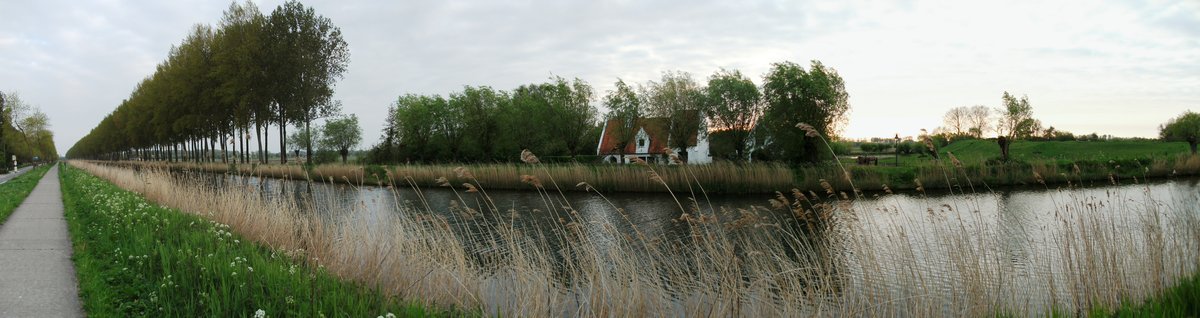
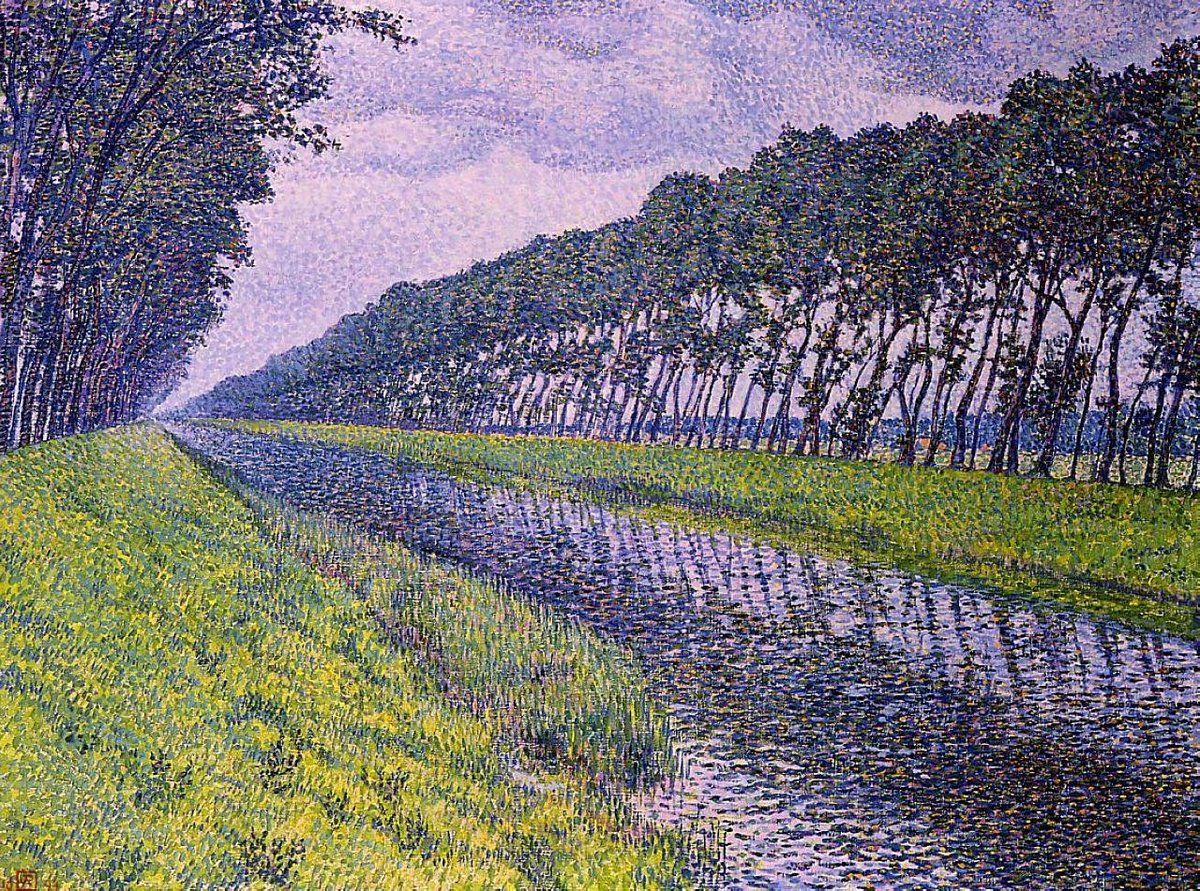
A few kilometers from Bruges, the Damme Canal—also known as the Damme Vaart or Damse Vaart—connects Bruges with the village of Damme. The canal and its poplar-lined banks offer a route through Flanders’ history and countryside, with opportunities for boating, cycling, and walking. Damme, once a medieval port, is now known for its heritage, literary culture, and tranquil scenery.
History
Damme’s Maritime Importance and the Zwin Estuary
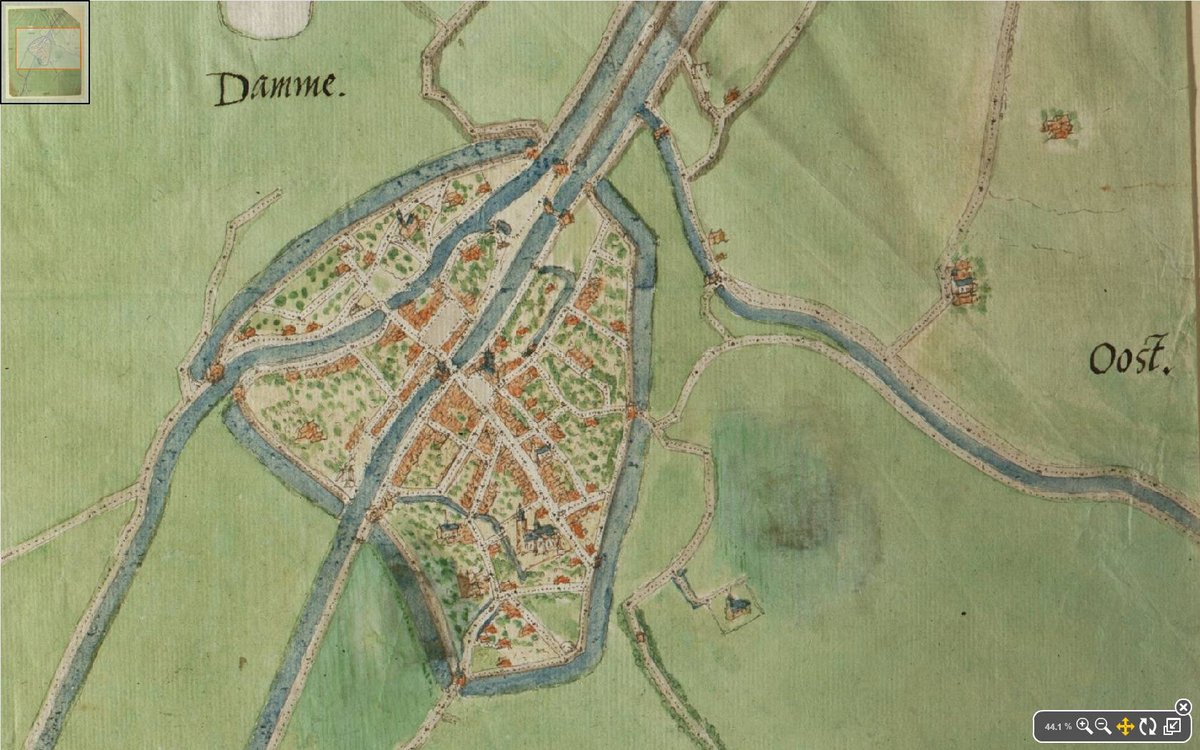
Damme’s fortunes grew from its position along the Zwin estuary, a tidal channel created in 1134 that connected Bruges to the sea. The waterway made Damme a transshipment port, where goods from ocean-going ships were moved to smaller vessels bound for Bruges. Damme received city rights in 1180 and held staple rights on major imports, becoming closely linked to Bruges’ rise as a medieval European commercial center.
Decline and Changing Trade Routes
Silting of the Zwin estuary from the late 13th century reduced Damme’s direct access to the sea and gradually diminished its port activity. The town hall was built in 1464–1468, and in 1468 Damme hosted the marriage of Charles the Bold and Margaret of York. By the 16th century, the town had become a quiet agricultural center, though its historic architecture survived.
Fortifications and the Napoleonic Canal
Damme’s strategic border location led to fortifications during the Eighty Years’ War and the War of the Spanish Succession. Medieval ramparts were replaced by a star-shaped Vauban fortress; Fort van Beieren is a notable remnant.
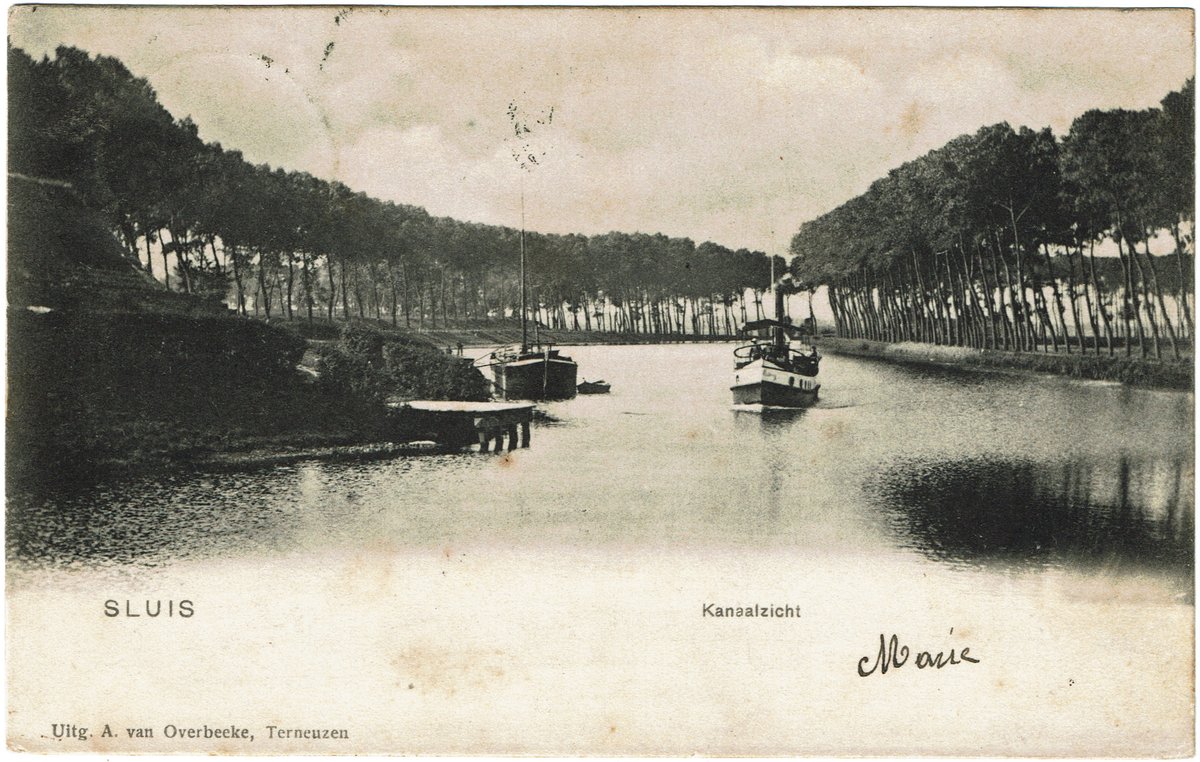
Napoleon Bonaparte ordered the construction of the Damme Canal in 1811 to connect Bruges with the Western Scheldt at Sluis, supporting military logistics and helping bypass British naval threats. Work stopped after Napoleon’s defeat, and the canal was completed in 1856. Its straight, poplar-lined banks reflect 19th-century engineering, including siphon structures that allow waterways to overlap.
Modern Damme
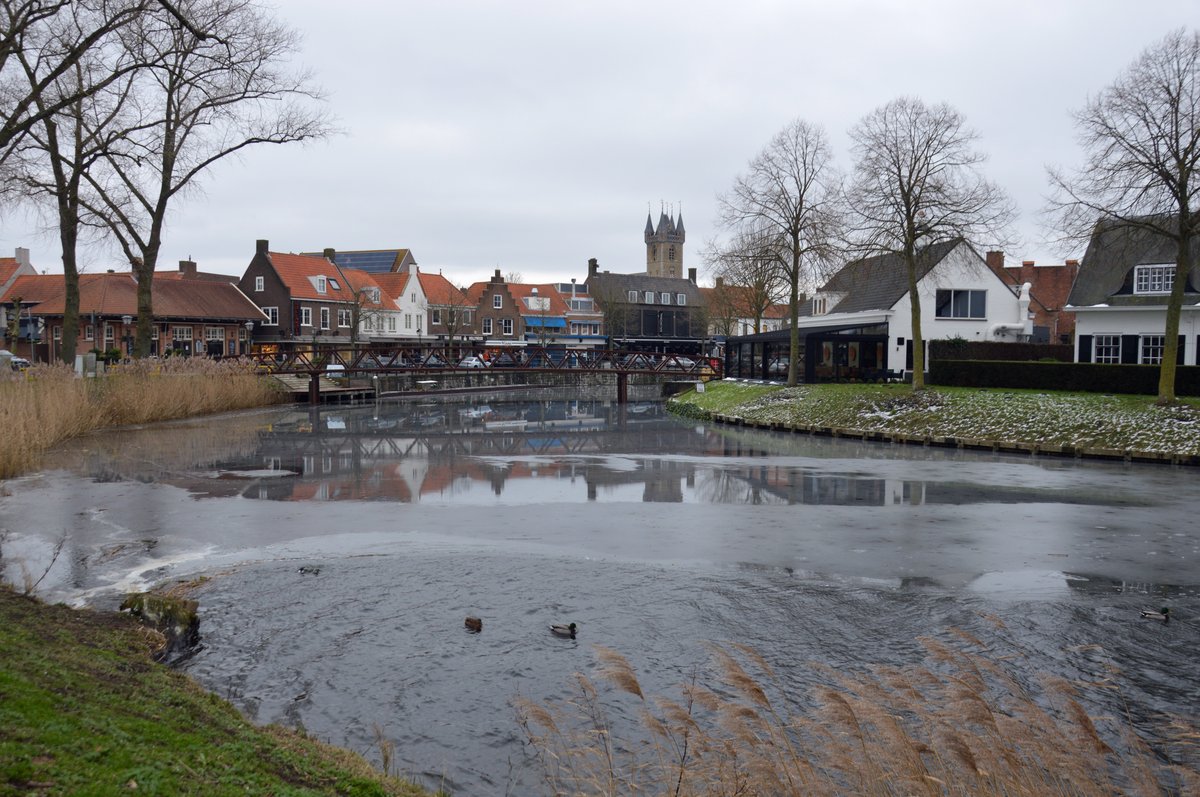
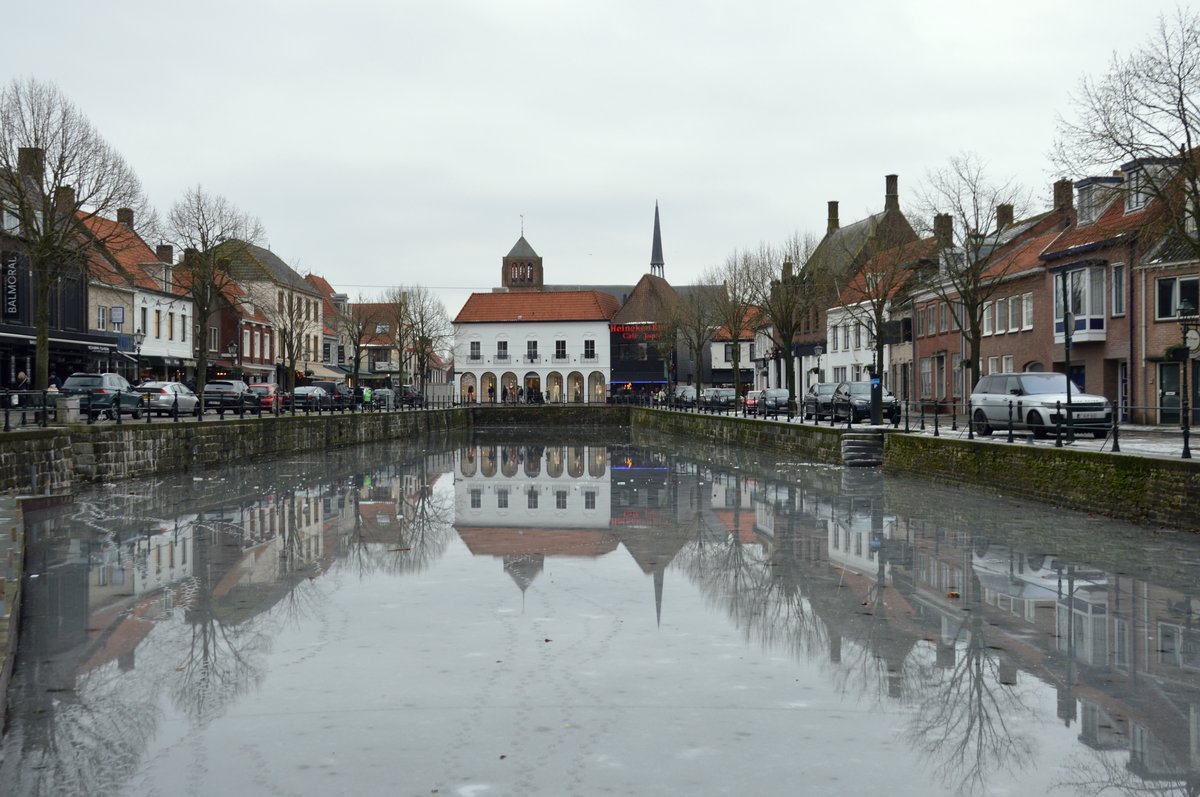
After wartime damage in the 20th century, the canal was repurposed for recreation and tourism. Its banks are now used by walkers, cyclists, and boaters. Damme has become a “Book Town,” known for bookstores, literary events, and festivals. The Church of Our Lady, Town Hall, and statue of Jacob van Maerlant are among the landmarks that preserve the town’s medieval character.
What to See and Do
Historic Sites in Damme
- Damme Town Hall (Stadhuis) Explore its Gothic interiors and period features.
- Church of Our Lady (Onze-Lieve-Vrouwekerk) Climb the bell tower for panoramic views.
- Fort van Beieren Walk the tree-shaded paths along the star-shaped Vauban fortifications.
- Schellemolen This windmill is typically open on weekends from 1:00–5:00 PM, June–September; a small admission fee applies.
- Medieval streets and bookshops Wander the cobbled lanes, visit Damme’s bookshops, and look out for literary events held year-round.
Canal Cruises
The paddle steamer Lamme Goedzak runs between Bruges and Damme. The journey takes 20–35 minutes, and an onboard bar is available. The canal corridor is also popular for photography and birdwatching: swans, ducks, and storks nest there in spring and summer, while seasonal changes bring wildflowers and autumn colors.
Cycling and Walking
The flat towpath between Bruges and Damme is lined with poplars and covers 6–7 km. The ride is described as about 30 minutes; another estimate is 20–30 minutes each way. You can extend the ride to Sluis, the Dutch border town.
Food and Drink
Cafés and restaurants in Damme serve Flemish specialties, Belgian beer, and regional pastries. Many have views of the canal or town square.
Practical Visiting Information
Opening Hours and Admission
- Damme Town Hall Monday–Friday, 9:00 AM–5:00 PM; closed on public holidays. Free entry.
- Church of Our Lady Daily, 10:00 AM–5:00 PM. Admission is €3; children under 12 enter free.
- Fort van Beieren Weekends and public holidays, 10:00 AM–4:00 PM, April–October. Admission is €5; guided tours are available by arrangement.
- Damme Canal paths Accessible year-round.
- Boat cruises Cruises are listed as operating April–October, with daily departures from 10:00 AM to 6:00 PM. The Lamme Goedzak runs up to four times daily; its Bruges–Damme service is also listed as running four times daily from April–mid-November. Check Official Damme Canal Cruises for current schedules.
Tickets and Guided Tours
Canal cruise tickets cost €15–20 for adults, with discounts for children, seniors, and families. Tickets can be bought online or at the dock. Attraction tickets can be purchased on-site or in advance through Visit Damme; canal cruise tickets are also available at local offices. Guided walking tours are available in several languages and should be booked ahead, especially during peak periods.
Getting There from Bruges
- By bicycle The route is 6–7 km and takes 20–30 minutes each way. Bike shops provide maps, helmets, and locks. Rentals are available in Bruges and Damme; they are widely available in Bruges, and booking ahead during peak season is suggested (The Invisible Tourist).
- By boat The Lamme Goedzak connects Bruges and Damme.
- By car The drive is about 15 minutes. Free parking is available at Damme Oost and Damme Zuid; arrive early during holidays (Emma’s Roadmap).
- By bus Damme is described as a 15-minute bus ride from Bruges. Regular buses from Bruges train station reach Damme in about 20 minutes.
Accessibility
Most sites are wheelchair-friendly, though some medieval buildings have limited access. Most towpaths and boats accommodate wheelchairs and strollers. The Visit Bruges accessibility portal provides further information.
Further Information
- Visit Bruges
- Damme Tourism Office
- Lamme Goedzak Steam Wheeler
- Most Beautiful Villages of Flanders, Bruxelles Secrète
- Things to Do in Bruges: A Medieval Town in Belgium – Top Tips, Tourist Secrets
- 15 Best Things to Do in Damme, The Crazy Tourist
- Is Bruges Worth Visiting?, Destination Abroad
- Weekend in Bruges Itinerary: 3-Day Break, The Invisible Tourist
Tips
- Visit in spring or early autumn for mild weather and cultural events, including book fairs and canal festivals.
- Pack a light rain jacket and layered clothing, as Belgian weather is changeable.
- Bring sunscreen, water, and snacks for cycling or walking, as amenities along the canal are limited.
- Share towpaths with other users, keep noise low, and avoid disturbing wildlife.
- The area is family-friendly and safe for solo travelers.
Nearby Places
- Bruges Known for its UNESCO-listed medieval center, belfry, and basilica.
- Zwin Nature Park A short drive from Damme, with opportunities for birdwatching and nature walks.
- Sluis The Dutch border town can be reached by extending a cycle ride from Damme.
Frequently Asked Questions
What are Damme Canal’s visiting hours?
The canal paths are accessible year-round. Cruise and attraction schedules are listed in the practical visiting information above.
Are tickets needed for the canal cruise?
Yes. Tickets are available online, at the dock, or through local offices; booking ahead is advised during peak season.
Is the canal accessible for wheelchairs?
Most towpaths and boats accommodate wheelchairs and strollers, though some historic sites have limited access.
How far is Damme from Bruges by bike or on foot?
The route is 6–7 km (4–4.3 miles); cycling takes about 20–30 minutes.
What are the highlights in Damme?
Highlights include the Town Hall, Church of Our Lady, star-shaped moat, Schellemolen windmill, literary cafés, and bookshops.
For a personalized guide, download the Audiala app and follow us on social media for travel tips, event updates, and inspiration.