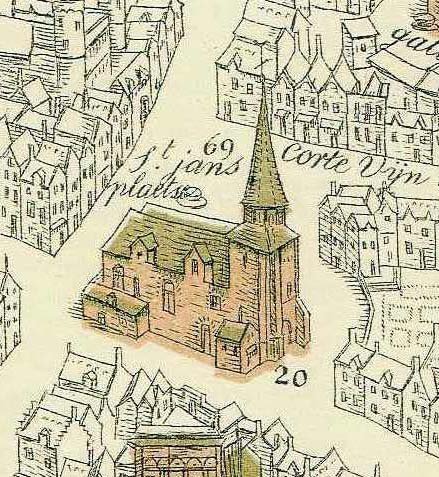
Medieval Foundations and Mission
O.L.V.- Ter Potterie was established in the 1200s by a community of religious sisters dedicated to caring for the city’s most vulnerable. Their mission reflected Bruges’ medieval ethos of Christian charity, providing both medical and spiritual support to the sick, the poor, and travelers. The name “Ter Potterie” is thought to reference local pottery activity, though the hospital’s role was always one of healing and refuge (museumPASSmusées).
Architectural Evolution
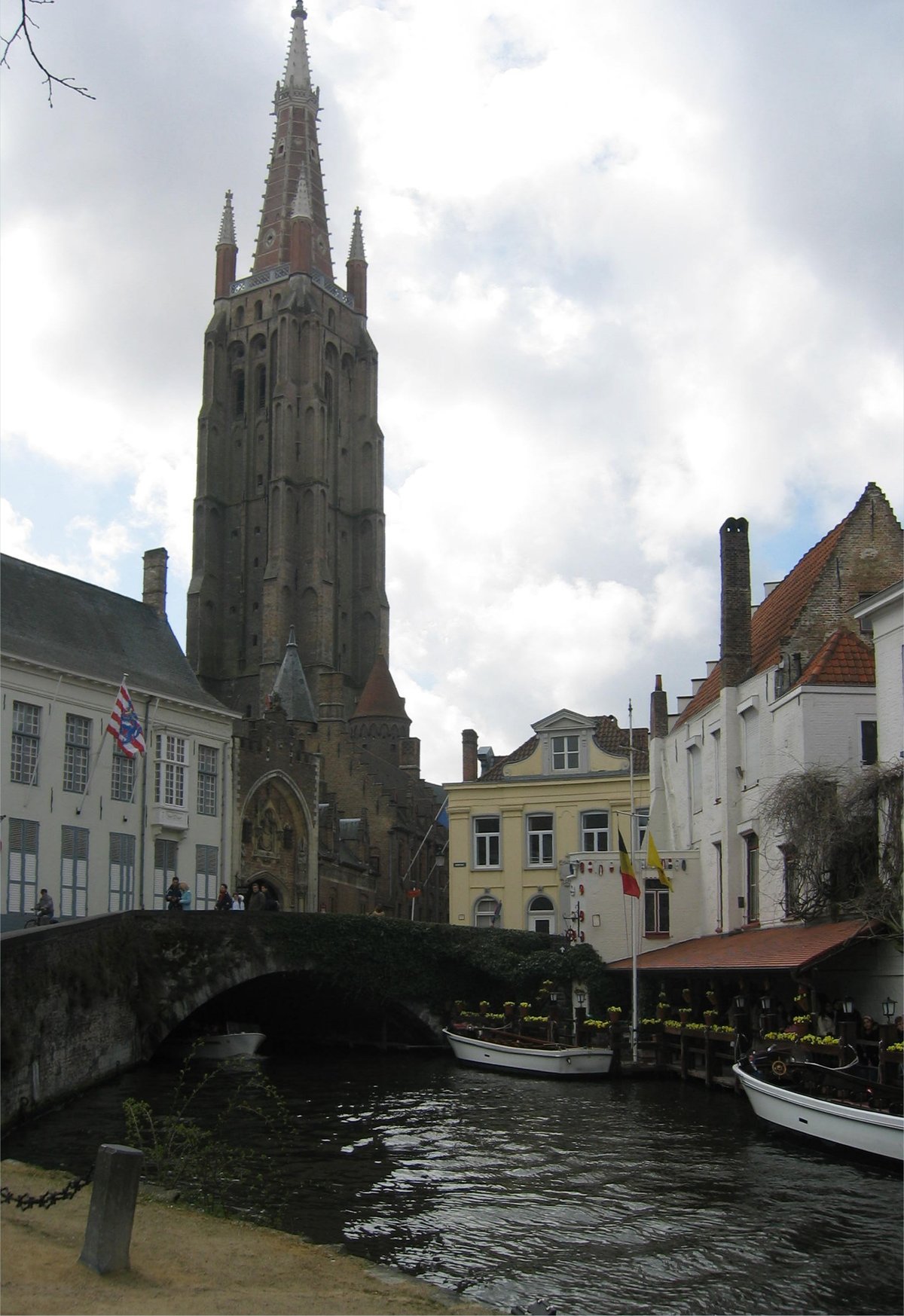
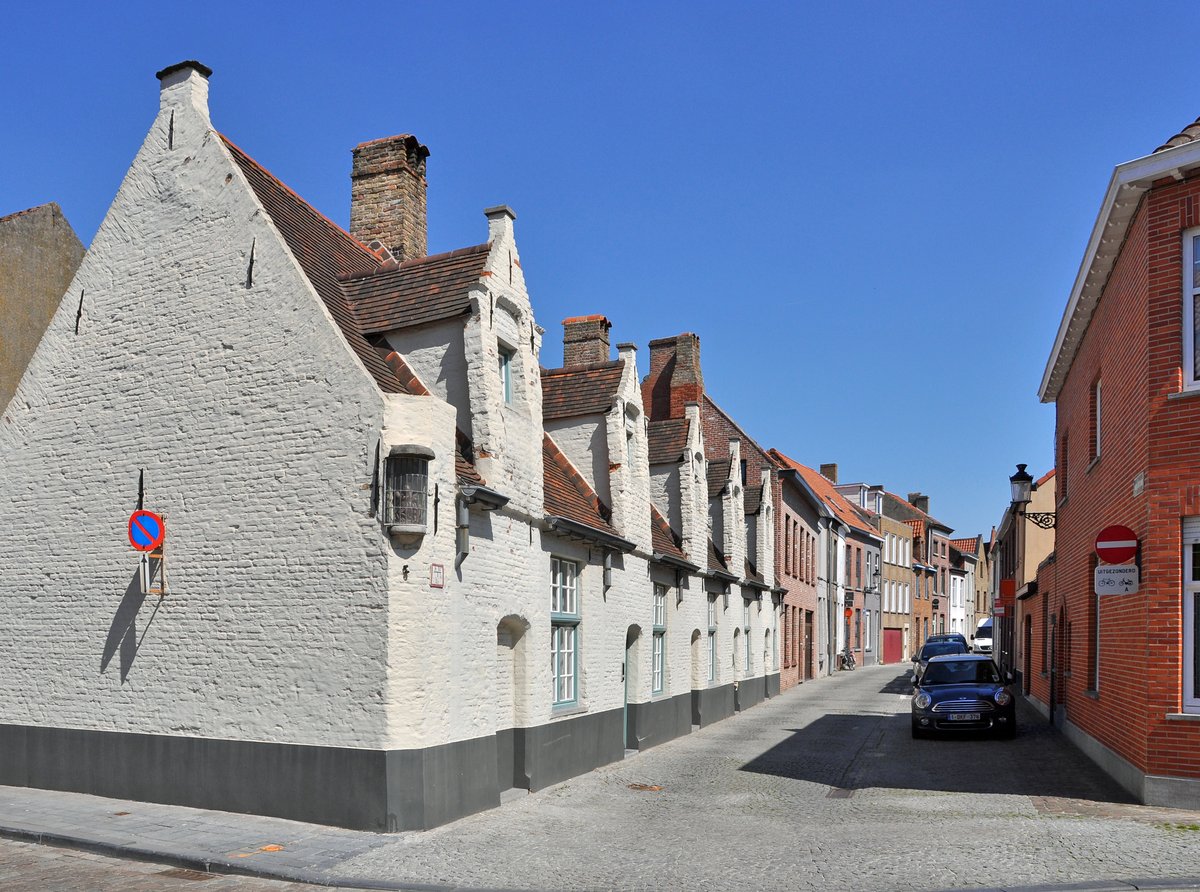
The site evolved over centuries, with its earliest hospital ward now forming the museum’s core. The complex features a 15th-century convent, an impressive Baroque church built between the 17th and 18th centuries, and a central courtyard typical of medieval hospital architecture. The Baroque church, with its ornate altars and stained glass, became a pilgrimage destination thanks to the veneration of the statue of Our Lady of the Pottery (museumPASSmusées).
Social and Cultural Significance
Beyond its role in healthcare, O.L.V.- Ter Potterie was a center of community and faith. The sisters wielded considerable influence, providing leadership in social welfare at a time when such roles for women were rare. The hospital also became a place of pilgrimage, especially for those seeking miracles attributed to the venerated statue of Our Lady of the Pottery.
Highlights of the Museum
The Miraculous Statue of Our Lady of the Pottery
At the heart of the museum is the 13th-century statue of the Virgin Mary, long believed to possess healing powers. The statue’s importance is celebrated in the church’s stained glass, tapestries, and a famed “miracle booklet” chronicling reported cures (museumPASSmusées).
Religious Art and Flemish Masterpieces
The museum’s collection spans centuries and includes:
- Paintings, sculptures, and triptychs from the 14th to 18th centuries
- A silver treasury featuring reliquaries and liturgical objects
- Tapestries and vestments highlighting Bruges’ artistic and religious traditions
The Baroque church is adorned with gilded altars, finely carved woodwork, and vibrant stained glass, creating a spiritual and visual feast (museumPASSmusées).
Hospital Furniture and Medical Artifacts
Original beds, benches, apothecary jars, and surgical tools are displayed in the former wards, offering insight into medieval healthcare practices. A reconstructed pharmacy further illustrates the blending of physical and spiritual care (Musea Brugge).
Visitor Information
Opening Hours
- Tuesday – Sunday 10:00 AM – 5:00 PM (last entry 4:30 PM)
- Closed Mondays and public holidays
- Note Hours may vary during special events or holidays. Confirm on the official website before your visit.
Tickets
- Adults €8
- Seniors (65+) & Students €6
- Youth (13–17) €4
- Children under 13 Free
- Free entry Holders of the Musea Brugge Card or museumPASSmusées
- Where to buy At the entrance or online at the Musea Brugge ticketing platform. Combination tickets with other Bruges museums may be available.
Accessibility
- The museum is generally wheelchair accessible, with ramps and adapted facilities. Some historic areas may be less accessible; contact the museum ahead for details.
- Restrooms and a cloakroom are available.
Getting There
- Address Potterierei 79 B, 8000 Bruges, Belgium
- Public Transport Nearest bus stop: Brugge Jm Sabbestraat (502113). Bruges train station connects via local buses or taxis (Visit Bruges).
- Car Use Langestraat public parking nearby.
- On Foot/Bicycle The museum is within easy walking or cycling distance from Bruges' city center.
Facilities and Digital Guides
- Digital Guide Free MB Explorer guide (access via QR code) offers multilingual information about collections and art.
- Languages English, Dutch, French, and German.
- Photography Non-flash photography for personal use is generally permitted; some restrictions apply in sensitive areas.
Special Events and Guided Tours
- Guided Tours Available by appointment and on weekends, focusing on art, history, and the site’s religious significance.
- Special Events Annual traditions like the Brugse Belofte (Bruges Promise) Procession, held every August 15th, are highlights that tie the museum to the city’s living heritage (Musea Brugge).
Nearby Attractions
- Other Museums St. John’s Hospital Museum, Groeningemuseum, and the Belfry of Bruges (Lonely Planet).
- Local Parks Buurtpark Ter Potterie and scenic canal walks.
- Dining Numerous restaurants and cafés within a short walk toward the center.
FAQ
Q: What are the opening hours?
A: Tuesday–Sunday, 10:00 AM–5:00 PM. Closed Mondays and public holidays.
Q: How much are tickets?
A: €8 (adults), €6 (seniors/students), €4 (youth 13–17), free for children under 13.
Q: Is the museum accessible for wheelchairs?
A: Yes, with some limitations in historic areas. Contact the museum for specifics.
Q: Are guided tours available?
A: Yes, by appointment and on weekends.
Q: Can I take photos?
A: Non-flash photography for personal use is generally permitted; check for restrictions.
Q: How long should I plan for my visit?
A: Allocate 1–1.5 hours for a full experience.
Planning Your Visit
- Recommended Time Mornings or late afternoons for a quieter atmosphere.
- Best for Art lovers, history enthusiasts, families, and anyone seeking a meaningful cultural experience.
- Tips Check for combination tickets, use the digital guide for deeper insights, and consider timing your visit with special events for an added dimension.
For the most current details, always consult the Musea Brugge official website or Visit Bruges.