Medieval Foundations and Urban Expansion
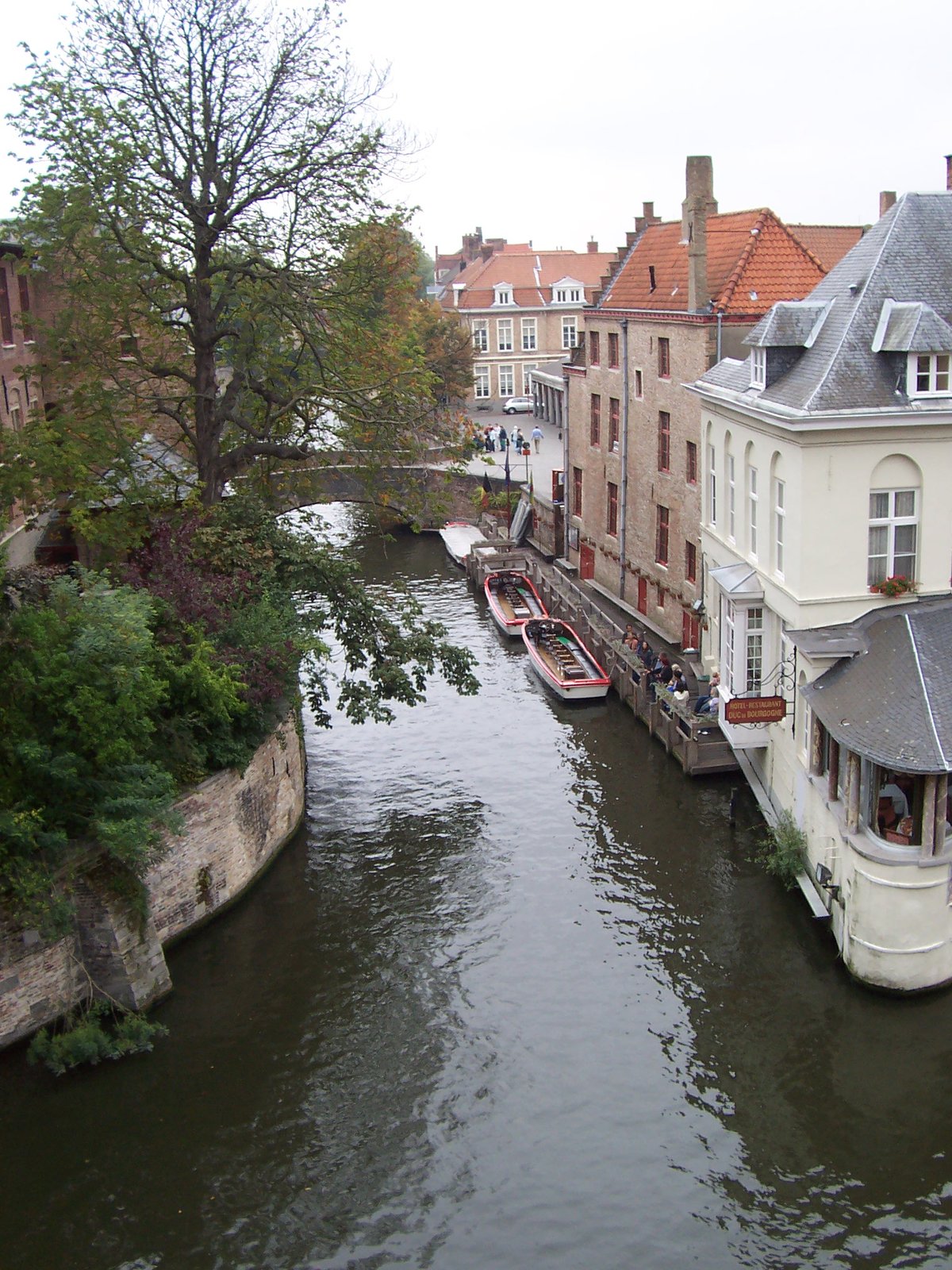
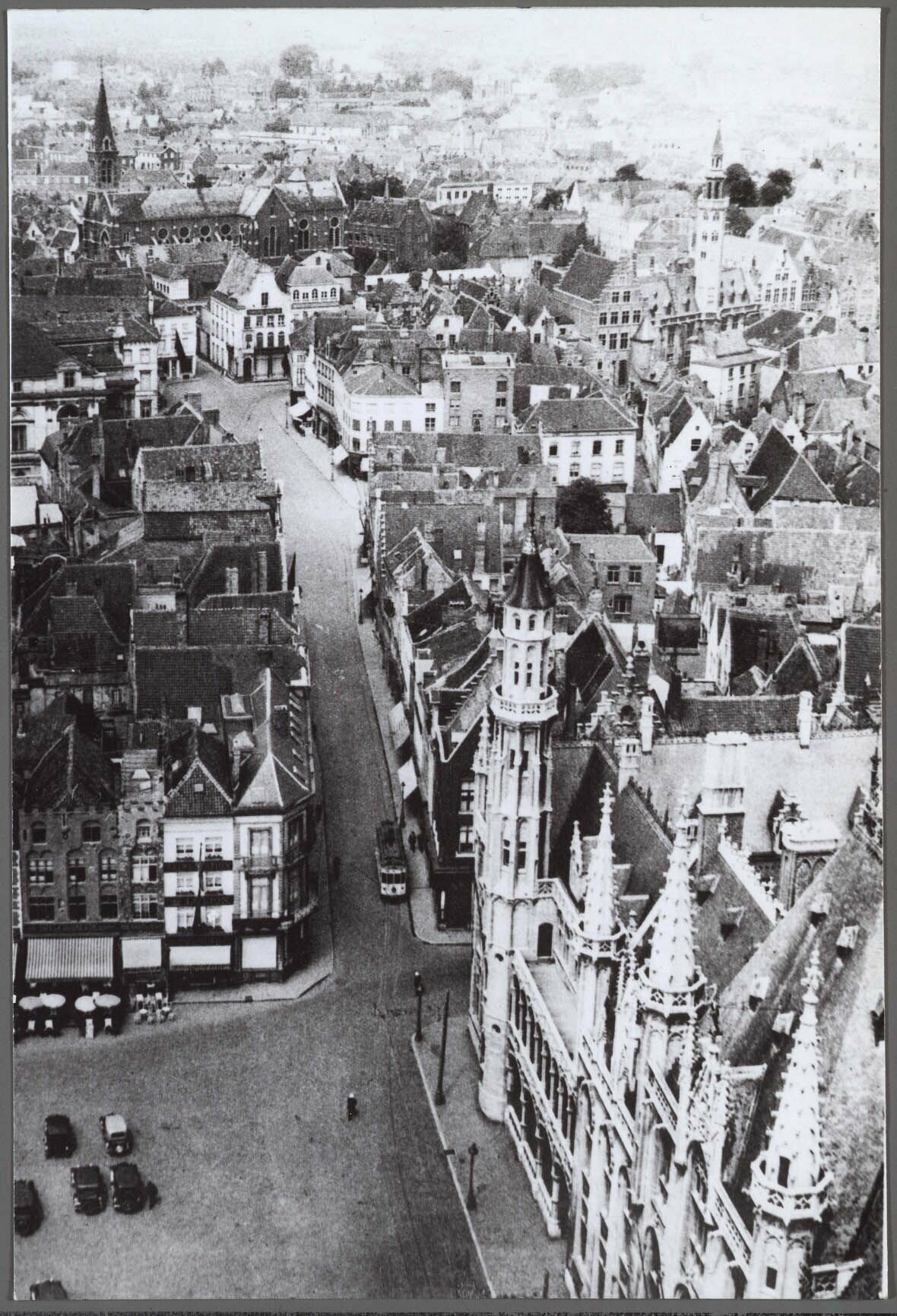
Bruges’ historical significance stems from its 9th-century origins as a fortified settlement under the Counts of Flanders. Flourishing as a trading powerhouse from the 12th to 15th centuries, Bruges amassed wealth through connections with England, the Hanseatic League, and Mediterranean merchants. Its medieval center, adorned with landmarks like the Belfry and Stadhuis, preserves this legacy (Visit Bruges).
The silting of the Zwin estuary led to economic decline in the late 15th century, but Bruges retained its medieval charm and eventually gained UNESCO World Heritage status for its preservation efforts and architectural heritage.
The Emergence and Significance of Bisschopsdreef
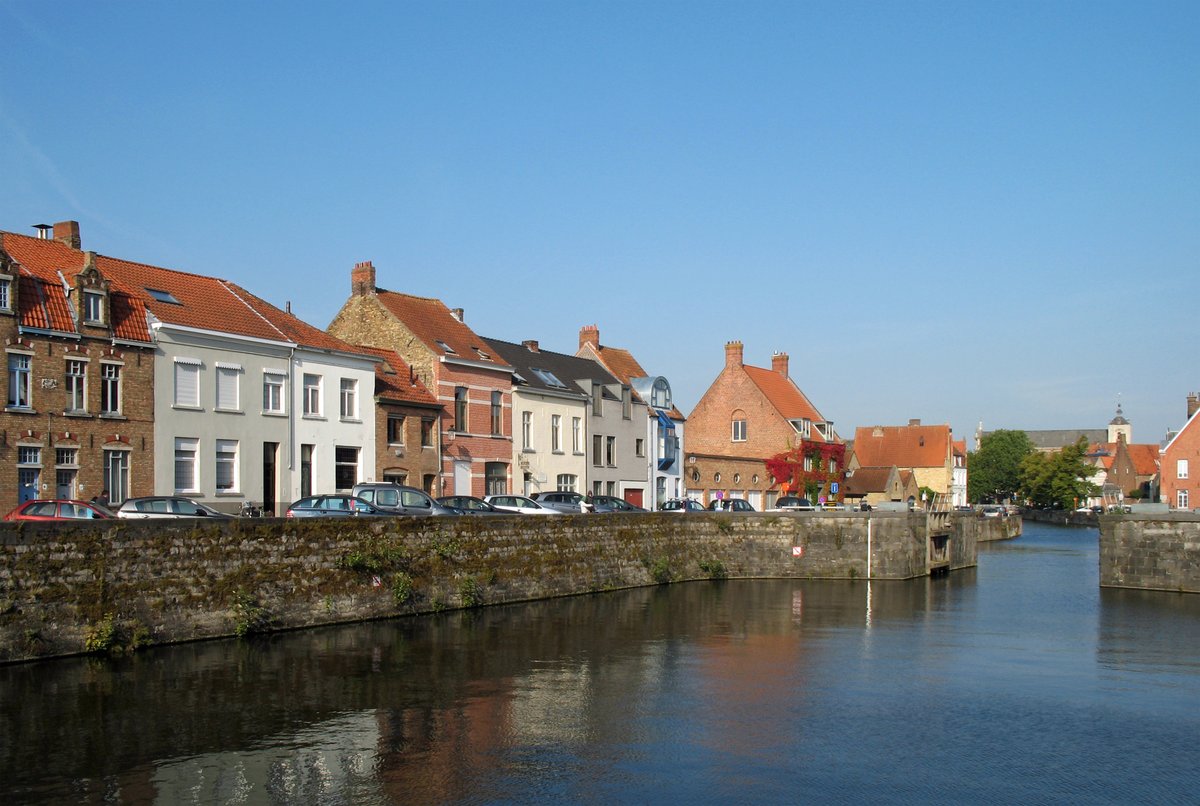
Bisschopsdreef emerged in the late 19th and early 20th centuries as Bruges expanded beyond its medieval walls to accommodate a growing population. The avenue’s name reflects the ecclesiastical influence prevalent in the city’s development (Visit Bruges). Designed as a green, accessible corridor, Bisschopsdreef features wide streets, tree-lined sidewalks, and proximity to parks, exemplifying Bruges’ tradition of integrating nature into urban life.
Architecturally, the avenue showcases stately townhouses with late 19th and early 20th-century Flemish features—ornate façades, gabled roofs, and decorative brickwork—creating a harmonious blend of heritage and modernity (Touropia).
Urban Development & Local Life
Bisschopsdreef stands apart from Bruges’ tourist-packed historic center by offering a tranquil, authentic glimpse into local life. It serves as a transition zone between the UNESCO-listed core and quieter residential neighborhoods, favored by locals for walking, cycling, and community gatherings. The avenue’s integration with parks, canals, and community centers underscores its ongoing role as a hub for social and religious events.
Throughout the year, Bisschopsdreef and its nearby parks host open-air concerts, markets, and neighborhood festivals. These activities highlight the area’s vibrant community spirit and provide visitors with opportunities to experience contemporary Flemish culture (Rick Steves Forum).
Architectural and Cultural Features
Architectural Styles
Bisschopsdreef displays a variety of architectural styles reflecting Bruges’ journey from medieval to modern. The avenue is lined with functionalist and modernist buildings from the mid-1900s, including detached and semi-detached houses with landscaped gardens. These designs offer a clear contrast to the ornate Gothic and Renaissance façades found in the city center, yet many buildings incorporate decorative brickwork and classic Flemish gables (Visit Bruges).
Cultural Life
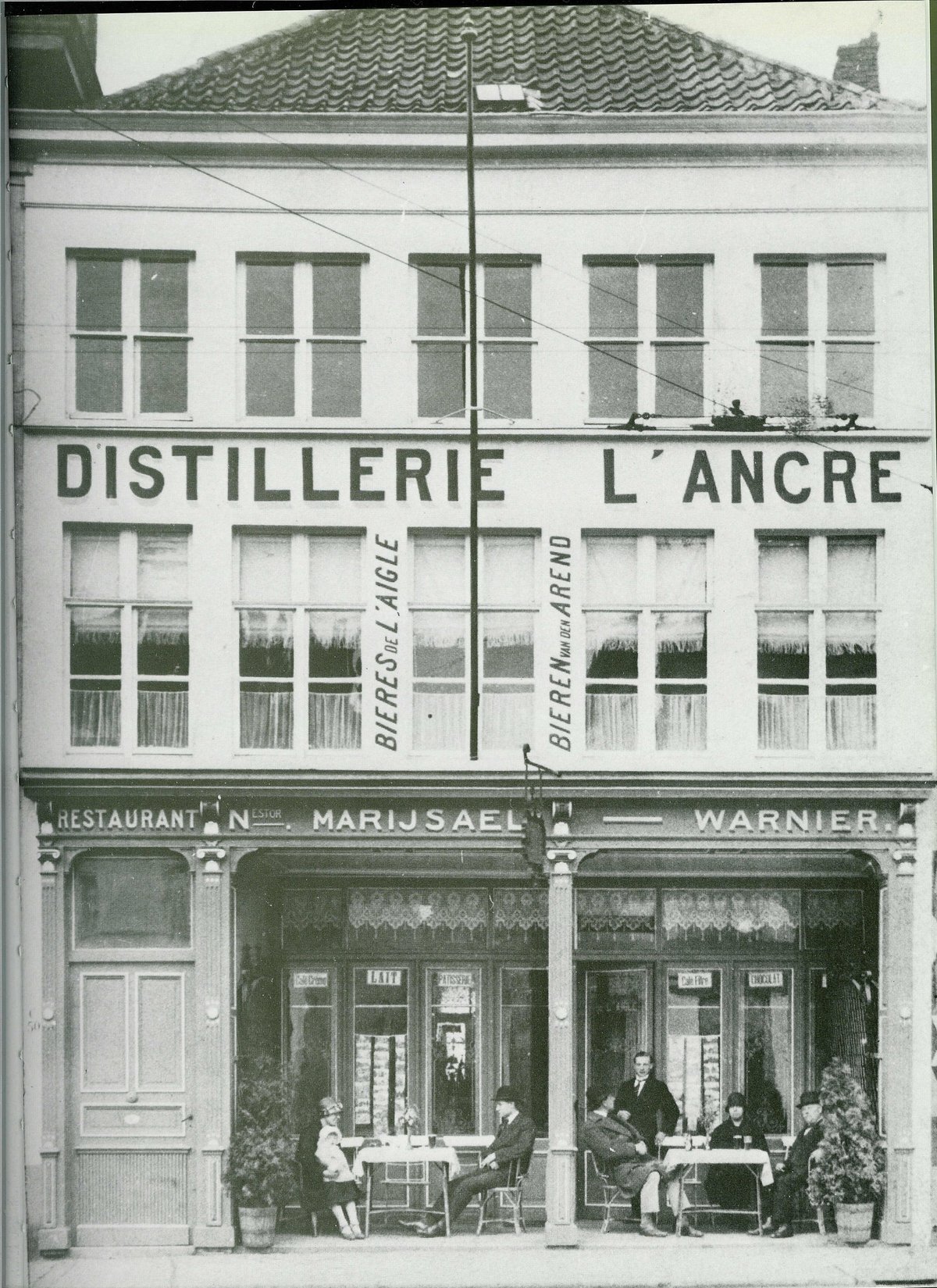
Local bakeries, cafés, and small shops line Bisschopsdreef, offering a taste of everyday Bruges. Community events, markets, and seasonal festivals are frequent, giving visitors a chance to interact with residents and sample authentic Belgian delicacies.
Practical Information: Visiting Hours, Tickets, and Accessibility
Visiting Hours and Ticketing
- Bisschopsdreef As a public residential street, Bisschopsdreef is open 24/7 and free to access. No tickets are required.
- Nearby Parks Sint-Jozefpark and Koude Keuken domain are open to the public during daylight hours.
- Attractions Museums and historical sites nearby (e.g., Groeningemuseum, Beguinage) generally open from 10:00 to 18:00, closed on Mondays, with entry fees ranging from €8–€12. Check official websites for up-to-date details (Visit Bruges).
Accessibility
- Sidewalks and Facilities The avenue features well-maintained, accessible sidewalks suitable for wheelchairs and strollers.
- Bicycles Dedicated bike lanes are present, and Bruges’ flat terrain makes cycling easy for all ages (Living Nomads).
- Disabled Parking Marked spaces are available nearby for European parking card holders, offering free and unlimited parking (Accessibility Visit Bruges).
- Taxis Wheelchair-accessible taxis can be reserved in advance.
Getting There and Around
By Public Transport
- From Bruges Railway Station Local buses depart every few minutes to Bisschopsdreef, with single tickets (€2.50) valid for 60 minutes across the network (Visit Bruges Mobility).
- By Foot Bisschopsdreef is a 20–25 minute scenic walk from the station, passing through historic neighborhoods and along canals.
By Bicycle
- Bike Rentals Available at Fietspunt Station, Ben’s Bike Bruges, and other city shops, with rates from €4/hour or €13/day (Nomadic Matt).
- Cycling Routes Marked lanes connect Bisschopsdreef to the city center and outer districts.
By Car
- Parking Limited street parking is available; city center on-street parking is restricted and priced at €2–€14 for up to four hours (Traveltoer Parking Guide).
- Park & Ride Free P+R lots are available on the outskirts, with shuttle services to the center.
Amenities and Visitor Services
- Shops and Eateries Local bakeries, cafés, and grocery stores provide snacks, Belgian specialties, and picnic supplies.
- Restrooms Public facilities are available in parks and at the main railway station.
- Tourist Information Offices at Markt 1 and Stationsplein 5 offer maps, advice, and multilingual assistance.
- Wi-Fi Widely available in cafés and public spaces.
- Luggage Storage Secure storage at railway station and select city locations.
Nearby Attractions & Suggested Itineraries
- Canal Walks Stroll along the Coupure and outer ring canal for scenic views and photo opportunities (Mundo Wanderlust).
- Parks Visit Sint-Jozefpark or Koude Keuken for outdoor activities, birdwatching, or picnics.
- Historic Sites Short bike or bus ride to the Belfry, Markt, Burg Square, and Beguinage (Travel Pander).
- Local Markets Check the city’s events calendar for neighborhood festivals and pop-up food stalls.
- Architectural Walks Explore diverse residential designs, from Art Nouveau to Neo-Gothic (The Crazy Tourist).
Seasonal Events and Local Culture
- Spring/Summer Open-air concerts, art exhibitions, and food festivals.
- Autumn Vibrant foliage and quieter streets.
- Winter Peaceful ambiance post-holidays; lower accommodation rates.
- Festivals Religious processions and community gatherings throughout the year (Visit Bruges).
For up-to-date events and suggestions, consult the Visit Bruges Events Calendar.
Frequently Asked Questions (FAQ)
Q: Do I need a ticket to visit Bisschopsdreef?
A: No, it is a public street open 24/7. No tickets required.
Q: Is Bisschopsdreef suitable for families and elderly visitors?
A: Yes, it is family-friendly with accessible paths and playgrounds nearby.
Q: Are guided tours available?
A: Yes, several operators offer tours that include Bisschopsdreef and surrounding districts (Full Suitcase).
Q: How do I get there from the railway station?
A: By bus (frequent departures), by bike (flat, direct route), or on foot (scenic 20–25 minute walk).
Q: Is there parking?
A: Limited street parking; P+R lots are recommended for longer stays.
Q: Is the area accessible for wheelchairs?
A: Yes, with smooth pavements and accessible amenities (Accessibility Visit Bruges).
Summary & Final Travel Advice
Bisschopsdreef is a hidden gem that bridges Bruges’ medieval splendor with its contemporary, community-oriented way of life. Open at all times and easily reached by bike, bus, or on foot, it’s ideal for visitors seeking tranquility, local culture, and a deeper understanding of the city’s evolution. The avenue’s proximity to parks, canals, and the historic center means you can enjoy both peaceful walks and the vibrant heart of Bruges. Family-friendly amenities, accessible infrastructure, and frequent community events make Bisschopsdreef a rewarding addition to any Bruges itinerary.
For up-to-date information, guided tours, and travel tips, consult the official Visit Bruges website and consider using the Audiala app for maps, audio guides, and insider recommendations. Savor local pastries, capture the avenue’s tree-lined beauty, and immerse yourself in the unique blend of heritage and modernity that defines Bruges (Mundo Wanderlust, Traveltoer Parking Guide, WakaAbuja).