
Historical Origins and Construction
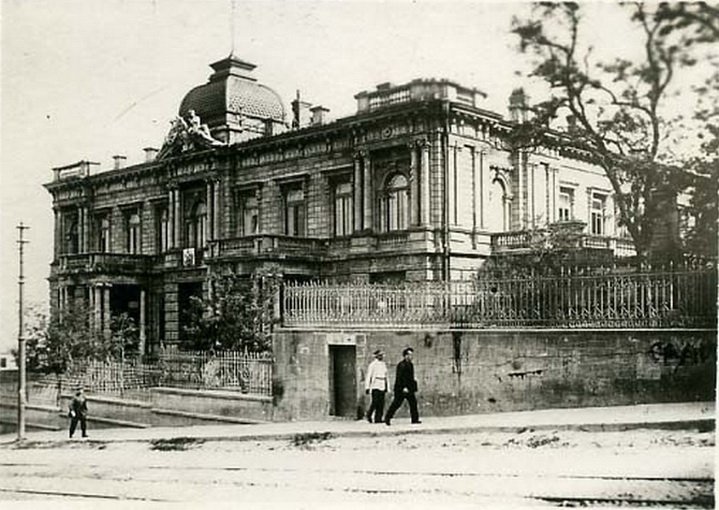
Commissioned by Leo Nikolaevich De Boure, the palace was constructed at the height of Baku’s oil-fueled prosperity. De Boure, a key figure in Baku’s economic transformation, envisioned a residence that would symbolize both the city’s newfound wealth and its openness to European influences. Architect Józef Gosławski brought this vision to life, blending Italian Renaissance and French Baroque elements in a structure that remains one of Baku’s most significant architectural achievements (Wikipedia).
The palace’s imposing façade, ornate with stucco, Corinthian columns, and decorative balconies, was designed to impress visitors and dignitaries alike. Its construction marked a shift in Baku’s architectural landscape, as the city transitioned from traditional Azerbaijani styles to European-inspired classicism.
Patronage and Ownership
Leo De Boure’s patronage extended beyond architecture; he was an active philanthropist, supporting educational and charitable initiatives in Baku. The palace hosted grand social gatherings, cultural events, and diplomatic receptions, making it a focal point for the city’s multicultural society.
After the Bolshevik Revolution and the nationalization of private property, the palace was seized by Soviet authorities and repurposed for governmental use. It notably housed the Presidium of the Supreme Soviet of the Azerbaijan SSR and later served as the presidential residence after Azerbaijan’s independence (Wikipedia).
Architectural Significance
The Palace of De Boure is recognized for its harmonious integration of European architectural styles with local craftsmanship. Its symmetrical façade, tall windows, and elaborate stonework echo French neoclassicism, while interior features such as marble staircases, gilded ceilings, and stained glass showcase the opulence of the era (Archute).
The use of imported Italian marble and French crystal chandeliers underscores Baku’s cosmopolitan character during the oil boom. The palace’s layout, with grand reception halls and private quarters, reflects its dual function as a public and private space.
Visiting the Palace of De Boure: Practical Information
Visiting Hours
- Open Tuesday to Sunday, 10:00 AM – 6:00 PM
- Closed Mondays and certain public holidays
- Last Admission 5:00 PM
- Tip Always check the official website or local sources for updates, as hours may change due to events or maintenance.
Tickets and Booking
- Admission Fee Approx. 10 AZN for adults
- Discounts Available for students, children, and seniors
- Booking Purchase on-site or online via the official website or authorized tour operators (Baku Heritage Tours)
- Guided Tours Multilingual tours offered daily; booking in advance is recommended during peak periods
Guided Tours and Special Events
Guided tours provide visitors with in-depth insights into the palace’s history, architecture, and the life of the De Boure family. The palace also hosts concerts, art exhibitions, and cultural festivals throughout the year. Check the event calendar for opportunities to enrich your visit.
Photography and Accessibility
- Photography Allowed in most areas, but flash and tripods may be restricted
- Accessibility Ramps and elevators are available, but some historic areas may be challenging for visitors with mobility limitations
Location and Nearby Attractions
- Address Istiglaliyyat Street, Baku, Azerbaijan
- Metro Icherisheher station is the closest stop
- Nearby Landmarks Palace of the Shirvanshahs, Maiden Tower, Azerbaijan State Philharmonic Hall, Flame Towers (JustWravel)
Historical Events and Cultural Impact
The Palace of De Boure has witnessed significant moments in Baku’s history, from the city’s oil boom to its political upheavals. As a residence, government office, and cultural venue, it embodies the city’s cosmopolitan spirit and resilience. The palace is frequently featured in tours and cultural programs, serving as a bridge between Baku’s past and present (Lonely Planet).
Restoration and Preservation
Recognized as a cultural monument of national importance, the palace has benefited from extensive restoration efforts, supported by both governmental and international organizations. Conservation has focused on structural repairs, the restoration of original decorative features, and upgrades to visitor facilities. The palace is protected under Azerbaijan’s heritage laws, with ongoing documentation and educational outreach (Baku Heritage Tours).
Visitor Experience and Essential Tips
- Best Time to Visit Spring (March–May) and autumn (September–November) for mild weather (TripZilla)
- Dress Code Modest attire is appreciated
- Duration Allocate 1–2 hours, especially for guided tours
- Language Azerbaijani is official; English and Russian are widely spoken
- Currency Azerbaijani Manat (AZN); credit cards accepted
- Family-friendly Educational materials available for children (Travel Melodies)
- Safety Security personnel onsite; follow staff instructions
Frequently Asked Questions (FAQ)
Q: What are the Palace of De Boure visiting hours?
A: Tuesday to Sunday, 10:00 AM – 6:00 PM; closed on Mondays. Always check for updates.
Q: How much do tickets cost?
A: Approximately 10 AZN for adults, with discounts available.
Q: Are guided tours available in English?
A: Yes, multilingual tours including English are offered daily.
Q: Is the palace accessible for visitors with disabilities?
A: Ramps and elevators are installed, but some historic areas may be less accessible.
Q: Can I take photos inside?
A: Yes, but flash and tripods are restricted in sensitive areas.
Q: What other attractions are nearby?
A: Palace of the Shirvanshahs, Maiden Tower, Azerbaijan National Art Museum, Flame Towers, and Baku Boulevard.