Table of Contents
- Chin Mosque Overview: History & Architecture
- Visitor Information: Hours, Tickets, and Accessibility
- Museum Experience: Numismatic Exhibits
- Architectural Highlights: Exterior & Interior Features
- Preservation and Restoration
- Visitor Etiquette and Tips
- Nearby Attractions in Baku’s Old City
- FAQs: Chin Mosque
- Plan Your Visit & Further Resources
- References
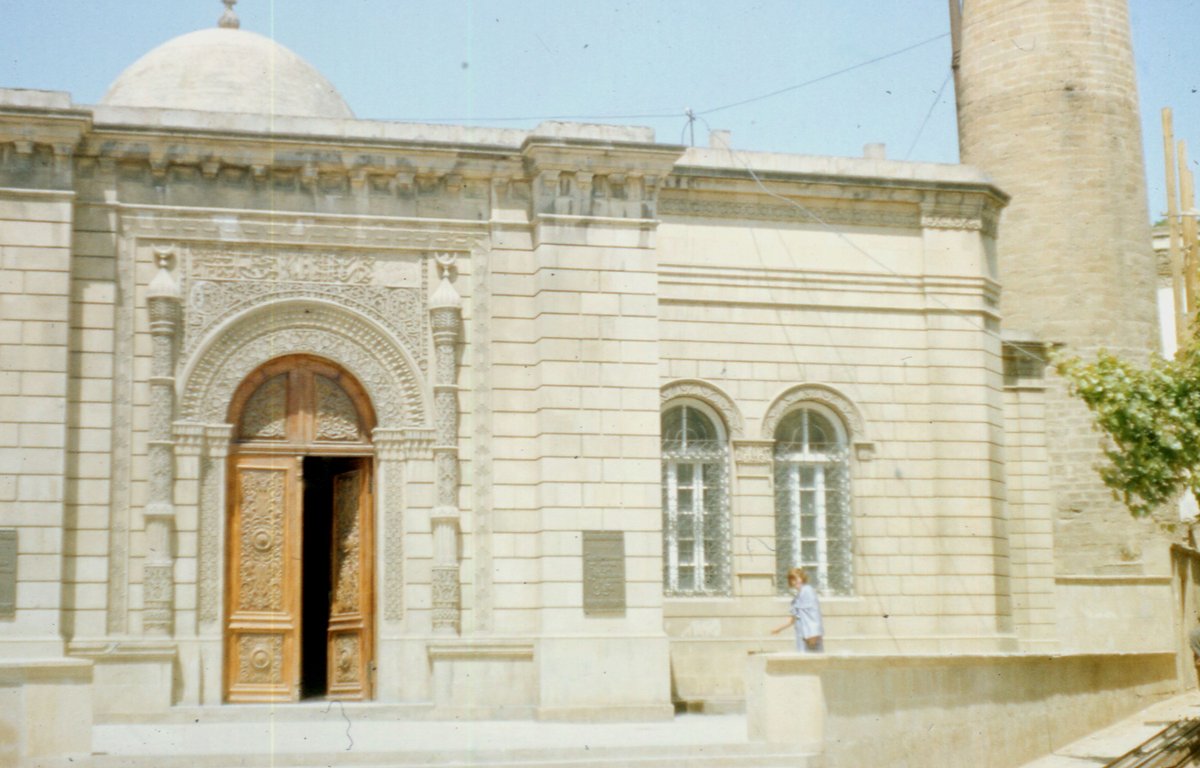
Completed in 1375 CE, the Chin Mosque is attributed to Fazlullah Imam ibn Osman Shirvani, whose name is inscribed at the entrance. It exemplifies the Shirvan-Absheron architectural style with a compact, asymmetrical façade, classical pointed-arch portal, and detailed Arabic calligraphy.
Distinctive features include:
- Five-tiered stalactite mihrab on the southern wall
- Decorative niches typical of regional mosques
- Absence of a minaret, reflecting its role as a community mosque rather than a grand congregational site
Its architecture harmoniously blends geometric patterns, Kufic inscriptions, and Arabesque motifs, reflecting the cross-cultural influences that defined medieval Baku (azerbaijantour.com).
Visitor Information: Hours, Tickets, and Accessibility
- Hours Open Tuesday to Sunday, 10:00 AM to 6:00 PM. Closed Mondays and on major Azerbaijani public holidays.
- Tickets 3 AZN for adults; 1.5 AZN for students/seniors. Free admission is available during select cultural events.
- Location Kichik Gala Street, Icherisheher, easily walkable from the Maiden Tower and Palace of the Shirvanshahs.
- Accessibility The site is on cobblestone streets; while wheelchair access is limited, assistance can be arranged at the visitor center. Ramps and accessible washrooms are available nearby.
For the latest information, always check with the Icherisheher State Historical-Architectural Reserve before your visit.
Museum Experience: Numismatic Exhibits
Post-restoration in 2012, the mosque now houses a numismatic museum. The collection spans coins from the Sasanid, Safavid, and Shirvanshah periods, providing a chronological overview of Azerbaijan’s economic history. Informative panels and guided tours (bookable through the National Museum of History of Azerbaijan) enrich the educational value of the visit (visitsilkroad.org).
Photography: Non-flash photography is permitted, allowing you to capture both architectural features and museum exhibits.
Architectural Highlights: Exterior & Interior Features
Exterior
- Facade Locally quarried limestone with geometric and vegetal motifs, calligraphic inscriptions, and a pointed-arch entrance adorned with muqarnas.
- Dome Clad in stone or ceramic tiles, often in turquoise hues, with small windows for natural light.
- Courtyard A small, shaded space for ritual purification and reflection.
Interior
- Prayer Hall Rectangular, carpeted, oriented toward the qibla.
- Mihrab and Minbar Elaborately carved and decorated, with intricate tilework and inscriptions.
- Lighting Natural light from dome windows; traditional chandeliers for evening illumination.
- Decorative Arts Painted arabesques, carved woodwork, and turquoise tiles highlight local craftsmanship (azerbaijantravel.com).
Preservation and Restoration
Recent restoration efforts have focused on:
- Cleaning and repairing stone surfaces
- Restoring decorative features and inscriptions
- Upgrading structural elements for safety and longevity
- Improving accessibility and interpretive signage for visitors
The mosque’s adaptive reuse as a museum not only preserves its architecture but also supports ongoing education and intercultural dialogue (azerbaijantour.com).
Visitor Etiquette and Tips
- Dress Code Modest attire required (long pants, sleeves for men; covered arms, legs, and head for women)
- Shoes Must be removed before entering the prayer hall
- Behavior Quiet, respectful conduct is essential
- Photography Permitted, but avoid flash and respect worshippers’ privacy
- Facilities Restrooms are available nearby in the Old City; the mosque itself has limited facilities
Nearby Attractions in Baku’s Old City
The Chin Mosque is centrally located for visiting:
- Maiden Tower Iconic 12th-century fortress with panoramic views
- Palace of the Shirvanshahs 15th-century royal residence
- Juma Mosque Another medieval mosque with historical significance
- Local cafés and shops Enjoy traditional tea houses and browse for handicrafts
All are within easy walking distance, making the Old City an ideal area for a self-guided or organized walking tour (caliber.az).
FAQs: Chin Mosque
Q: What are the Chin Mosque’s visiting hours?
A: Tuesday to Sunday, 10:00 AM–6:00 PM (closed Mondays).
Q: Is there an admission fee?
A: 3 AZN for adults, 1.5 AZN for students/seniors; donations welcome.
Q: Can non-Muslims visit?
A: Yes, except during prayer times or special religious events.
Q: Is the mosque wheelchair accessible?
A: Partial accessibility; assistance available upon request.
Q: Are guided tours available?
A: Yes, via the National Museum of History or local tour operators.
Q: What should I wear?
A: Modest clothing; headscarves for women (available at entrance).
Q: Is photography allowed?
A: Yes—no flash, and always be respectful.
Summary
The Chin Mosque stands as a vibrant symbol of Baku’s historical and spiritual heritage. Its beautifully preserved medieval architecture, fascinating numismatic museum, and welcoming atmosphere make it a highlight of the Old City. With free or affordable entry, accessible visiting hours, and proximity to other major landmarks, the Chin Mosque is a must-see for anyone seeking to experience the authentic heart of Azerbaijan’s capital. Plan ahead for the best experience, respect local customs, and allow yourself time to discover the rich tapestry of stories that define this captivating monument (Wander-Lush, advantour.com, caliber.az).