
The Origins and Construction of Isa Bey Hajinski’s House
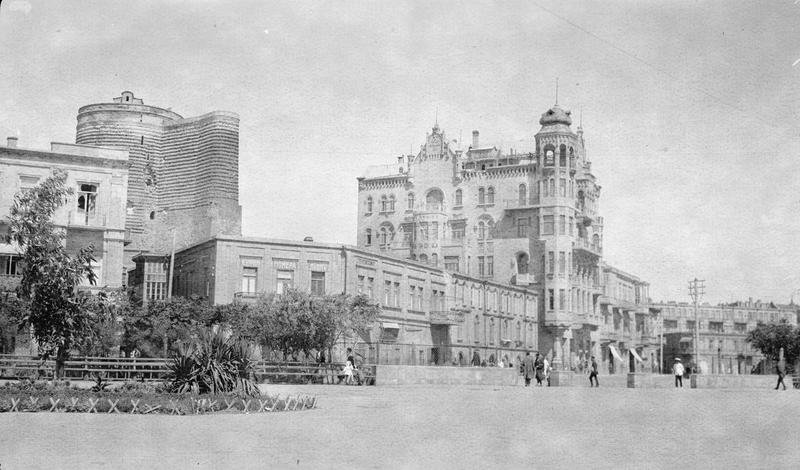
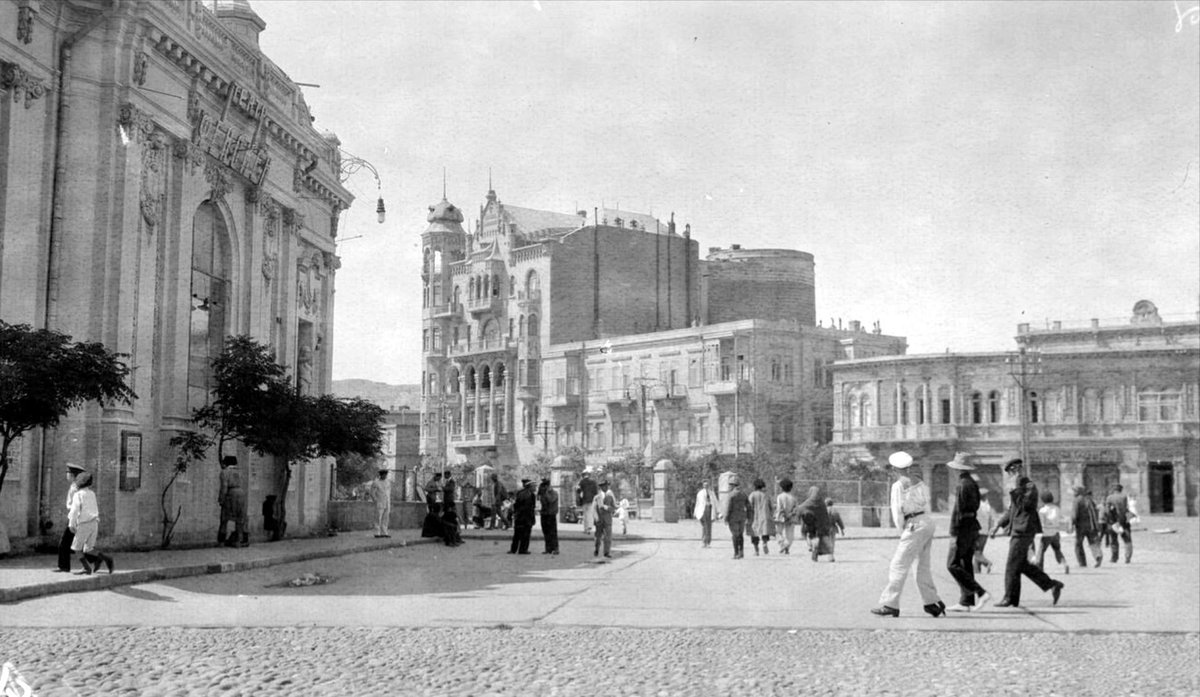
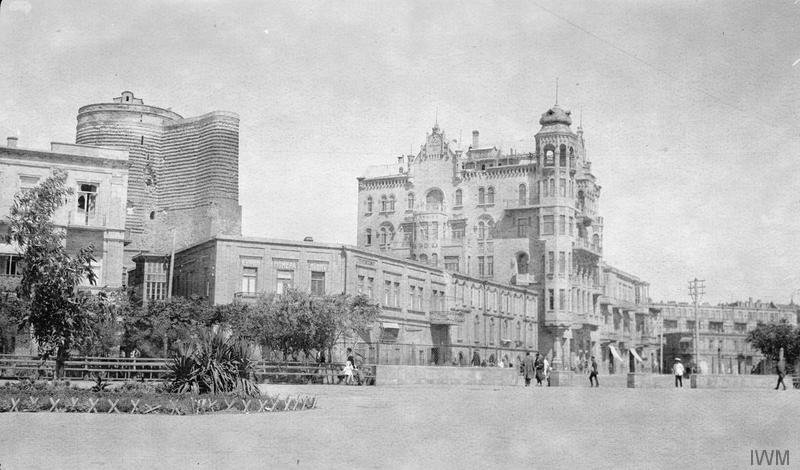
Constructed in 1912, Isa Bey Hajinski’s House was commissioned by Isa Bey Hajinski, a prominent oil baron and philanthropist whose wealth stemmed from successful oil ventures—including a kerosene refinery in Baku’s “Black City” (Azer.com). The mansion’s location at Neftchilar Avenue 105, adjacent to the Maiden Tower, positioned it at the heart of Baku’s historic core.
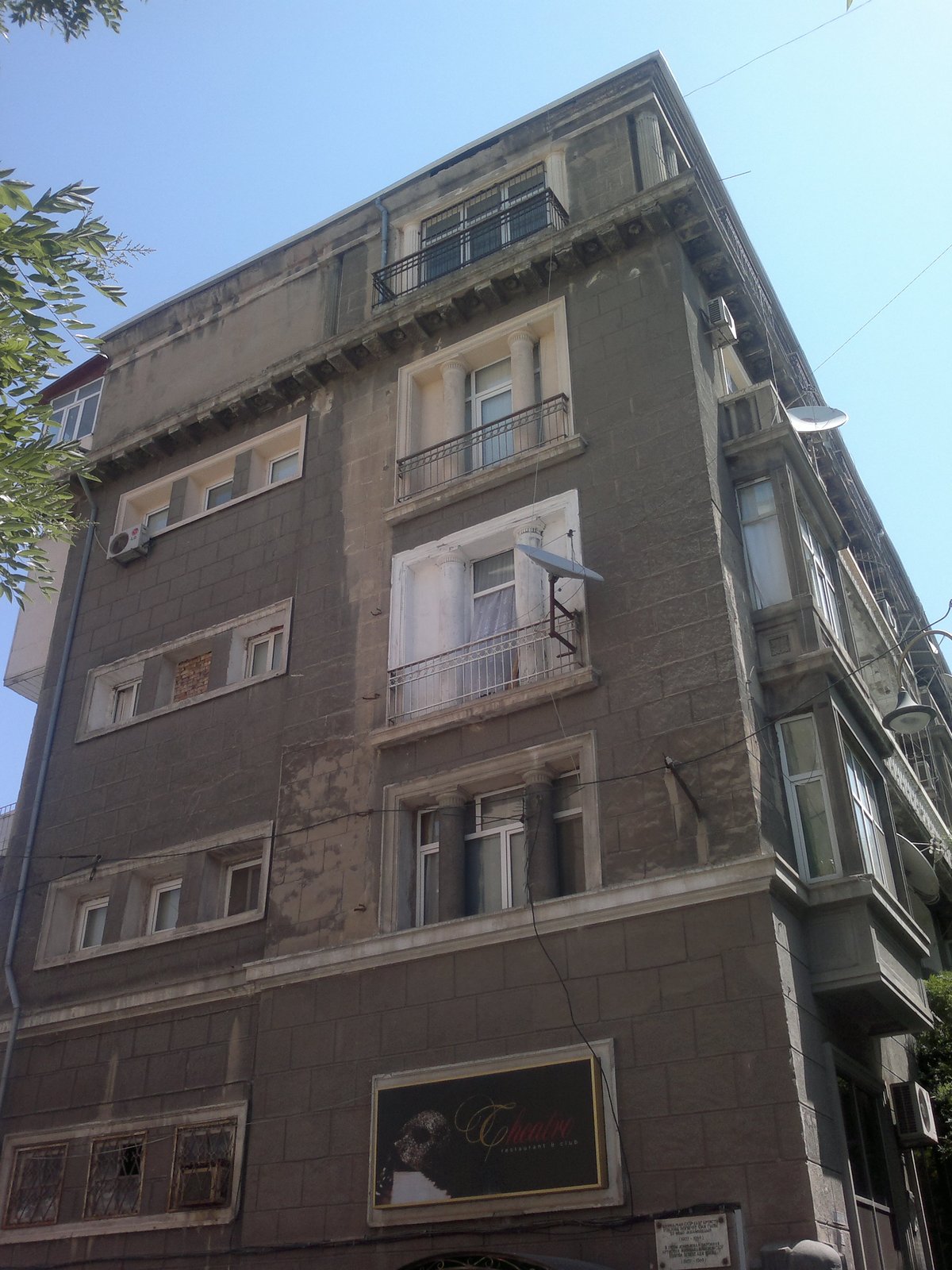
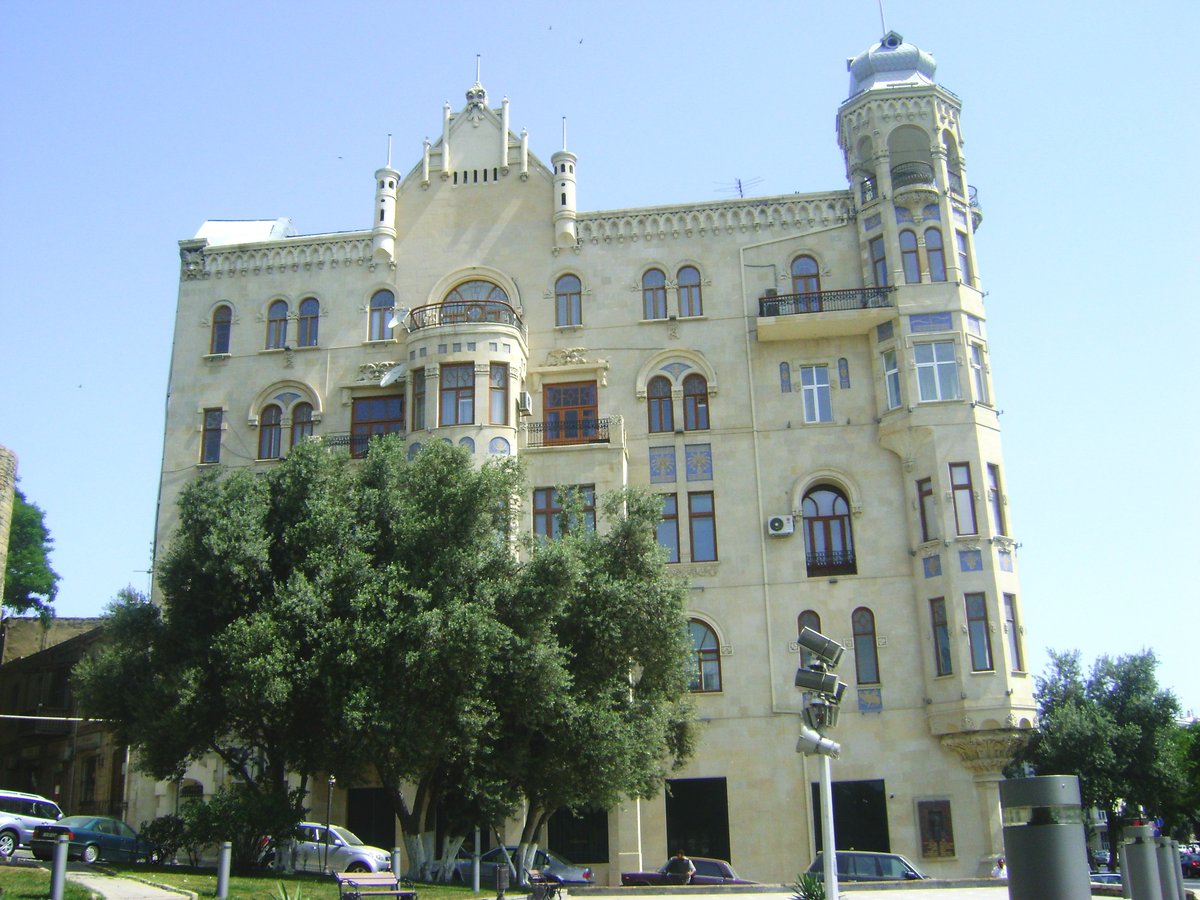
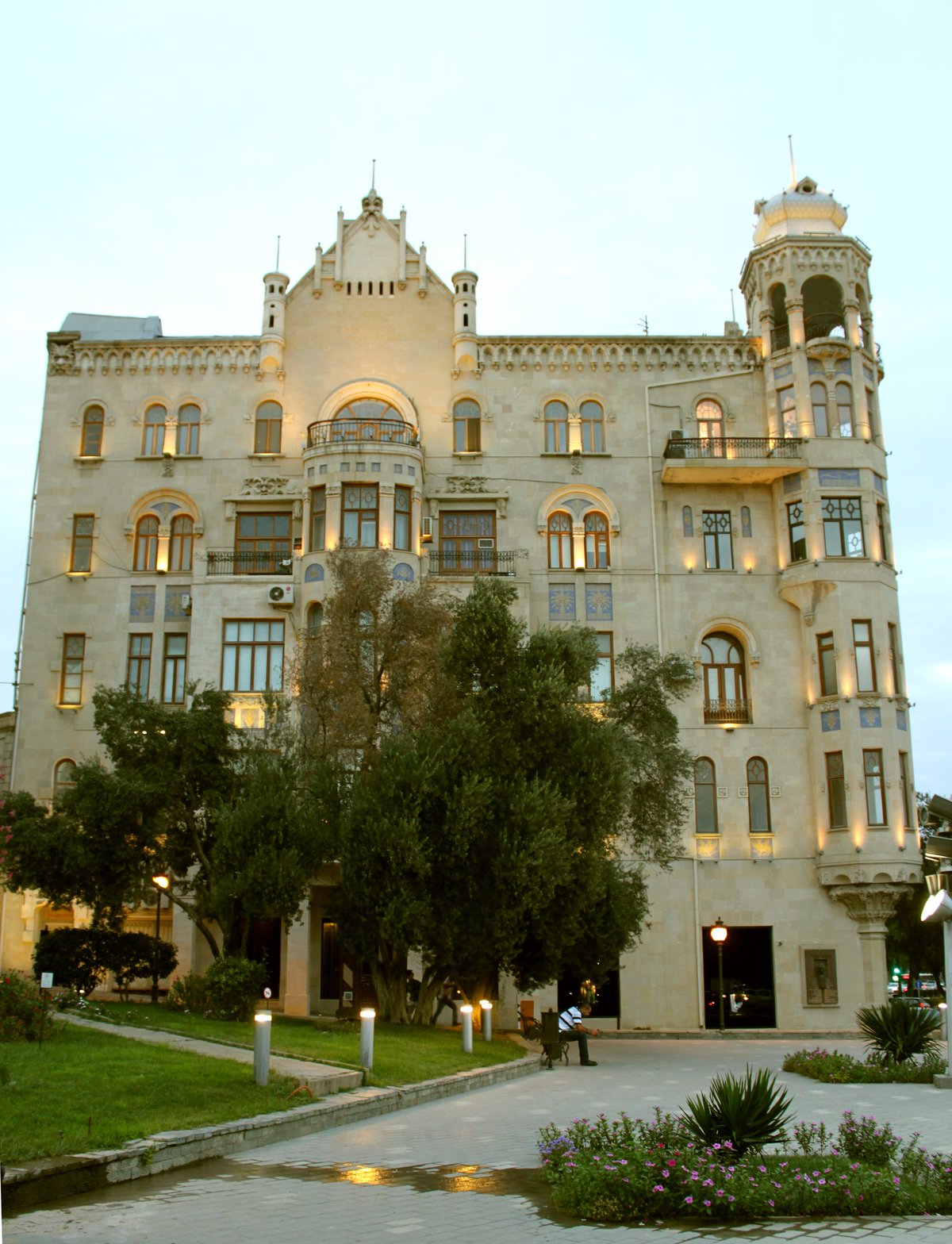
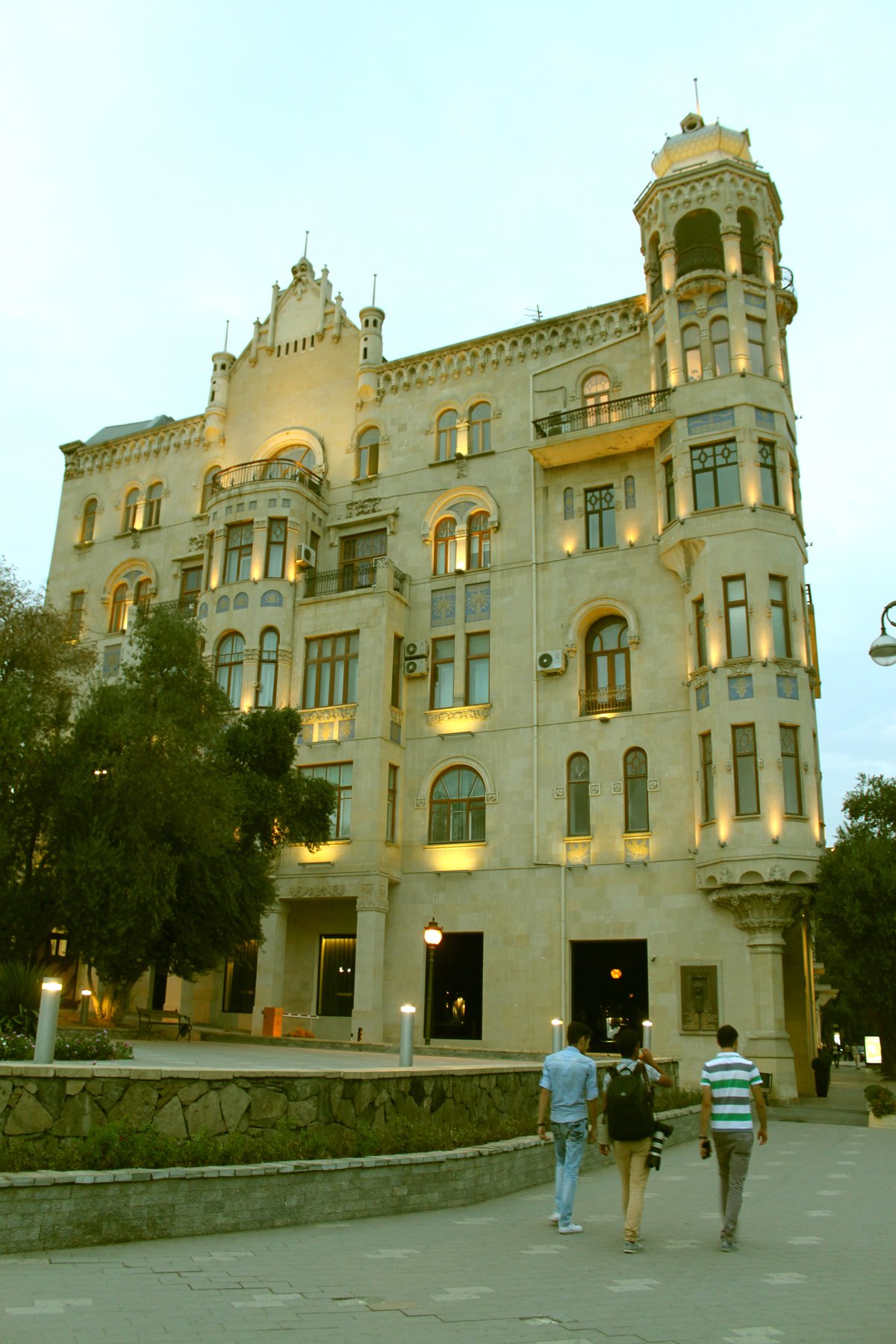
The five-story mansion was a bold architectural statement, surpassing the height of most residential buildings of its time. Its elaborate limestone carvings and whimsical comic faces, combined with two distinctly different façades, made it a standout in the city’s rapidly modernizing landscape.
Architectural Significance and Urban Context
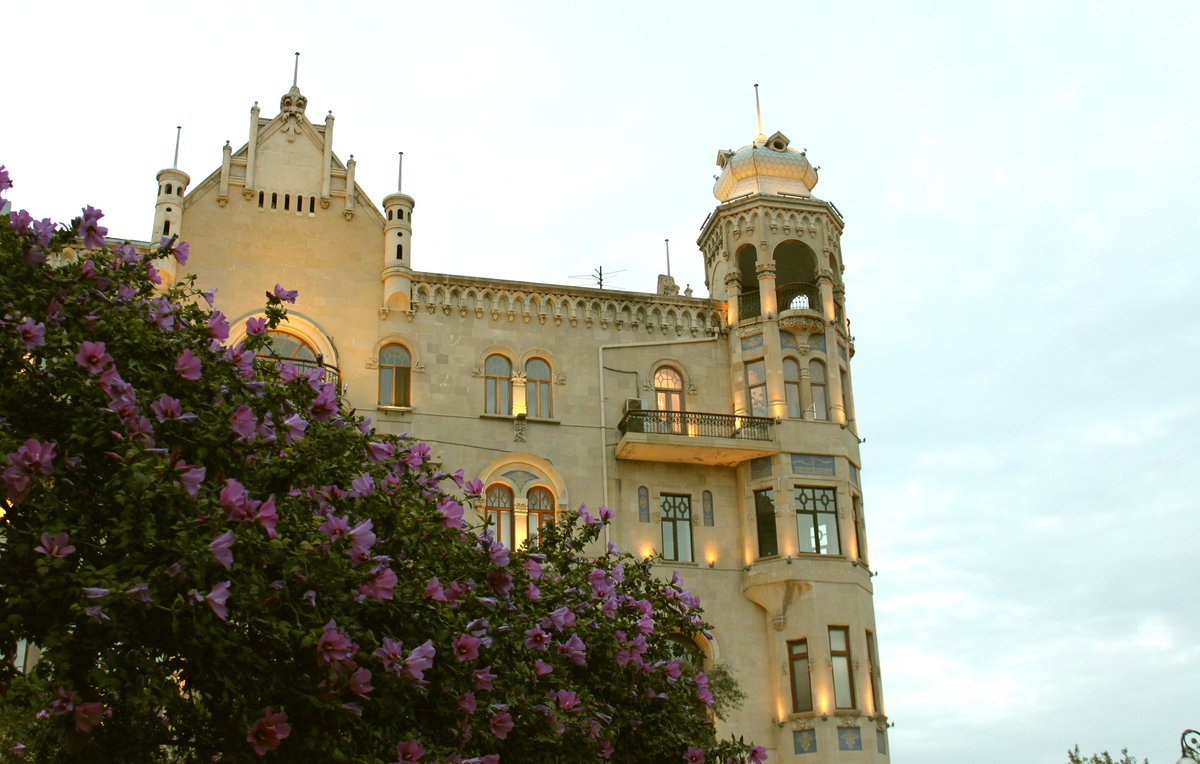
Isa Bey Hajinski’s House exemplifies the eclectic style that defined Baku’s oil boom. Blending Baroque, Gothic, Moorish, and Art Nouveau elements, the mansion’s architecture reflects the cultural fusion prevalent in early 20th-century Baku. The building features seven spires of varying heights, a colorful corner tower, and intricate stonework inspired by Assyrian motifs (irs-az.com, visitsilkroad.org).
Its two main façades are so distinct that they appear to belong to separate structures, a deliberate choice to showcase grandeur and uniqueness. The proximity to the UNESCO-listed Maiden Tower and Baku’s Old City creates a striking juxtaposition of medieval and modern architecture (CNN Travel).
The Hajinski Family and Baku’s Oil Boom
Isa Bey Hajinski was not only an industrialist but also a cultural benefactor. His mansion hosted salons for intellectuals, artists, and politicians, reflecting Baku’s cosmopolitan character (Baku City Guide). The family’s fortunes changed dramatically after the Bolshevik Revolution in 1920, when properties were nationalized and the Hajinskis were forced into exile (Azer.com).
A poignant episode from World War II recounts the tragic fate of Hajinski’s son, Ahmad, reportedly executed after returning to Baku as a prisoner. Such stories underscore the mansion’s deep connections to the broader currents of Azerbaijani and European history.
Soviet Era and Modern Transformations
Following Soviet nationalization, the mansion was subdivided into communal apartments, a common fate for Baku’s grand oil baron residences (Azer.com). Despite these changes, the building retained much of its architectural splendor.
A highlight of the Soviet period was General Charles de Gaulle’s overnight stay in 1944 while en route to Moscow, underscoring the site’s continued diplomatic and historical importance.
Restoration efforts began in the 21st century, including the revival of mosaic decorations and stonework, although some features remain unrestored (baku-magazine.com, en.wikipedia.org).
Visiting Information: Hours, Tickets, Accessibility
Location: 47 Neftchilar Avenue, Baku, Azerbaijan
- Visiting Hours Tuesday–Sunday, 10:00 AM–6:00 PM. Closed Mondays and public holidays (Azerbaijan Museums). Always confirm ahead, as restoration or events may affect access.
- Tickets 10 AZN for adults; 5 AZN for students and seniors; free for children under 6. Guided tours (in Azerbaijani, Russian, and English) cost an additional 5 AZN per person.
- Access The exterior is accessible daily; interior access is typically limited to guided tours or special events.
- Accessibility The historic design limits wheelchair access; staff assistance is available, but upper floors may be inaccessible. Contact ahead for accommodations.
- Photography Allowed, but flash and tripods may be restricted.
- Facilities Restrooms and a gift shop are available on the ground floor; cafes and restaurants are nearby in the Old City.
Travel Tips and Nearby Attractions
- Getting There A 10-minute walk from Icherisheher metro station; accessible by bus, taxi, or ride-hailing. Parking is limited.
- Combine Your Visit Explore the Maiden Tower, Palace of the Shirvanshahs, Baku Boulevard, and Nizami Street for a full historical and cultural experience (UNESCO World Heritage).
- Events The mansion hosts concerts, lectures, and exhibitions. Check the official website or social media for schedules.
- Language Azerbaijani, Russian, and basic English are spoken; guided tours in multiple languages are available.
Frequently Asked Questions (FAQ)
Q: What are the visiting hours?
A: Tuesday–Sunday, 10:00 AM–6:00 PM; closed Mondays and public holidays.
Q: How much are tickets?
A: 10 AZN for adults, 5 AZN for students/seniors, free for children under 6; guided tours cost an additional 5 AZN.
Q: Is the house accessible for visitors with disabilities?
A: Access may be limited due to stairs and historic design. Contact staff for assistance.
Q: Can I visit the interior?
A: Interior access is available on guided tours or during special events.
Q: Are there guided tours?
A: Yes, available in Azerbaijani, Russian, and English for an extra fee.
Q: What are nearby attractions?
A: Maiden Tower, Old City (Icherisheher), Baku Boulevard, Nizami Street.
Preservation and Contemporary Relevance
Isa Bey Hajinski’s House stands as a symbol of Baku’s resilience and cultural richness. Ongoing restoration and preservation efforts aim to maintain its architectural integrity and revive its role as a venue for cultural and educational events. The house is central to Baku’s identity, bridging the gap between its oil-rich past and vibrant present (baku-magazine.com).