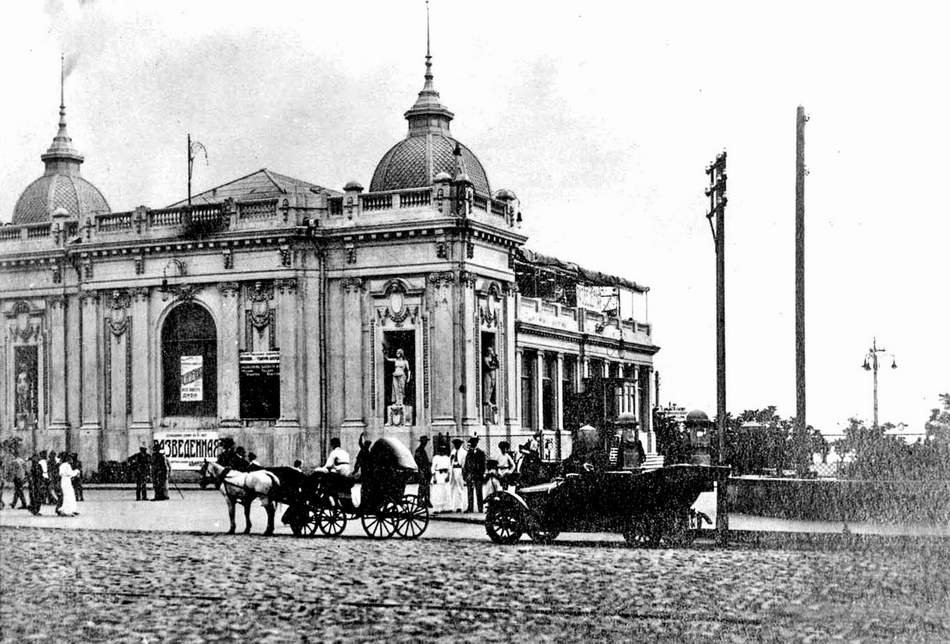
Historical Background and Architectural Features
Origins and Historical Context
Erected in the 14th century under the patronage of the Shirvanshahs, the Jinn Mosque was designed to serve the local Muslim community’s daily worship needs. Its name is linked to both the Quranic Surah Al-Jinn and the folklore surrounding supernatural beings, reflecting the interweaving of faith and legend in Azerbaijani tradition.
Architecture and Restoration
Built from locally quarried limestone, the mosque features a simple rectangular plan, a single dome, and a prayer hall devoid of a minaret. The entrance is marked by a pointed arch and Arabic inscriptions, while the mihrab inside is intricately carved—a testament to the craftsmanship of the Shirvanshah era. Multiple restorations, notably in the 18th and 21st centuries, have preserved its original character while enabling the mosque to remain a symbol of Baku’s enduring Islamic heritage (azerbaijan.travel).
Cultural and Religious Significance
The Jinn Mosque is not only an architectural relic but also a living symbol of community identity and resilience. Over centuries, it has functioned as a neighborhood mosque, hosting communal prayers, religious gatherings, and educational activities. Its continued existence through periods of political upheaval and religious suppression, particularly during the Soviet era, underscores the resilience of Azerbaijan’s Islamic traditions.
Local legends surrounding the mosque—including tales of jinn protecting or aiding its construction—enrich the visitor experience and highlight the deep-rooted spiritual significance of the site.
Visiting Information
Opening Hours and Tickets
- Hours Open daily from 9:00 AM to 6:00 PM (hours may vary during religious holidays and special occasions).
- Tickets Entry is generally free, although some exhibitions or guided tours may require a modest fee (around 5 AZN for adults). Donations for site upkeep are appreciated.
- Guided Tours Tours of Icherisheher often include the Jinn Mosque and can be booked in advance or arranged on-site.
Location and Accessibility
The mosque is centrally located within the Old City, a short walk from landmarks like the Maiden Tower and Palace of the Shirvanshahs. The nearest metro station, Icherisheher, is less than a 10-minute walk away. While the mosque itself is wheelchair accessible, some cobblestone streets in the Old City may be challenging for visitors with mobility issues.
Dress Code and Etiquette
- Wear modest clothing: shoulders and knees should be covered; women are advised to cover their hair with a scarf.
- Remove shoes before entering the prayer hall.
- Maintain respectful silence and avoid using mobile phones inside.
- Photography is generally permitted, but always seek permission before photographing individuals or during prayer times.
Facilities and Amenities
The Jinn Mosque is a small, historic site with limited on-site facilities. Public restrooms and refreshment kiosks are available near the Old City’s main gates and larger attractions. For a deeper understanding, consider joining a guided walking tour that includes the mosque (tripxl.com).
Best Times to Visit
Spring (April–June) and autumn (September–October) offer the most comfortable weather for exploring the Old City and the Jinn Mosque. Early mornings and late afternoons are quieter and ideal for those seeking a contemplative visit or better photo opportunities. Avoid visiting during midday in summer, as temperatures can be high, and during major religious festivals, when the mosque is busiest.
Accessibility for All Visitors
Due to the Old City’s historic design, full accessibility for visitors with limited mobility can be challenging; steps at the entrance and cobblestone paths are common. Those needing assistance should consider traveling with a companion or booking a guided tour.
Safety and Security
Baku is generally safe for tourists, with the Old City regularly patrolled by police. Remain mindful of personal belongings and respect local customs, especially within religious sites.
Language and Communication
Azerbaijani is the official language, but Russian and English are spoken in most tourist areas. Simple greetings in Azerbaijani, such as “Salam” (hello), are appreciated.
Nearby Attractions
- Maiden Tower Iconic 12th-century structure with panoramic city views (travel2next.com).
- Palace of the Shirvanshahs A UNESCO-listed palace complex.
- Caravanserais and Tea Houses Experience the legacy of Baku’s Silk Road and traditional hospitality.
- Local Restaurants Sample Azerbaijani cuisines such as dolma and plov.
Photography and Souvenirs
The mosque’s elegant stonework makes it a popular photography subject. Be discreet and seek permission when photographing people or prayer activities. While the mosque does not have a souvenir shop, the Old City features artisan stalls selling traditional crafts and souvenirs.
Frequently Asked Questions (FAQs)
Q: What are the Jinn Mosque’s opening hours?
A: Generally, from 9:00 AM to 6:00 PM; check local sources for holiday variations.
Q: Is there an entrance fee?
A: Entry is free; certain exhibitions or tours may have a small fee.
Q: Is the mosque wheelchair accessible?
A: The mosque itself is accessible, but Old City streets may be challenging.
Q: Are guided tours available?
A: Yes, many tours of the Old City include the mosque (tripxl.com).
Q: What is the dress code?
A: Modest attire is required; women should cover their hair.
Q: Is photography allowed?
A: Yes, but be respectful and ask permission when necessary.
Practical Tips for Your Visit
- Wear sturdy footwear for cobblestone streets.
- Bring water and sun protection during warmer months.
- Carry small cash (Azerbaijani manat) for donations and local purchases.
- Be mindful of prayer times and local customs.
- Download the Audiala app for audio guides and real-time updates.
Summary and Travel Tips
The Jinn Mosque is a remarkable illustration of medieval Islamic architecture and local folklore. With its accessible visiting hours, central location, and rich cultural backdrop, it offers a rewarding experience for those exploring Baku’s Old City. Remember to dress appropriately, respect mosque customs, and take advantage of guided tours for a deeper understanding of this unique site. Spring and autumn provide the best climate, and early visits offer a quieter atmosphere.
For further guidance, official tourism platforms remain the best source for up-to-date information (azerbaijan.travel, tripxl.com, travel2next.com).