Historical Background and Significance
Commissioned in 1899 by Agabala Guliyev, a prominent Azerbaijani flour magnate and philanthropist, this mansion was designed to assert a distinctly local identity during a time when many oil barons in Baku favored European architectural styles. Guliyev was known for his civic engagement and his desire to celebrate Azerbaijan’s heritage—an intention reflected in the house’s design, which drew inspiration from the medieval Palace of the Shirvanshahs and traditional Islamic motifs (Wikipedia).
The architect, Eugeniusz Skibinski (alternatively referenced as Yevgeni Skibinski), a Polish national active in Baku, deliberately eschewed prevailing European influences in favor of a romantic-orientalist style. His design set a precedent for subsequent national-romantic architecture in the region. The house’s construction coincided with a period of rapid economic and social transformation in Baku, driven by the burgeoning oil industry that attracted entrepreneurs, engineers, and artistic talents from across the Russian Empire and Europe (Azerbaijan International).
Architectural Features and Style
Agabala Guliyev’s House is renowned for its harmonious combination of Azerbaijani and oriental architectural motifs with elements of late 19th-century eclecticism. Key features include:
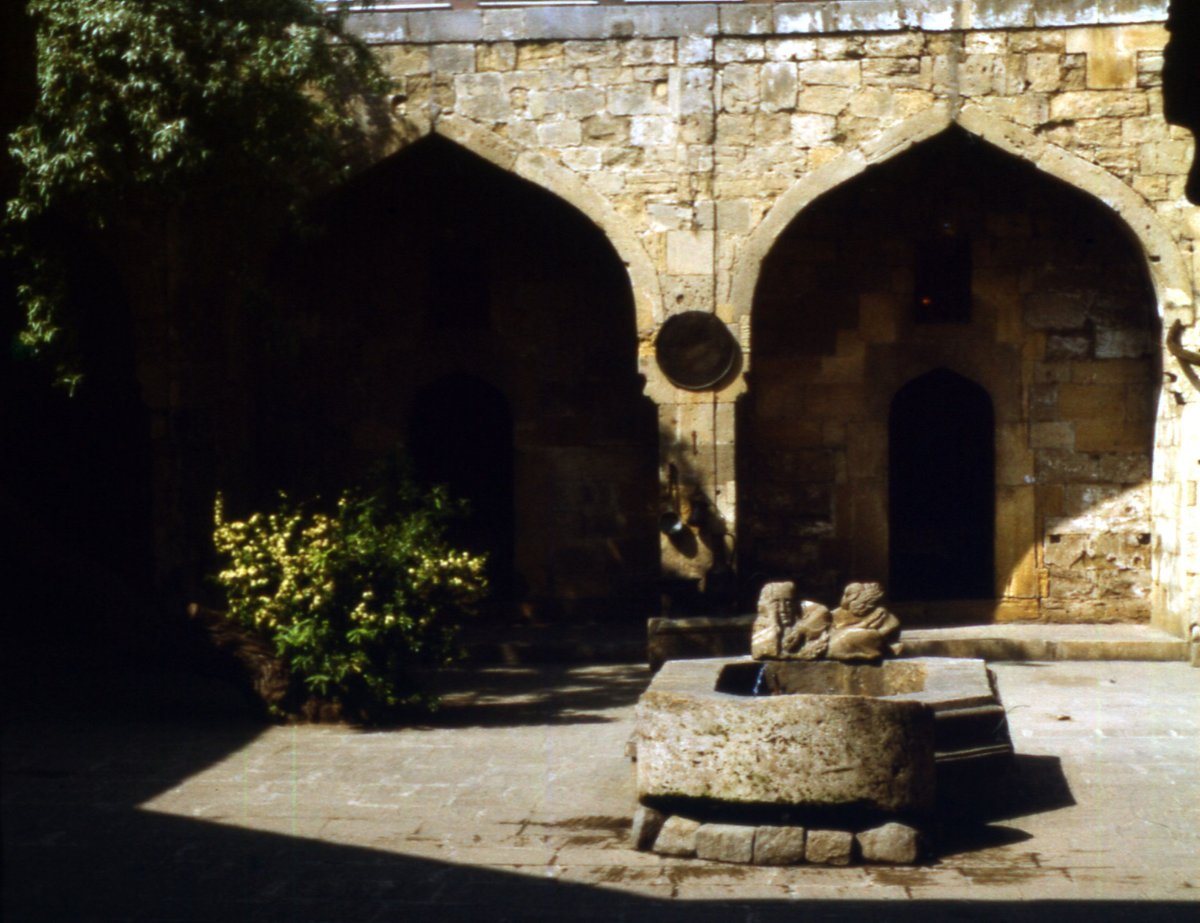
- Sandstone Façade The exterior is adorned with pointed arches, intricate geometric and floral ornamentation, and sculpted portals, all reminiscent of the Shirvanshahs’ Palace.
- Ornamental Details Semi-circular arches, oriental wall patterns, and white ceramic-tiled fireplaces grace the interior, along with remnants of original Azerbaijani carpets.
- Spatial Layout The design balances European spatial planning (grand entrance, reception halls, private quarters) with distinct local aesthetics.
- Heritage Status Registered as a national architectural monument since 2001, the building today serves as the headquarters of the Azerbaijan Union of Architects (Wikipedia, Visions of Azerbaijan).
The house’s unique style inspired other national-romantic projects in Baku, including educational institutions and civic buildings, and remains a touchstone for architectural historians.
The Oil Boom Era and Urban Transformation
Baku’s oil boom between 1870 and 1914 transformed the city into a cosmopolitan metropolis. Its population swelled from 13,000 to over 200,000, and new wealth enabled the construction of lavish mansions, civic buildings, and infrastructure. Agabala Guliyev and his contemporaries not only contributed to the city’s physical landscape but also played pivotal roles in its social and cultural development. Their patronage of the arts, education, and philanthropy laid the groundwork for Baku’s modernization and cultural renaissance (Baku Architecture Guide).
Visitor Information
Visiting Hours and Tickets
- Exterior Viewing As of 2024, Agabala Guliyev’s House is not operated as a public museum. Its iconic façade can be viewed at any time during the Old City’s open hours (generally from 10:00 am to early evening).
- Interior Access The interior is not open to the general public, except for special events, exhibitions, or by prior arrangement with the Azerbaijan Union of Architects.
- Tickets No ticket is required to view the exterior. Entry fees may apply for nearby museums or for special events hosted at the house.
Accessibility
- Mobility The Old City features cobblestone streets and narrow alleys. While main thoroughfares are generally accessible, some areas may pose challenges for visitors with limited mobility.
- Assistance It is advisable to contact the Azerbaijan Union of Architects in advance for specific accessibility needs.
Guided Tours and Events
- Walking Tours Many local tour operators include Agabala Guliyev’s House as a highlight in guided walking tours of Icherisheher and the Sabail district. These tours provide historical context and architectural insights.
- Languages Tours are often available in Azerbaijani, Russian, and English. Advance booking is recommended, especially for group visits.
Getting There & Nearby Attractions
- Location 24 Murtuza Muktarov Street, Icherisheher (Old City), Baku.
- Metro The nearest station is Icherisheher, just outside the city walls.
- Nearby Landmarks Palace of the Shirvanshahs (UNESCO site), Maiden Tower, Museum of Miniature Books, traditional hammams, and other oil baron mansions.
- Dining The Old City offers many teahouses and restaurants serving Azerbaijani cuisine, such as Karvansaray and Qaynana (Food and Travel Utsav).
Frequently Asked Questions (FAQ)
Q: What are the visiting hours for Agabala Guliyev’s House?
A: The exterior is accessible during Old City open hours, typically 10:00 am to early evening.
Q: Is there an entry fee?
A: No ticket is required to view the exterior. Fees may apply for special events or nearby museums.
Q: Can I tour the inside of the house?
A: The interior is not generally open to the public. Check with the Azerbaijan Union of Architects for occasional events or guided group visits.
Q: Are guided tours available?
A: Yes, local operators include the house in walking tours of Icherisheher and central Baku.
Q: How do I get there?
A: The nearest metro station is Icherisheher. The house is a short walk inside the Old City walls.