Place
Azerbaijan Updated Apr 2026
Baku smells like salt and diesel at 3 a.m., when the Caspian wind slams café chairs against medieval stone and the Flame Towers flicker like actual fire above the walls. Azerbaijan’s capital is a city that refuses to choose between continents: a 12th-century mosque shares a skyline with a Zaha Hadid wave, and the same taxi driver will quote Nizami poetry while tailgating a Lamborghini down a Soviet-era boulevard.
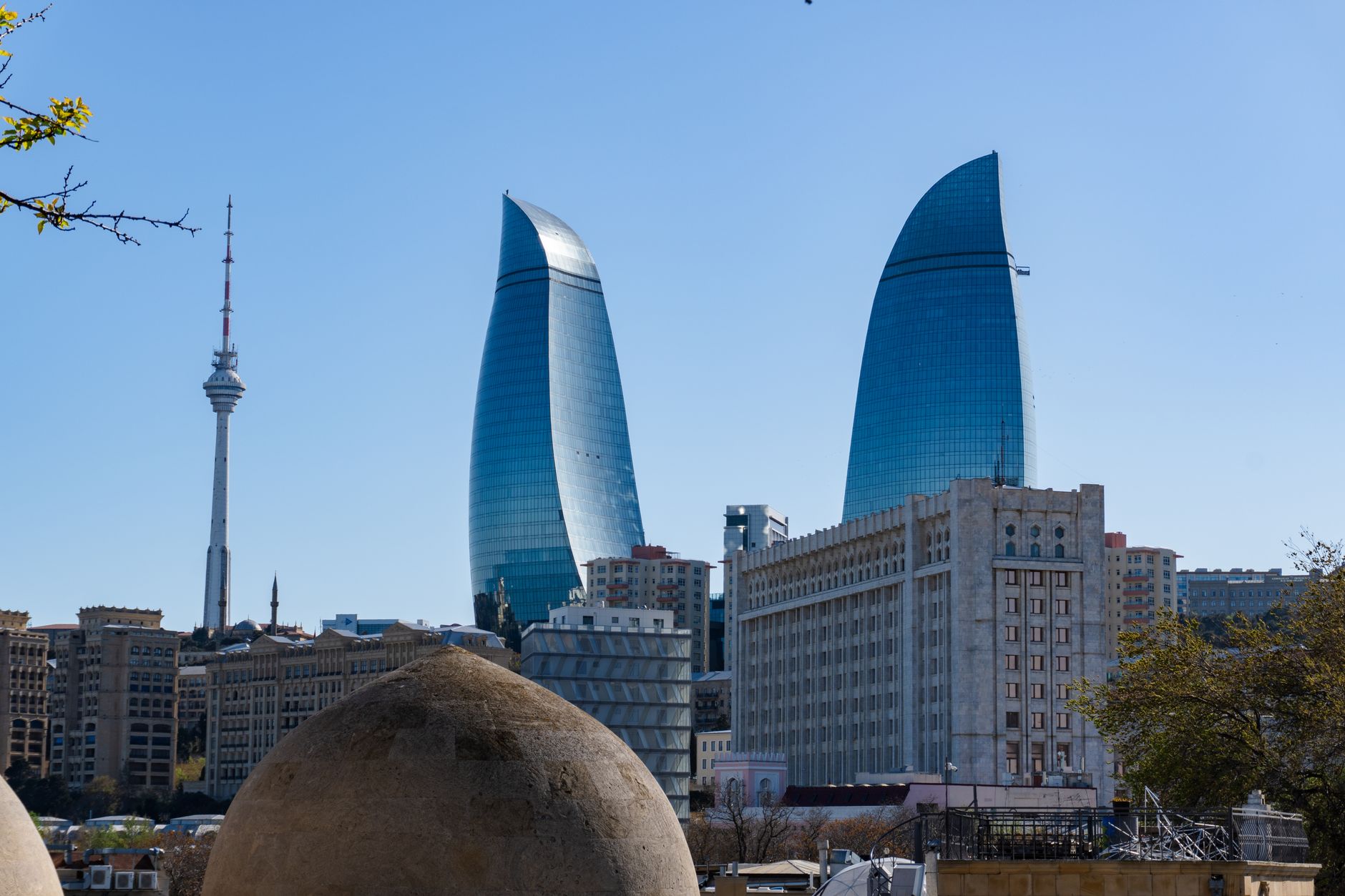 Photo: Zulfugar Karimov / Pexels
Built from cited sources · see the method · How we make our guides →
The oil boom of 1898-1914 paid for Baroque balconies, Moorish arches, and the first electrified street in the Russian Empire; the second boom of 2006-2014 added LED skyscrapers and a Formula 1 track that loops through the Old City like a neon belt. Between booms, Baku learned to make money disappear and reappear without explanation—an art locals practice daily when the bill arrives and everyone pretends not to reach for it.
Walk the Bulvar at dusk and you’ll hear the call to prayer bounce off Soviet mosaics, competing with euro-pop from a rooftop bar. Somewhere a tar player is tuning up for jazz-mugham fusion; somewhere else a grandmother is ladling dushbara soup through a doorway older than the street number. The city doesn’t reconcile these contradictions—it drinks them with black tea, no milk, sugar cube held between teeth.
Not every monument, just the ones we'd walk you past ourselves.

Where to wander, by quarter — each with its own rhythm.
Before you go
Curated from places in this city. Same price as official sites.


Prices shown are indicative — final pricing and availability are confirmed at checkout. Audiala may receive a commission from bookings made via these links.
From fire-worshippers to oil barons, Baku built its future on what burns
Stone Age families camp where the sea meets the desert, leaving flint blades and fish bones in the sand. They notice something eerie: jets of fire licking from the limestone cliffs. The Absheron Peninsula already smells of sulphur and possibility.
Zoroastrian priests found Ateshi-Bagavan—'City of God's Fire'—around a natural gas vent they can never let die. Pilgrims cross deserts to watch flames dance on water. The name Baku hasn't appeared yet, but the cult of fire is already ancient.
Legions of Emperor Domitian march in from the west and scratch Latin graffiti into the rocks at Gobustan. They record a winter campaign, cold enough to freeze their wine. For the first time, someone writes about this place in a language we can still read.
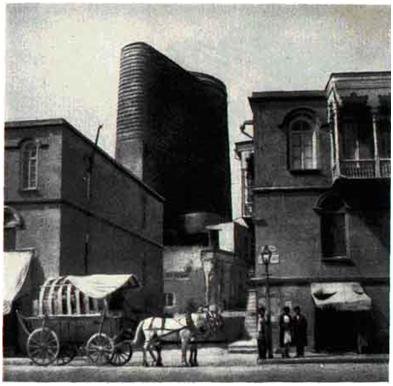
Builders finish the oldest thing in Baku you can still touch. The minaret's brickwork spirals 26 meters up, narrow enough that you can circle it with both arms. It survives every earthquake, every army, every oil boom.
Born south-east of Baku, he writes in Persian but thinks like a Caucasian. His 'Seven Beauties' and 'Layla and Majnun' will echo through every caravanserai from here to Delhi. Centuries later, Baku names its main literature museum after the boy who taught the region how to speak in verse.
Shamakhi collapses in a single dawn. Shirvanshah Akhsitan I loads the treasury onto camels and rides east to the walled port of Baku. Overnight the fishing town becomes a royal seat; masons start quarrying limestone for palaces instead of nets.
Ibrahim I lays the first stone on the highest ridge inside the walls. Over forty years the complex grows: throne room, mosque, treasury, bathhouse sunk two stories underground. The limestone catches the afternoon sun and glows like warm bread.
Shah Ismail I's red-capped cavalry camp outside the walls for three months. They dig beneath the Maiden Tower, light fires in the tunnels, and watch the stonework crack. When the wall gives way, the last Shirvanshah flees; a 400-year dynasty ends in smoke.
Russian warships drop anchor on 10 July. The garrison counts 400 cannons and surrenders before breakfast. For twelve years Baku flies the double-headed eagle, but St Petersburg is too far away to hold the prize for long.
Engineers at Bibi Heybat hand-dig a hole 21 meters deep and strike oil before anyone in Pennsylvania even tries. The black fountain shoots skyward, coating the desert in crude. Baku's future smells of petroleum and money.
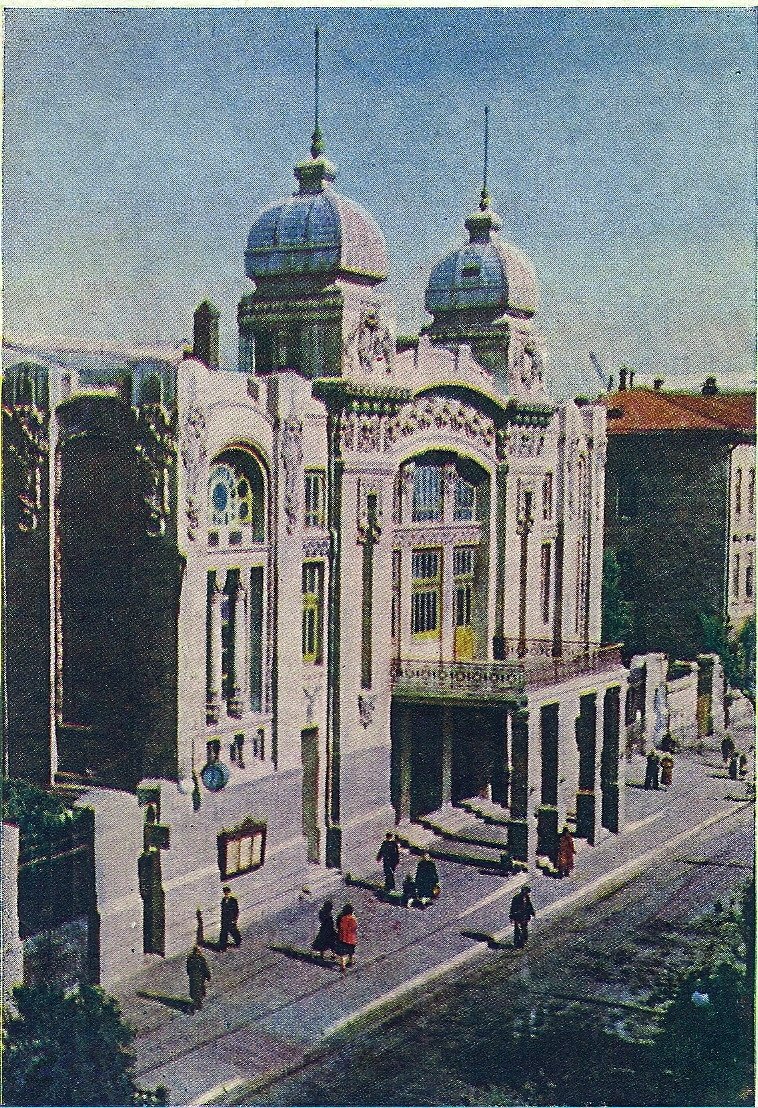
Born in a courtyard off the Old City walls. In 1908 he stages 'Leyli and Majnun'—the first opera ever performed in the Muslim world. The audience hears European violins weeping around an Azerbaijani mugham melody and realizes East and West can share the same stage.
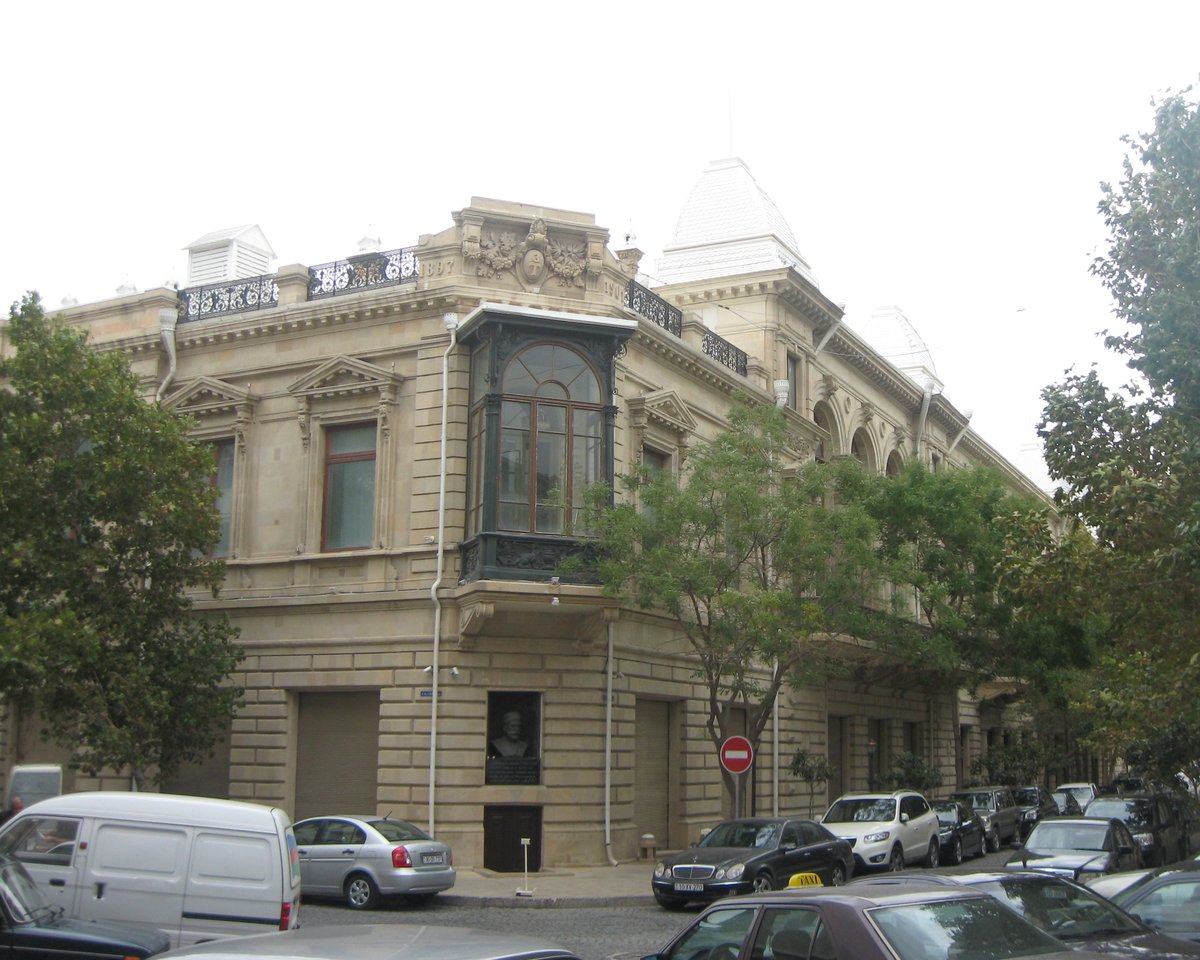
Derricks sprout like iron weeds on every hill. Baku produces 11 million barrels a year—more than the United States. The air tastes of kerosene; workers sleep in shifts; barons build neo-Gothic mansions on the profits.
Armenian and Bolshevik militias herd Muslim civilians into the harbor and open fire. Bodies drift on an oil-slick sea for days. The killings leave a wound that still aches whenever politics turns ugly.
In the palace of the former oil magnate Taghiyev, delegates proclaim the first secular Muslim republic. The red-green-tricolor flag rises above a city that isn't sure if it's European, Asian, or something new entirely.
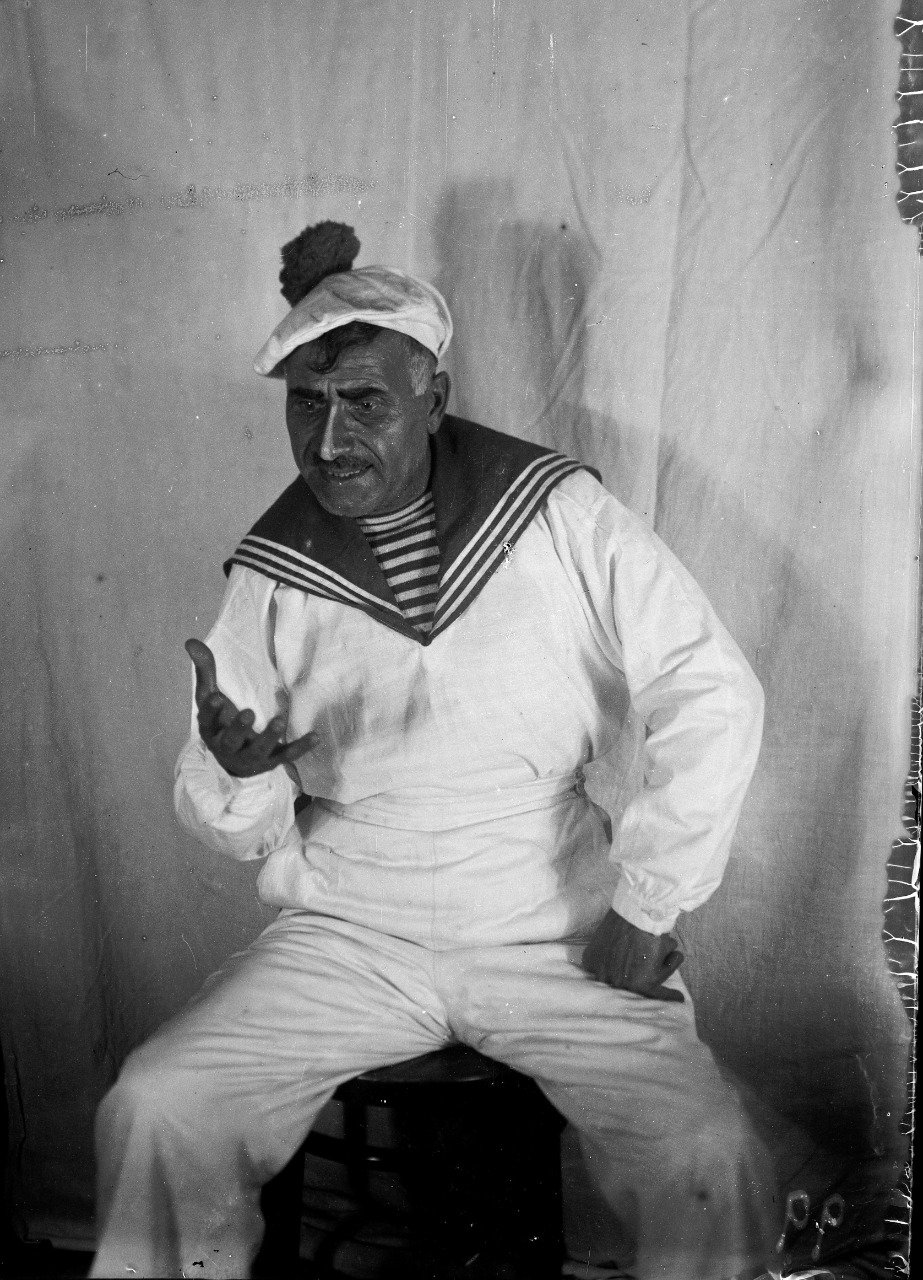
Sailors from the Caspian Fleet land at dawn, arrest the cabinet by lunchtime, and declare the Azerbaijan Soviet Socialist Republic before dinner. Private oil wells become state property overnight; the Nobels flee on the last steamer to Sweden.
German mountain troops capture Mount Elbrus, 500 kilometers west. Stalin orders Baku's oil wells wired with explosives. The city digs anti-tank trenches along the boulevard; every second citizen volunteers for militia. The Wehrmacht never arrives, but the fear lingers like winter fog.
The physicist born on Pushkin Street in 1908 collects the prize for his theory of superfluidity. He still signs his letters 'L. Landau, Baku'. The city builds him a statue, but he prefers to be remembered for equations, not bronze.
Soviet tanks roll down Nizami Street before dawn, crushing barricades built from overturned cars. Troops fire into apartment blocks; 147 civilians die. The massacre turns independence from slogan to necessity.
The walls that survived every siege are now protected from neglect. Restoration crews peel back Soviet concrete to reveal 12th-century brick. Tourists follow, clutching cameras and cold pomegranate juice.
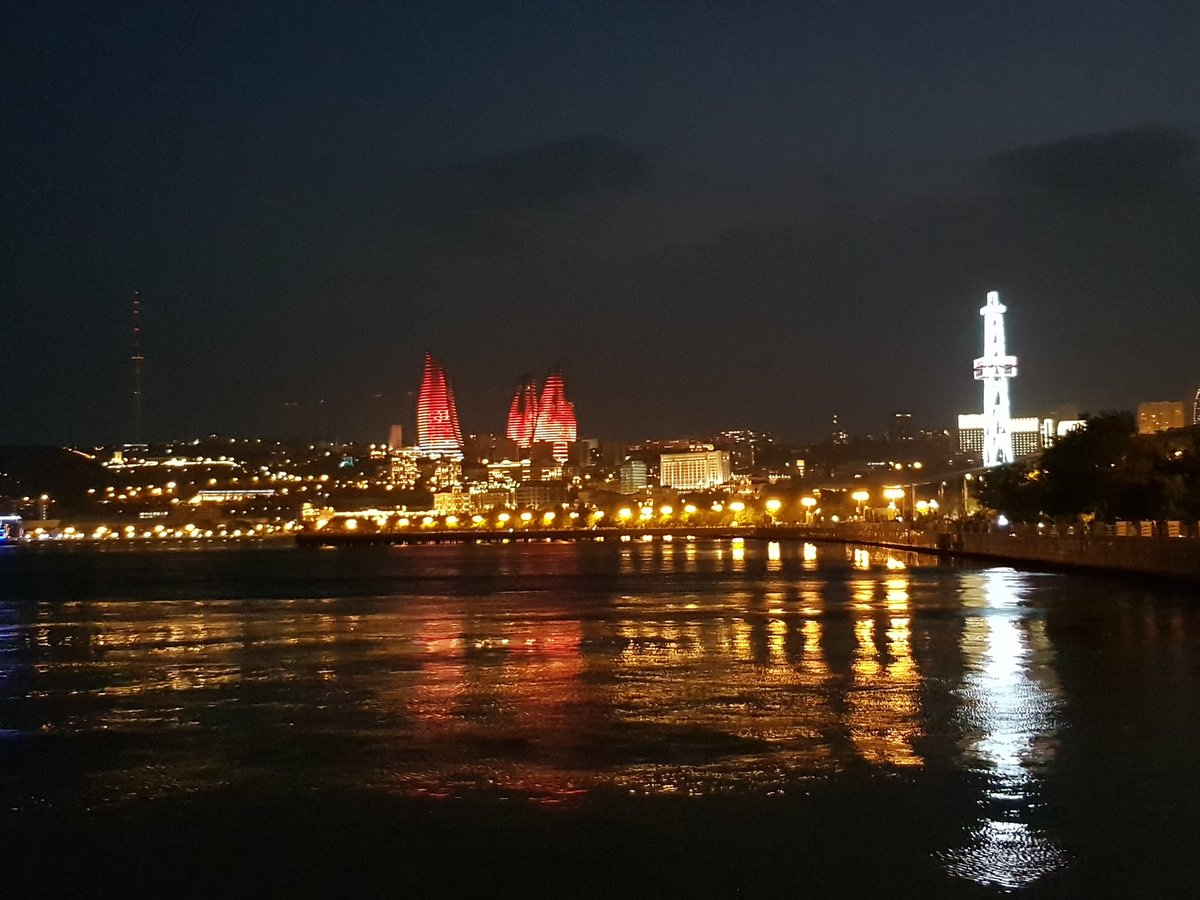
Three curved skyscrapers—190 meters of LED skin—start nightly performances of digital fire. From the boulevard they look like giant lighters held to the wind. The ancient cult of fire returns as corporate branding.
Poet · 14th century
Lived and wrote here
Composed the first known poem in Azerbaijani while praising the Ilkhanid ruler Oljeitu. Today his verses are carved into park benches near the Old City gates—he’d be stunned the language survived six empires.
Architect · 1950–2016
Designed Heydar Aliyev Center
Turned a Soviet parade ground into a flowing white wave that locals nicknamed ‘the frozen whirlpool’. She claimed the curves mimicked Baku’s wind; taxis still slow down so passengers can photograph it.
English Envoy · 16th century
Visited 1568–1574
Recorded Baku’s oil as ‘a marvellous quantity issuing from the ground’ in dispatches to London. His astonishment echoes today when the Yanar Dag hillside still burns without fuel.
Where locals actually book dinner — not the tourist menus.
Small things that change how the city treats you.
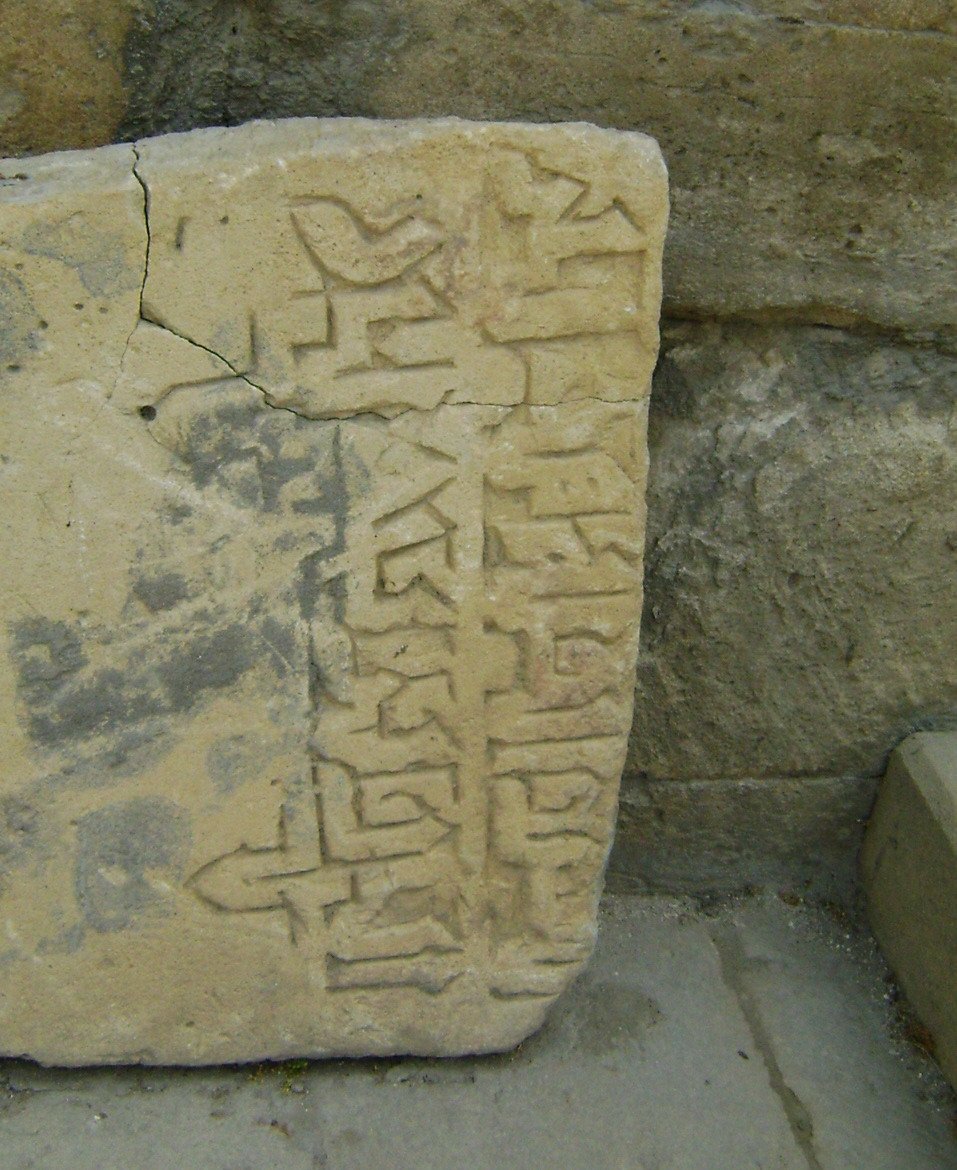
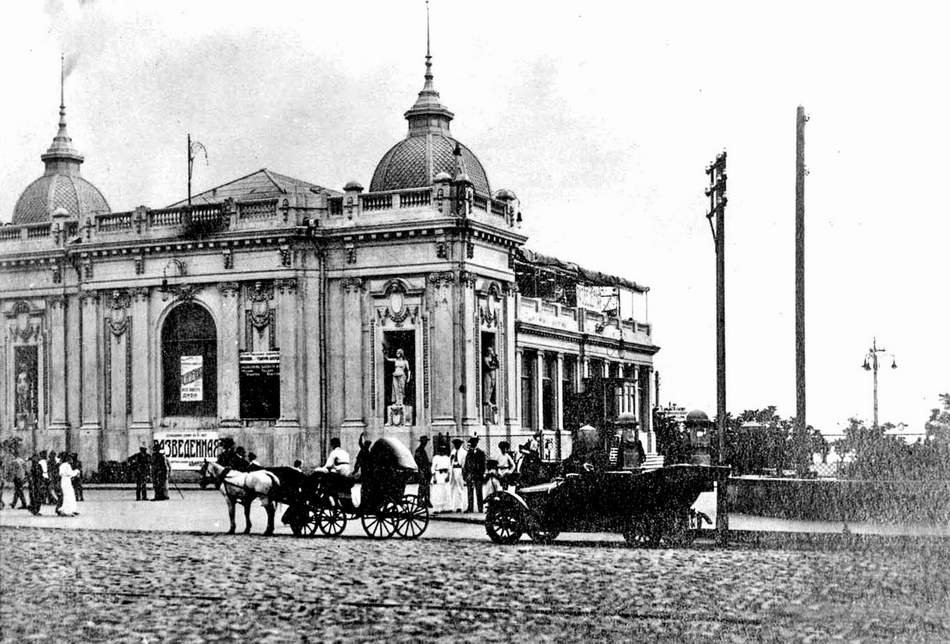
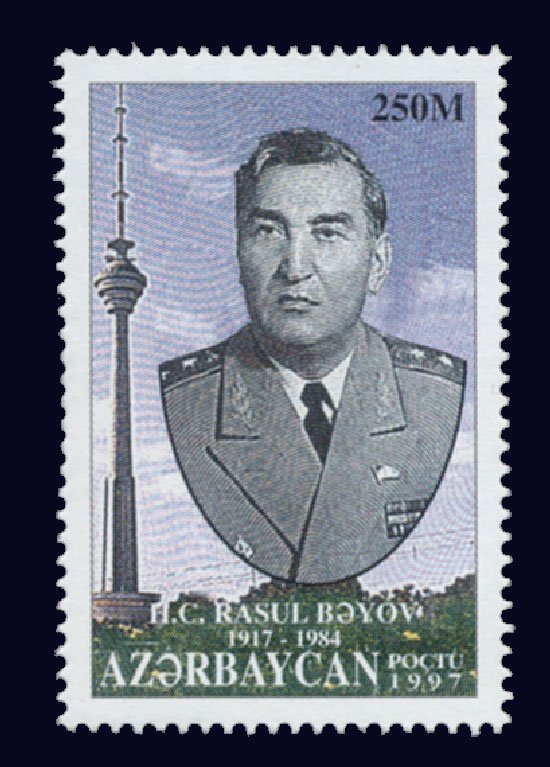
The city, as it actually looks.


Yes—in 48 hours you can walk 12 centuries. One morning in the walled Old City, then Zaha Hadid’s wave-like cultural center glowing against Soviet apartment blocks. Add a night when the Flame Towers turn into flickering torches.
Three covers the city, five if you add Gobustan’s mud volcanoes and Yanar Dag’s eternal hillside fire. Most travelers wish they’d traded one Old City meal for an evening on the boulevard watching the Caspian wind erase the footprints.
Very. Violent crime is rare and the centre is well-lit. After midnight stick to Fountains Square or Nizami Street where bars have security. Taxis are metered—avoid unmarked cars.
Younger Azeris do, especially in hotels and trendy cafés. In bazaars and older teahouses, a few Russian phrases or Google Translate’s camera mode works. Cyrillic still appears on street signs.
Budget €35–50: hostel bed €12, qutab lunch €2, metro €0.30, dinner at a local kebabçı €8. Splurge €80–120 for boutique hotel, wine tasting in Absheron, and a table at Dolma Restaurant.
207 places to discover

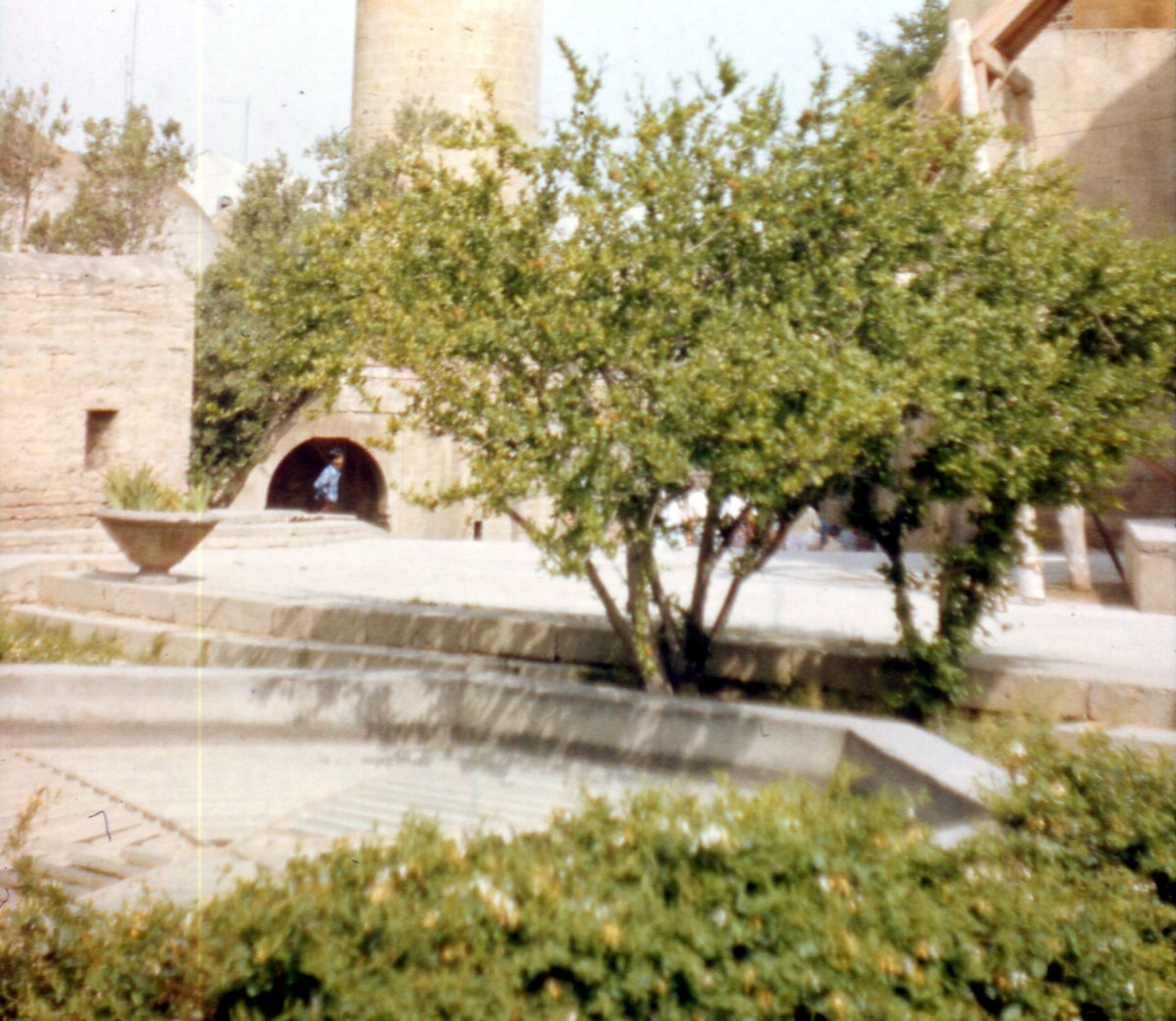
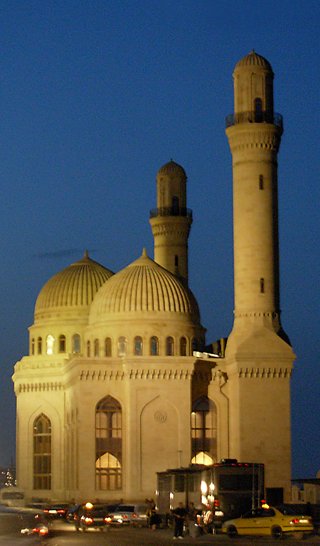
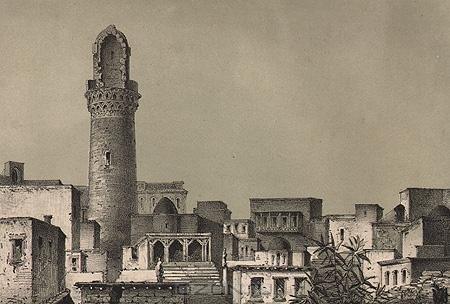
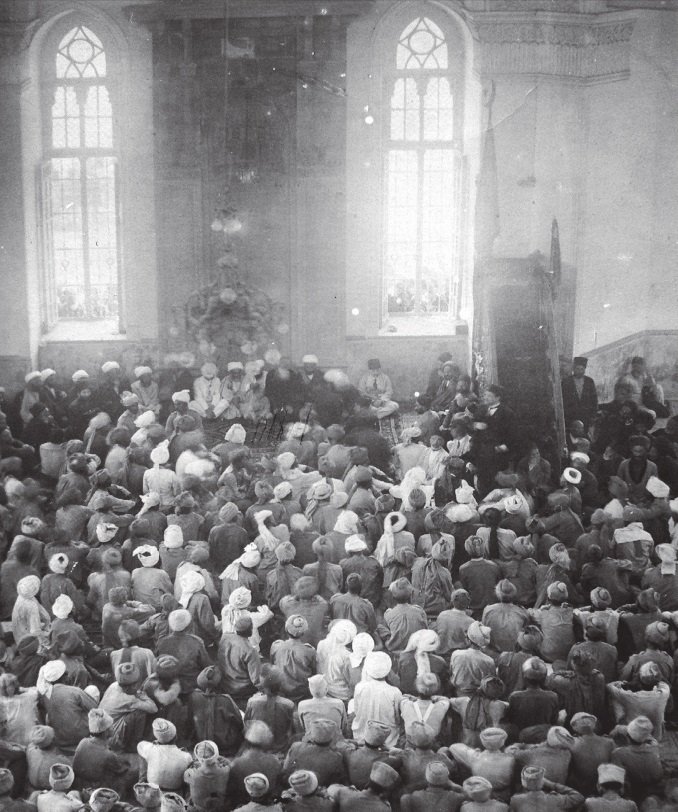
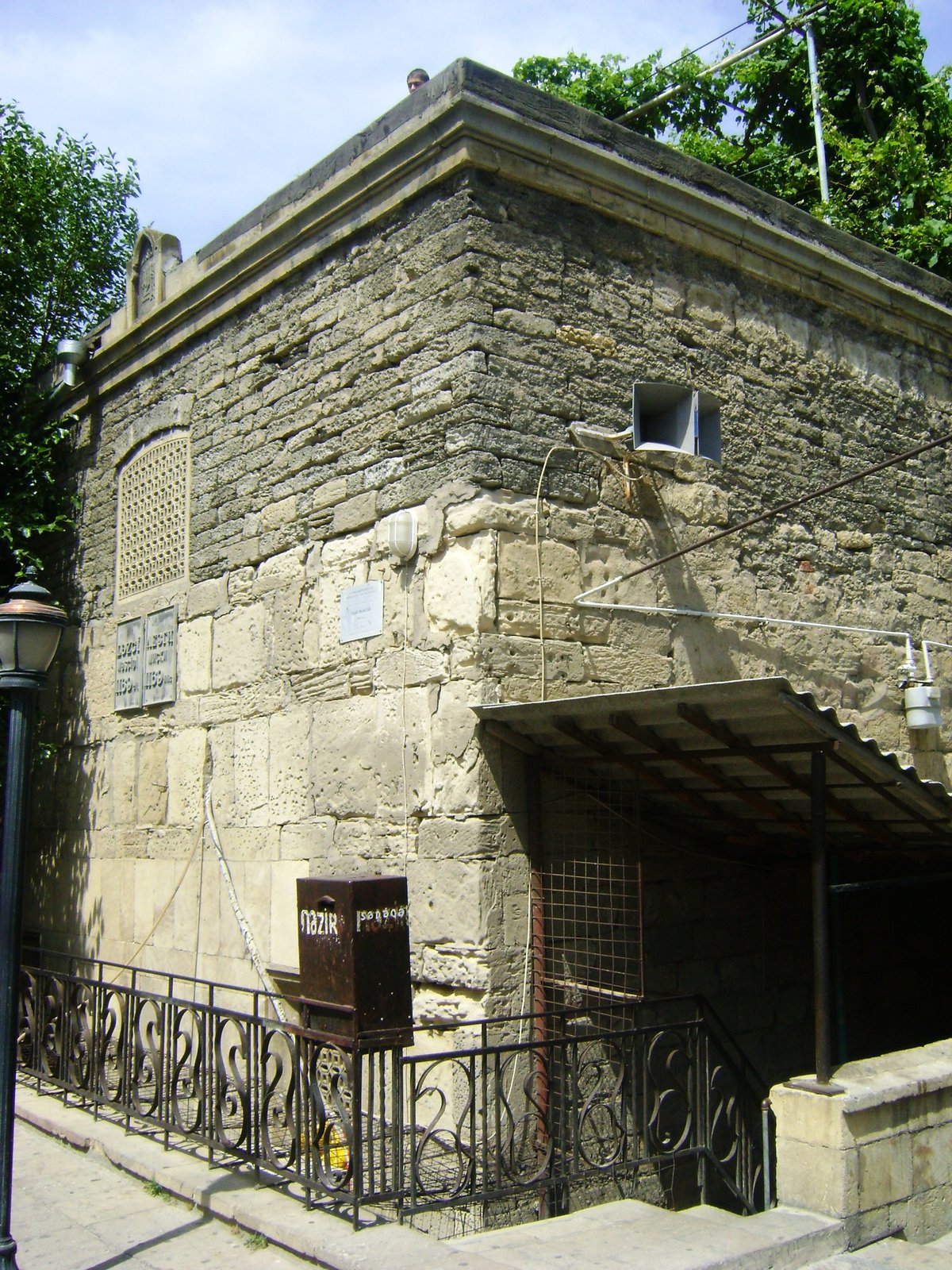
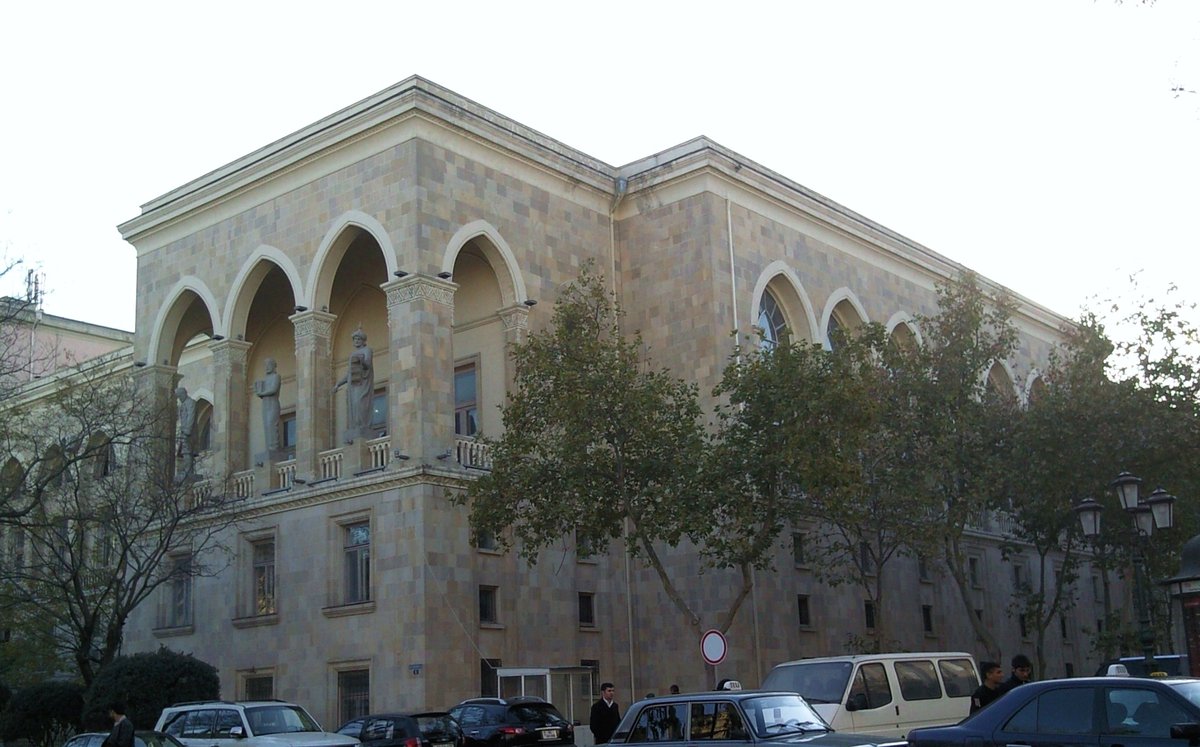
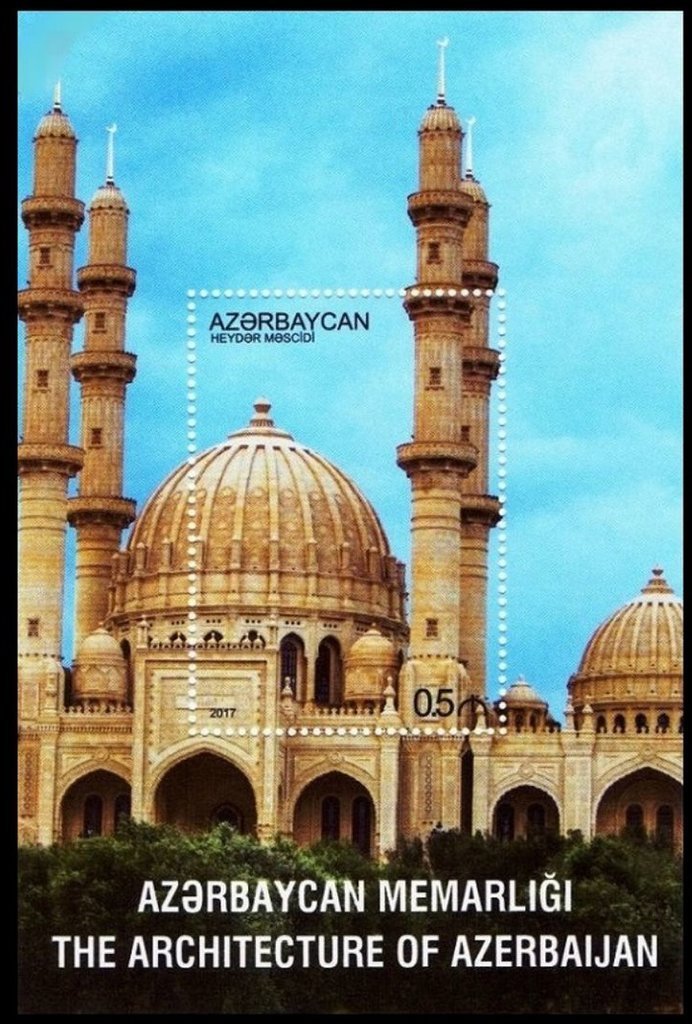
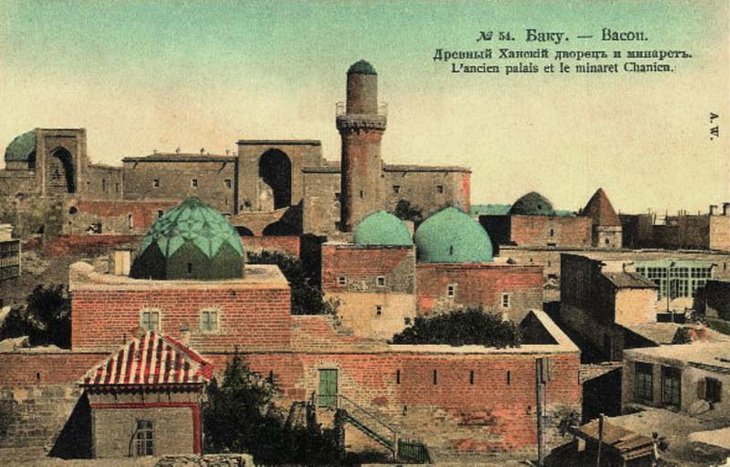
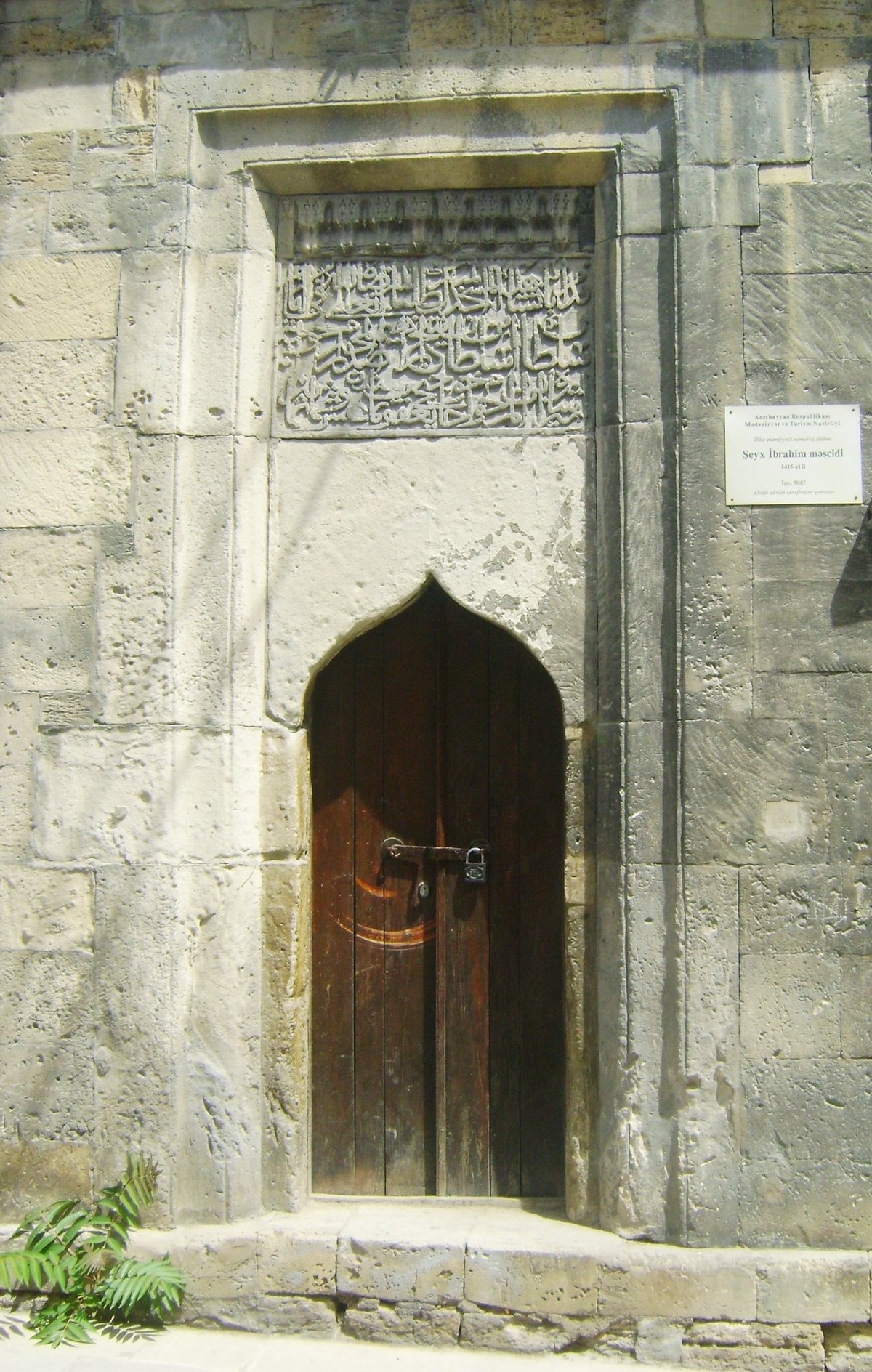
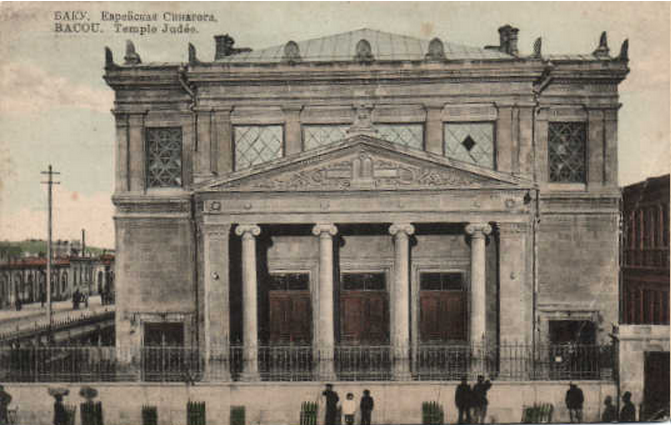
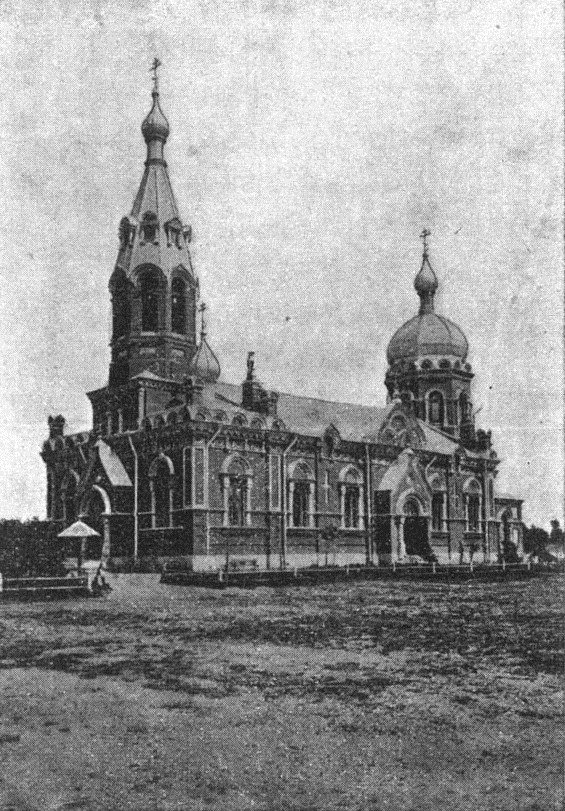
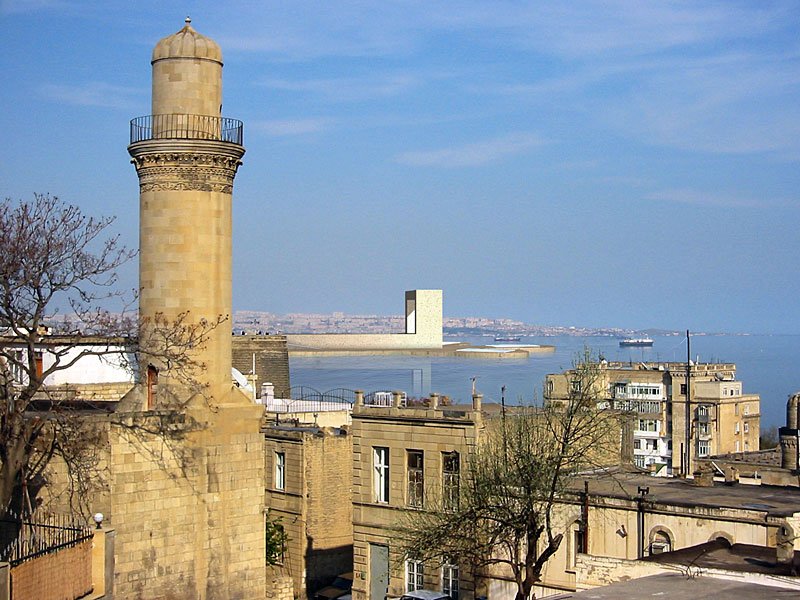
Showing 1–48 of 207 places
Saved and recently read places — kept on this device only.
Photos may have been resized or cropped.