
Historical Origins & Architectural Significance
Early Development
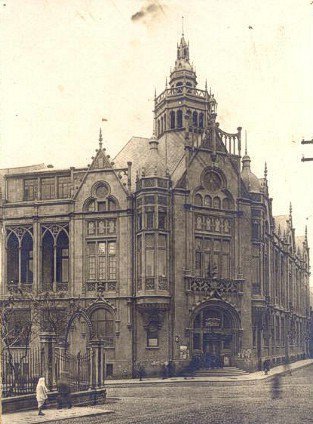
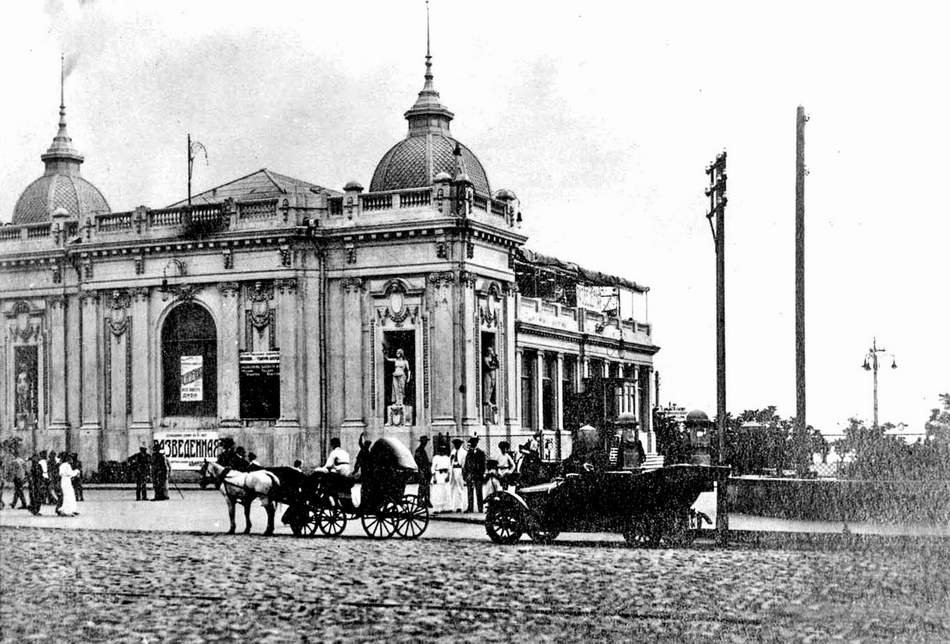
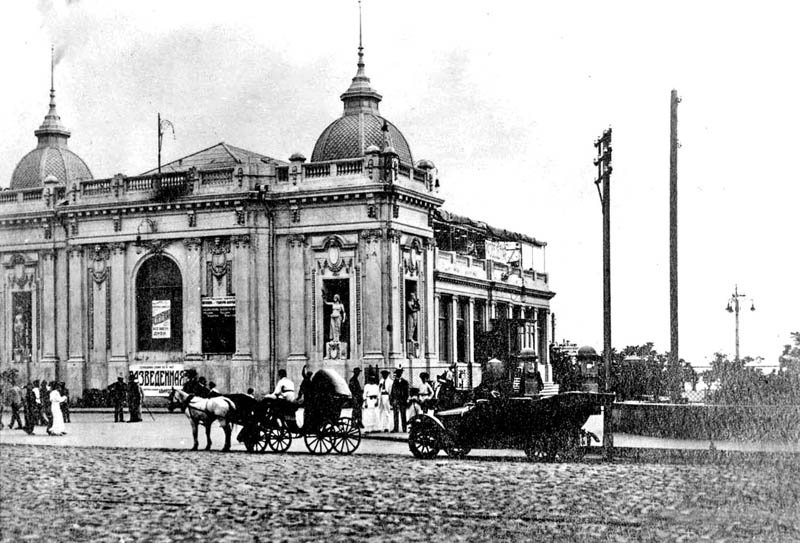
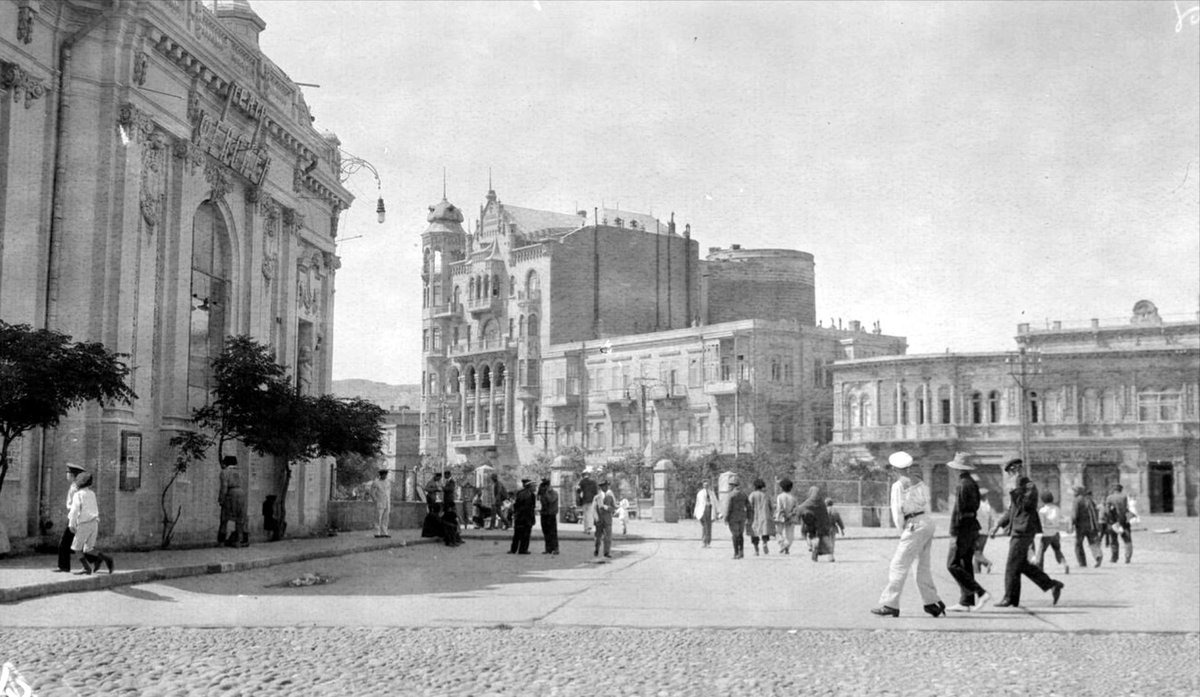
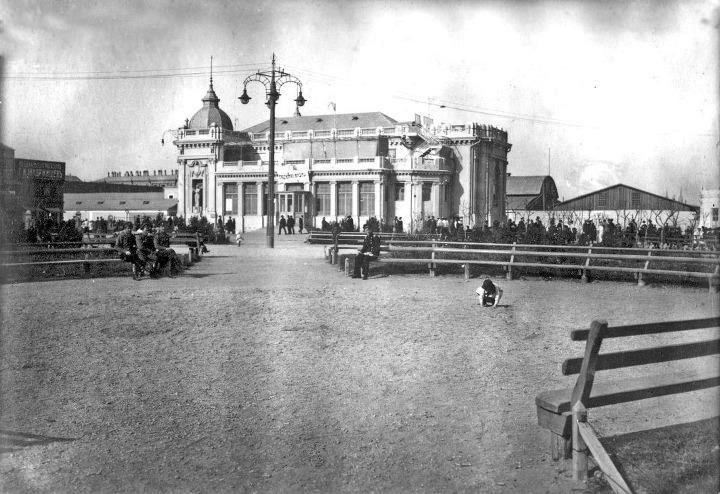
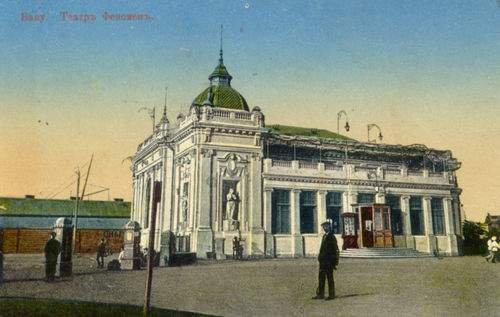
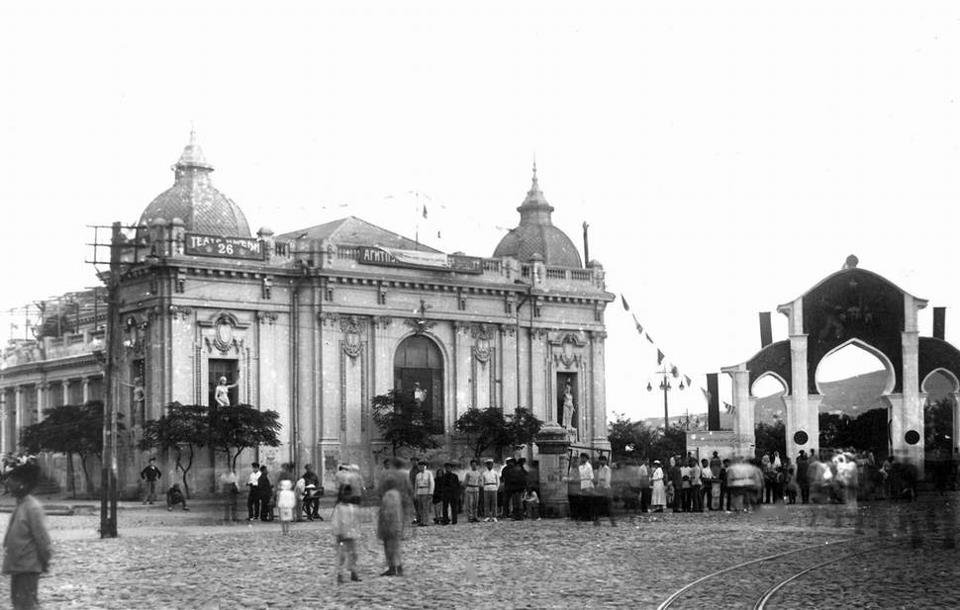
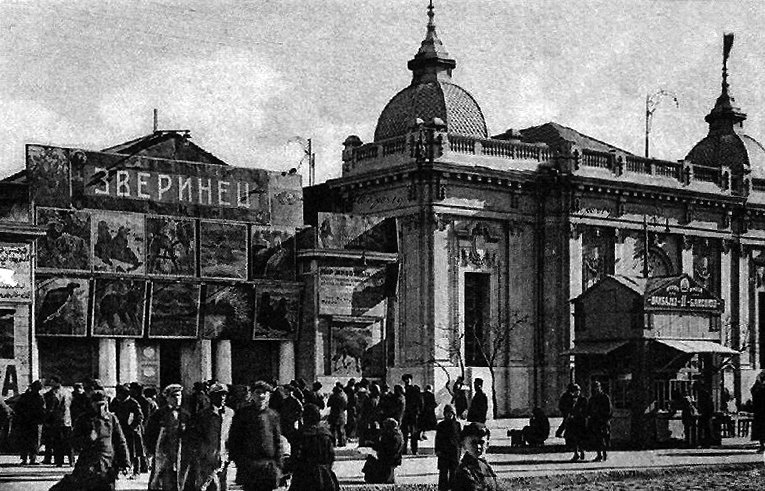
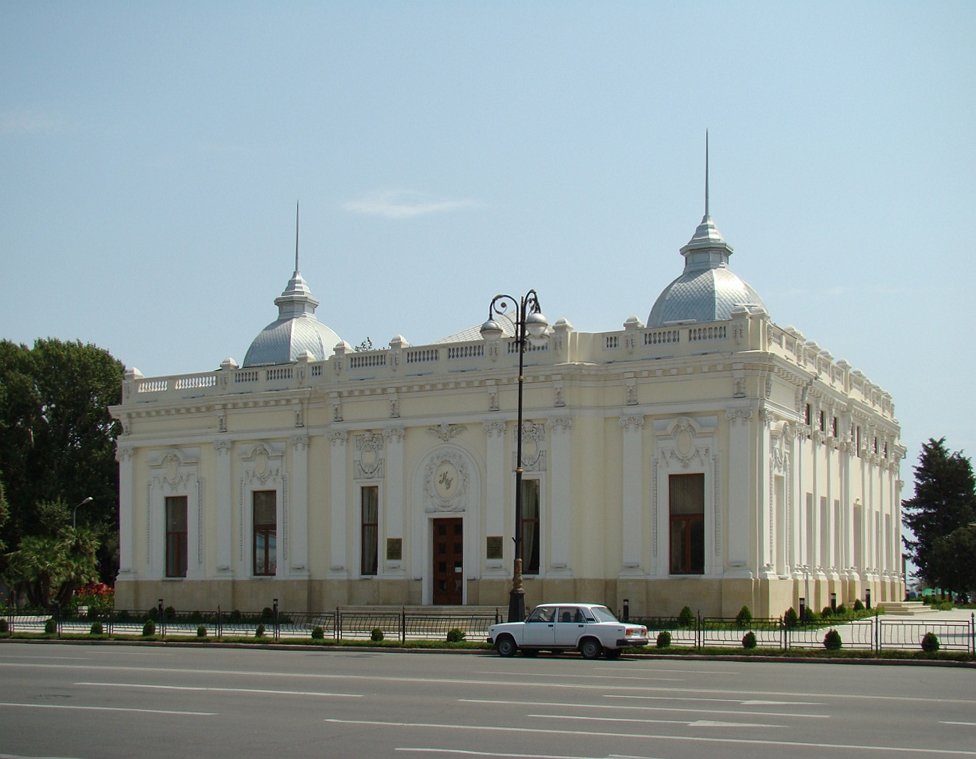
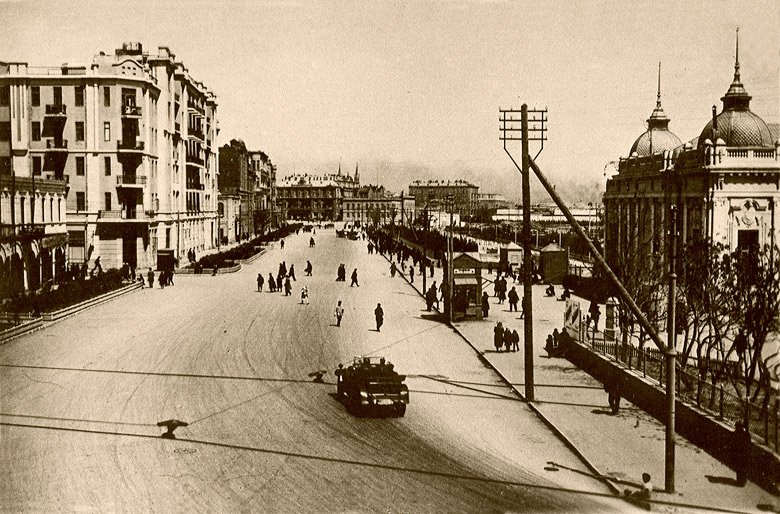
The building housing the Baku Puppet Theatre was constructed in 1910, designed by Polish architect Józef Płoszko as the “Phenomenon” cinema. Its French Renaissance style, advanced ventilation, and impressive auditorium reflected Baku’s early 20th-century oil-fueled growth and cultural aspirations (eurasia.travel). In 1921, Azerbaijani architect Zivar-bey Akhmadbeyov repurposed the structure into the “Satyragite” theater, setting the stage for its future as a performing arts venue.
Architectural Highlights
The theatre’s neoclassical symmetry is distinguished by arched windows, decorative cornices, and a light stone facade. Four mythological figures—Mercury, Bacchus, Poseidon, and Aphrodite—adorn the exterior, symbolizing the universality of art (shunculture.com). Inside, the auditorium seats around 210, fostering intimacy between performers and audience. Ornate plasterwork and period lighting frame the stage, while ongoing restorations have preserved these features for modern visitors (eurasia.travel; trek.zone).
The Theatre’s Repertoire & Artistic Role
Since its official founding in 1931 by Molla Agha Babirli and Jafar Jabbarly, the Baku Puppet Theatre has blended Azerbaijani oral literature, folk traditions, and international classics. Its productions feature a range of puppetry techniques—marionettes, glove puppets, flat puppets—crafted by local artisans and often inspired by national carpet weaving and miniature painting (shunculture.com). The repertoire includes beloved works such as “Jirtdan” and adaptations of Mirza Fatali Akhundov and Jafar Jabbarly.
Dual-language performances in Azerbaijani and Russian, with occasional shows in Turkish, Farsi, and Arabic, reflect Baku’s multicultural heritage (shunculture.com). Since 1974, the theatre bears the name of Abdulla Shaig, a renowned Azerbaijani writer whose works remain staples of the stage.
Cultural and Community Impact
The theatre is a bridge between tradition and modernity, introducing generations to the magic of puppetry and storytelling. It hosts interactive performances, educational workshops, and guided tours that engage both children and adults (Outlook Traveller). Internationally, the theatre participates in festivals such as DEMMENIFEST 2025 in St. Petersburg, bolstering Azerbaijan’s cultural presence on the world stage (AZERTAC).
Visiting the Baku Puppet Theatre
Visiting Hours & Ticketing
- Hours Open Tuesday through Sunday, 11:00 AM – 7:00 PM; closed on Mondays.
- Performance Times Most shows are held in the afternoons, typically between 14:00 and 16:00, especially on weekends and school holidays.
- Tickets Prices range from 5 to 15 AZN, depending on the show and seating. Purchase at the box office or online via local platforms like Biletebi.az (guidedazerbaijan.com).
- Booking Tips Advance booking is recommended, especially for weekend or festival performances.
Accessibility
The theatre is fully wheelchair accessible, with ramps and designated seating. Staff are available to assist visitors with disabilities. Contact the theatre in advance for specific accommodations (evendo.com).
Getting There
Located centrally on Neftchiler Avenue, near the Caspian Sea promenade and Baku Boulevard, the theatre is accessible by:
- Metro Icherisheher or Sahil stations, both within walking distance.
- Bus Multiple routes stop nearby.
- Taxi/Ride-hailing Widely available city-wide.
Guided Tours & Special Events
Guided tours unveil the theatre’s history, architecture, and puppetry techniques. Workshops for children and adults encourage hands-on learning. Special events and international festivals are regularly hosted—check the official website or local listings for updates (trek.zone).
Nearby Attractions
Make the most of your visit by exploring these nearby sites:
- Baku Old City (Icherisheher) UNESCO World Heritage Site with the Maiden Tower and Palace of the Shirvanshahs.
- Baku Boulevard Scenic promenade along the Caspian Sea.
- Azerbaijan State Museum of Art and Carpet Museum: Celebrating national heritage and craftsmanship.
- Other Theatres Azerbaijan State Academic Opera and Ballet Theatre, State Theatre of Young Spectators (guidedazerbaijan.com).
Visitor Experience & Tips
- Arrive Early Arriving 20–30 minutes before showtime allows time for ticketing, seating, and exploring the lobby.
- Dress Code Smart-casual attire is suitable; family-friendly environment.
- Photography Permitted in the lobby, but not during performances.
- Refreshments & Souvenirs Available in the lobby; explore nearby cafes for dining.
- Weather The theatre is climate-controlled, but check forecasts if exploring outdoors before/after your visit (wanderlog.com).
FAQs
Q: What are the Baku Puppet Theatre’s opening hours?
A: Tuesday to Sunday, 11:00 AM to 7:00 PM; closed on Mondays.
Q: How do I buy tickets?
A: At the box office or online via platforms like Biletebi.az (guidedazerbaijan.com).
Q: Is the theatre accessible for people with disabilities?
A: Yes, with ramps and designated seating; assistance is available.
Q: Are performances suitable for children and non-Azerbaijani speakers?
A: Yes. Shows are family-friendly, and the visual nature of puppetry transcends language barriers. Some performances include summaries or narration in additional languages.
Q: Are guided tours and workshops available?
A: Yes, both can be booked in advance via the theatre’s website or administration.