
Historical Background: Mammed Said Ordubadi and His Legacy
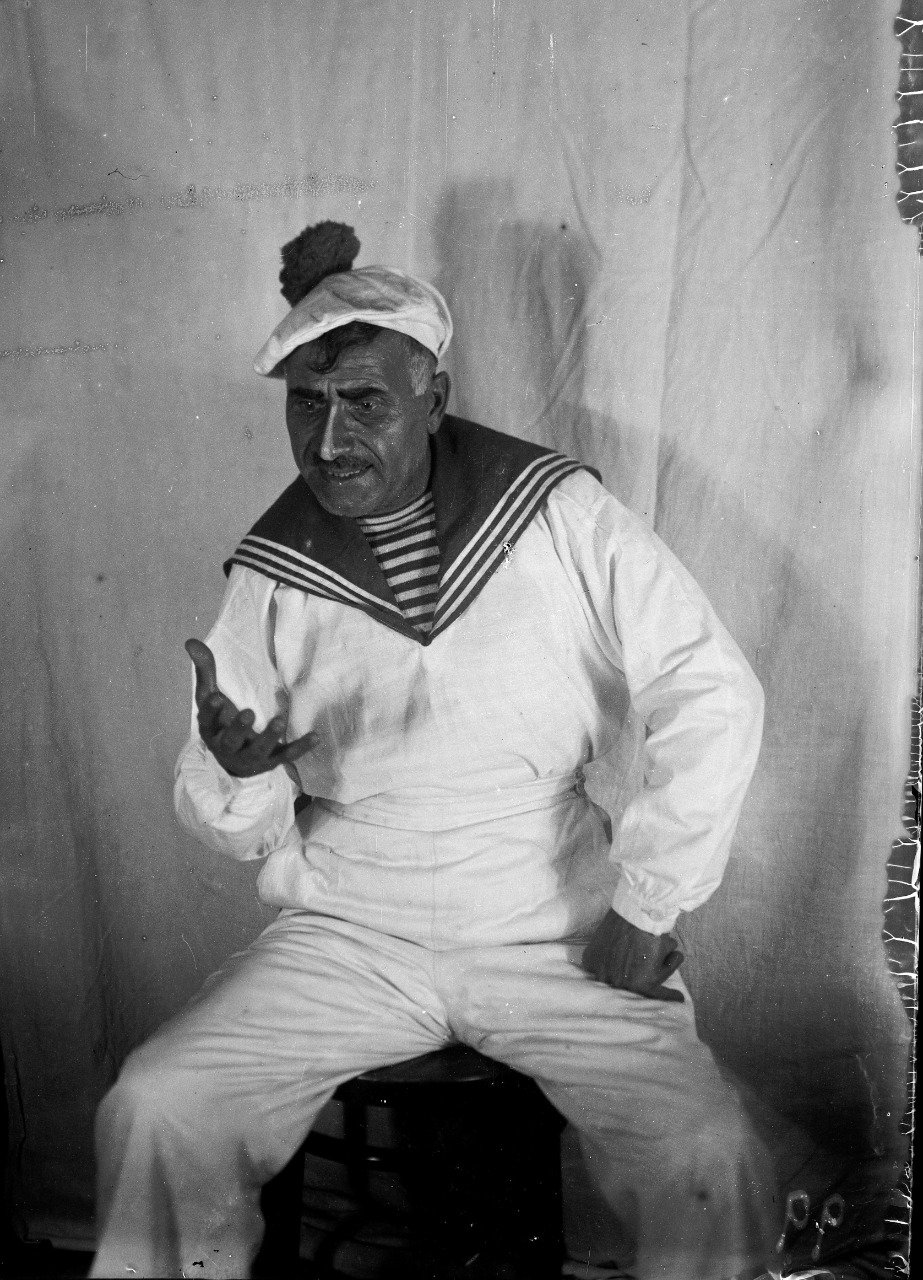
Mammed Said Ordubadi (1872–1950) is widely regarded as the founder of the Azerbaijani historical novel genre. Born in Ordubad, Nakhchivan region, he emerged as a prolific poet, playwright, journalist, and librettist. Ordubadi’s works, such as Foggy Tabriz, Years of Blood, and Sword and Quill, reflect the national consciousness and social upheavals of his time, spanning both the late Russian Empire and Soviet periods. He was also active in political movements, contributing to the Iranian Constitutional Revolution and the early Sovietization of Azerbaijan (Wikiwand, biographies.net).
Throughout his career, Ordubadi advocated for secular education, enlightenment, and social justice, earning him a prominent place in both Azerbaijani literature and public life. He served twice as a deputy of the Supreme Soviet of Azerbaijan SSR and wrote librettos for iconic Azerbaijani operas.
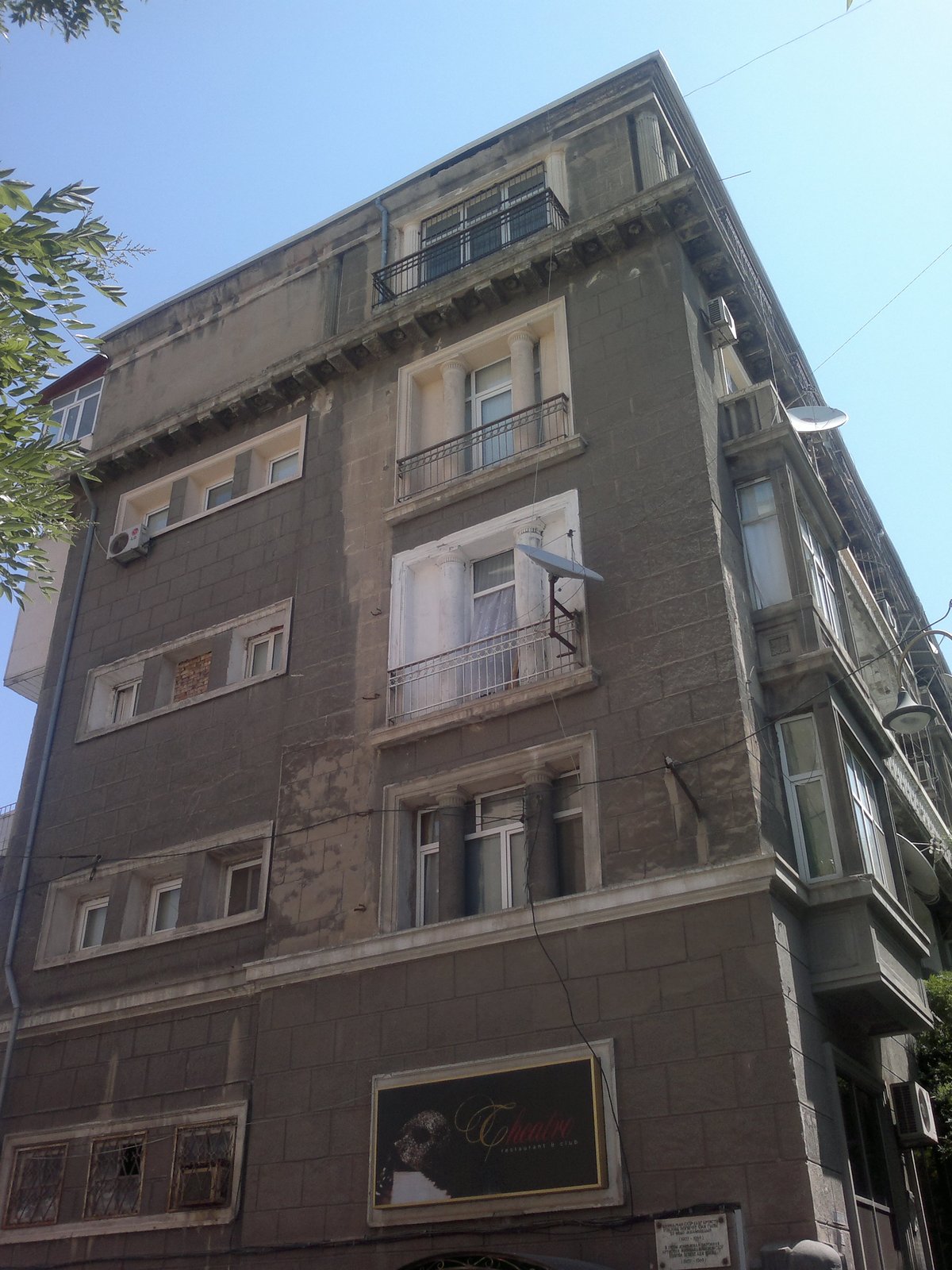
The House-Museum of Mammed Said Ordubadi was established in 1979 in the apartment where he lived from 1938 until his death in 1950. Managed by Azerbaijan’s Ministry of Culture and Tourism, the museum preserves over 2,000 artifacts, including manuscripts, personal belongings, photographs, and rare publications. The site offers a vivid window into Ordubadi’s creative environment and public engagements, making it a vital center for cultural education and research (Window2Baku, Ministry of Culture and Tourism).
Museum Layout and Key Exhibits
The museum occupies approximately 60 square meters and is organized into two main rooms and an entrance hall:
First Room: The Study and Living Area
- Original Furniture Ordubadi’s desk, chairs, and dining table.
- Personal Effects Writing instruments, glasses, and books from his personal library.
- Photographs and Art Images of Ordubadi, his family, and contemporaries, as well as portraits and artworks.
- Manuscripts Selected drafts and original handwritten works.
Second Room: Literary and Public Life
- Published Works Early editions and translations of Ordubadi’s books.
- Correspondence Letters and documents reflecting his public and literary roles.
- Periodicals Issues of Molla Nasraddin, Irshad, and Sada.
- Memorabilia Awards, medals, and a scale model of his Nakhchivan birthplace.
Entrance and Memorials
- Bust of Ordubadi Located at the entrance, symbolizing his cultural legacy.
- Artistic Displays Paintings and artifacts relating to Azerbaijani literary and political history.
Visiting Hours and Ticket Prices
Opening Hours:
- Tuesday to Sunday: 10:00 AM – 6:00 PM
- Closed on Mondays and public holidays.
Ticket Prices:
- Adults: 5 AZN
- Students/Seniors: 3 AZN
- Children under 7: Free
Discounts and group rates may be available for educational groups and special events. Always check the official museum listing or aztravel.online for the most up-to-date information.
Accessibility and Visitor Facilities
While the museum is housed in a historic residential building, efforts have been made to accommodate visitors with disabilities:
- Wheelchair Access Ramps are available, but access may be limited due to the building’s structure. Contact the museum in advance for assistance.
- Seating Benches and rest areas are provided.
- Restrooms Onsite facilities are available.
- Gift Shop The museum offers publications and souvenirs related to Ordubadi and Azerbaijani literature.
Guided Tours and Special Events
Guided tours are available in Azerbaijani, Russian, and English upon prior booking. These tours provide in-depth commentary on Ordubadi’s life, historical context, and the significance of the collections. The museum also hosts special exhibitions, anniversary events, and literary readings, especially during national holidays and commemorative dates (millikitabxana.az).
Photography and Visitor Guidelines
- Photography Allowed for personal use without flash or tripods.
- Social Media Visitors are encouraged to share their experience using hashtags such as #OrdubadiHouseMuseum and #BakuHistoricalSites.
- Conduct Modest attire is recommended out of respect for the cultural context. Please maintain a quiet atmosphere.
How to Get There
- Address 19 Khagani Street, Baku, Azerbaijan.
- By Metro Nearest station is Sahil Metro (10-minute walk).
- By Taxi Widely available in Baku; average fares are 3–8 AZN within the city center.
- On Foot Easily accessible from Nizami Street and Baku’s Old City (Icherisheher).
- Parking Limited street parking is available nearby.
Nearby Attractions
Combine your visit with other significant Baku sites:
- Icherisheher (Old City) UNESCO World Heritage Site with the Maiden Tower and Palace of the Shirvanshahs.
- Nizami Street Pedestrian avenue for shopping, dining, and architecture (trip101.com).
- Azerbaijan State Academic Opera and Ballet Theater
- National Art Museum of Azerbaijan
- Baku Boulevard
These attractions are within walking distance or a short taxi ride, making it easy to plan a full day of cultural exploration.
Frequently Asked Questions (FAQ)
Q: What are the museum’s visiting hours?
A: Tuesday to Sunday, 10:00 AM – 6:00 PM. Closed on Mondays.
Q: How much are tickets?
A: 5 AZN for adults, 3 AZN for students and seniors, free for children under 7.
Q: Is the museum accessible for visitors with disabilities?
A: Some accessibility features are available. Contact the museum ahead to discuss your needs.
Q: Are guided tours available?
A: Yes, in multiple languages with advance booking.
Q: Can I take photos inside?
A: Personal, non-flash photography is permitted.
Q: What is the best way to reach the museum?
A: By metro (Sahil Station), taxi, or on foot from nearby landmarks.