


Historical Origins and Architectural Evolution
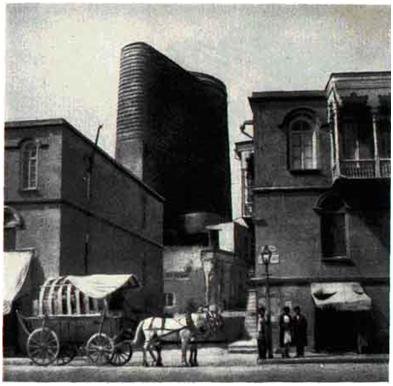
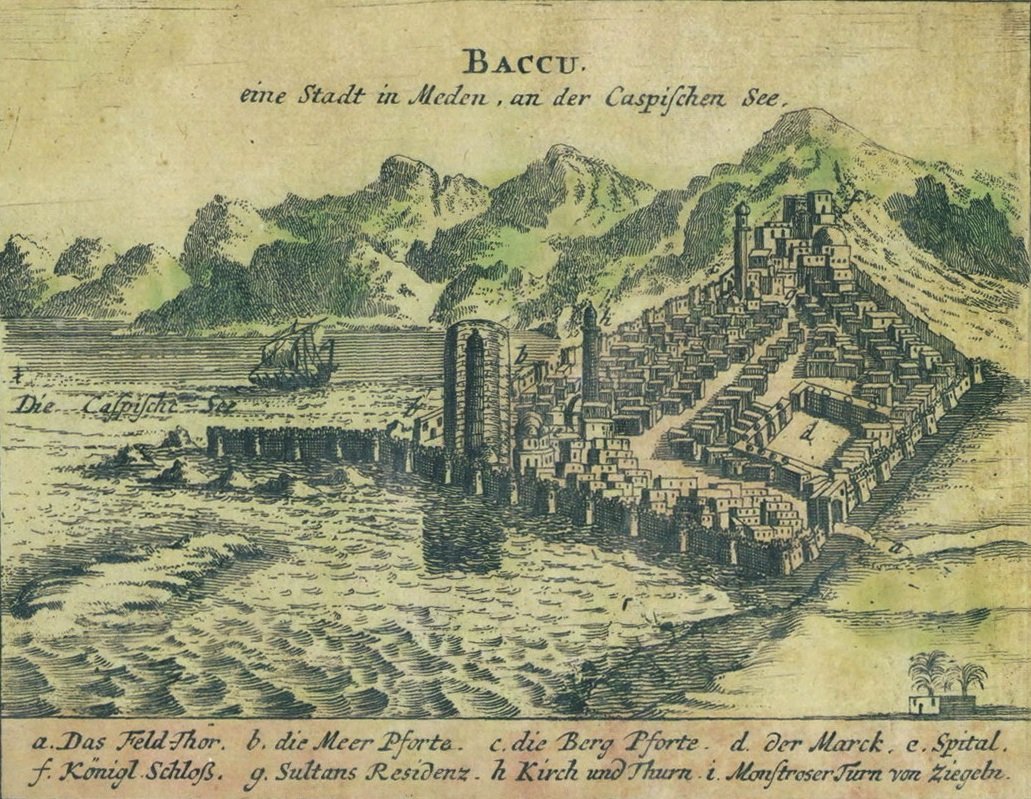
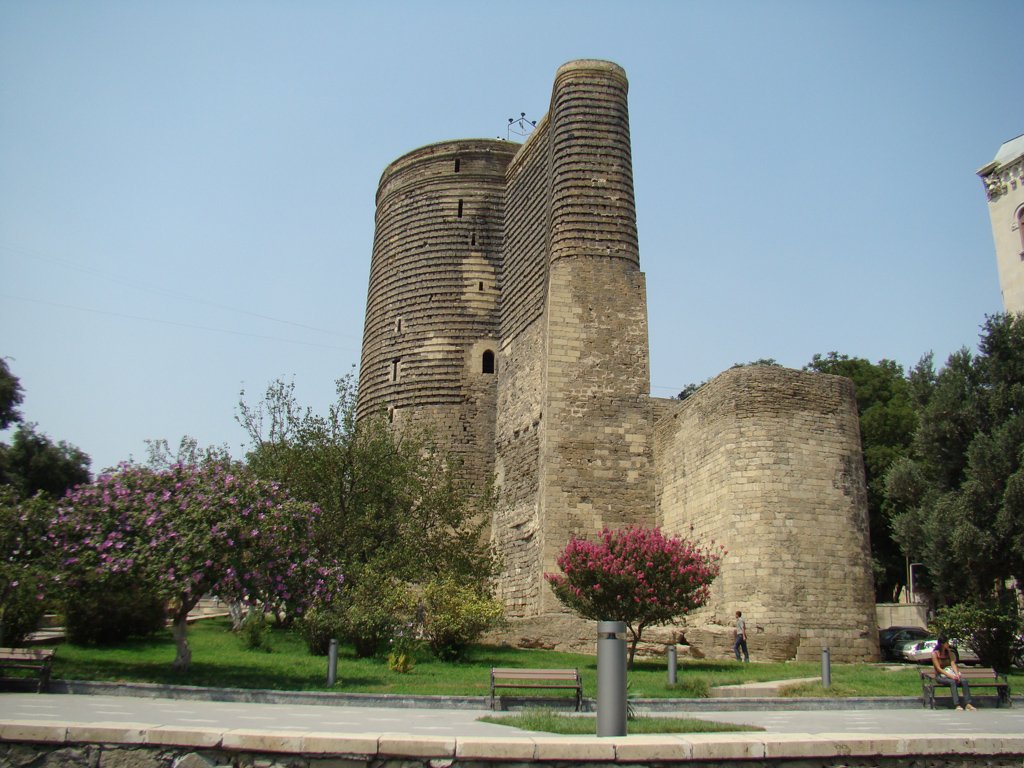
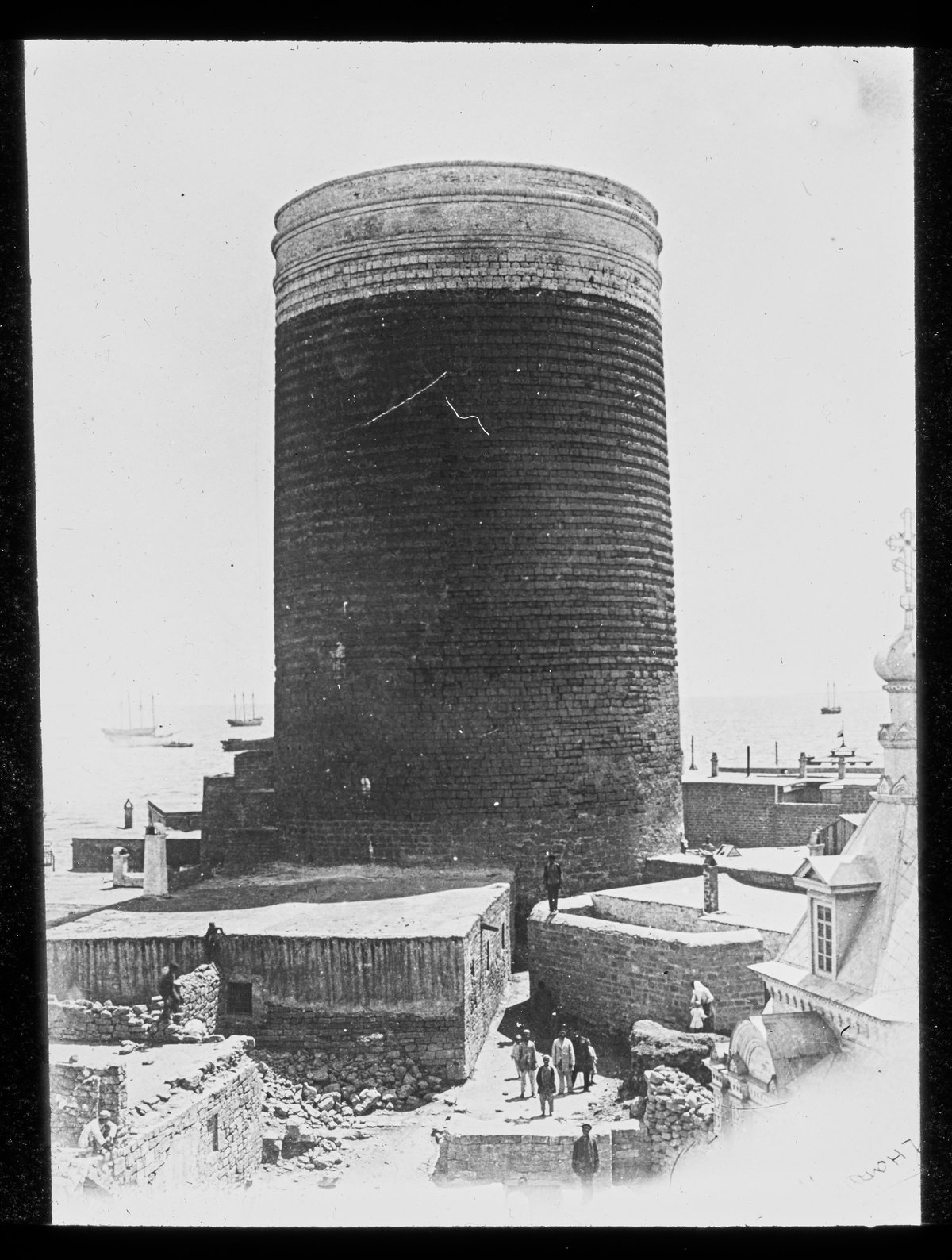
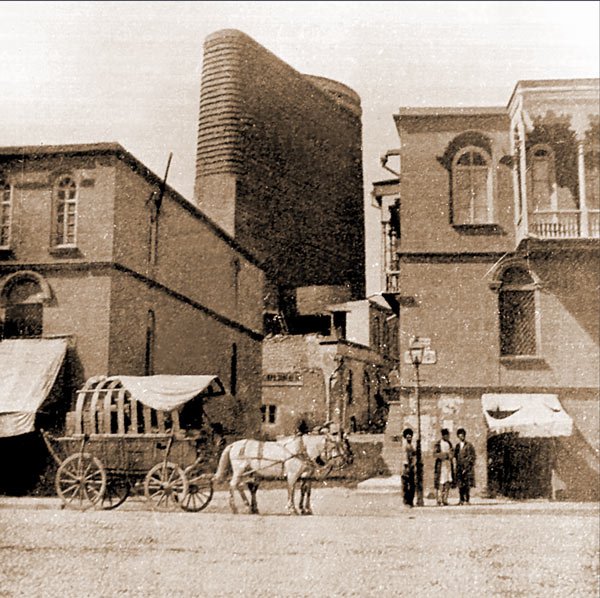
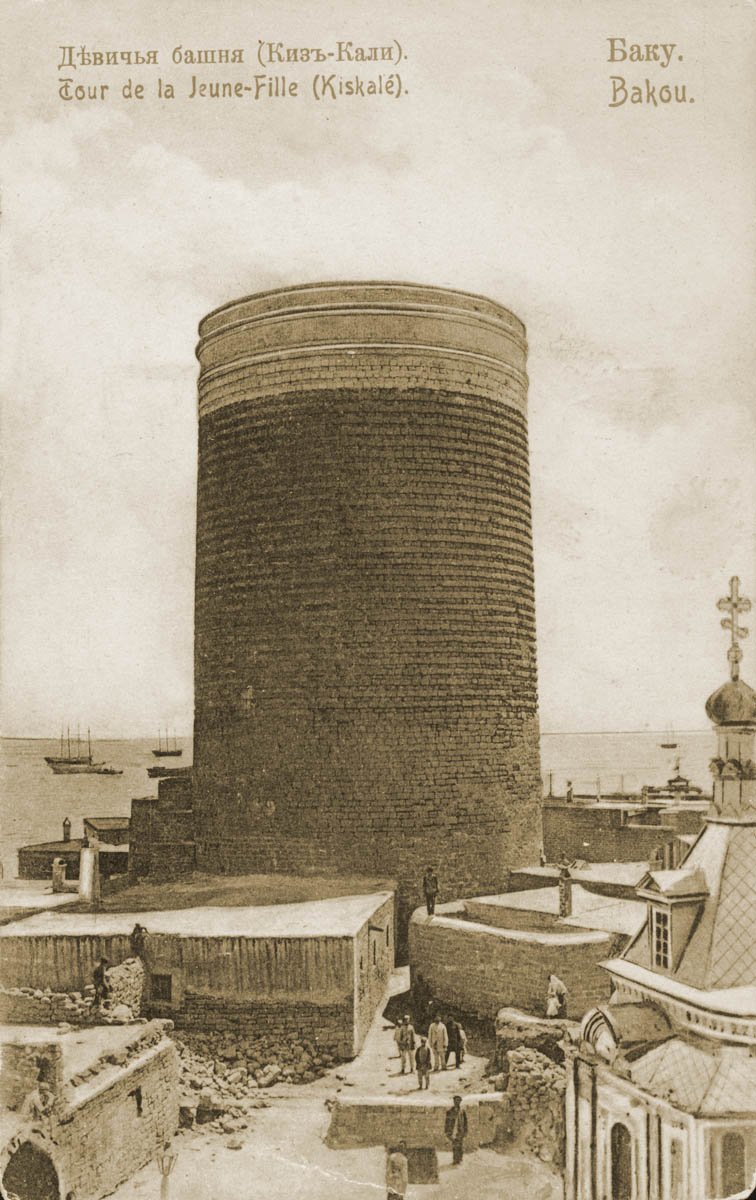
The Maiden Tower’s enigmatic history is the subject of ongoing scholarly debate. While its present form largely dates from the 12th century, archaeological evidence suggests that its foundations could be much older, possibly from the 5th or 6th century CE. The tower rises 29.5 meters (97 feet), with walls up to 5 meters thick, and is constructed from locally quarried limestone. Its most distinctive features include a massive southeast buttress and an eight-floor interior linked by a spiral staircase (letsgobaku.com; bakucity.preslib.az).
Architectural analysis indicates that construction likely occurred in two main phases. The lower section is thought to predate Islam, possibly serving an earlier defensive or ceremonial purpose, while the upper levels were completed under the Shirvanshahs in the 12th century. The tower’s design demonstrates advanced medieval masonry and seismic resilience, with thick, tapering walls and a foundation engineered to withstand both attacks and natural disasters (twopassportsoneplanet.com).
Theories on the Tower’s Name
The origin of the name “Maiden Tower” (Qız Qalası) remains shrouded in mystery. Prominent interpretations include:
- Impenetrability The tower’s unconquered status, likened to the inviolability of a maiden.
- Religious Symbolism Some scholars connect the name to the Zoroastrian virgin goddess Anāhitā, reflecting the structure’s possible religious significance.
- Legendary Tales The most popular explanation stems from an Azerbaijani legend in which a maiden leaps to her death from the tower to escape a forced marriage, endowing the monument with its evocative name (thisisbaku.az).
Despite extensive research, the true meaning remains elusive, contributing to the tower’s enduring allure (obscurehistories.org).
Legends and Folklore
The Tragic Maiden
The most famous legend tells of a khan’s daughter who, seeking to avoid an unwanted marriage, requested the construction of the tower. Upon its completion, she threw herself from its summit. This poignant narrative has inspired Azerbaijani ballet, literature, and visual art, notably Afrasiyab Badalbeyli’s 1940 ballet “Maiden Tower.”
The Fire-Haired Virgin Savior
Another legend with Zoroastrian roots recounts a fire-haired virgin who restored the sacred flames atop the tower, saving the people of ancient Baku from destruction.
Additional Tales
Other stories cast the tower as a beacon for sailors, a royal refuge, or a supernatural structure completed overnight, reflecting the region’s diverse historical and cultural influences (obscurehistories.org).
Historical Significance and Cultural Impact
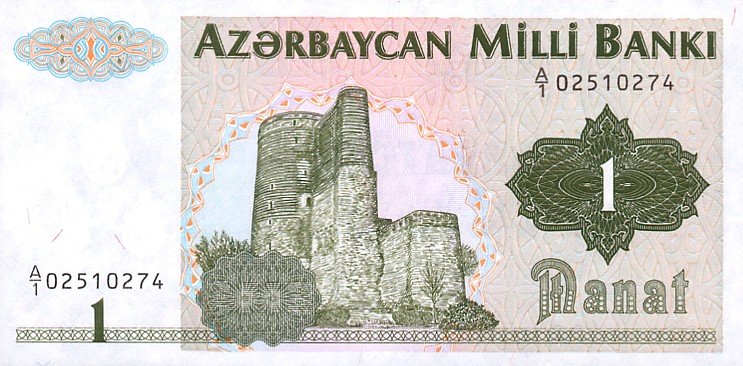
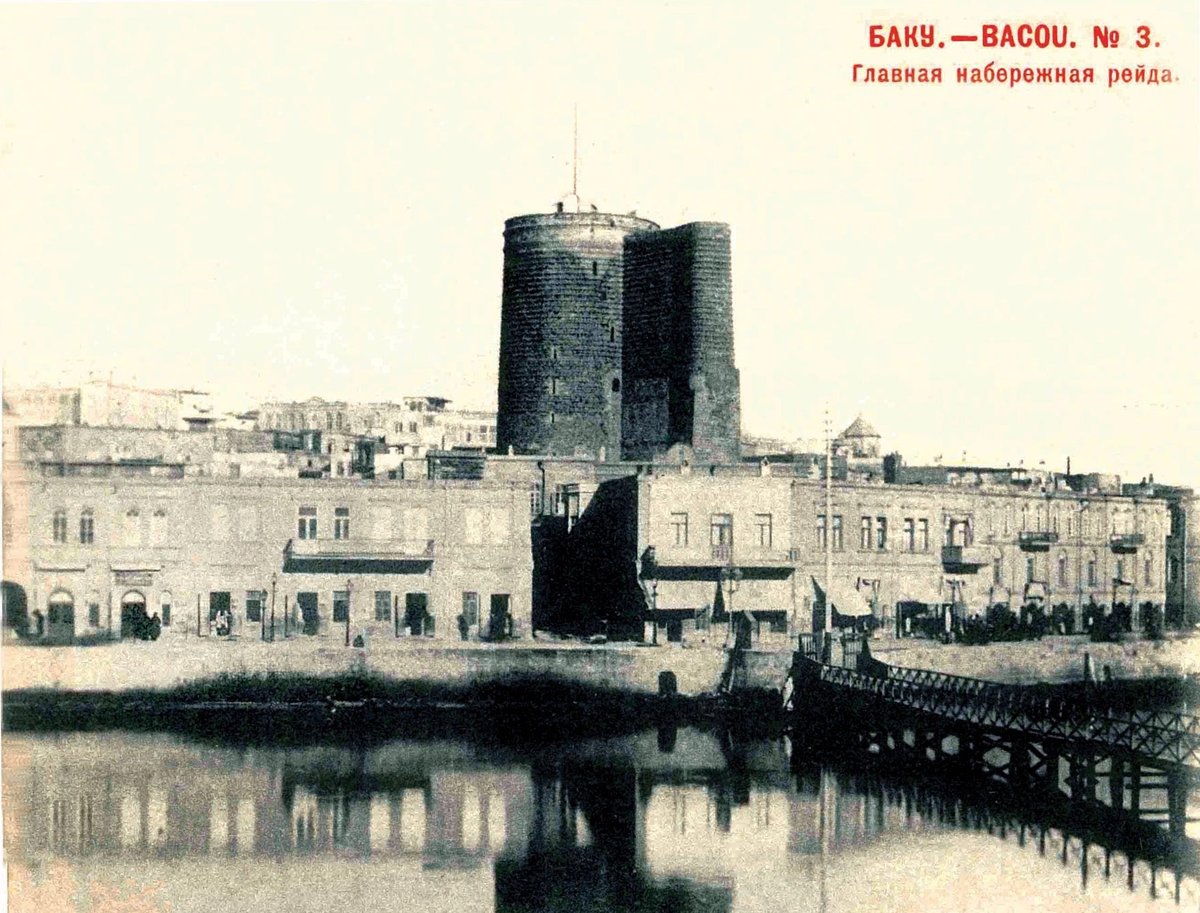
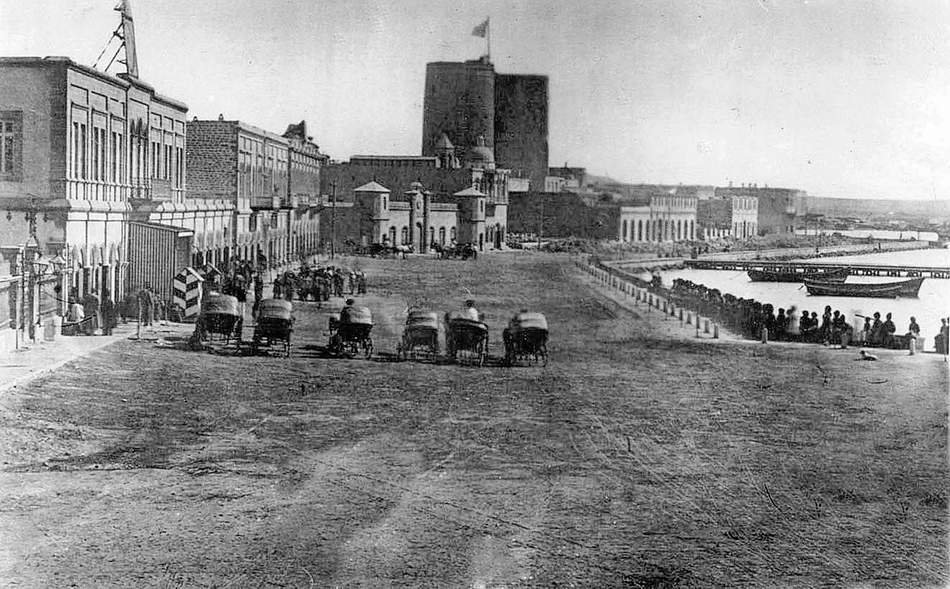
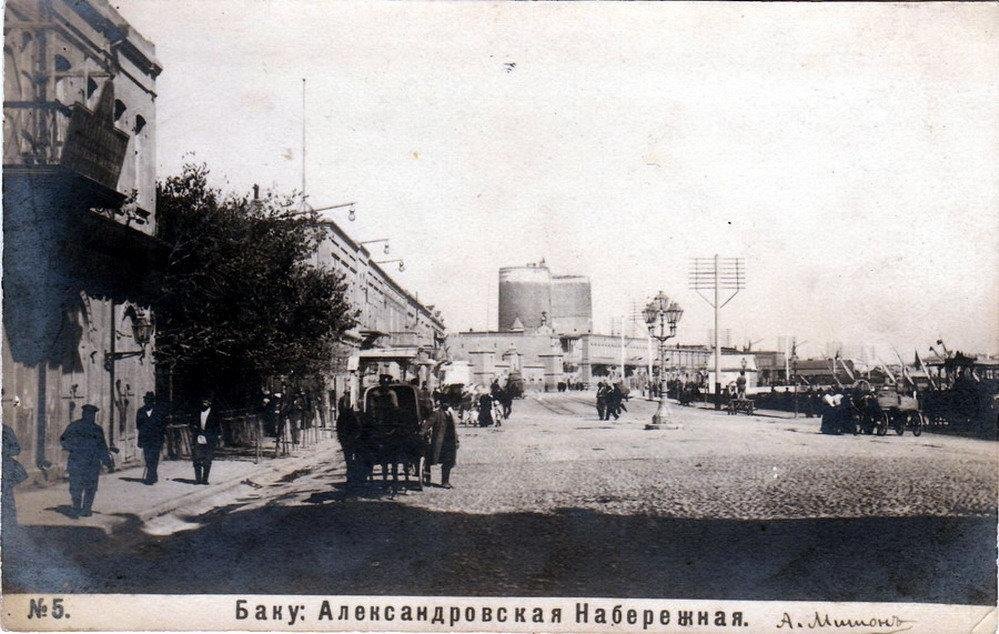
As an enduring symbol of the Azerbaijani nation, the Maiden Tower features prominently on currency and in state iconography. Its status as part of the UNESCO World Heritage-listed Old City, alongside the Palace of the Shirvanshahs, underscores its architectural and cultural importance. The tower’s legends and historical associations have deeply influenced Azerbaijani identity and continue to inspire creative and scholarly endeavors (holidify.com; historyhit.com).
Archaeological Insights and Modern Scholarship
Excavations reveal that the site around the Maiden Tower has been inhabited since the Palaeolithic era. The tower’s design shows traces of both Persian and local Caucasian traditions. Some researchers explore its astronomical and religious functions, including the theory that it once served as a Zoroastrian fire temple. Ongoing preservation and study efforts have helped maintain the monument’s integrity and accessibility (bakucity.preslib.az).
Visiting the Maiden Tower: Practical Information
Visiting Hours
- General Opening Hours Daily, 10:00 AM – 6:30 PM (last entry at 6:00 PM). Hours may vary on public holidays and during special events. It is advisable to confirm current hours via official tourism resources (holidify.com).
Ticket Prices
- Adults 15 AZN
- Students 6 AZN
- Children under 6 Free
- Discounts Available for groups and seniors; guided tour fees may be separate.
Tickets are available at the entrance and often online via official tourism sites. Audio guides and multilingual guided tours can be arranged in advance (historyhit.com).
Accessibility and Facilities
- Physical Access Due to its medieval design, the Maiden Tower features steep, narrow spiral staircases and is not wheelchair accessible. Visitors with mobility issues may find the climb challenging.
- Amenities Restrooms are available nearby in the Old City; a gift shop and cafés are also close to the site.
- Visitor Safety Wear sturdy shoes suitable for uneven steps. Children should be supervised at all times.
Guided Tours and Visitor Tips
- Guided tours in Azerbaijani, English, and Russian provide in-depth insights into the tower’s history and legends. Booking in advance is recommended, especially during peak seasons.
- Audio guides offer flexibility for self-paced visits.
- Best visiting times Early mornings and late afternoons are ideal to avoid crowds and enjoy cooler temperatures.
- Photography Permitted throughout the tower, though the use of tripods may be restricted.
Nearby Attractions
- Palace of the Shirvanshahs A 15th-century royal complex within walking distance.
- Old City Walls and Gates Explore Baku’s ancient fortifications.
- Traditional Bazaars and Cafés Experience local flavors and culture.
- Baku Boulevard & Caspian Sea Promenade Enjoy modern city life alongside historic sites (azerbaijan-e-visas.com).
Visitor Experience: What to Expect
Inside the Maiden Tower, eight floors of exhibits showcase archaeological finds, historical artifacts, and multimedia presentations about Baku’s past. The climb offers a tangible journey through centuries of history, culminating in panoramic views of the Old City, Caspian Sea, and the modern skyline—especially breathtaking at sunset (twopassportsoneplanet.com).
Tips for an Enhanced Visit
- Allocate 1–2 hours for a complete experience.
- Dress appropriately for cool interiors and variable rooftop weather.
- Shop for souvenirs at local artisan stalls and support traditional crafts.
- Check for special events, such as evening illuminations or cultural festivals.
Frequently Asked Questions (FAQs)
Q: What are the Maiden Tower’s visiting hours?
A: Typically 10:00 AM to 6:30 PM, with last entry at 6:00 PM. Hours may vary during holidays.
Q: Where can I buy tickets?
A: Tickets are sold at the entrance; online booking is possible via official tourism websites.
Q: Is the Maiden Tower accessible for people with mobility issues?
A: Accessibility is limited due to narrow stairs and the absence of elevators.
Q: Are guided tours available?
A: Yes, in multiple languages, plus audio guides for self-guided exploration.
Q: Can I take photographs inside the Maiden Tower?
A: Photography is allowed, but tripods may be restricted.