
What the obelisk is
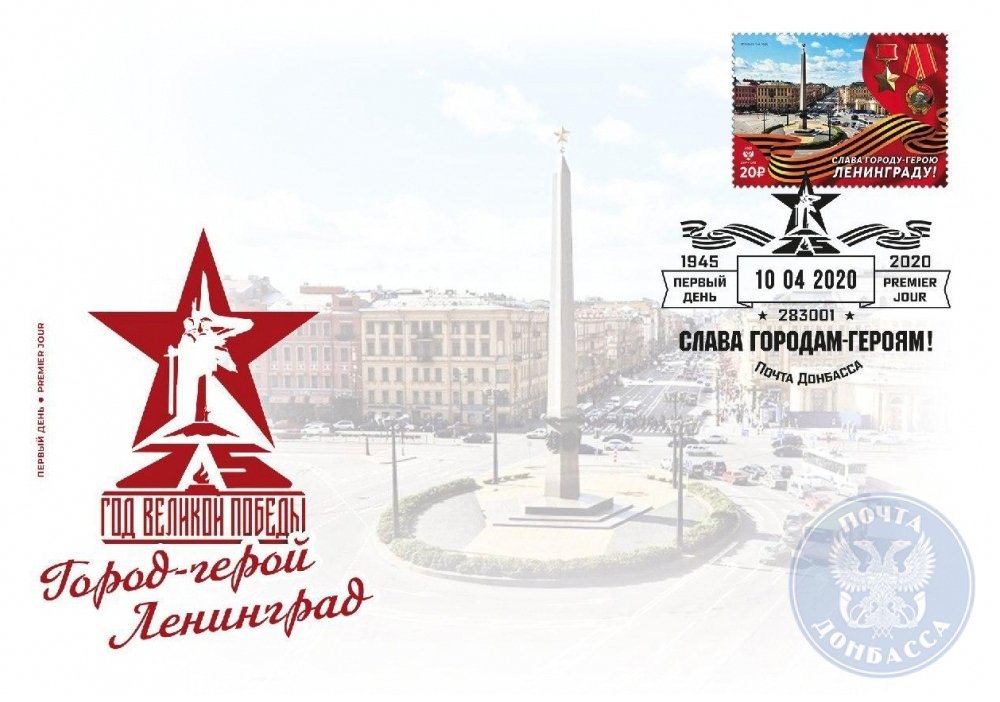
The Обелиск «Городу-Герою Ленинграду» (Obelisk to the Hero City of Leningrad) is a memorial in Vosstaniya Square, Saint Petersburg. It commemorates the resilience and heroism of the city’s inhabitants during the Siege of Leningrad in World War II (Britannica). Erected on May 8, 1985, to mark the 40th anniversary of the Soviet Union’s victory over Nazi Germany, it has become a focal point for collective memory and national pride.
History
The obelisk was unveiled on May 8, 1985. It commemorates the city’s endurance during the 872-day Siege of Leningrad, from September 8, 1941, to January 27, 1944. It was part of a Soviet initiative to honor cities that played important roles in the Great Patriotic War, with Leningrad among those most affected (Britannica).
Vosstaniya Square is named after the Russian word for “uprising.” Its location therefore reflects the city’s spirit of resistance and endurance.
What to see
Designed by architects Vladimir Lukyanov and A.I. Alymov, the obelisk is a 36-meter-tall granite structure topped with a gold star (Saint-Petersburg.com). Its minimalist yet imposing design symbolizes the city’s resilience, the sacrifices of its citizens, and the ultimate victory over the besieging forces. The monument is also an example of Soviet-era monumental art.
Informational plaques provide historical context, and guided tours can explain the obelisk’s history, design and significance, often including personal stories and anecdotes from the siege. Schools and universities also organize field trips to the monument, where students learn about the siege.
The obelisk is a place for reflection as well as a memorial. Its solemn atmosphere contrasts with the busy city around it, giving visitors a chance to pause and pay their respects. Ceremonies take place here every January 27, the anniversary of the lifting of the siege. Survivors and those who died are commemorated, and wreaths are laid at the base of the monument; government officials, military personnel and citizens attend (RBTH).
Practical visiting information
The obelisk is accessible to the public 24/7, and there is no admission charge or need for tickets. The area around it is pedestrian-friendly and accessible for visitors with mobility issues.
Vosstaniya Square is served by public transportation, including the metro, buses and trams. The closest metro station is Ploshchad Vosstaniya.
Guided tours are available and may include the obelisk and other nearby historical sites. Check with local tour operators or online platforms such as GetYourGuide for options.
Tips
Photography
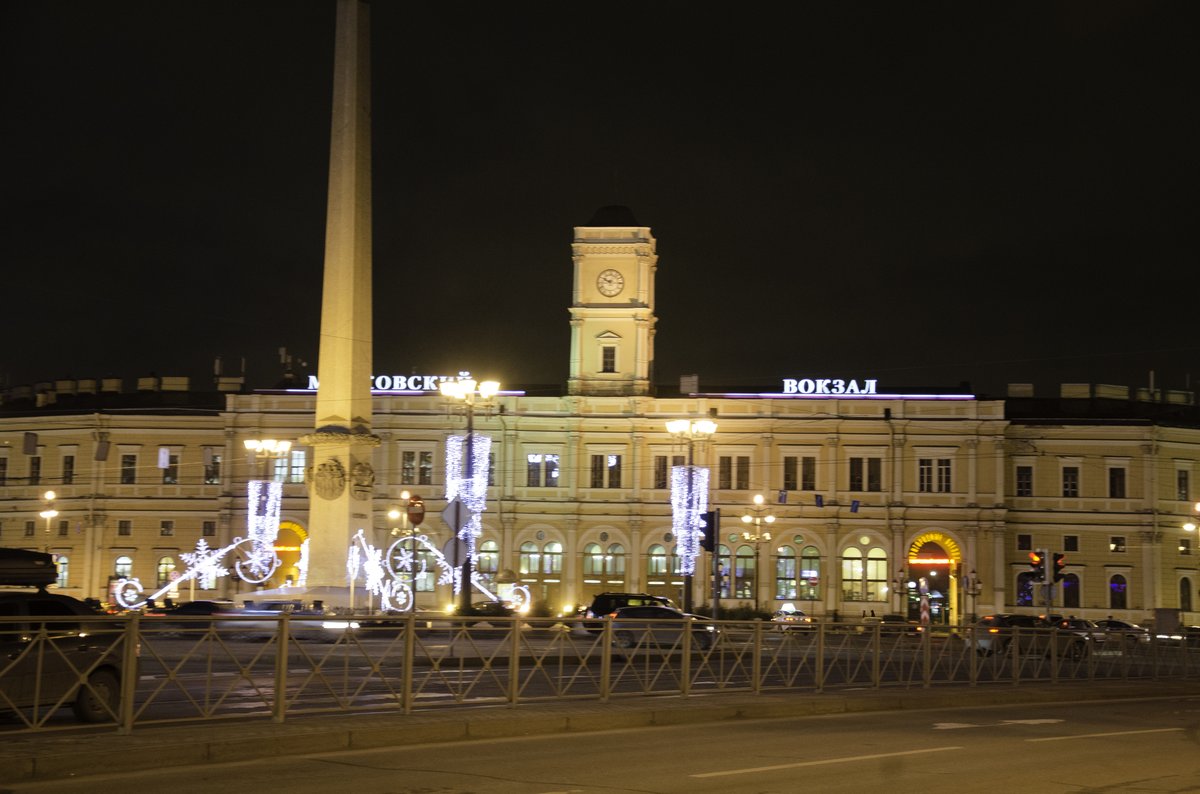
Photography is allowed, and the obelisk is popular with photographers. Early morning and late afternoon offer good lighting; at night, the illuminated monument stands out against the dark sky. A tripod is recommended for clear night shots. The square provides a backdrop that juxtaposes the historical monument with the bustling city.
Cultural etiquette and safety
Avoid climbing on the obelisk or behaving in a way that could be considered disrespectful. Many visitors come to pay their respects, so maintain a respectful demeanor and avoid loud conversations.
Saint Petersburg is generally a safe city, but keep an eye on personal belongings, especially in crowded areas. Use a secure bag and avoid displaying valuable items. Russia’s general emergency number is 112.
Language and communication
Russian is the primary language spoken in Saint Petersburg, though many people in the tourism industry speak English. Learning a few basic phrases can help: “Здравствуйте” (Hello), “Спасибо” (Thank you) and “Пожалуйста” (Please). Translation apps such as Google Translate can translate text and spoken language in real time. Many signs in tourist areas, including those near the obelisk, are bilingual in Russian and English.
For navigation and language assistance, consider Yandex.Maps and Yandex.Translate. The Saint Petersburg Tourism Portal provides information on attractions, events and practical details.
Nearby places
Nearby attractions include the Moscow Railway Station, Nevsky Prospekt—the city’s main thoroughfare—and the Russian Museum. These sites offer further insight into Saint Petersburg’s history and culture (Lonely Planet).
Nevsky Prospekt has cafes and restaurants offering local and international cuisine. Options include Palkin, a historic restaurant serving traditional Russian dishes, and Marketplace, a casual eatery with a diverse menu. Street-food vendors along the avenue sell blini (Russian pancakes) and pirozhki (stuffed pastries). Coffee options include international chains such as Starbucks and local cafes such as Coffee 22.
For souvenirs, shops along Nevsky Prospekt sell traditional Russian items such as matryoshka dolls, lacquer boxes and amber jewelry. Galeria Shopping Mall has international brands as well as stores selling Russian products and souvenirs. Kuznechny Market offers handmade crafts and local delicacies.
FAQ
What are the visiting hours for the Obelisk to the Hero City of Leningrad?
The obelisk is accessible to the public 24/7.
How much do tickets cost?
There are no tickets required to visit the obelisk.
Is the obelisk accessible by public transport?
Yes. It is accessible by metro, bus and tram. The closest metro station is Ploshchad Vosstaniya.
Are guided tours available?
Yes. Guided tours are available that include the obelisk and other nearby historical sites. Check with local tour operators or online platforms such as GetYourGuide for options.
Can I take photographs at the obelisk?
Yes. Photography is allowed, and the obelisk is popular for both daytime and nighttime photography.