
Origins and Urban Development
Senate Square’s roots date back to the early 1700s, when it formed part of the glacis in front of the Admiralty Shipyard—the heart of Peter the Great’s new European-style capital (life-globe.com). By the mid-18th century, the square evolved into a center of government and administration with the arrival of the Senate, Russia’s highest legislative and judicial body. Over the centuries, the square has been variously named Peter’s Square, Decembrists’ Square, and finally, in 2008, restored to its historical name—Senate Square (Wikipedia).
Architectural Highlights
Senate and Synod Buildings
Dominating the west side of the square, the Senate and Synod buildings were designed by Carlo Rossi (1829–1834) in the neoclassical style. These grand colonnaded structures originally housed the highest bodies of the Russian Empire’s secular and religious administration. The triumphal arch that joins them across Galernaya Street is a defining architectural feature, symbolizing the unity of state and church (saint-petersburg.com; Petersburg24).
St. Isaac’s Cathedral and The Admiralty
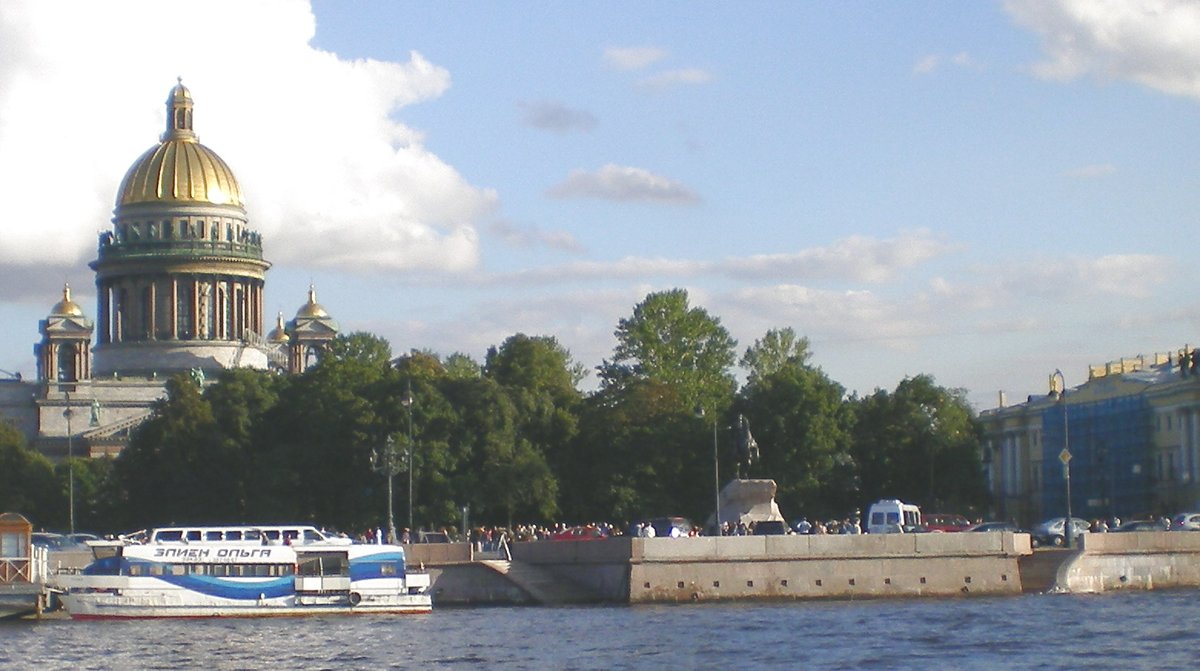
To the south stands St. Isaac’s Cathedral, with its glittering golden dome—one of the largest in the world. The east is anchored by the Admiralty, whose spire is an iconic feature of the city’s skyline. Both structures frame the square, enhancing its imperial grandeur and offering panoramic views (Lonely Planet).
Alexander Garden and Neva Embankment
Alexander Garden, adjacent to the square, provides a green buffer and a peaceful retreat. The Neva embankment to the north opens expansive river vistas and links the square to other major attractions (Araioflight).
The Bronze Horseman: Symbolism and Cultural Impact
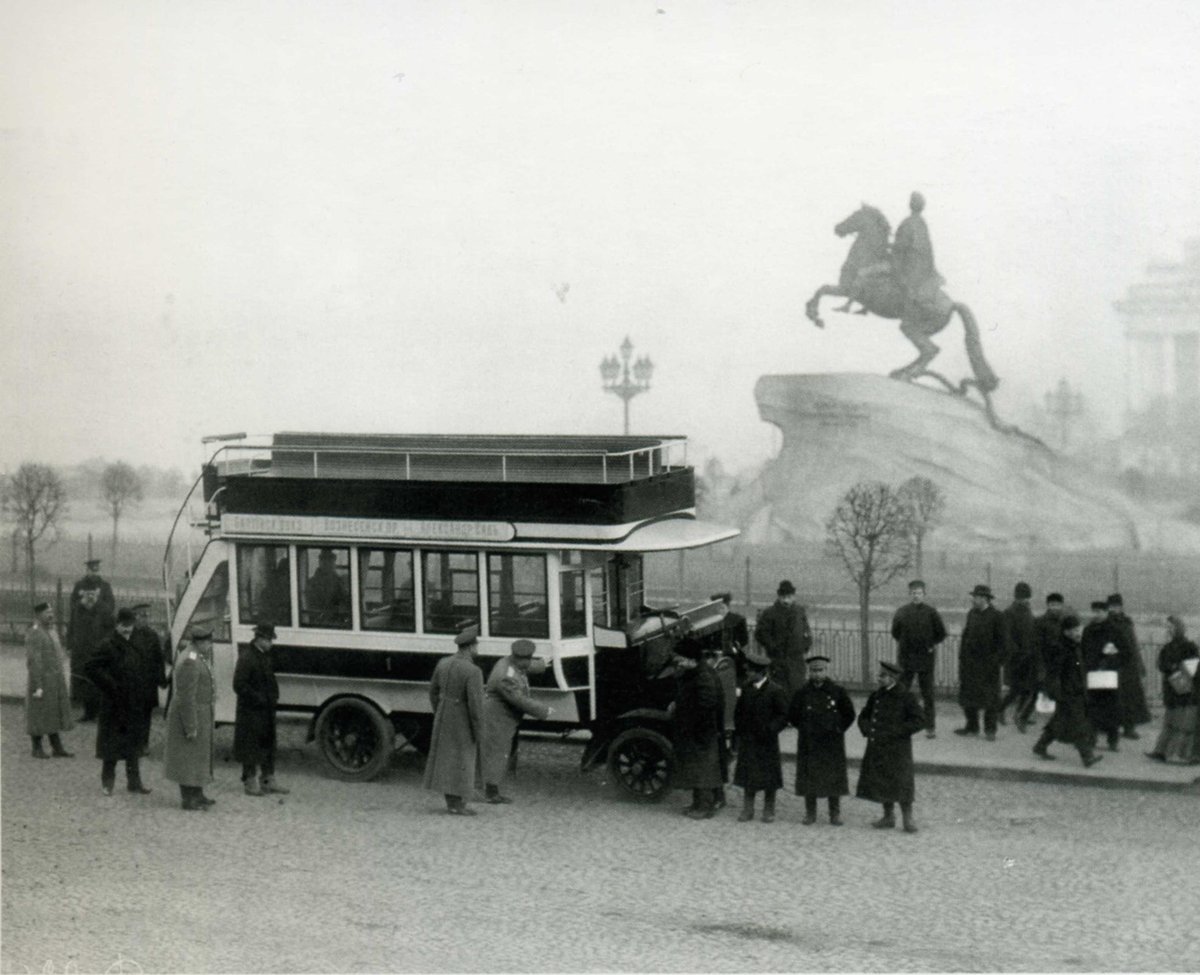
At the heart of the square stands the Bronze Horseman—an equestrian statue of Peter the Great, commissioned by Catherine the Great and sculpted by Étienne Maurice Falconet. Unveiled in 1782 atop the massive Thunder Stone, the statue depicts Peter pointing toward the Neva, symbolizing Russia’s drive toward progress and modernization. The monument’s cultural significance was immortalized by Alexander Pushkin’s poem "The Bronze Horseman," and it remains a potent symbol of Saint Petersburg’s resilience and ambition (expresstorussia.com).
Senate Square in Russian History
Senate Square is deeply entwined with Russian political and social history. The Decembrist Revolt of 1825, when liberal-minded officers staged an uprising against autocracy, took place here and ended in tragedy. The square’s revolutionary past was commemorated with the Soviet-era name Decembrists’ Square before reverting to its original name in 2008 (Wikipedia; factsanddetails.com).
The square has also served as a focal point for major events, including imperial weddings, military parades, and public celebrations, and continues to be a gathering place for festivals and civic life.
Visitor Information
Visiting Hours
- Senate Square Open public space, accessible 24 hours a day, year-round.
- St. Isaac’s Cathedral Open daily, 10:30 AM – 6:00 PM (last admission 30 minutes before closing).
- Yeltsin Presidential Library Open to the public with exhibitions; check the official schedule for hours.
- Senate and Synod Buildings Generally not open for individual tours, as they house state institutions.
Tickets
- Senate Square Free entry.
- St. Isaac’s Cathedral ~450 RUB for adults; discounts for students and seniors.
- Yeltsin Presidential Library ~300 RUB; available on-site or online.
- Guided Tours Prices for guided tours of the area usually range from 1000–2000 RUB per person.
Accessibility
- Flat, paved surfaces throughout the square.
- Wheelchair and stroller accessible.
- Benches available in Alexander Garden.
How to Get There
- Metro Admiralteyskaya and Nevsky Prospekt stations (10–15 minute walk).
- Bus/Tram Multiple lines serve the area.
- Walking Conveniently located near other major landmarks in the city center.
Practical Tips
- Visit early in the morning or late in the evening for the best light and fewer crowds.
- The White Nights festival (mid-June to early July) offers unique photo opportunities and festive events.
- Dress in layers and carry an umbrella—Saint Petersburg’s weather is unpredictable.
- Public restrooms and cafés are available nearby.
Nearby Attractions
- St. Isaac’s Cathedral Famous for its dome and panoramic city views (restgeo.com).
- The Admiralty Architectural landmark with a golden spire.
- Hermitage Museum and Palace Square World-renowned art museum 10 minutes’ walk away.
- Mariinsky Theatre Renowned venue for ballet and opera.
- Alexander Garden Green retreat adjacent to the square.
- Neva Embankment Ideal for riverside walks and views of the city’s drawbridges.
Frequently Asked Questions (FAQ)
Q: Is Senate Square open year-round?
A: Yes, it is accessible 24/7 without entry fees.
Q: Are guided tours available?
A: Yes, guided walking tours in multiple languages are widely offered.
Q: Is the square accessible for wheelchairs and strollers?
A: Yes, the area is flat, paved, and accessible.
Q: Are there entrance fees for nearby attractions?
A: Senate Square is free; nearby museums and cathedrals may require tickets.
Q: What is the best time to visit?
A: Late spring through early autumn, especially during the White Nights in June and July.
Visuals and Media
For a richer experience, seek out high-quality images of Senate Square, the Bronze Horseman, and surrounding landmarks. Official tourism sites offer virtual tours and interactive maps to help plan your visit.