
History of the Church of the Savior on Spilled Blood
Origins and Construction
The Church of the Savior on Spilled Blood was constructed on the site where Emperor Alexander II was fatally wounded in 1881. Known for his liberal reforms, including the emancipation of the serfs in 1861, Alexander II's assassination was a pivotal event in Russian history. To honor his legacy, construction of the church began in 1883 under the reign of his son, Alexander III. The project, funded by the imperial family and private donors, spanned 24 years and was consecrated in 1907. The architectural design, undertaken by Alfred Parland and Archimandrite Ignaty, drew inspiration from medieval Russian architecture, notably the Yaroslavl churches and St. Basil's Cathedral in Moscow.
Architectural Significance
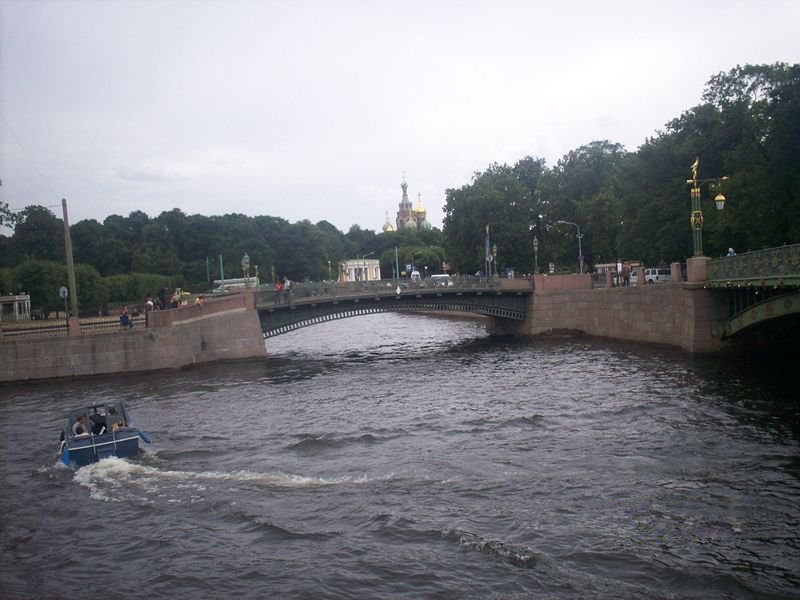
The church is renowned for its vibrant, colorful domes and intricate mosaics, which starkly contrast the Baroque and Neoclassical buildings of St. Petersburg. The exterior boasts over 7,500 square meters of mosaics, one of the largest collections in Europe, depicting biblical scenes and figures by prominent Russian artists like Viktor Vasnetsov, Mikhail Nesterov, and Andrei Ryabushkin. Inside, visitors will find an extensive use of marble, semi-precious stones, and more mosaics, including a central iconostasis made of gilded bronze and enamel. The church’s floor is inlaid with Italian marble, adding to the opulence of its interior.
Visitor Information
Tickets and Visiting Hours
- Opening Hours The Church of the Savior on Spilled Blood is typically open daily from 10:30 AM to 6:00 PM, with extended hours during peak tourist seasons. It is advisable to check the official website for the most up-to-date information.
- Tickets General admission tickets cost approximately 350 rubles for adults, with discounts available for students, seniors, and children. Tickets can be purchased online or at the entrance.
Travel Tips
- Best Time to Visit To avoid large crowds, consider visiting early in the morning or late in the afternoon. Weekdays tend to be less busy than weekends.
- Nearby Attractions The church is located near other significant landmarks such as the Hermitage Museum, the Russian Museum, and the Field of Mars, making it easy to plan a full day of sightseeing.
- Accessibility The church is wheelchair accessible, with ramps and elevators available for those with mobility issues.
Special Events and Guided Tours
- Special Events The church hosts various religious services and special events throughout the year. It’s advisable to check the official website for a schedule of events.
- Guided Tours Guided tours are available in multiple languages and provide in-depth information about the church’s history, architecture, and artwork. Booking a guided tour can enrich your visiting experience.
Photographic Spots
- Best Photo Opportunities The church’s vibrant exterior and opulent interior provide numerous opportunities for stunning photographs. Popular spots include the main entrance, the domes, and the central nave inside the church.
Historical Events and Restoration
The Church of the Savior on Spilled Blood has endured numerous historical events, including looting during the Russian Revolution of 1917 and damage during World War II. It was closed by the Soviet government in the 1930s and repurposed as a storage facility for vegetables, earning the nickname "Savior on Potatoes." After decades of neglect, a major restoration project began in the 1970s, culminating in the church’s reopening in 1997 as a museum of mosaics. Today, it stands as a beautifully restored symbol of St. Petersburg’s rich cultural and historical heritage.
FAQ
- What are the opening hours of the Church of the Savior on Spilled Blood?
- The church is typically open daily from 10:30 AM to 6:00 PM, with extended hours during peak tourist seasons.
- How much are tickets for the Church of the Savior on Spilled Blood?
- General admission tickets cost approximately 350 rubles for adults, with discounts available for students, seniors, and children.
- Is the Church of the Savior on Spilled Blood accessible for visitors with disabilities?
- Yes, the church is wheelchair accessible, with ramps and elevators available.
Discover More
For more information, download the Audiala mobile app, check out our other related posts, or follow us on social media for the latest updates on St. Petersburg attractions.