
Location and How to Get There
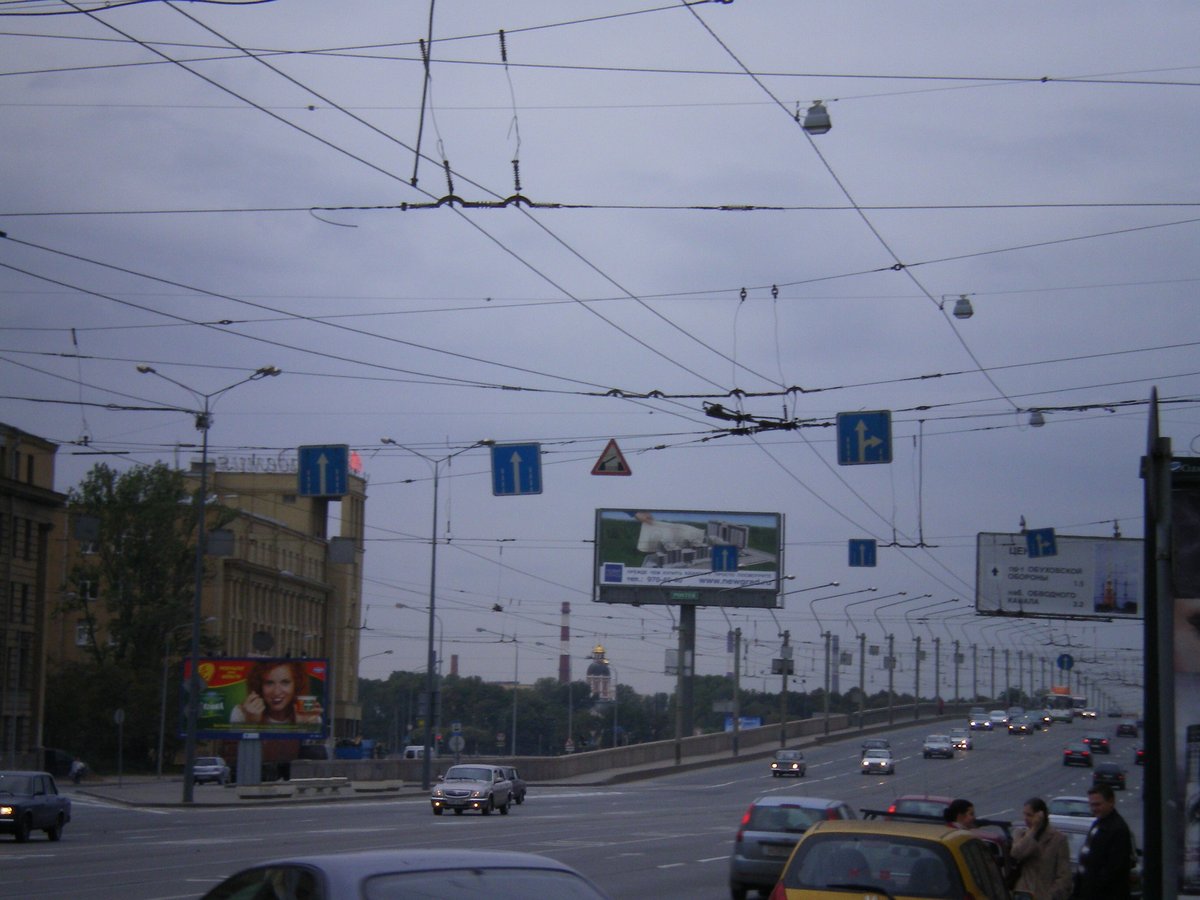
The New Michael Palace is centrally located at 4-6 Inzhenernaya Street, Saint Petersburg, near the Field of Mars and Summer Garden. It is easily accessible by public transport:
- Metro Gostiny Dvor (Green Line) is a 10-minute walk away.
- Bus/Tram Several routes serve the Field of Mars and Summer Garden area.
- Taxi/Ride-Hailing Readily available throughout the city.
The palace's location provides convenient access to major Saint Petersburg landmarks, making it ideal for a day of exploration.
Origins and Commissioning
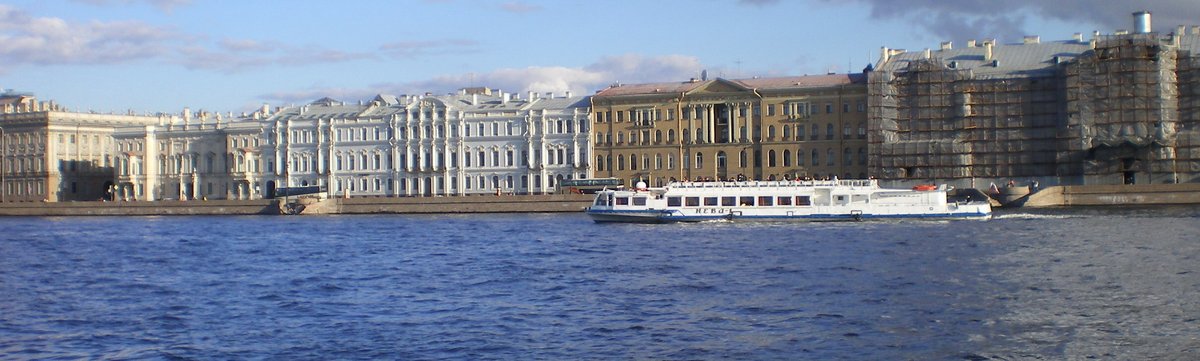
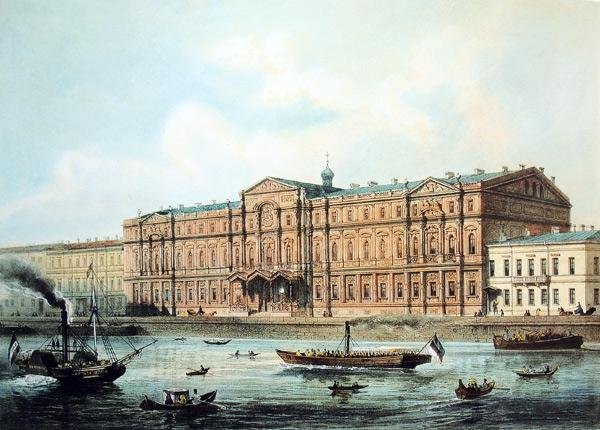
The palace was commissioned by Grand Duke Michael Nikolaevich to mark his marriage to Cecilie of Baden. Construction began in 1857 and finished in 1862, during a time of rapid development in Saint Petersburg. Its placement between the Hermitage and Marble Palace along the Neva River was intended to reinforce the city's imperial grandeur.
Architectural Design and Features
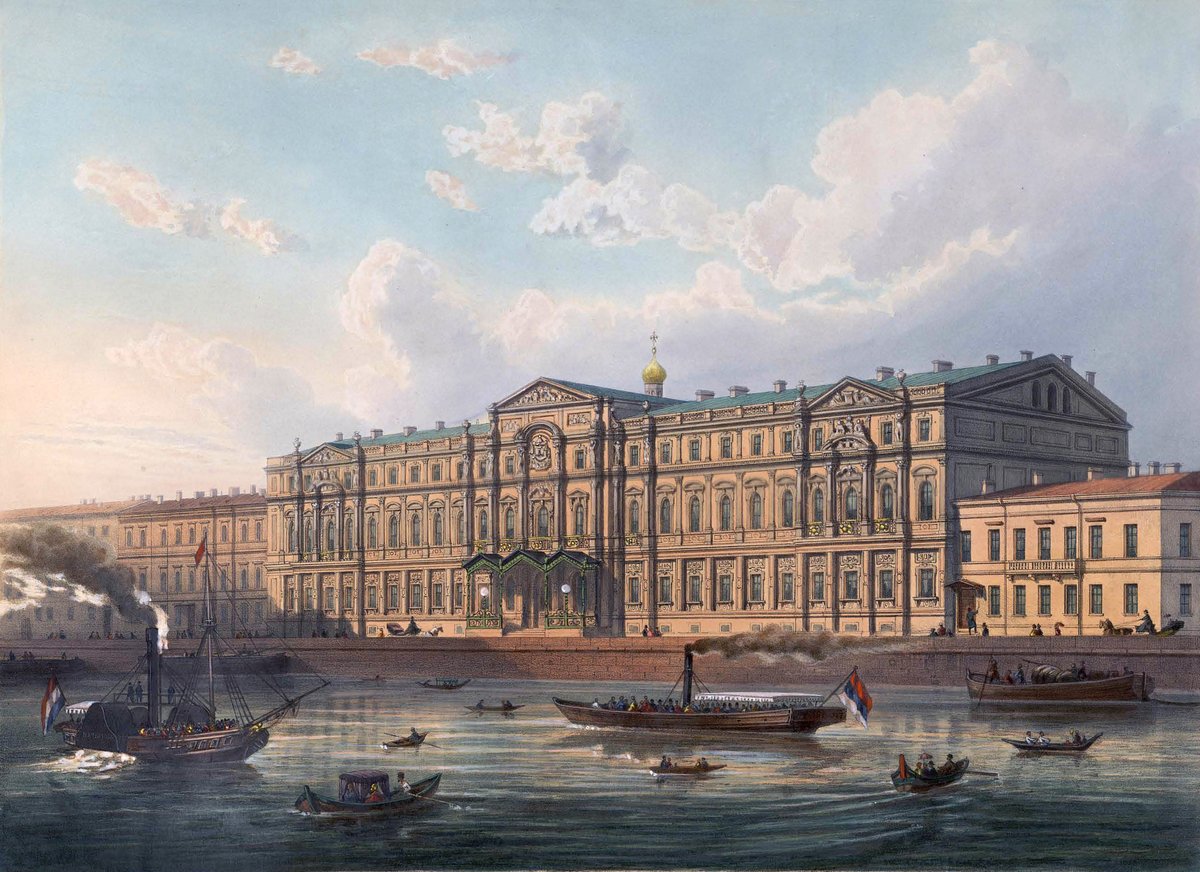
Andrei Stackenschneider’s design blends Renaissance, Baroque, Classicism, and Louis XVI elements. The symmetrical façade, ornate stonework, and grand entrance evoke aristocratic elegance. Interiors feature Rococo-inspired décor, spacious halls, and intricate detailing, with contributions from sculptor David Jensen and painter Michael Zichy. The palace’s formal gardens integrate French and English landscaping traditions, enhancing both beauty and harmony with the city’s historic fabric.
Imperial Role and Historical Transformations
Initially the residence of Grand Duke Michael Nikolaevich, the palace was a center for aristocratic life and social gatherings. After the 1917 Revolution, it ceased being a royal residence and served various institutional roles during the Soviet era. Despite some neglect and alterations, its architectural and historical value remained respected.
Restoration and Modern Use
Restoration efforts since the 1990s have revived the palace’s former splendor. Today, it houses the Institute of Oriental Manuscripts of the Russian Academy of Sciences, serving as a hub for research, cultural events, and exhibitions.
Visitor Information
Visiting Hours
- Tuesday–Sunday 11:00 AM – 7:00 PM
- Closed Mondays and national holidays
- Special Events Evening hours may be available; check the official website for updates.
Tickets and Admission
- Adult Admission Approx. 500 RUB
- Discounts Available for students, seniors, and groups
- Combined & Multi-day Tickets Options for visiting other Russian Museum branches (see ticket details)
- Purchasing Tickets can be bought online (official website) or at the palace ticket office
- Guided Tours Available in Russian and English; advance booking recommended for peak times.
Accessibility
- Wheelchair Access Ramps and elevators in key areas
- Assistance Available on request
- Facilities Clean restrooms and a café on the ground floor; complimentary cloakroom for coats and bags
Travel Tips
- Best Time to Visit Spring and early autumn for pleasant weather and fewer crowds; early morning or late afternoon for less congestion
- Photography Allowed in public areas (flash/tripods may be restricted)
- Dress Code No formal requirements, but comfortable footwear and respectful attire are recommended
- Language Most signage in Russian, with English translations in major galleries; staff may have limited English but are generally helpful
Security and Conduct
- Standard security checks apply; large bags must be stored in the cloakroom
- Eating and drinking are not permitted in exhibition spaces
- Maintain a respectful demeanor and keep noise to a minimum
Nearby Attractions
The New Michael Palace’s central location offers easy access to:
- Hermitage Museum
- Marble Palace
- St. Isaac’s Cathedral
- Field of Mars
- Summer Garden
- Church of the Savior on Spilled Blood
- Art Square
- Mikhailovsky Castle
Accommodation options nearby range from luxury hotels to mid-range and budget choices.
Special Events and Photography
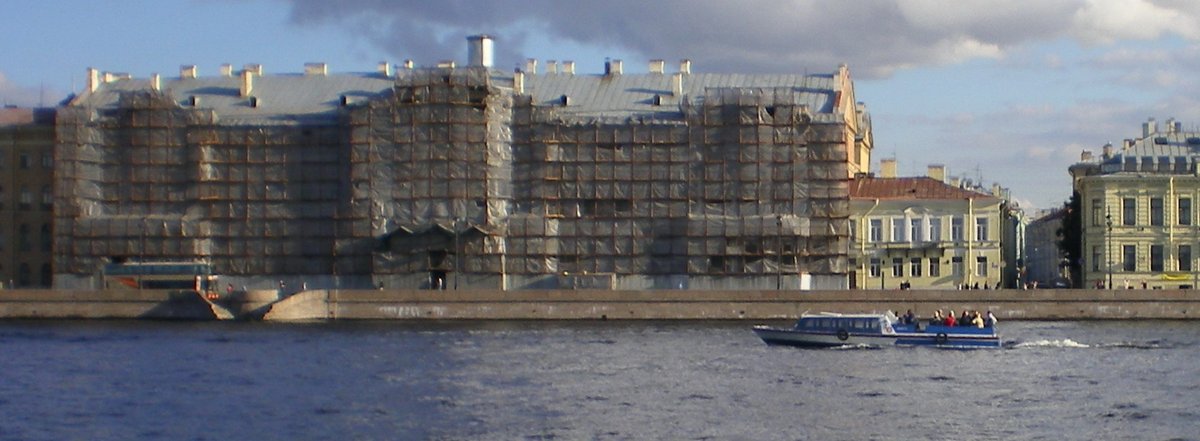
The palace regularly hosts special exhibitions, academic conferences, and cultural events. Its river-facing façade and ornate interiors are ideal for photography, particularly during golden hour. Check the official website for current event schedules.
Cultural and Architectural Significance
As a prime example of 19th-century Russian eclecticism, the New Michael Palace reflects the era’s artistic aspirations and aristocratic lifestyle. Its restoration and modern use as a scholarly and cultural institution highlight its enduring importance in Saint Petersburg’s UNESCO-listed historic center.
Frequently Asked Questions (FAQ)
Q: What are the New Michael Palace visiting hours?
A: Tuesday to Sunday, 11:00 AM–7:00 PM; closed on Mondays.
Q: How do I buy tickets?
A: Purchase online via the official Russian Museum website or at the palace ticket office.
Q: Is the palace wheelchair accessible?
A: Yes, with ramps, elevators, and staff assistance available.
Q: Are guided tours available?
A: Yes, in several languages; advance booking is recommended.
Q: What other attractions are nearby?
A: Hermitage Museum, Marble Palace, St. Isaac’s Cathedral, and others.
Q: Is photography allowed inside?
A: Yes, but flash and tripods may be restricted in some areas.
Practical Travel Tips for International Visitors
- Visa Most international visitors require a visa; apply in advance with proper documentation.
- Travel Insurance Strongly recommended.
- Currency Russian Ruble (RUB); credit cards widely accepted.
- Weather June averages 18–23°C (64–73°F); pack layers for chilly evenings.
- Transport Saint Petersburg metro is efficient and safe; operates until 12:30 AM.
- Cultural Etiquette Stand to the right on escalators, avoid loud conversation, and be respectful in museums.
Related Articles
Explore more about Saint Petersburg’s cultural landmarks with our guides on The Church of the Savior on Spilled Blood and Exploring Art Square.
Summary and Visitor Tips
The New Michael Palace is a vibrant emblem of Saint Petersburg’s imperial heritage and artistic innovation. Its eclectic design, storied past, and modern role as a cultural institution guarantee a memorable visit for tourists and scholars alike. For the best experience:
- Check the latest visiting hours and purchase tickets in advance
- Consider guided tours for in-depth insights
- Plan to explore nearby landmarks and enjoy the full richness of Saint Petersburg’s historic center
Stay updated on special events and seasonal exhibitions through official sources and digital tools like the Audiala app. Your journey through the heart of Russian culture and history starts here.