
Historical Background and Cultural Significance
Origins and Historical Context
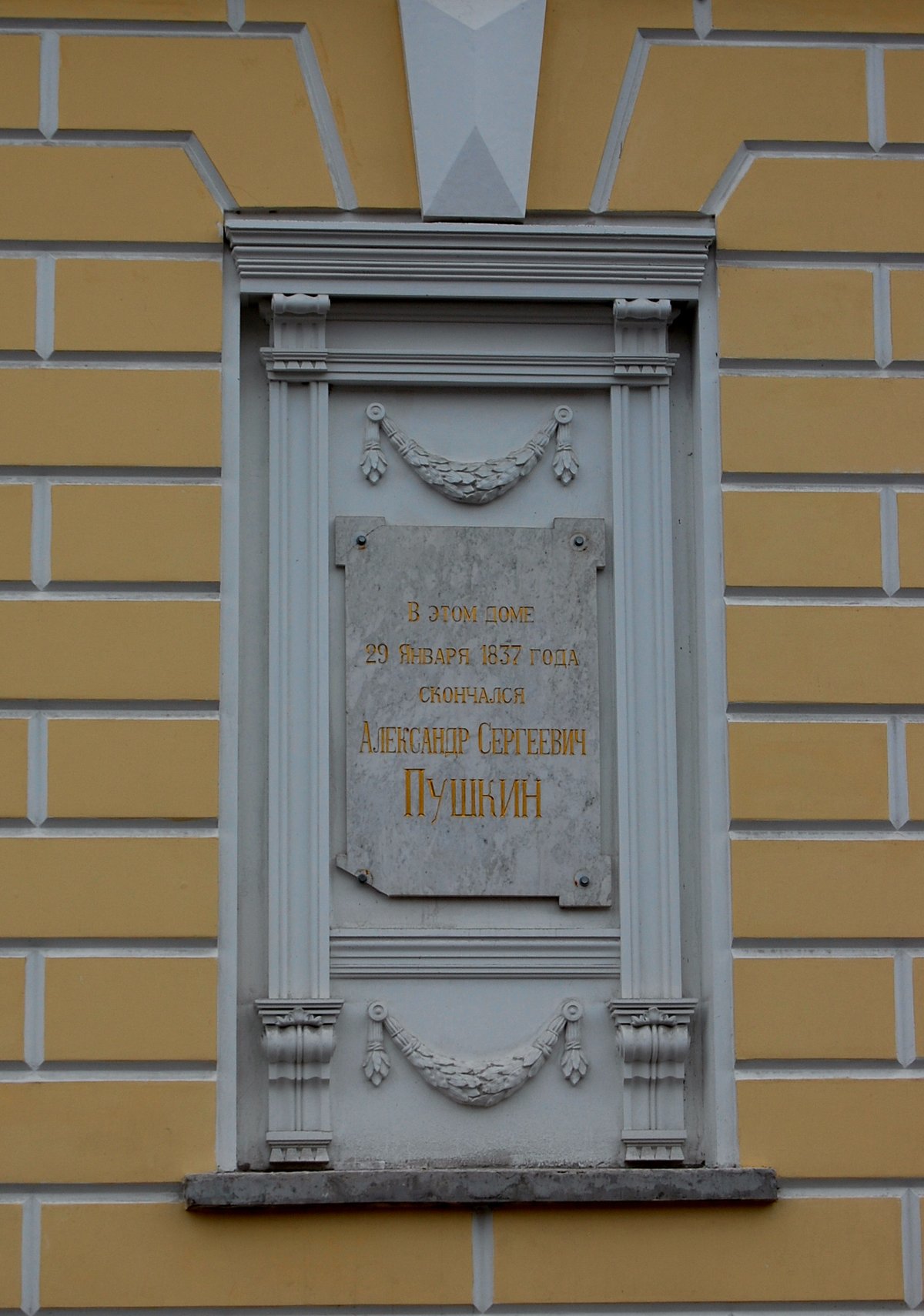
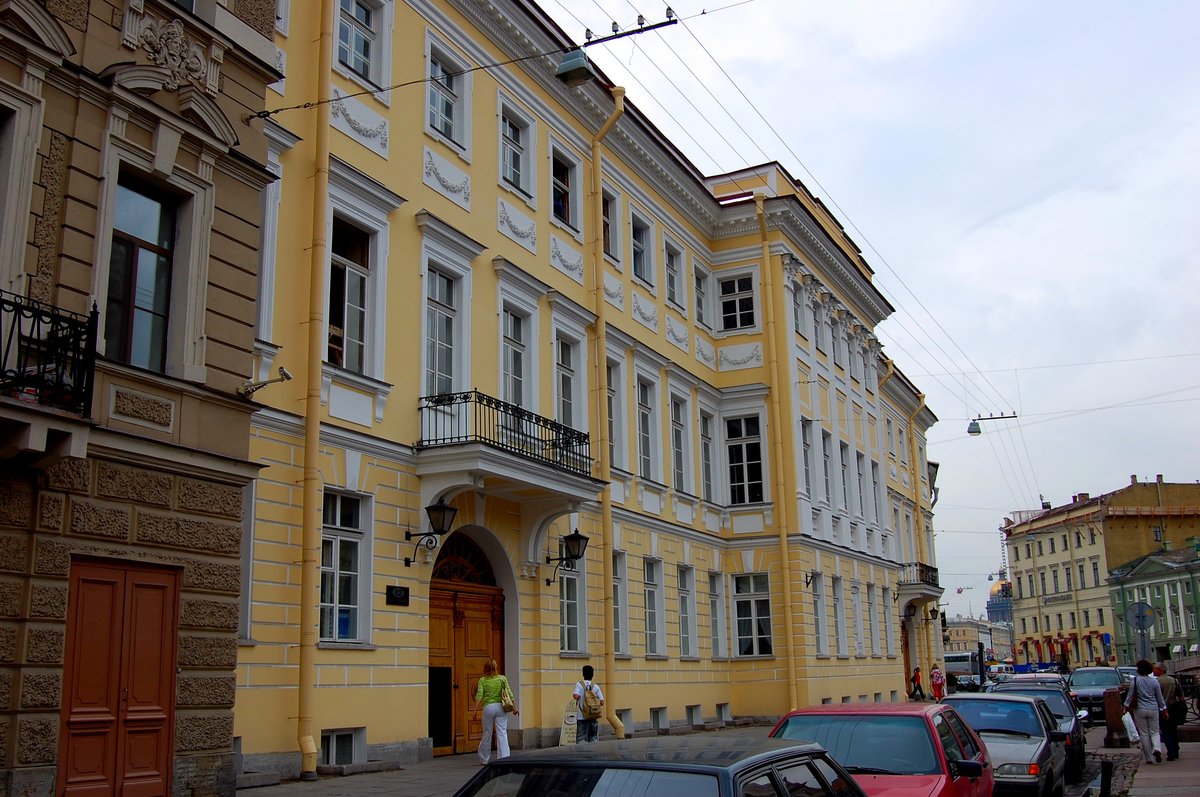
The Pushkin Apartment Museum occupies the apartment at 12 Moika River Embankment, where Alexander Pushkin resided from September 1836 until his death in February 1837. The building exemplifies early 18th-century Saint Petersburg architecture and reflects the city’s imperial grandeur of Pushkin’s era. Pushkin’s home quickly became a gathering place for intellectuals and artists. Today, its authentic restoration allows visitors to experience the poet’s final days and the world that shaped his masterpieces (Pushkin Apartment Museum Official Site).
Literary and National Importance
Pushkin’s influence on Russian language and culture is immeasurable. His works—including “Eugene Onegin,” “The Bronze Horseman,” and “The Queen of Spades”—are foundational, and his innovative use of language continues to inspire writers and thinkers. The museum’s study, with Pushkin’s original desk and library, is a highlight for visitors.
The museum is a pilgrimage site for admirers and scholars, celebrating Pushkin’s impact on Russian identity. Annual events on his birthday (June 6) and the anniversary of his death (February 10) draw large audiences, reflecting his lasting significance.
Preservation and Restoration
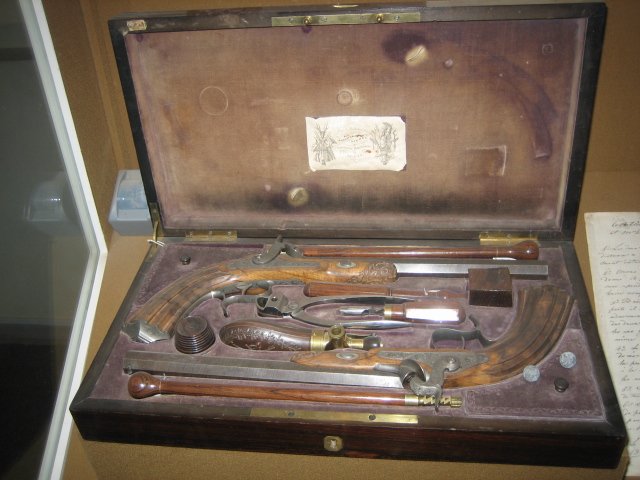
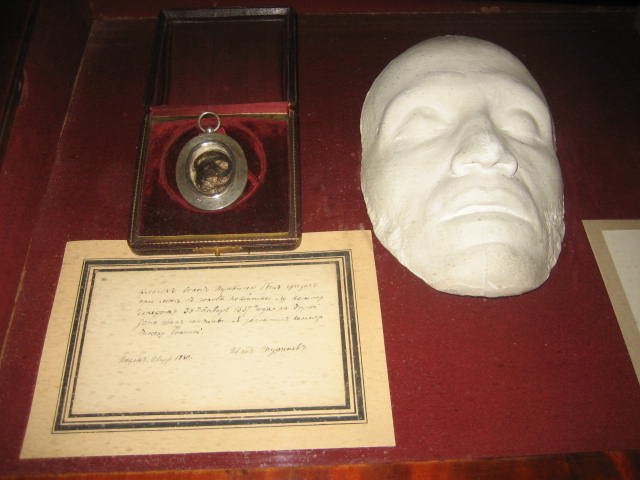
Declared a national museum in 1925, the Pushkin Apartment Museum has undergone meticulous restoration to return the apartment to its 19th-century appearance. Its collection includes more than 10,000 items: manuscripts, portraits, personal effects, Pushkin’s writing desk, inkstand, and the sofa where he died. Conservation efforts continue to ensure historical accuracy and artifact preservation.
Modern Role and Programming
Beyond its memorial function, the museum serves as a cultural center, hosting literary readings, academic events, and temporary exhibitions. Its educational initiatives include guided tours, workshops, and resources for researchers, reinforcing its role as a hub of Russian cultural life.
Museum Layout and Key Exhibits
Entrance and Orientation
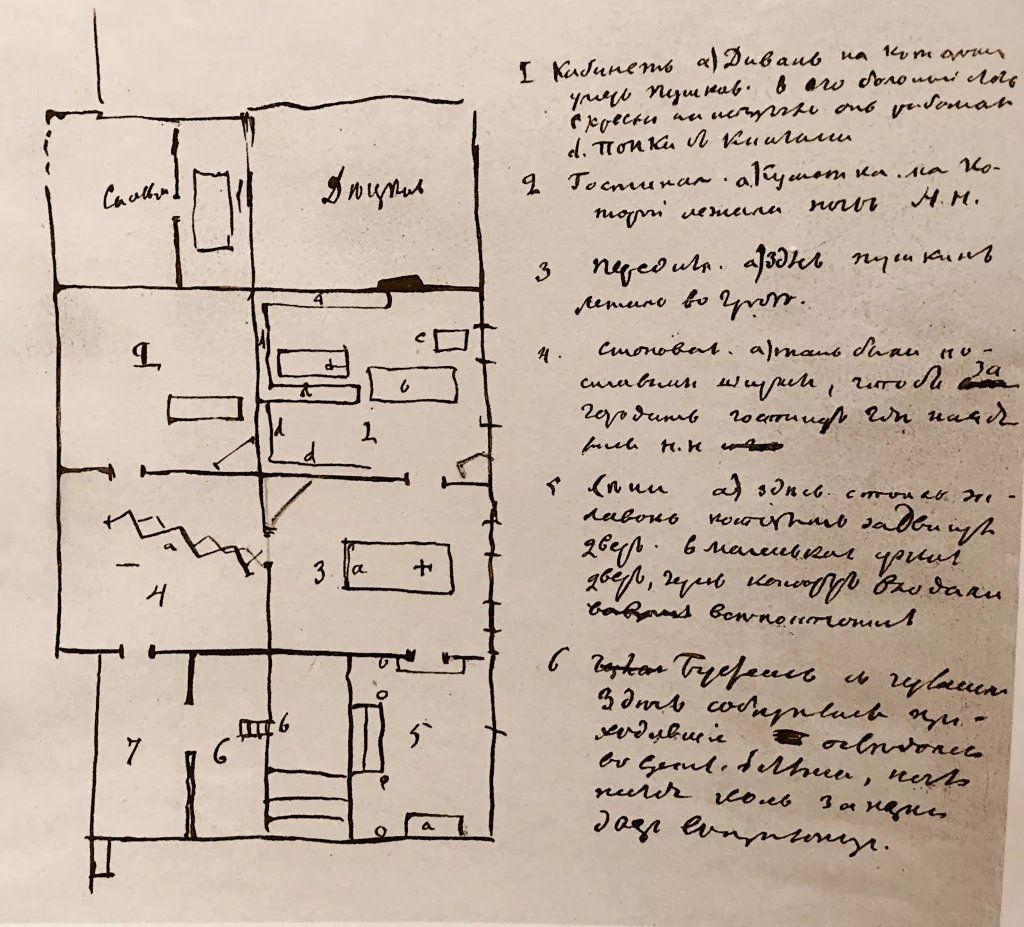
Visitors are welcomed in a modest foyer, where tickets are checked and audio guides in multiple languages are available. The apartment is divided into several rooms, each meticulously restored with period furnishings and original artifacts.
Notable Rooms
- Antechamber and Corridor Introduction to Pushkin’s social circle via portraits and documents.
- Study Pushkin’s writing desk, manuscripts, drafts, and library in multiple languages.
- Drawing Room Social hub with a grand piano and artworks; site of temporary exhibitions.
- Dining Room Set as in Pushkin’s time, displaying menus and social ephemera.
- Bedroom Displays related to Pushkin’s final days, including medical reports and mementos.
- Natalia Goncharova’s Room Personal items and decor reflecting the life of Pushkin’s wife.
- Children’s Room Period toys, books, and clothing for younger visitors.
Permanent and Temporary Exhibitions
The museum’s permanent exhibition features over 4,000 artifacts: manuscripts, annotated books, portraits, and Pushkin’s personal effects. Temporary exhibitions—often displayed in the drawing room—explore aspects of Pushkin’s legacy and connections to Russian and European culture through rare documents, multimedia, and art.
Visitor Experience and Practical Information
Visiting Hours and Tickets
- Hours Open daily except Tuesdays and the last Friday of each month, 10:30 AM – 6:00 PM (last admission 5:00 PM).
Pushkin Apartment Museum Visitor Info - Tickets Standard adult admission is approximately 800 RUB and includes an audio guide. Discounts are available for students, seniors, and groups. Free admission is offered on special commemorative days (February 10, June 6, and International Museum Day).
- Booking Advance booking is strongly recommended during peak seasons (May–September) and for guided tours.
Accessibility
Due to the historic nature of the building, full wheelchair accessibility is limited. Staff can assist visitors with reduced mobility. Multilingual audio guides and tours are available.
Guided Tours and Visitor Tips
- Tours Guided tours in Russian and English provide deeper insights and are best reserved in advance.
- Etiquette Photography is permitted in most areas except the first two exhibition halls; flash is not allowed. Respectful conduct and quiet are expected inside the museum.
- Duration Plan 1–1.5 hours for your visit to fully appreciate the exhibits.
Facilities and Nearby Attractions
- Shop Museum shop offers books, souvenirs, and reproductions.
- Restrooms Limited due to building constraints.
- Dining No on-site café, but many nearby options.
- Nearby Sites Hermitage Museum, State Russian Museum, and the Church of the Savior on Spilled Blood are all within walking distance.
Special Events and Educational Programs
The museum regularly hosts lectures, poetry readings, concerts, and workshops, especially on anniversaries and major cultural dates. Interactive programs for children and adults are offered, with details available on the museum’s website.
Visual and Interactive Media
The museum’s website features virtual tours, high-quality images, and interactive digital resources. Onsite, visitors can use audio guides, explore multimedia exhibits, and view detailed floor plans.
Frequently Asked Questions (FAQ)
What are the visiting hours?
Open daily except Tuesdays and the last Friday of each month, 10:30 AM – 6:00 PM.
How much do tickets cost?
Standard admission is about 800 RUB with discounts available; free on certain commemorative days.
Is the museum wheelchair accessible?
Access is limited; assistance is available—contact the museum in advance for details.
Are guided tours available?
Yes, in Russian and English—reserve in advance for English tours.
Is photography allowed?
Permitted in most areas except the first two exhibition halls; no flash.
How do I get there by public transport?
The nearest metro stations are Nevsky Prospect and Admiralteyskaya, both within a 15-minute walk.
Are there special events or free admission days?
Yes, including Pushkin Memorial Day (Feb 10), Pushkin’s Day (June 6), and International Museum Day (May 18).