
Historical Background and Evolution
Foundation and Soviet Era (1932–1991)
Founded in 1932 by the Soviet Academy of Sciences, the museum originated as the Museum of the History of Religion and Atheism. Housed in the former Kazan Cathedral—a powerful symbol of the Soviet campaign against religion—it served a dual mission: documenting the development of religious beliefs while promoting atheistic education. Early collections were assembled from confiscated religious artifacts, including icons, manuscripts, and ritual objects gathered during Soviet anti-religious campaigns (Saint Petersburg Official City Guide).
During the Soviet period, the museum functioned as both a research center and a hub for atheistic propaganda. While exhibitions emphasized the social roots and “negative” aspects of religion, the institution amassed a remarkable array of materials, representing Christianity, Islam, Judaism, Buddhism, Hinduism, and indigenous Siberian faiths. By the 1980s, it held one of the largest religious collections in the USSR (Saint Petersburg Encyclopedia).
Post-Soviet Transformation (1991–Present)
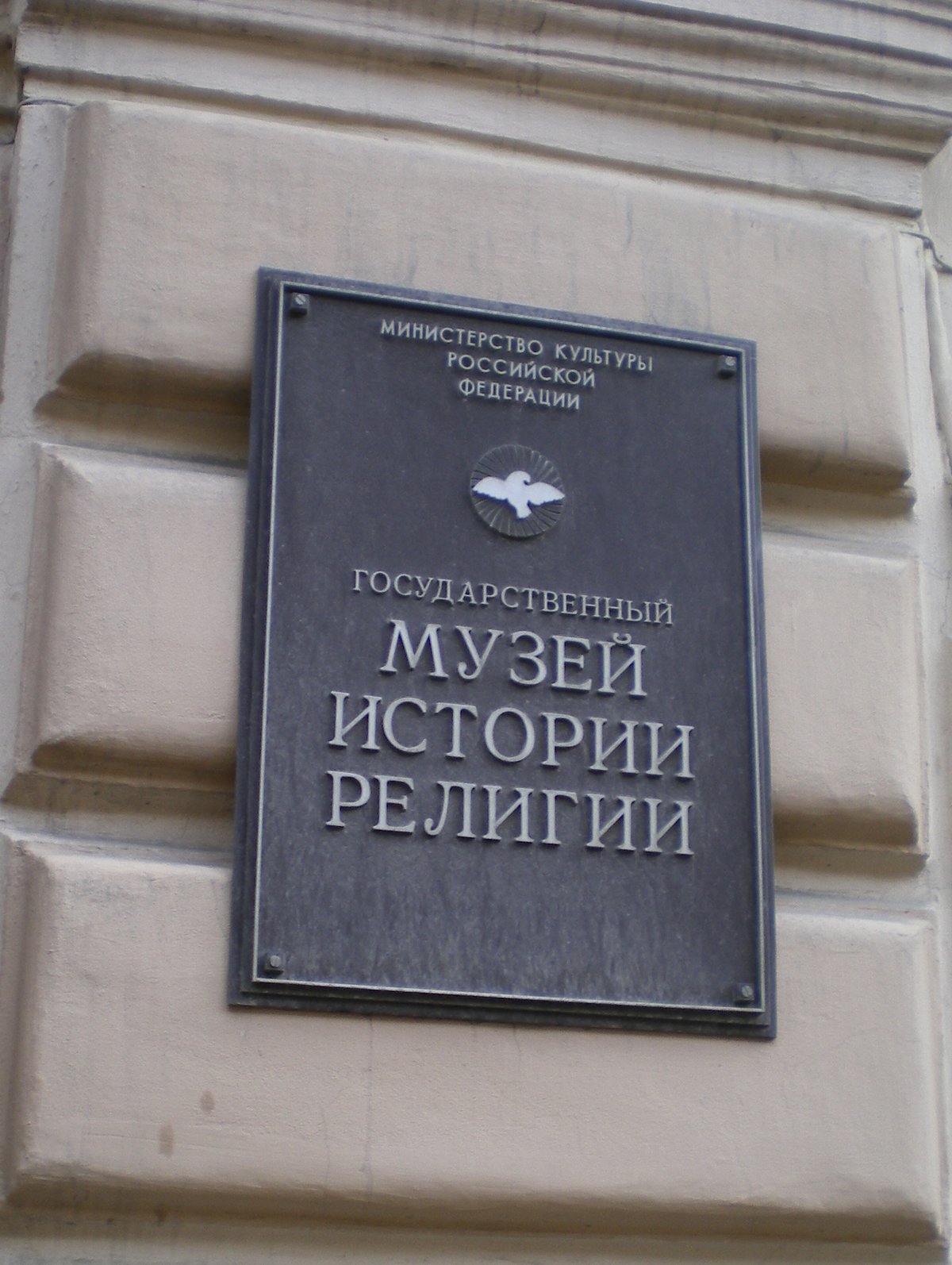
With the collapse of the Soviet Union and the revival of religious life in Russia, the Kazan Cathedral was returned to the Russian Orthodox Church. The museum relocated to 14 Pochtamtskaya Street—a 19th-century merchant mansion—and adopted its current name. Its mission shifted to objective, scholarly presentation of world religions, emphasizing diversity, dialogue, and the universal aspects of faith (Museum’s Official Website).
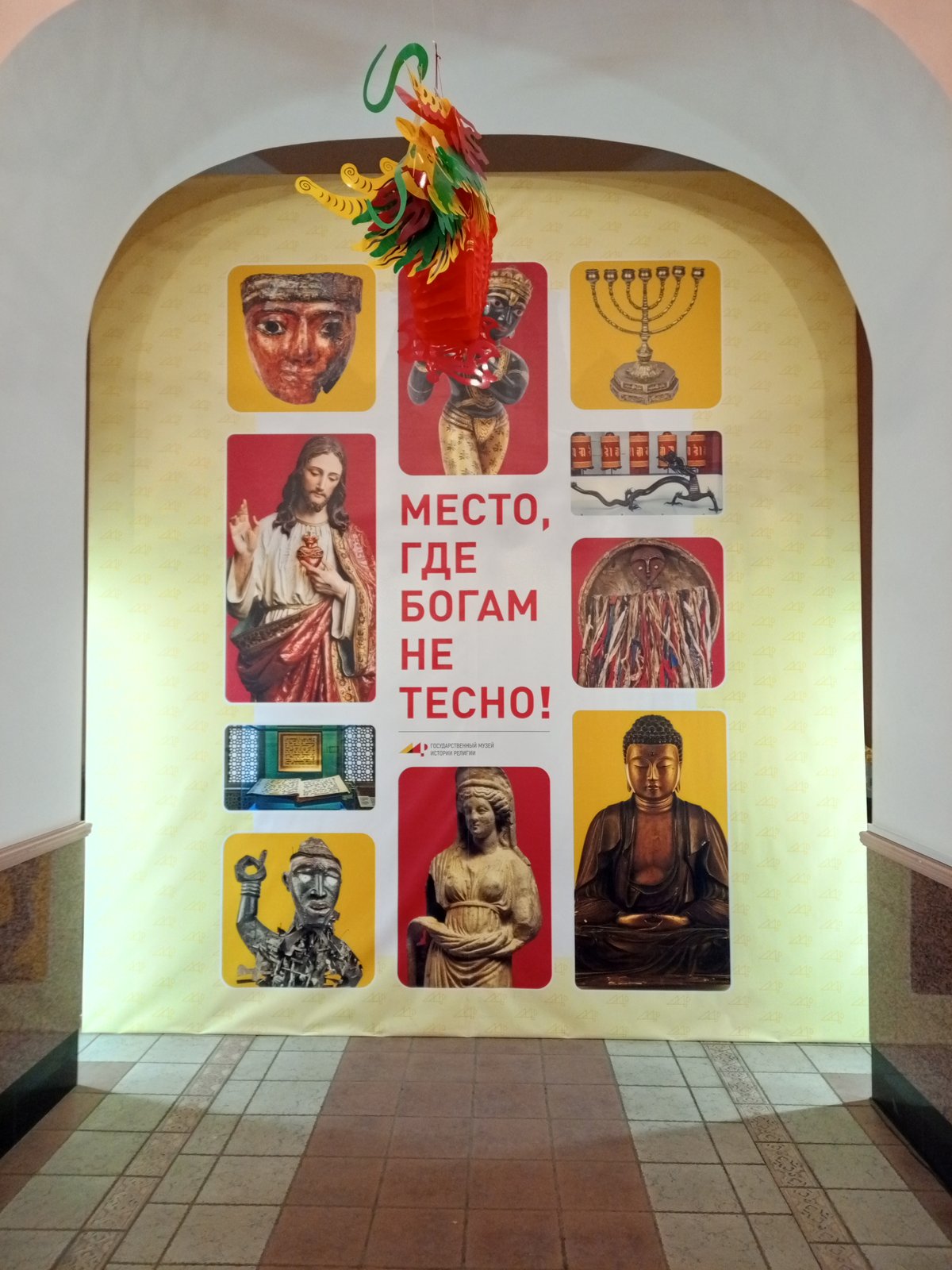
Today, the collection exceeds 200,000 items, including Egyptian amulets, Buddhist thangkas, Jewish Torah scrolls, Islamic manuscripts, Christian icons, and Siberian shamanic artifacts. The museum also maintains a vast archive of photographs, documents, and multimedia resources related to religious life.
Significance in Russian and Global Context
The Museum of the History of Religion is the only institution in Russia devoted exclusively to the comparative study of religion. It provides invaluable perspectives on the spiritual heritage of Russia and the wider world, reflecting the country’s complex journey from Soviet atheism to religious revival. Internationally, the museum collaborates with academic and religious organizations, hosting joint exhibitions, research initiatives, and educational programs (Saint Petersburg Official City Guide).
Exhibitions and Collections
Permanent Collections
The museum’s galleries are organized both chronologically and thematically, offering a global perspective on religious history.
- Ancient Religions Prehistoric artifacts, animistic items, and objects from Mesopotamia, Egypt, Greece, and Rome, including amulets and funerary objects.
- Christianity Russian Orthodox icons from the 16th to 20th centuries, Catholic and Protestant liturgical items, manuscripts, Bibles, and artifacts reflecting the church’s Soviet-era experiences.
- Islam Beautifully decorated Qur’ans, Arabic calligraphy, prayer rugs, and objects from Central Asia and the Volga-Ural region.
- Judaism Torah scrolls, ceremonial silverware, mezuzahs, prayer books, and folk art from Eastern European Jewish traditions.
- Buddhism & Hinduism Gilded Buddha statues, Tibetan thangkas, prayer wheels, deity figurines, and ritual implements from across Asia.
- Siberian and Indigenous Traditions Shamanic drums, masks, wooden carvings, and ceremonial garments from Siberian and Far Eastern peoples.
Temporary and Thematic Exhibitions
Rotating exhibitions focus on topics such as religious art, sacred music, women in religion, and modern spiritual movements. The museum is active in citywide events, including Saint Petersburg’s annual "Night of Museums," featuring performances, workshops, and interactive programs (TostPost).
Interactive and Multimedia Displays
Modern technology enhances the visitor experience with touchscreen kiosks, virtual tours, and multilingual audio guides (Lonely Planet; In Your Pocket).
Architectural and Cultural Heritage
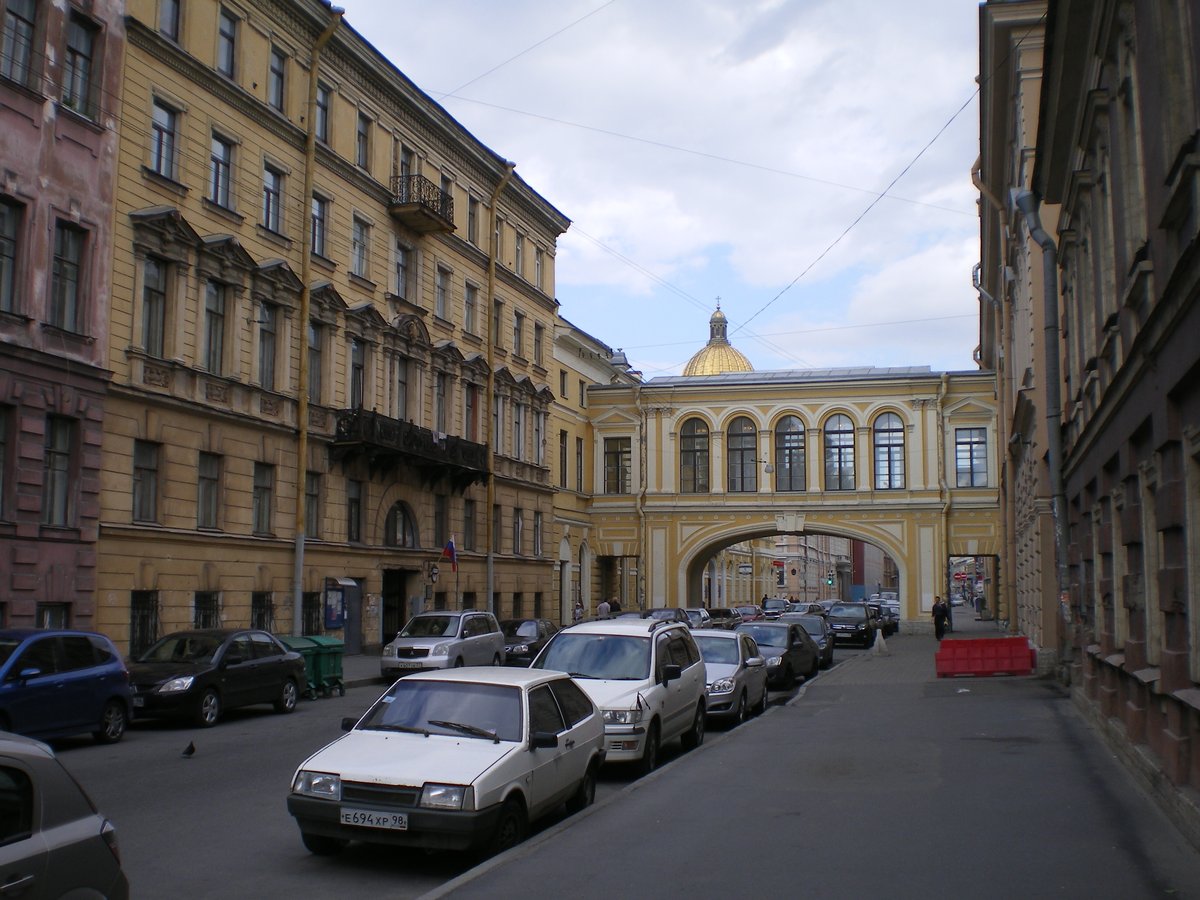
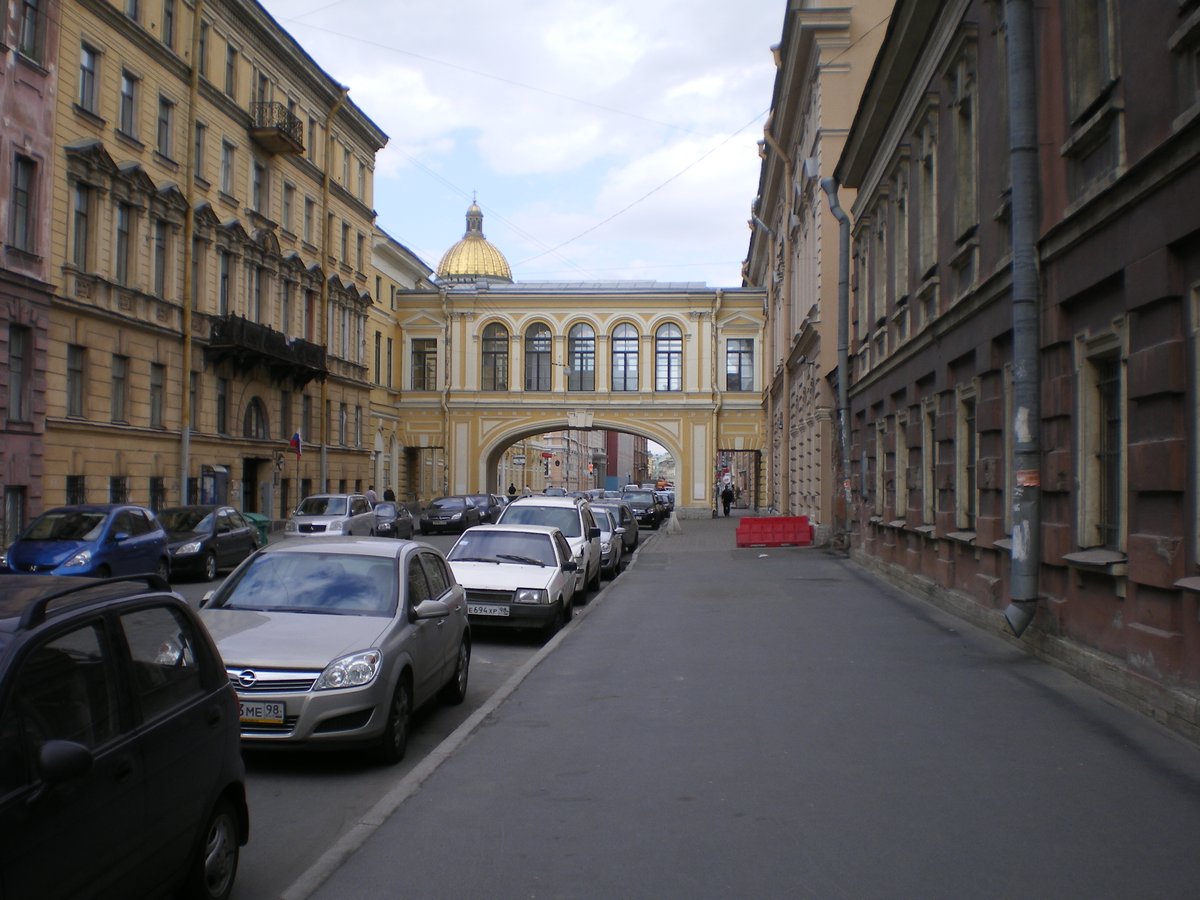
Housed at 14 Pochtamtskaya Street, the museum occupies a restored 19th-century mansion, offering a blend of historical ambiance and modern facilities (Museum’s Official Website). The building features spacious exhibition halls, a research library, and accessible public areas. The original Kazan Cathedral, its former home, remains a significant symbol of Saint Petersburg’s religious history.
Visitor Information: Hours, Tickets, and Accessibility
Address and Getting There
- Address 14 Pochtamtskaya Ulitsa, Saint Petersburg, 190000
- Nearest Metro Admiralteyskaya (Line 5), about a 10-minute walk
- Transport Accessible by trolleybus (routes 5, 22), bus, taxi, and ride-sharing services
- Google Maps View Location
Visiting Hours (as of June 2025)
- Tuesday to Sunday 11:00 AM – 6:00 PM
- Closed Mondays and the last Thursday of each month (for maintenance)
- Note Check the official website for seasonal or holiday changes
Tickets and Prices
- Standard Adult 300–400 RUB (~$3–$4 USD)
- Students/Seniors Discounted rates available
- Children under 7 Free
- Audio Guides Available in Russian and English for an additional fee
- Purchase At the ticket office or online
- Free Admission First Monday of every month (Social Day) (TostPost)
Accessibility
- Ramps and elevators connect primary exhibition floors; some smaller galleries may have limited access
- Cloakroom and free lockers available
- Staff assistance for visitors with disabilities; contact ahead for specific needs
Facilities, Amenities, and Travel Tips
- Multilingual Support Labels in Russian and English; audio guides and brochures in English, French, and German
- Guided Tours Bookable in advance, available in multiple languages
- Restrooms Located on the ground floor
- Museum Shop Books, postcards, and religious-themed souvenirs
- Café Light snacks, coffee, and tea
- Family-Friendly Interactive exhibits, children’s workshops
- Photography Allowed in most galleries (no flash/tripods); some temporary exhibits may have restrictions
- Best Times to Visit Weekday mornings or early afternoons for a quieter experience
- COVID-19 Measures Mask-wearing and hand sanitizing may be required; check updates on the museum website
Frequently Asked Questions (FAQ)
Q: What are the Museum of the History of Religion visiting hours?
A: Tuesday to Sunday, 11:00 AM to 6:00 PM. Closed Mondays and the last Thursday of each month.
Q: How much do tickets cost?
A: Standard adult tickets are 300–400 RUB; discounts for students, seniors, and free admission for children under 7.
Q: Is the museum wheelchair accessible?
A: Main floors are accessible; some historic galleries have limited access.
Q: Are guided tours available?
A: Yes, in several languages, including English. Book in advance.
Q: Is photography allowed?
A: Yes, without flash, except where prohibited in certain temporary exhibitions.
Summary and Recommendations
The Museum of the History of Religion in Saint Petersburg is a cultural landmark, reflecting Russia’s complex religious history and its ongoing dialogue between faith and secularism. With its extensive collections, interactive exhibitions, and educational programs, the museum provides an inclusive, accessible, and enriching experience for all visitors. For up-to-date information on visiting hours, ticket prices, and special events, consult the official museum website.
Whether you are a scholar, student, or traveler, the museum offers a captivating journey through the world’s spiritual heritage. Plan your visit today, explore related cultural sites, and enhance your experience with the Audiala app’s curated audio guides.