Historical Development and Urban Context
Founded in 1703 by Tsar Peter the Great, Saint Petersburg was designed to be a modern European city, with a network of wide avenues, canals, and harmonious architecture radiating from the Admiralty (Britannica). Bogumilovskaya Street emerged during the city’s rapid industrial and demographic growth in the late 19th and early 20th centuries, reflecting the expansion of residential neighborhoods for workers and the middle class.
Architectural Character
Bogumilovskaya Street is renowned for its eclectic architectural ensemble:
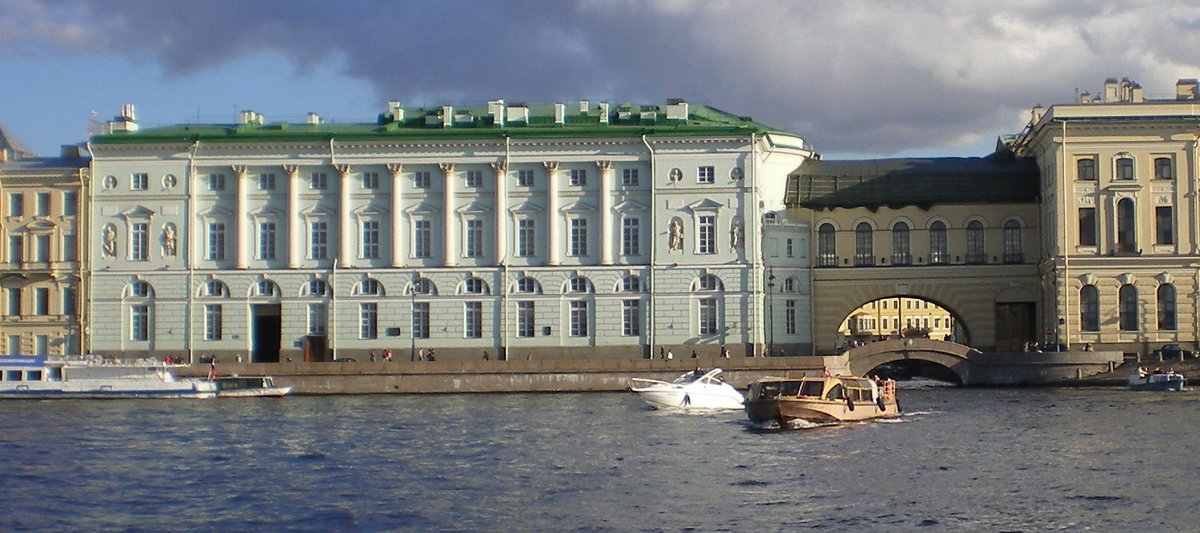
- Late Imperial and Neoclassical Styles Many original apartment blocks feature decorative cornices, stucco moldings, and wrought-iron balconies, embodying the influence of designers like Bartolomeo Rastrelli (Corinthia).
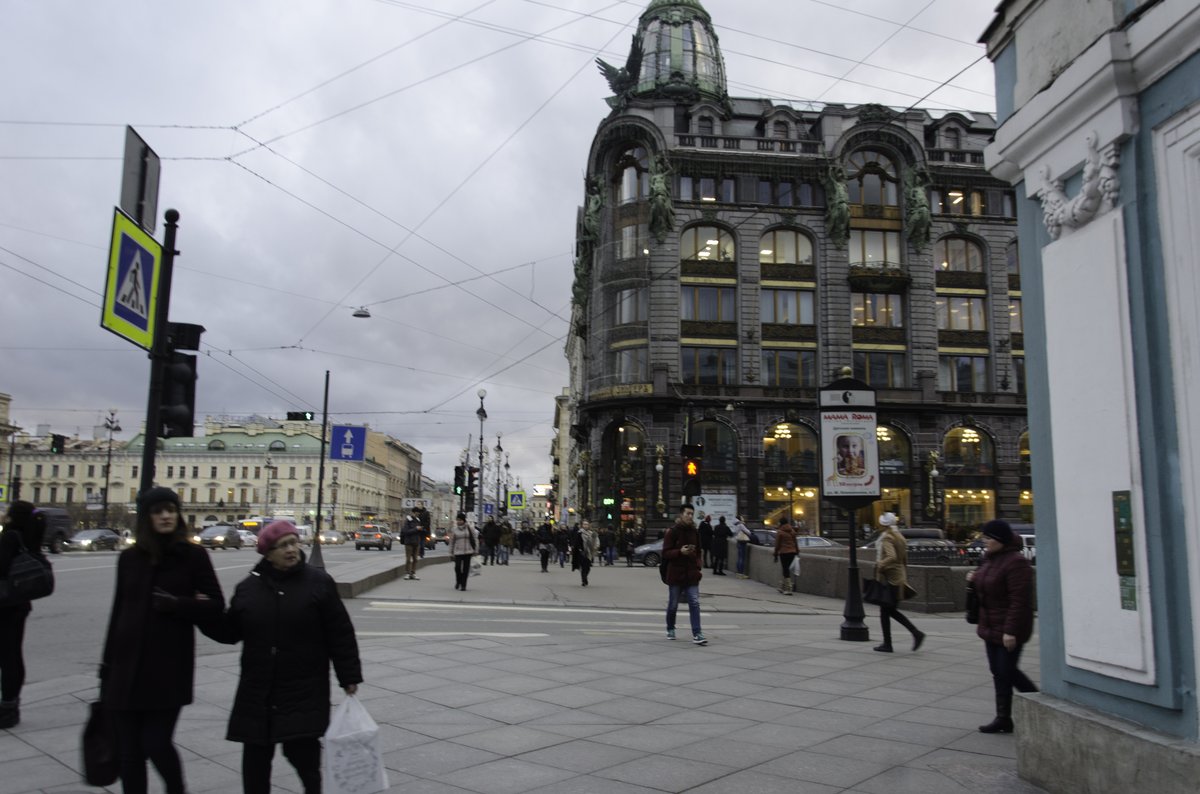
- Art Nouveau (Style Moderne) Early 20th-century buildings display curvilinear forms, floral motifs, and stained glass, reminiscent of the celebrated Singer House (Happy Frog Travels).
- Soviet and Post-Soviet Additions Functional apartment blocks and public buildings highlight minimalist aesthetics and communal living arrangements. Contemporary renovations increasingly seek to balance modern amenities with preservation (Archtene).
Social and Cultural Fabric
Bogumilovskaya Street is more than an architectural showcase—it is a vibrant community space. Historically home to a diverse mix of residents, including Russians, Ukrainians, and Jews, the street’s social fabric continues to evolve as young professionals and artists bring new energy to the area. Orthodox chapels, Soviet-era memorial plaques, and local parks stand as testaments to the street’s enduring communal spirit. The area played witness to pivotal events such as the 1917 Russian Revolution and the Siege of Leningrad during World War II (Wikipedia).
Preservation and Urban Evolution
Restoration efforts have intensified since the 1990s, focusing on reviving historical facades and public spaces. While urban development pressures persist, municipal and grassroots initiatives work to maintain the unique character of Bogumilovskaya Street (UNESCO).
Practical Visitor Information
Visiting Hours
- Street Access Bogumilovskaya Street is a public thoroughfare, open 24/7, year-round.
- Cultural Sites Orthodox chapels and small museums typically open from 9:00 AM to 6:00 PM. Always verify hours for specific venues.
Tickets and Entry
- Street No ticket required; the street is free to explore.
- Museums/Theaters Entry fees range from 200 to 500 rubles. Discounts are often available for students, seniors, and children. Tickets can be purchased online or at ticket offices.
Accessibility
- Sidewalks Paved and suitable for wheelchairs and strollers, though some older buildings may lack full accessibility.
- Transport The area is served by tram, bus, and nearby metro stations. Yandex.Taxi and Citymobil offer ride-hailing options (Russiable).
Travel Tips
- Footwear Wear comfortable shoes for walking.
- Seasonal Considerations Summer (White Nights, late May–early July) offers extended daylight and a festive atmosphere (Araioflight).
- Safety Exercise standard urban precautions. Avoid poorly lit areas at night and watch for icy sidewalks in winter (Travel Like a Boss).
- Language Russian is predominant; English is limited in residential areas, so bring a translation app or phrasebook (Saint Petersburg Travel Guide 2025).
Nearby Attractions
- Hermitage Museum
- Peter and Paul Fortress
- Mariinsky Theatre
- Local parks and artisan shops
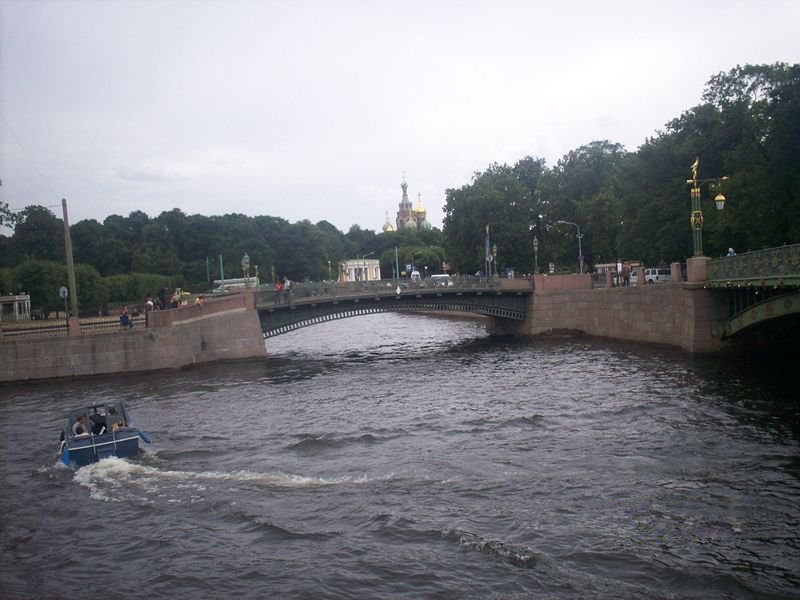
- Picturesque canals and bridges (Touropia)
Dining and Amenities
- Local bakeries and cafes offer traditional Russian fare. For wider culinary options, head to central districts.
- Pharmacies, convenience stores, and markets are available for basic needs.
Transportation Guide
Metro
- Nearest Stations Several within a 10–20 minute walk.
- Hours 06:00–00:00.
- Fare 70 rubles per ride; use the Podorozhnik card for convenience and discounts (Russiable).
Buses and Trams
- Fare 75 rubles (cash/card), 60 rubles with the Podorozhnik card.
- Hours 06:00–00:00.
- Accessibility Newer vehicles accommodate wheelchairs.
Marshrutkas (Minibuses)
- Fares 80–100 rubles, cash only.
- Note May not be fully accessible.
Taxis and Ride-Hailing
- Apps Yandex.Taxi, Citymobil.
- Fare From 250–350 rubles within the city.
Events and Community Life
Bogumilovskaya Street is lively during citywide events such as the White Nights Festival, which brings open-air concerts and art installations. Local art galleries and literary cafes host readings and small exhibitions (World City History).
Frequently Asked Questions (FAQ)
Q: What are the visiting hours for Bogumilovskaya Street?
A: The street is accessible 24/7; cultural sites typically open 9:00–18:00.
Q: Is there an entry fee?
A: No fee for the street itself; nearby museums and galleries may charge admission.
Q: Is Bogumilovskaya Street wheelchair accessible?
A: The street is generally accessible, but some older buildings may not be.
Q: How do I reach the street?
A: Use the metro to the nearest station, then walk or use a bus/tram.
Q: Are guided tours available?
A: Yes, several operators provide walking tours focusing on local history and architecture.
Visitor Tips
- Visit during the White Nights for extended daylight and cultural events.
- Respect local etiquette, especially in residential areas and religious sites.
- Carry small denominations of rubles for transport and small purchases.
- Download Yandex.Metro and Yandex.Go for transit and ride-hailing.
- Consult TransportSPB for real-time public transport info.