Foundation and Evolution
Founded in 1918, the State Museum of Theatre and Music was created during a period of upheaval following the Russian Revolution, with the aim of safeguarding the nation’s theatrical and musical heritage. Its initial collection, drawn from the Imperial Theatres, quickly expanded with donations from artists, collectors, and institutions across Russia. The museum’s mission is to chronicle and celebrate the evolution of Russian performing arts from imperial times, through the Soviet era, and into the present (saint-petersburg.com).
Role in Russian Cultural Heritage
The museum is a key player in preserving Russia’s cultural identity. By housing costumes, set designs, rare manuscripts, musical instruments, and personal memorabilia of legendary figures—including Anna Pavlova, Vaslav Nijinsky, Pyotr Tchaikovsky, and Dmitri Shostakovich—it not only documents artistic achievements but also serves as a research and educational center for both Russian and international audiences (muzcomedy.ru, advantour.com).
Architectural Significance
Location and Urban Context
Located at 6 Ploshchad Ostrovskogo, the museum occupies one of St. Petersburg’s most prominent neoclassical buildings. Designed by Carlo Rossi in the 19th century, the structure is part of a historic ensemble that includes the Alexandrinsky Theatre and the National Library of Russia, situating the museum within the city’s vibrant cultural district (Lonely Planet).
Neoclassical Design and Restoration
The museum’s architecture features harmonious proportions, elegant columns, and classical motifs. Restoration efforts have preserved original details, ensuring that visitors experience both the historical ambiance and modern functionality. The building’s design provides spacious galleries ideal for exhibiting large costumes, stage sets, and multimedia installations.
Collections and Must-See Exhibits
Theatrical Costumes and Stage Design
- Imperial Ballet Costumes Original attire from the Mariinsky and Mikhailovsky Theatres, including tutus and stage wear from the 19th and 20th centuries.
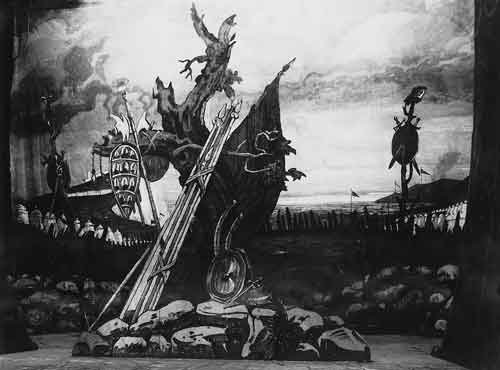
- Avant-Garde Designs Costumes and models reflecting the experimental spirit of early Soviet theatre, with works by Léon Bakst and Alexander Benois.
Musical Instruments and Composer Memorabilia
- Historic Instruments Pianos and strings played by Tchaikovsky and Shostakovich.
- Composer Archives Manuscripts, personal letters, and effects such as Tchaikovsky’s writing desk and Shostakovich’s spectacles.
Archival Photographs and Playbills
- Photographic Archives Rare images of legendary performances and backstage moments.
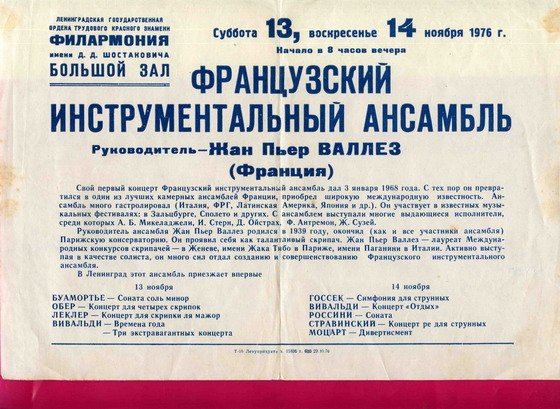
- Posters and Playbills A visual history of Russian theatre, from imperial to contemporary times.
Special Exhibitions and Thematic Rooms
- Temporary Exhibits Rotating displays such as “The Silver Age of Russian Theatre,” “The Siege of Leningrad: Theatre in Wartime,” and composer retrospectives (muzcomedy.ru).
- Reconstructed Spaces Immersive rooms like the Composer’s Study and a restored imperial theatre box.
Family and Interactive Experiences
- Workshops Puppet-making, set design, and sound experiments for children.
- Multimedia Installations Interactive displays and digital archives for all ages.
Visitor Information
Address and Access
- Location 6 Ploshchad Ostrovskogo, St. Petersburg, 191011, Russia.
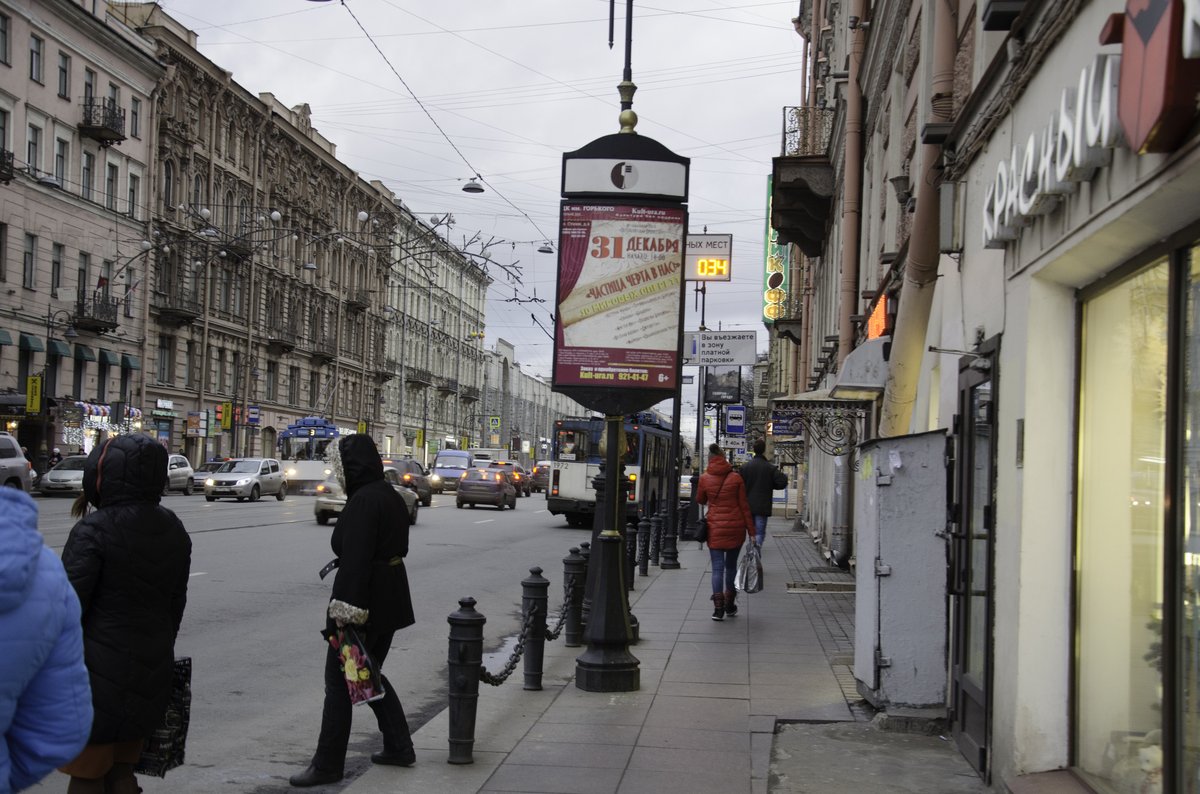
- Getting There Easily reachable via metro (Nevsky Prospekt or Gostiny Dvor stations) and public buses; close to major city attractions (Express to Russia).
Visiting Hours
- Thursday to Monday 11:00 – 19:00
- Wednesday 13:00 – 21:00
- Closed Tuesdays and the last Friday of each month
Always verify current hours on the official website before your visit.
Tickets & Admission
- Adult 300–500 RUB, depending on exhibitions
- Discounts Students, seniors, and children
- Children under 7 Free
- Purchase At the entrance or online; advance booking recommended for tours
Accessibility
- Wheelchair Access Ramps and elevators provided
- Assistance Staff available for visitors with special needs
- Note Some historic areas may have limited accessibility; inquire in advance for accommodations
Guided Tours and Events
- Languages Guided tours available in Russian and English
- Booking Advance booking recommended
- Events Special exhibitions, concerts, and workshops scheduled throughout the year
Photography & Media
- Policy Non-flash photography permitted in most areas; some restrictions may apply for special exhibitions
Branches and Associated Museums
The State Museum of Theatre and Music manages several specialized branches around St. Petersburg, each dedicated to prominent figures or themes in Russian performing arts (saint-petersburg.com, Express to Russia):
- N.A. Rimsky-Korsakov Museum
- F.I. Chaliapin Museum
- Samoilov Family Museum
- Museum of Music at Sheremetev Palace
These branches offer additional collections, concert spaces, and educational programs.
Visitor Services and Tips
- Cloakroom & Restrooms Available on-site
- Museum Shop Books, souvenirs, and memorabilia
- Educational Programs Workshops for children and adults
- Language Most exhibit labels in Russian; guided tours in English are recommended for non-Russian speakers
- Plan Your Visit Allocate 1.5–2 hours for the main collection, more for concerts or branch visits
- Nearby Attractions Combine your visit with the Alexandrinsky Theatre, Russian Museum, or Philharmonic Hall
FAQ
Q: What are the State Museum of Theatre and Music visiting hours?
A: Thursday to Monday 11:00–19:00, Wednesday 13:00–21:00, closed Tuesdays and the last Friday of the month.
Q: How much are tickets?
A: 300–500 RUB for adults; discounts for students, seniors, and children; free for children under 7.
Q: Is the museum accessible for people with disabilities?
A: Yes, wheelchair access and assistance are available, though some areas may be limited.
Q: Are guided tours available in English?
A: Yes, by advance reservation.
Q: Can I take photographs inside the museum?
A: Non-flash photography is allowed in most galleries; check for restrictions on special exhibits.
Q: What are some nearby historical sites?
A: Alexandrinsky Theatre, Mariinsky Theatre, Russian Museum, and Philharmonic Hall.