Discover Gavanskiy Lane: A Historical Gem in Saint Petersburg
Historical Origins and Urban Development
A Maritime Legacy
Gavanskiy Lane’s origins are rooted in its role as an essential corridor connecting Saint Petersburg’s administrative core to the Baltic Sea harbor. Established under Peter the Great in the early 1700s, the lane quickly became a hub for shipbuilding and trade, with its name directly referencing its proximity to the “harbor” (UNESCO).
Growth Through the Centuries
Through the 18th and 19th centuries, the lane flourished alongside the city’s maritime expansion. Its landscape was defined by robust brick warehouses, customs houses, and workers’ homes. Early 20th-century modernization brought tram lines, gas lighting, and a blend of industrial and elegant residential architecture. The Soviet era introduced communal apartments and standardized housing, but much of the historic street layout was preserved. Since the 1990s, restoration efforts and creative industries have brought new vitality to the neighborhood (E3S Web of Conferences).
Why Visit Gavanskiy Lane?
Architectural Diversity
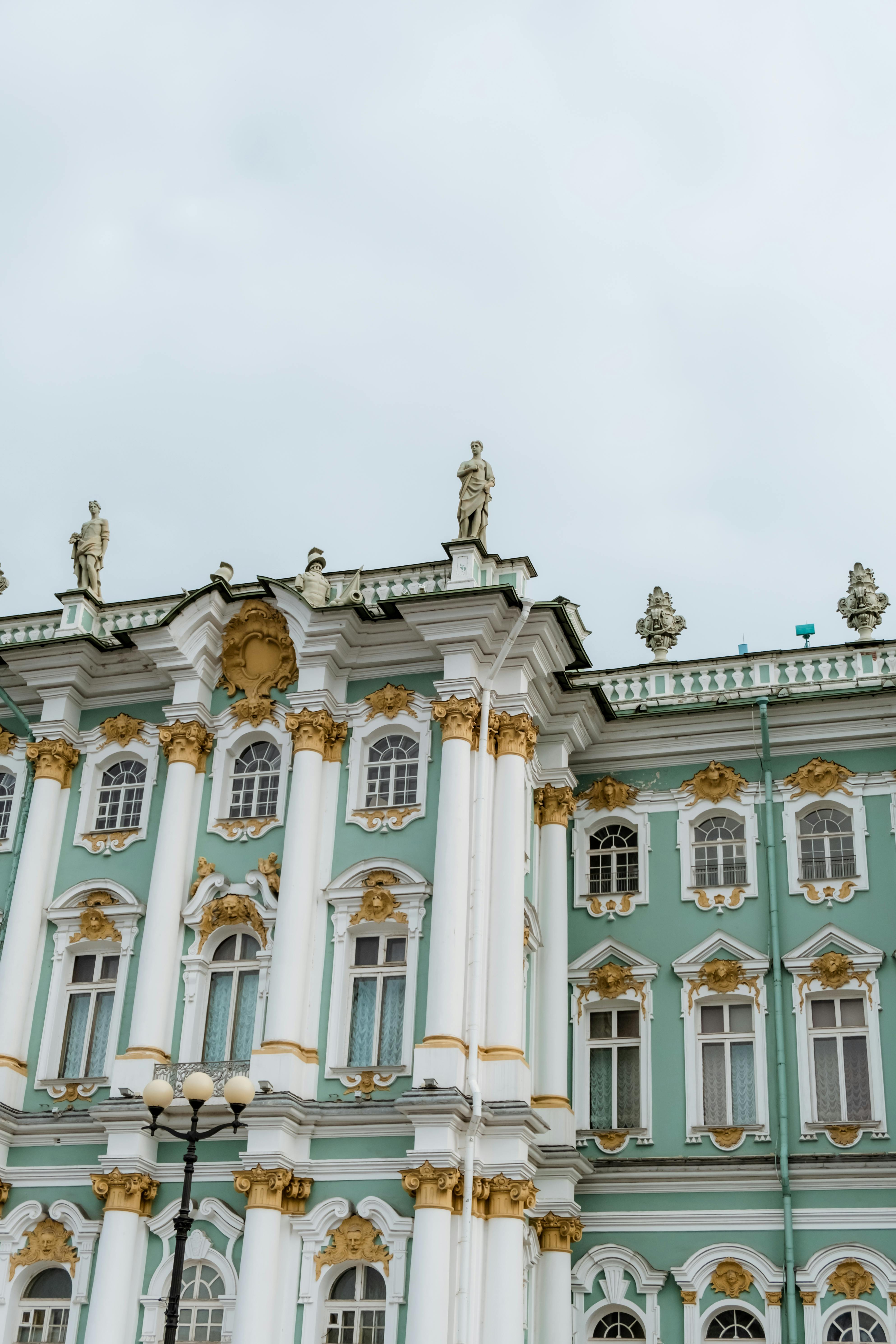
Gavanskiy Lane is a living museum of architectural styles, from 18th-century warehouses and neoclassical tenements to Soviet communal blocks and innovative adaptive reuse projects. Visitors can witness the city’s layered history in its facades and courtyards (UNESCO).
Cultural and Creative Hub
The lane is a magnet for artists, intellectuals, and creative entrepreneurs. Former industrial spaces now house galleries, design studios, and cafés, fostering a lively community atmosphere (St. Petersburg Essential Guide).
Scenic Views and Maritime Atmosphere
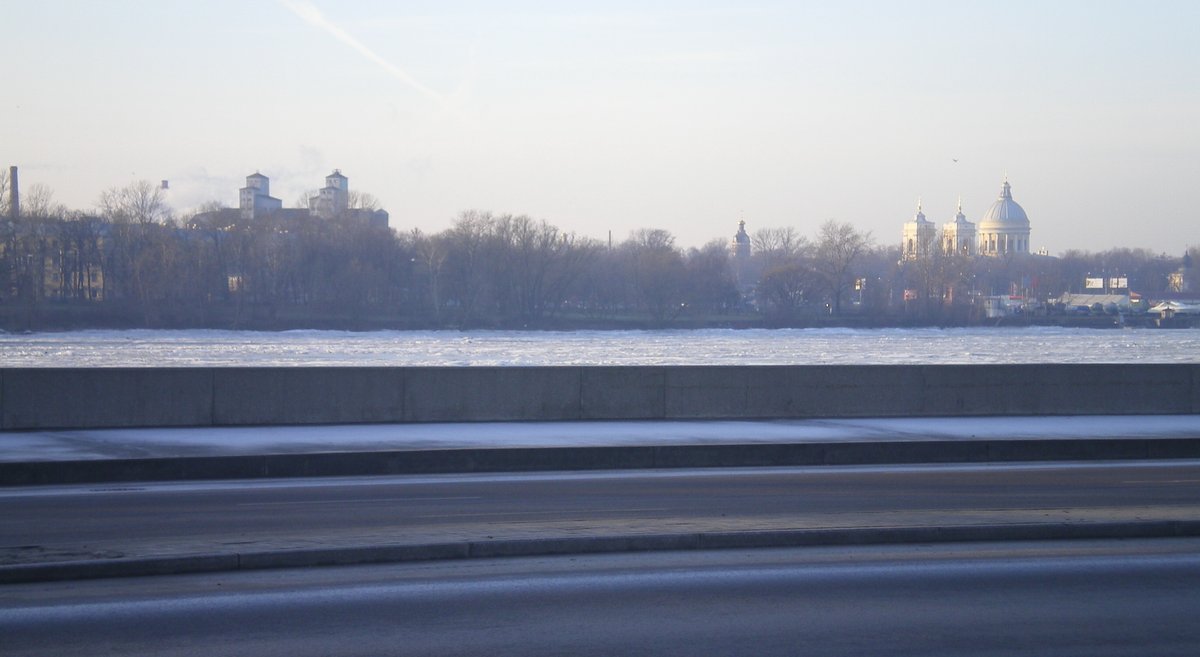
With embankments offering panoramic views of the Neva and proximity to the old port, the area retains a maritime spirit. This ambiance, combined with its creative vibrancy, makes Gavanskiy Lane a memorable destination.
Practical Visitor Information
Visiting Hours and Accessibility
Gavanskiy Lane is a public street open 24/7 with no entrance fee. Cultural venues and galleries generally operate from 10:00 AM to 7:00 PM. The main street is paved and relatively flat, accessible to most visitors, though some side courtyards and historic buildings may not be fully wheelchair-friendly.
Getting There
The lane is easily accessible by public transport. The nearest metro stations are Vasileostrovskaya and Sportivnaya (Line 3), both within a 10–15 minute walk. Several bus and tram routes serve Vasilievsky Island, and the area is well-suited to walking or cycling (Russiable).
Guided Tours and Events
Various local tour companies offer walking tours focusing on the area’s maritime history and architecture. Seasonal events, art exhibitions, and festivals are regularly hosted in the neighborhood.
Must-See Spots
- Historic brick warehouses reflecting industrial heritage
- Art Nouveau and neoclassical residential buildings
- Creative studios and galleries in former industrial spaces
- Neva River embankments with harbor views
Planning Your Visit: Local Experience and Practical Tips
Everyday Atmosphere and Local Life
Gavanskiy Lane is cherished for its “village within the city” feel—locals frequent family-owned bakeries, greet each other on the street, and participate in neighborhood events. Mornings are calm and inviting; evenings come alive with the glow of lamplight and café chatter. Visitors are welcomed into the daily rhythm of Saint Petersburgers.
Exploring on Foot
Start your walk at Bolshoy Prospekt and meander toward the Neva embankment. Discover side courtyards adorned with murals, sculptures, and communal gardens. Uncover independent bookshops, vintage stores, and small art galleries—each offering a window into the area’s creative spirit (Global Adventure Guide).
Culinary and Market Experiences
Sample fresh rye bread and pirozhki from local bakeries, or browse the farmers’ market on weekends for regional produce and artisanal goods (Time Travel 80).
Engaging with Residents
A few Russian phrases can open doors—greetings like “Здравствуйте” (Hello) and “Спасибо” (Thank you) are appreciated. Residents often share insights about building histories or local events (Global Adventure Guide).
Seasonal Highlights and Best Times to Visit
Late Spring to Summer (May–August):
Experience the city bathed in the magic of the White Nights, with nearly 24-hour daylight and citywide festivals (Where and When). This is the most popular and vibrant time to visit.
Autumn (September–November):
Enjoy tranquil streets, golden foliage, and a relaxed cultural scene with fewer crowds.
Winter (December–February):
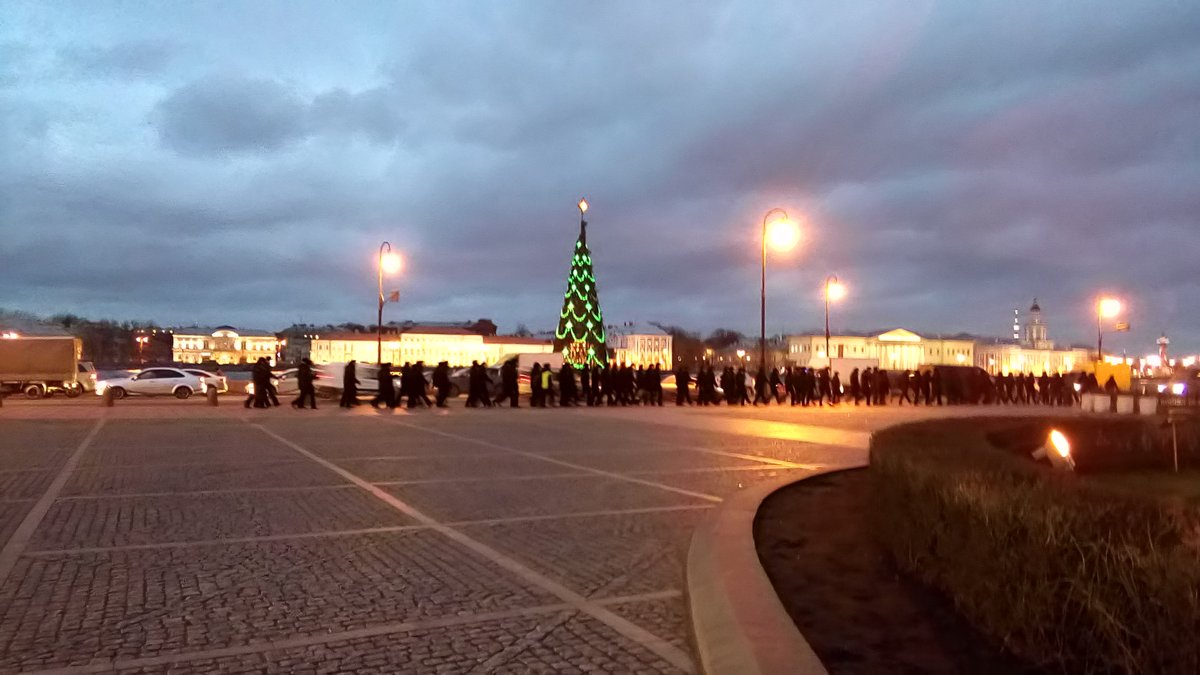
Marvel at snow-covered architecture and festive lights. The area is quieter, but holiday markets and performances enliven the season (Holidify).
Spring (March–May):
Witness the city’s renewal as flowers bloom and outdoor life resumes.
Tips for Visitors
- Footwear Wear comfortable shoes for cobblestones and uneven pavement.
- Cash Carry some Russian rubles for small purchases; cards are widely accepted in larger venues.
- Etiquette Avoid loud noise at night, and always ask before photographing private property.
- Language English is common in tourist areas, but translation apps are helpful for signage.
- Safety The area is generally safe; usual urban precautions apply.
- Weather Pack for variable conditions—layers, rain gear in summer, and thermal clothing in winter.
Frequently Asked Questions (FAQ)
Q: Do I need tickets to visit Gavanskiy Lane?
A: No, Gavanskiy Lane is a public street open to all, free of charge.
Q: What are the best times to visit?
A: Daytime hours, especially during the White Nights (late May–mid-July), offer a unique experience.
Q: Is the lane accessible for wheelchair users?
A: The main street is accessible, but some side courtyards and historic buildings may have limited accessibility.
Q: Are there guided tours?
A: Yes, several local guides offer walking tours focusing on history and culture—booking in advance is recommended.
Q: What nearby attractions can I visit?
A: Kunstkamera Museum, Neva River Embankment, and St. Andrew’s Cathedral are all close by.
Exploring Saint Petersburg Beyond Gavanskiy Lane
For those eager to discover more, Vasilievsky Island is home to the Kunstkamera Museum, University Embankment, the Old Saint Petersburg Stock Exchange, and Rostral Columns. The area is well-integrated with city life, offering easy access to public transit and major sights (St. Petersburg Essential Guide; mundomaya.travel).
Recommended Visuals
- Gavanskiy Lane historic buildings at sunset (alt: "Historic architecture along Gavanskiy Lane, Saint Petersburg")
- Neva River harbor views from Vasilievsky District
- Display of traditional Russian breads at a Gavanskiy Lane bakery
- White Nights Festival celebrations in the lane’s courtyards
Interactive maps and virtual tours are available on official tourism websites and the Audiala app.