

Origins and Early Development
Teatro San Moisè was established in the early 17th century, circa 1640, at a time when Venice was cementing its status as a European cultural hub (Through Eternity). Initially built for dramatic performances, it soon transitioned to opera, with its first operatic work being Monteverdi’s "L’Arianna."
Architectural Features
The original theatre, seating around 800, reflected the Venetian preference for intimacy and excellent acoustics. Its horseshoe-shaped auditorium and Baroque façade, modest yet elegant, were designed to foster a close connection between performers and audience. While the structure is now gone, its architectural legacy lives on in engravings and historical records.
Cultural Significance and Innovations
San Moisè was a pioneer in democratizing opera. In 1674, impresario Francesco Santurini lowered ticket prices, making performances accessible to a broader public and setting a trend followed by other venues. The theatre also introduced innovative formats such as puppet operas with elaborate scenic effects, drawing widespread acclaim.
Notable Events and Premieres
The theatre is closely linked to the early careers of famed composers. Notably, Rossini premiered his first opera, "La cambiale di matrimonio," here in 1810, followed by other early successes. Works by Vivaldi, Galuppi, and Albinoni also graced its stage, and the theatre was instrumental in popularizing opera buffa and dramma giocoso—forms that would influence composers like Mozart (Italy Tourist Information).
Decline and Legacy
Teatro San Moisè operated as an opera house until 1818 before transitioning to a puppet theatre and later hosting Venice’s first public cinema screening in 1896. It was eventually demolished, but its historical significance is commemorated by plaques and woven into Venice’s cultural memory.
Visiting Teatro San Moisè Today
Location and How to Find the Site
The site of the former Teatro San Moisè is located in the San Marco district, specifically at Corte del Teatro, near the Chiesa di San Moisè. The closest landmarks are Piazza San Marco and the church itself. The location is easily accessible on foot from major tourist areas and vaporetto stops (San Marco Vallaresso, Santa Maria del Giglio).
Visiting Hours and Tickets
- Hours The site is part of the public street network and is open 24/7.
- Entry There is no ticket required to visit the site itself.
- Access Fee Venice enforces a citywide Access Fee on select high-traffic days (especially April–July), bookable in advance via the official portal. This is not specific to Teatro San Moisè.
Guided Tours and Visitor Experience
While no tours are dedicated solely to Teatro San Moisè, many Venice historical and opera-themed walking tours include a stop at the site, sharing insights into its operatic and cinematic milestones. Check with local tour operators or the Piazza San Marco visitor center for current offerings.
Accessibility and Practical Tips
- Mobility Venice’s core is pedestrian with narrow alleys and bridges, which can challenge those with mobility issues. The area is navigable on foot, and Venice offers wheelchair-accessible itineraries and discounted fares for wheelchair users.
- Transport Nearest vaporetto stops are San Marco Vallaresso and Santa Maria del Giglio. Use the “CheBateo?” app for real-time water bus updates.
- What to Bring Comfortable walking shoes, sun protection, a refillable water bottle, and a secure crossbody bag are recommended.
- Best Time to Visit Early morning or late afternoon, especially in June, for quieter streets and optimal lighting (Headout).
Nearby Attractions and Itineraries
- Chiesa di San Moisè Adjacent to the former theatre site, the church features a lavish Baroque façade and notable artworks.
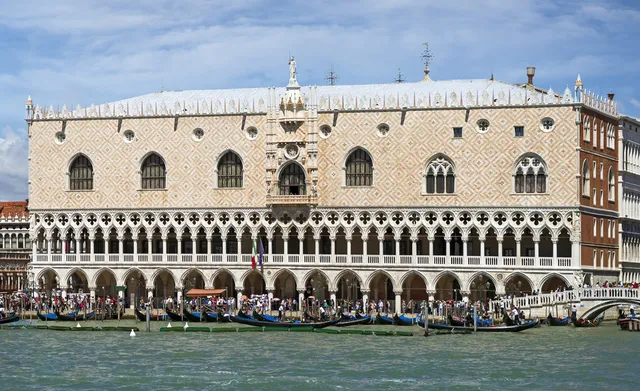
- St. Mark’s Basilica & Doge’s Palace Venice’s most iconic landmarks.
- Teatro La Fenice Venice’s premier opera house, still in operation (Teatro La Fenice official site).
- Rialto Market Experience Venice’s bustling daily life.
- Suggested Walking Route Teatro San Moisè → St. Mark’s Basilica → Grand Canal stroll → Rialto Market.
Commemorative Plaques and Cultural Markers
Two plaques in Corte del Teatro commemorate the site’s significance:
- Rossini’s operatic debut in 1810 (Conoscere Venezia)
- Venice’s first public cinema screening in 1896
Both are in Italian and underscore the cultural importance of the location.
FAQs
Q: Is there an entry fee?
A: No, visiting the site is free. The city’s Access Fee may apply on specific days.
Q: What are the visiting hours?
A: The site is accessible 24/7 as part of the public street network.
Q: Are guided tours available?
A: Many Venice walking tours include the site as part of broader cultural itineraries.
Q: How do I get there?
A: It’s a short walk from Piazza San Marco; use nearby vaporetto stops.
Q: Is the site accessible for people with disabilities?
A: The area is pedestrian but may include uneven surfaces and bridges; Venice offers accessible routes and discounted transport fares.
Responsible Tourism
Support Venice’s sustainable tourism efforts by respecting local customs, minimizing waste, and using refillable water bottles. The Access Fee system is designed to help preserve the city’s unique heritage (Visit Venezia).
Summary Table: Key Visitor Information
| Aspect | Details |
|---|---|
| Location | Corte del Teatro, Sestiere San Marco, near Chiesa di San Moisè |
| Access | Open 24/7, free entry |
| Closest Vaporetto Stop | San Marco Vallaresso, Santa Maria del Giglio |
| Accessibility | Pedestrian area with uneven surfaces and bridges |
| Best Time to Visit | Early morning or late afternoon, especially in June |
| Access Fee | Required on select days (April–July); book in advance (Visit Venezia) |
| Facilities | No on-site facilities; public restrooms nearby in San Marco |
| Nearby Attractions | St. Mark’s Basilica, Doge’s Palace, Teatro La Fenice, Rialto Market |
| Language | Italian (English widely spoken) |
| Emergency Number | 112 |
Discover More
While Teatro San Moisè no longer stands, its legacy endures in Venice’s operatic history, the commemorative plaques, and the lively stories shared on guided tours. Make your visit meaningful by exploring the site alongside nearby cultural gems, supporting responsible tourism, and engaging with Venice’s living traditions. For more in-depth guides, event updates, and exclusive tours, download the Audiala app and follow us on social media.