
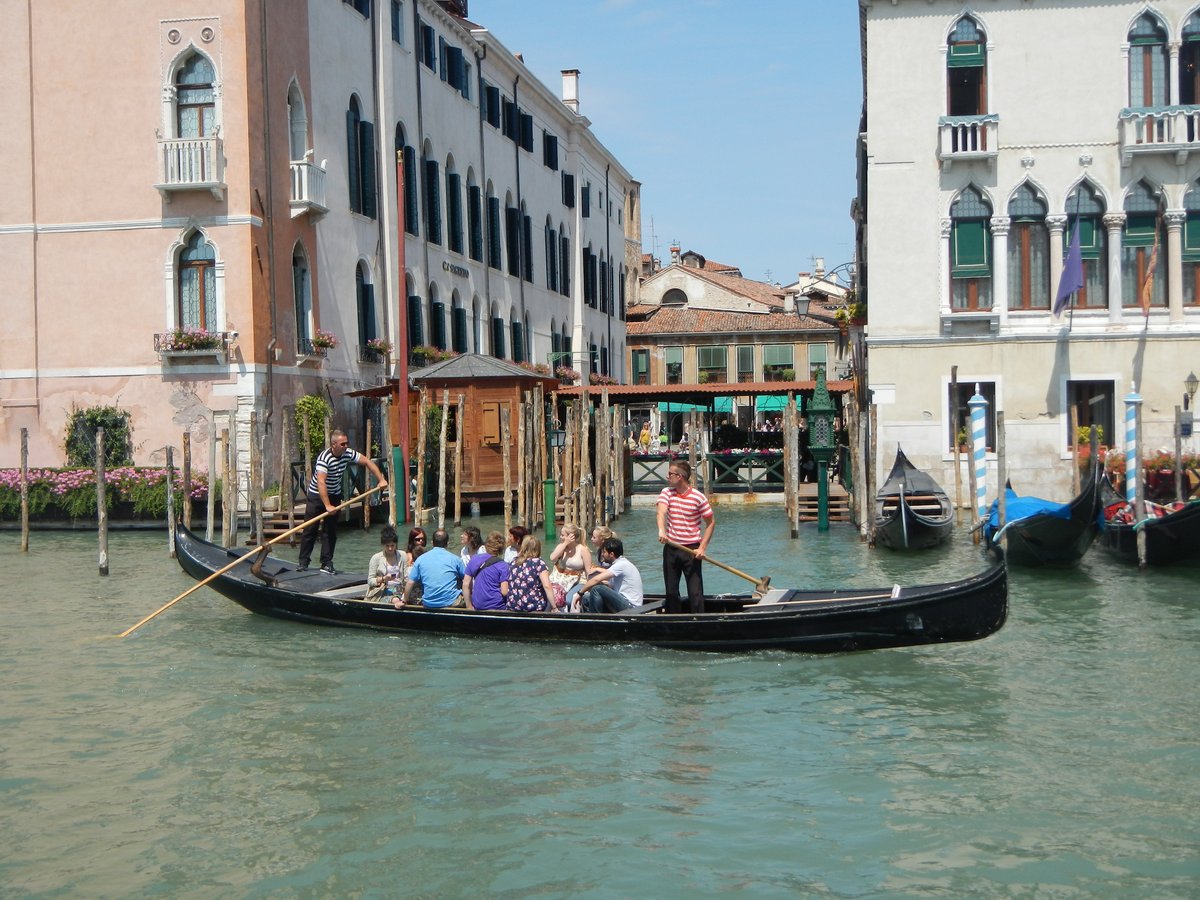
Origins and Early Ownership
Ca’ Sagredo traces its roots to the 14th and 15th centuries, originally constructed by the Morosini family, a prominent patrician lineage. Its early architectural style embodies a mix of Byzantine and Gothic influences, characteristic of Venetian palazzi of that era, and its location on the Grand Canal at Campo Santa Sofia placed it at the heart of civic life (Wikipedia, Italyscapes).
In 1661, the palace became the property of Nicolò Sagredo—a notable diplomat and later the Doge of Venice. The Sagredo family, whose legacy dates back to the 11th century, elevated the palazzo's status, investing in art and architecture and transforming it into a symbol of Venetian nobility (Where Art Inspires Beauty).
Architectural Evolution and Artistic Flourishing
The 18th century saw Ca’ Sagredo undergo substantial renovation, mainly under Zaccaria Sagredo, an art collector and intellectual. Architect Tommaso Temanza led these upgrades, introducing Baroque and Rococo interiors while respecting the palazzo’s Gothic-Byzantine roots (Wikipedia, Italyscapes).
Key highlights:
- Grand Staircase Designed by Andrea Tirali in 1732, featuring Pietro Longhi’s fresco “The Fall of the Giants” and marble cherubs by Francesco Bertos (Where Art Inspires Beauty).
- Music Ballroom Adorned with frescoes by Gaspare Diziani, gilded chandeliers, and terrazzo floors inlaid with the Sagredo crest.
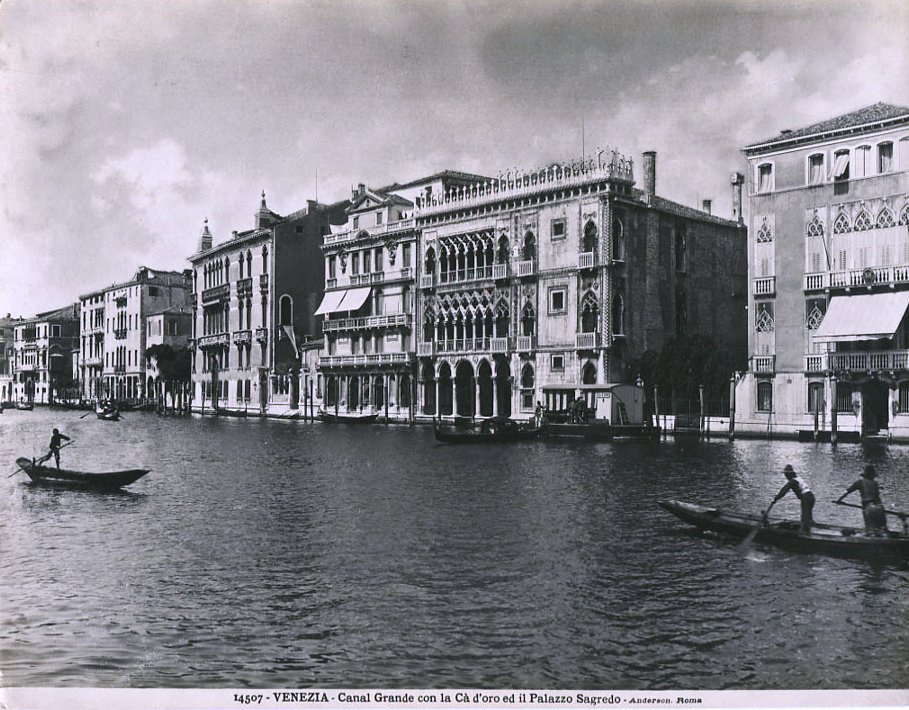
- Façade The asymmetrical exterior is notable for its hexafora (six-light window), Gothic quadrifora, and elegant columns—iconic features of Venetian Gothic architecture (Italyscapes).
Throughout the palace, visitors can admire artworks by Sebastiano Ricci, Giambattista Tiepolo, Nicolò Bambini, and more (CountryClubUK).
Cultural and Intellectual Significance
Beyond its role as a residence, Ca’ Sagredo was a vibrant cultural hub. The Sagredos’ patronage attracted leading artists, musicians, and thinkers. Galileo Galilei even referenced Gianfrancesco Sagredo (a family member) in his famous “Dialogue Concerning the Two Chief World Systems,” with conversations imagined within the palace (Wikipedia).
Zaccaria Sagredo amassed a vast art collection, including paintings by Tiepolo and Piazzetta, and created salons that became gathering places for intellectual discourse. The grand portego once displayed over a hundred paintings, later replaced by hunting scenes and allegories by Andrea Urbani.
Notable rooms include:
- Sala del Doge Features a ceiling painting by Nicolò Bambini.
- Sala Amigoni Frescoed by Jacopo Amigoni.
- Two-story Library Houses 18th-century bookshelves and antiques.
Visiting Ca’ Sagredo: Hours, Tickets, and Accessibility
Visiting Hours
- Public Access Ca’ Sagredo operates mainly as a luxury hotel, but guided tours of the palace’s historic areas (grand staircase, ballrooms, salons) are available by reservation or during special events.
- Opening Times Typically open daily from 10:00 AM to 6:00 PM, with last entry at 5:00 PM. Always check the official website for the latest updates or seasonal changes.
Tickets and Tours
- General Admission Approx. €15–€20 for adults; discounts for students, children, and groups.
- Guided Tours Offered in multiple languages, often requiring advance booking. Prices for special tours and exhibitions may vary.
- Hotel Guests Complimentary access to many artistic spaces.
Accessibility
- Wheelchair Access The main entrance and ground floor are accessible, but historic upper levels may be reached only by stairs. Contact the palace in advance for assistance or specific needs.
- Mobility Some uneven floors and staircases may be challenging; comfortable footwear is recommended.
Cultural Events and Visitor Experience
Ca’ Sagredo continues to be a cultural venue, hosting art exhibitions, concerts, and thematic events that celebrate Venetian traditions (Ca’ Sagredo Hotel Events). The on-site L’Alcova restaurant and panoramic terrace offer exceptional dining with Grand Canal views (Kirker Holidays). Guests and visitors can also arrive by water taxi at the palace’s private landing, experiencing a true Venetian noble welcome (No Destinations).
Preservation of Heritage and Modern Significance
Declared a National Monument, Ca’ Sagredo underwent meticulous restoration before reopening as a luxury hotel in 2007 (Italyscapes). The palace now offers 42 uniquely decorated rooms and suites, blending historical frescoes, stuccoes, and antique furnishings with modern comforts (SLH). This adaptive reuse ensures the ongoing preservation of Venice’s cultural heritage.
Practical Travel Tips and Nearby Attractions
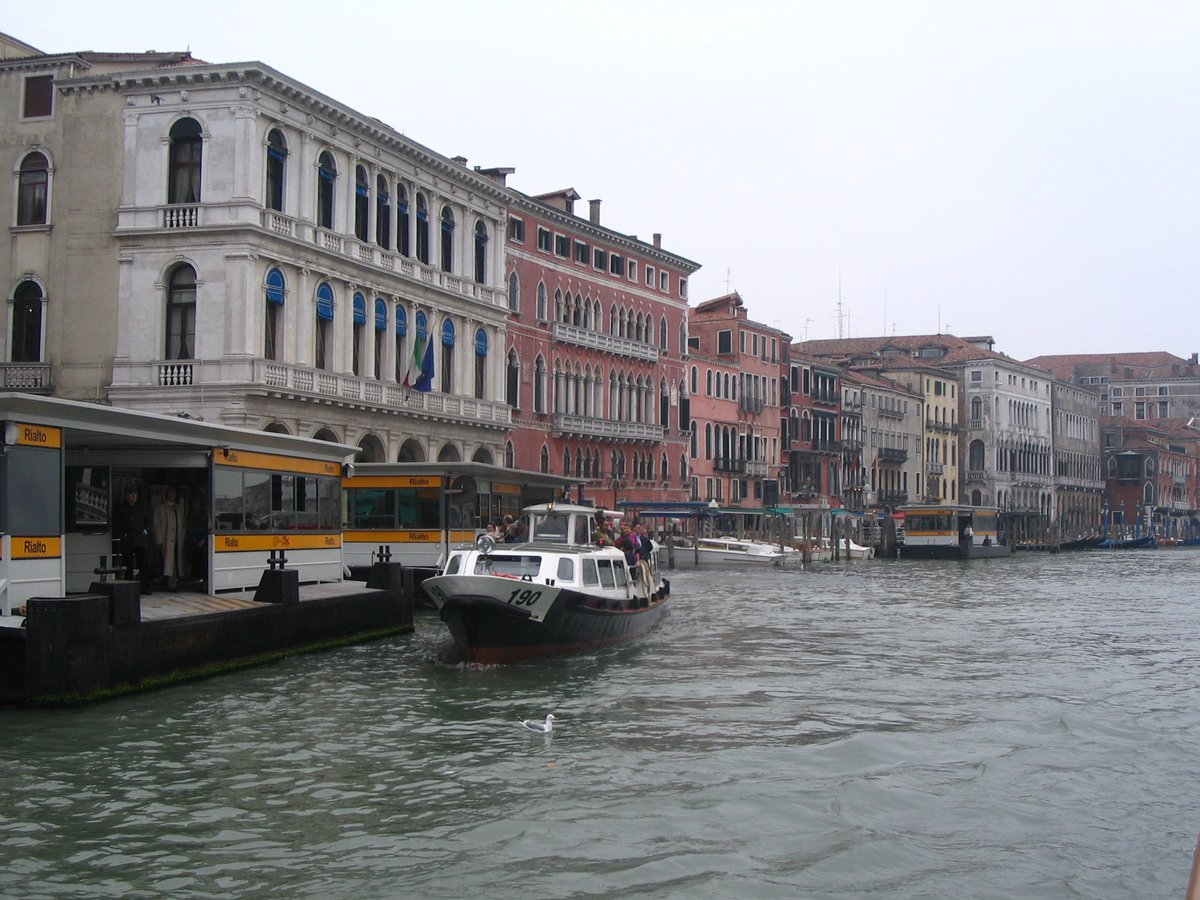
- Getting There Vaporetto (water bus) to Ca’ d’Oro stop or Santa Sofia stop; water taxi direct to the palace’s private landing.
- Nearby Attractions Rialto Bridge and Market, Ca’ d’Oro museum, artisan shops in Cannaregio, and St. Mark’s Basilica within walking distance.
- Best Time to Visit Spring (April–June) and early autumn (September–October) for pleasant weather and fewer crowds.
- Photography Allowed in most public areas (no flash or tripods).
Frequently Asked Questions (FAQ)
Q: Can I visit Ca’ Sagredo without staying at the hotel?
A: Yes, guided tours are available by reservation and during special events.
Q: Are children welcome?
A: Yes, but supervision is required due to fragile artworks and historic furnishings.
Q: Is the palace fully accessible?
A: Some areas are accessible, but upper floors may pose challenges for those with mobility impairments.
Q: How can I buy tickets?
A: Purchase online via the official website or on-site; booking ahead is recommended in high season.
Q: Are there cultural events or exhibitions?
A: Yes, check the events calendar on the official website for current programming.