
Origins and Early Development
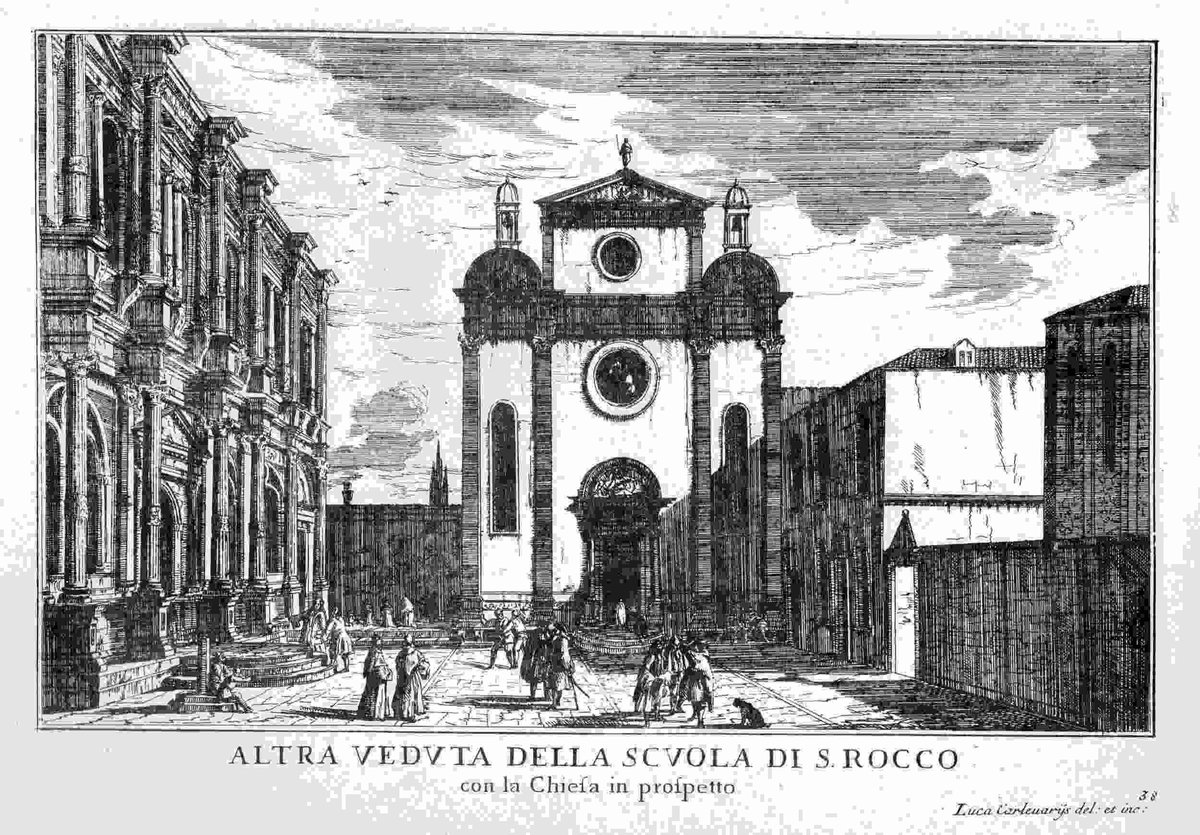
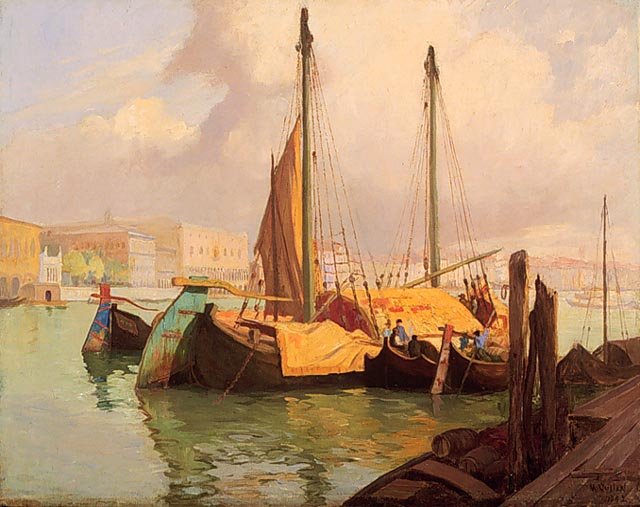
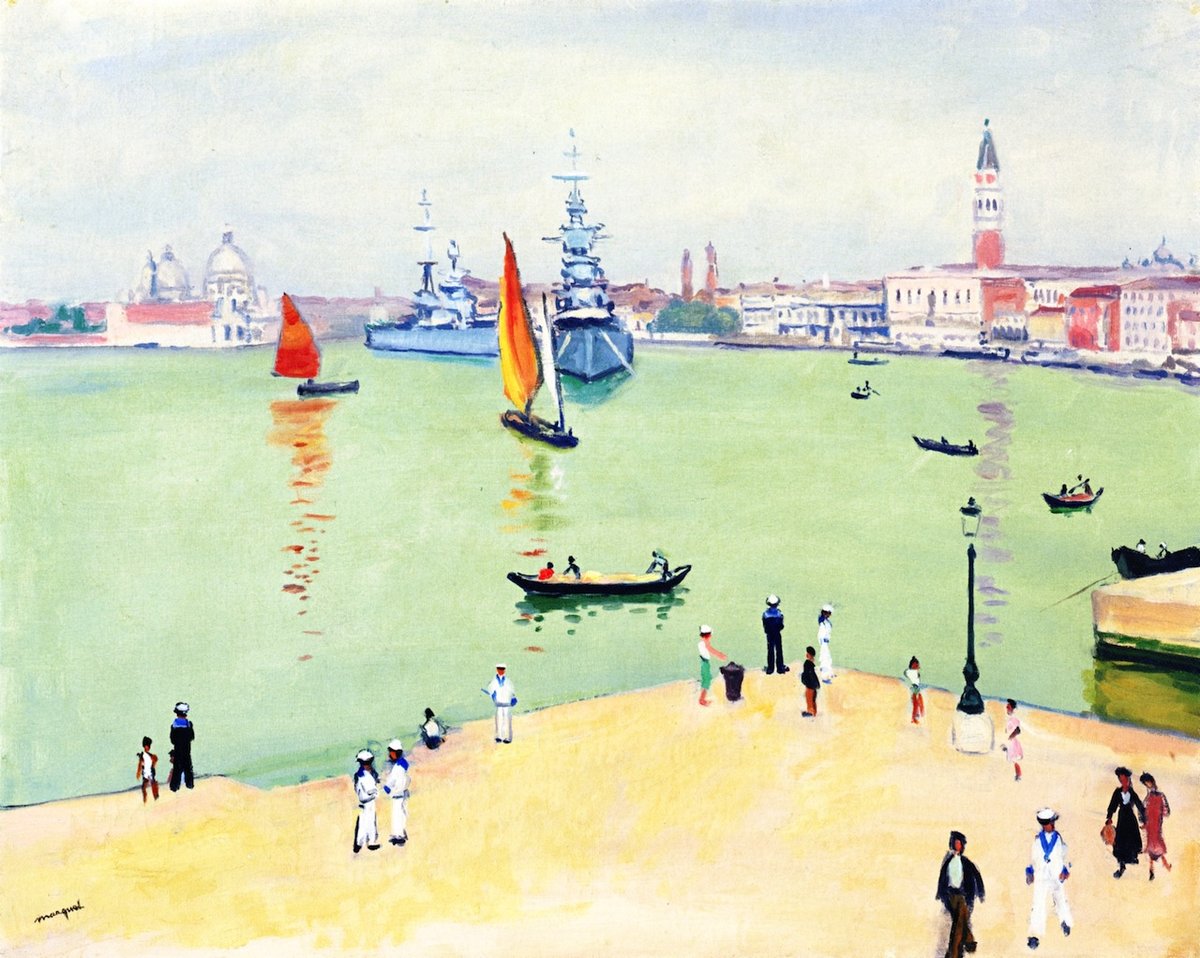
Venice’s port began as a sanctuary in the marshes during the decline of the Western Roman Empire, evolving into a vital maritime hub by the 7th century with the election of its first Doge (iqcruising.com). Its strategic location at the crossroads of East and West made it instrumental in the city’s rise.
The Venetian Republic & Maritime Dominance
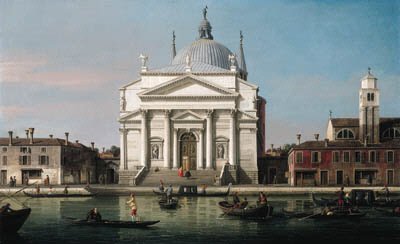
Between the 9th and 15th centuries, the port was the linchpin of the Venetian Republic’s power, driving trade with Byzantium, the Islamic world, and Europe. The Arsenale shipyards set global standards for naval innovation, while merchants made Venice a leading center for commerce and cultural exchange (orbitshub.com).
Decline, Transformation & Modern Era
With the opening of new world trade routes and the fall of the Republic in 1797, Venice’s dominance faded. Yet, the port adapted, remaining a crucial regional player under Austrian and later Italian rule. Today, it stands as a vital gateway between Asia and Europe, balancing commerce, tourism, and heritage (Italy Notes; Port of Venice).
Port Layout and Operations
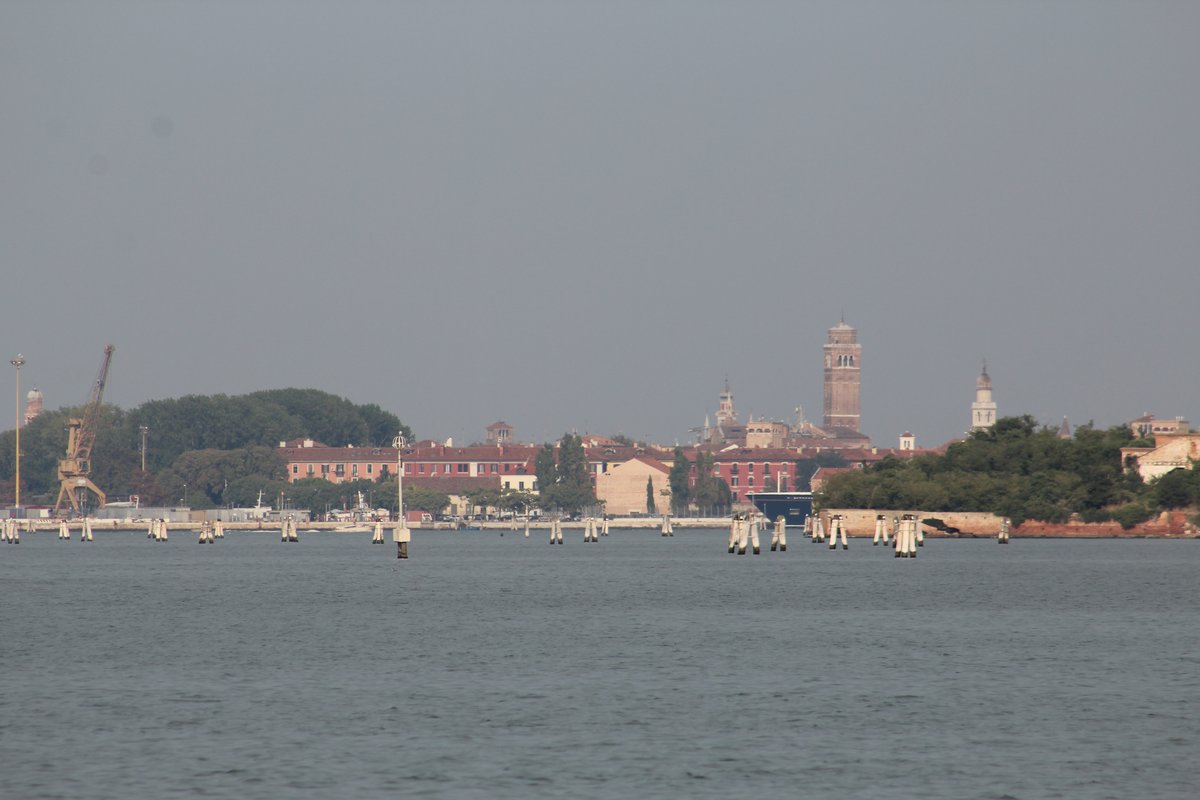
The Port of Venice covers over 2,000 hectares, featuring approximately 30 kilometers of quays and 163 berths across 27 terminals. The two main areas are:
- Porto Marghera Handles industrial activities, cargo, and rerouted large cruise ships.
- Venice Area (Marittima, San Basilio, Santa Marta) Caters to cruise ships, ferries, and luxury yachts. Marittima is the largest and most modern passenger terminal (Port of Venice; CruiseMapper).
Visiting Hours & Ticket Information
Port Visiting Hours
- Marittima Terminal Open daily from 6:00 AM to 10:00 PM for cruise and ferry operations.
- Other Terminals (San Basilio, Santa Marta) Generally accessible during cruise embarkation/disembarkation hours, from early morning to late evening.
- Public Access Outside passenger hours, access is restricted for security reasons.
Tickets & Fees
- Cruise Tickets Purchase through cruise lines or authorized travel agents. Advance booking is advised, especially in peak season (The Points Guy).
- Port Tours Guided tours focusing on the port’s history are available from select operators (typically €20–€50).
- Venice Visitor Access Fee As of 2025, a €10 fee applies on peak days for day-trippers to Venice’s city center, payable online or at kiosks (Life in Italy). Overnight guests are exempt.
Access and Transportation
Getting to and from the Port
- Water Buses (Vaporetti) ACTV vaporetti run from terminals to key city points and lagoon islands (CruisePorts.co).
- Water Taxis Provide direct, private routes but are expensive (from €90).
- People Mover Automated shuttle from Marittima to Piazzale Roma (wheelchair accessible).
- Train From Porto Marghera to Venice Santa Lucia station in 7 minutes (Cruise Maven).
- Shuttle Buses Often provided by cruise lines from Marghera or Fusina to Piazzale Roma.
Luggage & Mobility
Venice’s historic center is car-free, with movement by foot or boat. Pack light, use wheeled luggage, and wear sturdy shoes for bridges and cobblestones (Cruise Maven; About2Cruise).
Nearby Attractions
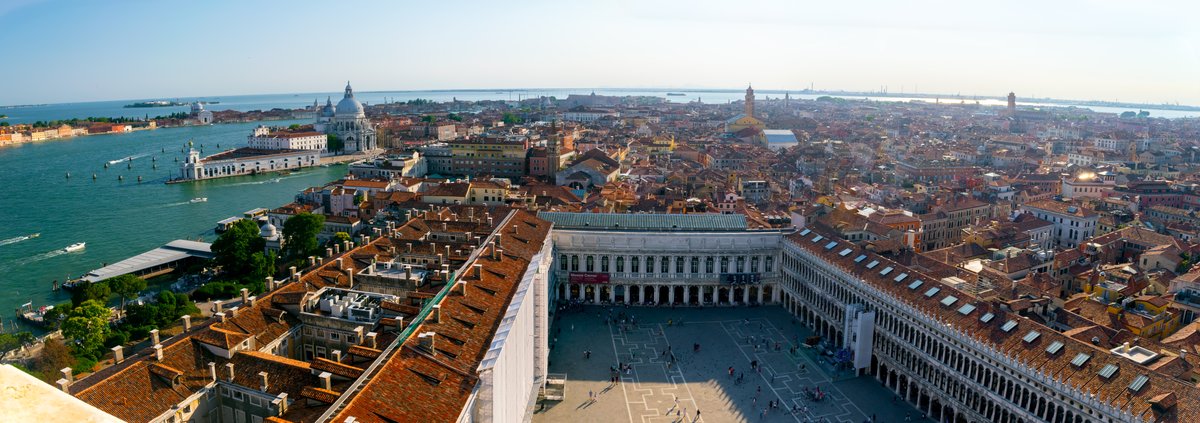
- St. Mark’s Square & Basilica The city’s iconic center, accessible by vaporetto.
- Doge’s Palace Former seat of power with impressive Gothic architecture.
- Rialto Bridge Venice’s oldest and most famous bridge.
- Arsenale di Venezia Historic shipyards, often open for guided tours.
- Murano & Burano Lagoon islands renowned for glassmaking and colorful houses.
Most major sites are within a 30-minute walk or short vaporetto ride from the port (Italy Tourist Information).
Accessibility & Facilities
- Wheelchair Access Ramps, elevators, and accessible restrooms at major terminals (Port of Venice).
- Assistance Services Available upon request for embarkation/disembarkation.
- Navigating Venice Many bridges and steps; use accessible routes and vaporetti where possible (The Purposely Lost).
Environmental Challenges & Sustainability
Venice faces environmental strain from overtourism, cruise traffic, and rising sea levels. Efforts to preserve the city include:
- Banning Large Cruise Ships Since August 2021, ships over 25,000 tons are rerouted to protect the lagoon (CruiseMapper).
- Sustainable Practices Improved waste management, emissions controls, and visitor access fees (Venezia Autentica).
- MOSE Flood Barriers Protect the city from high tides.
Practical Travel Tips
- Plan Visits Off-Peak Visit outside May–October for fewer crowds and milder weather (ourcrossings.com).
- Book Attractions in Advance Avoid long queues at popular sites (The Tour Guy).
- Respect Local Customs Dress appropriately, avoid littering, and keep noise to a minimum.
- Currency Euro (€); cards widely accepted but cash is preferred in some places (cruisevacationhq.com).
- Stay Safe Pickpocketing can occur in crowded areas—keep valuables secure (Lonely Planet).
Frequently Asked Questions (FAQ)
Q: What are the Port of Venice visiting hours?
A: Cruise terminals operate daily, generally from 6:00 AM to 10:00 PM.
Q: How do I get from Marghera or Fusina to Venice?
A: Take a regional train, shuttle bus, or vaporetto from the port to Venice’s city center.
Q: Is there a fee to enter Venice?
A: Yes, a €10 access fee applies to day visitors on peak days. Overnight guests are exempt (Life in Italy).
Q: Are the terminals accessible for travelers with disabilities?
A: Yes, with ramps, elevators, and assistance services available (Port of Venice).
Q: Can I visit the port without a cruise ticket?
A: Public access to cruise terminals is restricted, but you can explore nearby areas and reach attractions via public transport.