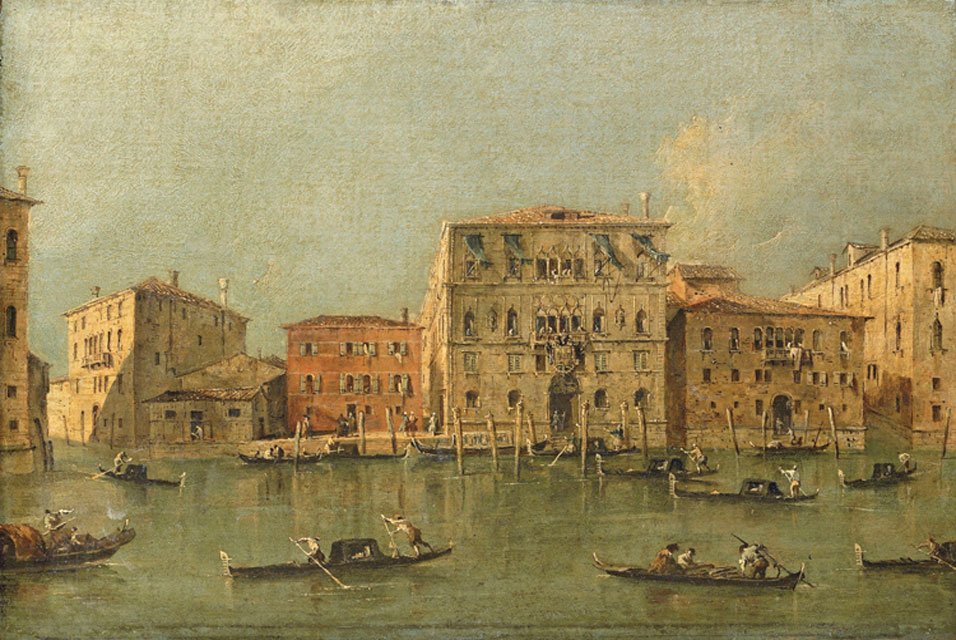
Origins and Construction
Palazzo Pisani a San Stefano was conceived in 1614 by Alvise Pisani, who built upon family properties in Campo Santo Stefano. The design is attributed to Girolamo Frigimelica, a master of Venetian Baroque. Construction continued for decades, with significant additions in the 18th century, including a Grand Canal frontage and further expansions orchestrated by architects such as Gerolamo Frigimelica Roberti and Bernardino Maccaruzzi. The result is Venice’s largest private palace, spanning over 200 rooms and occupying an entire city block (Palazzo Pisani tickets and info; Musei Venezia; Wikipedia).
The Pisani Family: Patrons and Influencers
The Pisani family was among Venice’s most prominent noble houses. Their political influence peaked with Alvise Pisani, the 114th Doge of Venice, in the 18th century. Renowned for patronizing the arts, the family hosted diplomats, artists, and musicians, filling the palace with treasures from their global connections. Their legacy extended to other grand estates, such as Villa Pisani at Stra.
Architectural and Artistic Heritage
Exterior Facades and Layout
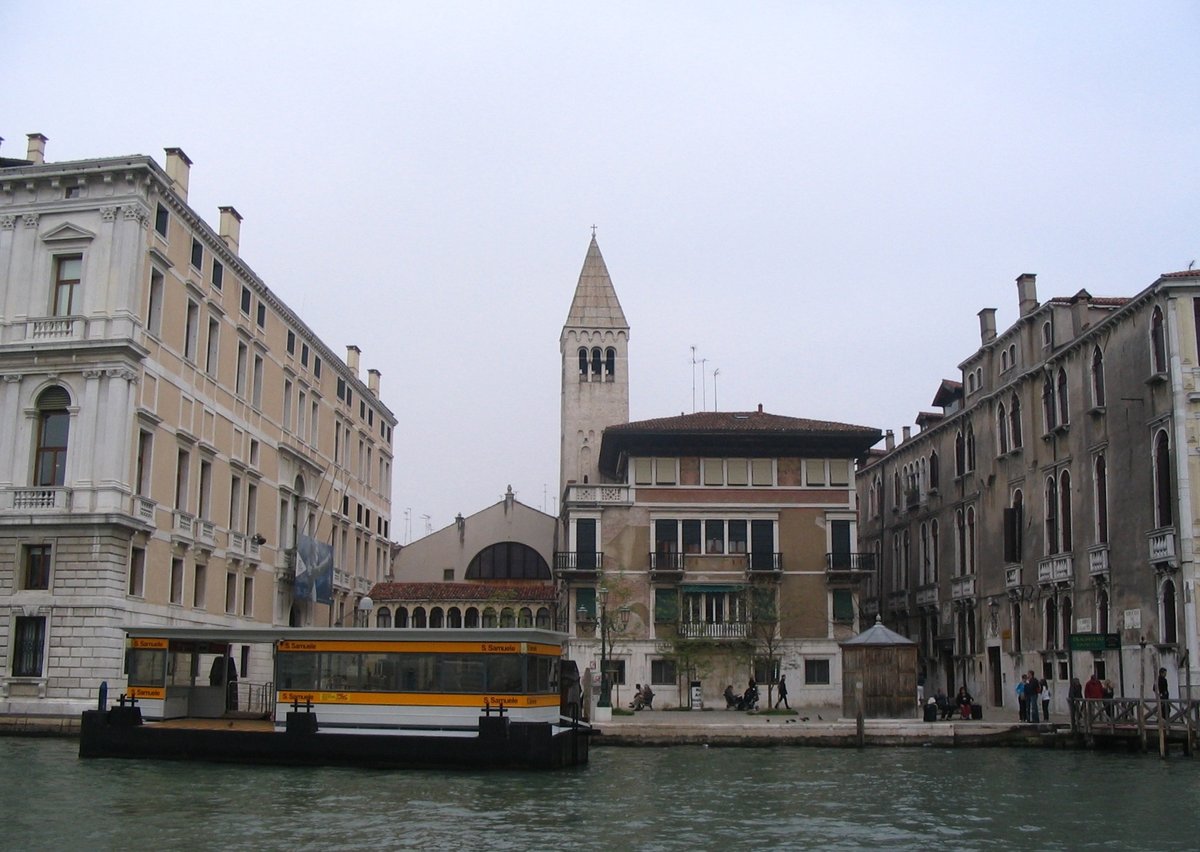
Facing Campo Santo Stefano, the palace’s facades exude Baroque grandeur, with Istrian stone, serliana-style windows, and elaborate balconies. The Grand Canal frontage, added in the 18th century, further underscored the family’s status (visit-venice-italy.com). Multiple facades and entrances reinforce its monumental character (it.wikipedia; venice.jc-r.net).
Courtyards, Loggias, and Interior Layout
The interior is distinguished by two large courtyards surrounded by Roman Baroque-inspired loggias, ceremonial staircases, and a grand androne (entrance hall) with lantern ceiling. The traditional Venetian layout features a central portego (hall) flanked by suites of rooms (whichmuseum.com).
Decoration and Artistic Highlights
The palace is adorned with Jacopo Guarana frescoes, intricate stuccoes, and subtle Masonic symbols. The Concert Hall, formerly the ballroom, is famed for its soaring ceilings and lavish decoration. The library houses rare music manuscripts, including the sole original Vivaldi manuscript in Venice (veniceontop.com; whichmuseum.com).
Transformation into the Benedetto Marcello Conservatory
In 1940, the Italian state acquired the palace to house the Benedetto Marcello Conservatory, named for the Venetian composer. It now serves as a leading music academy, integrating classrooms, practice rooms, and concert spaces within its historic confines. The palace is alive with regular concerts, festivals, and major cultural events, including collateral exhibitions during the Venice Biennale and the Venice Map Fair (Conservatorio Benedetto Marcello).
Visiting Palazzo Pisani: Hours, Tickets, and Accessibility
Visiting Hours
- General Access The palace is not open daily; public entry is typically possible during:
- Guided tours (by appointment or special cultural events)
- Concerts and exhibitions
- Typical Hours Wednesday-Monday, 9 am–7 pm; closed Tuesdays (thebettervacation.com). Concerts and events may have separate schedules.
Tickets
- Standard Entry Approx. €15; discounts for students and residents.
- Concerts/Events €10–€30; advance booking recommended (Tiqets).
- Group Tours Must be arranged in advance for groups of 10+.
Accessibility
- Physical Access The main entrance is accessible, but upper floors and the panoramic terrace (195 steps, no elevator) are not wheelchair-friendly.
- Assistance Contact the conservatory or tour provider for specific accessibility needs (Venice Accessibility Info).
Structural Features: Facades, Courtyards, and Interior Highlights
- Main Facade Istrian stone, serliana windows, grand balcony, and biforas with sculpted keystones.
- Courtyards Two expansive spaces with loggias for light and air.
- Interior Monumental staircases, frescoed salons, and a richly decorated private chapel.
- Library Houses rare manuscripts, including original Vivaldi works (whichmuseum.com).
Notable Rooms and the Panoramic Terrace
- Concert Hall/Ball Room Venue for musical performances, adorned with Baroque frescoes (veniceontop.com).
- Frescoed Salons Showcasing 18th-century paintings and stuccoes.
- Rooftop Terrace The highest in Venice (31m), offering 360° views of the city, lagoon, and—on clear days—the Dolomites (thebettervacation.com; visit-venice-italy.com). Only accessible by stairs.
Visitor Experience and Etiquette
- Dress Code Smart-casual for concerts; no strict code for tours.
- Photography Allowed in public areas; no flash or tripods.
- Conduct Maintain quiet, especially during concerts or in classrooms.
Nearby Attractions and Travel Tips
- Nearby Sites Accademia Gallery, La Fenice Theatre, Basilica di San Marco, Doge’s Palace, Peggy Guggenheim Collection, Campo Santo Stefano.
- Dining and Amenities Cafés and restaurants nearby; restrooms available during events.
- Transport Centrally located, accessible by vaporetto (Sant’Angelo or Accademia stops) and a short walk from major landmarks.
- Best Times to Visit April–October for more events; early mornings or weekdays to avoid crowds. Off-season (Nov–Mar) is quieter but offers fewer events.
- Weather Autumn/winter may see "acqua alta" flooding; bring waterproof footwear (Venice Weather).
Frequently Asked Questions (FAQ)
Q: What are Palazzo Pisani a San Stefano’s visiting hours?
A: Access is mainly during guided tours and events. Typical hours: Wed–Mon, 9 am–7 pm; closed Tuesdays. Always check the official website for current information.
Q: How much are tickets?
A: Standard entry is around €15. Concerts and special events have separate pricing. Discounts are available for students and residents.
Q: Is the palace wheelchair accessible?
A: The main entrance is accessible, but many historic areas, including the terrace, are not.
Q: Are guided tours available?
A: Yes, by advance booking or during special events. Group tours must be arranged ahead.
Q: Can I take photographs?
A: Photography is generally permitted in public areas, but flash and tripods are not allowed. Concerts and some rooms may have restrictions.