History and Cultural Importance
Origins and Early Participation
The Netherlands began its participation in the Venice Biennale in 1895, initially exhibiting alongside other nations in shared spaces. In 1913, the Dutch government took over the Swedish Pavilion, establishing a more permanent national presence. This move reflected a broader shift in the Biennale, as participating countries began to use national pavilions to assert their artistic identities and foster cultural diplomacy. (Artsy)
The Rietveld Pavilion: Modernist Legacy
In 1953, architect Gerrit Rietveld—one of the leading figures of the De Stijl movement—was commissioned to design a new Dutch Pavilion. Completed in 1954, Rietveld’s minimalist, functionalist design remains a landmark of postwar modernist architecture. The pavilion is characterized by open, light-filled spaces and a seamless connection to the surrounding gardens, embodying the Dutch values of clarity, openness, and innovation. Its enduring flexibility and understated elegance have made it a favorite among curators and artists alike. (Artsy)
Curatorial Evolution and Thematic Focus
Over the decades, the Dutch Pavilion has evolved from a showcase of national art to a platform for addressing pressing global questions. Recent exhibitions have tackled themes such as sustainability, colonial legacies, and the circular economy. The 2024 Art Biennale, for example, featured works exploring restitution and cultural heritage by the Cercle d’Art des Travailleurs de Plantation Congolaise (CATPC), while the 2025 Architecture Biennale will present "SIDELINED: A Space to Rethink Togetherness," using sport as a metaphor for inclusivity and co-existence. (La Biennale di Venezia, Nieuwe Instituut)
Institutional Support and Collaboration
The Dutch Pavilion’s programming is managed by the Mondriaan Fund, with key input from the Nieuwe Instituut (the Netherlands’ museum and institute for architecture, design, and digital culture). Their collaborative approach ensures the pavilion remains at the forefront of international artistic discourse, regularly hosting solo and group exhibitions that emphasize cross-cultural dialogue and innovative curatorial practices. (La Biennale di Venezia, Nieuwe Instituut)
Visiting the Dutch Pavilion
Location and Access
- Address Giardini della Biennale, Sestiere Castello, 30122 Venezia, Italy
- Nearest Vaporetto Stops Giardini/Biennale or Arsenale
- Travel Tip From Santa Lucia train station, take a Vaporetto (water bus) for approximately 30–40 minutes.
For a detailed map, consult the official Venice Biennale map.
Visiting Hours and Ticket Information
- Exhibition Dates 2024 April 20 – November 24, 2024
- Exhibition Dates 2025 May 10 – November 23, 2025
- Opening Hours 10:00 to 19:00 daily (last entry 18:45); closed Mondays except select dates
- Tickets
- Entry to the Dutch Pavilion is included with a general Venice Biennale ticket.
- Ticket prices €25–€35 for adults (discounts for students, seniors, groups).
- Types Single-entry, multi-day passes, and professional accreditations.
- Purchase Buy online via the official Biennale website or at onsite ticket offices.
Note: Venice city access fee (April–October, €3–€10) is required for day-trippers and must be paid separately (Italy Tourist Information - Venice).
Accessibility and Facilities
- Wheelchair accessibility The pavilion and most Giardini paths are accessible; some historic paving may be uneven.
- Facilities Restrooms and cafés are available throughout the Giardini.
- Luggage No storage at the pavilion; use citywide services if needed.
For specific requirements or assistance, contact Biennale visitor services in advance.
Travel Tips and Nearby Attractions
- Best time to visit Spring and autumn for milder weather and fewer crowds; early mornings on weekdays are quieter.
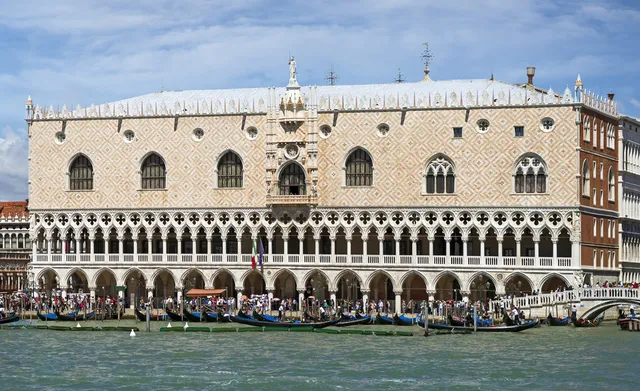
- Nearby Explore other national pavilions, the Arsenale, St. Mark’s Basilica, Doge’s Palace, and Castello district.
- Passes Consider a multi-day Vaporetto pass for convenient travel.
Special Events and Programs
- The Dutch Pavilion hosts talks, workshops, and performances throughout the Biennale. Check the official program and the pavilion’s website for schedules.
- Guided tours and educational activities are occasionally available.
Architectural and Cultural Legacy
The Dutch Pavilion is not only an exhibition space but also a touchstone for architectural heritage. Rietveld’s modernist design remains a source of inspiration, with its open plan offering curators exceptional flexibility for installations and performances. The pavilion’s history mirrors the Netherlands’ broader commitment to cultural exchange, innovation, and critical engagement with international issues. (Artsy)
Frequently Asked Questions (FAQ)
What are the Dutch Pavilion’s visiting hours?
10:00 to 19:00 during the Biennale; check the official Biennale website for exact dates and holiday exceptions.
How do I buy tickets?
Purchase tickets online or at the Biennale’s ticket offices. Tickets provide access to all national pavilions.
Is the pavilion wheelchair accessible?
Yes, with accessible entrances and routes. Some historic areas may have uneven surfaces.
Do I need to pay the Venice city access fee?
Yes, for day visitors during peak season. Overnight guests are exempt with proof of accommodation.
Are guided tours available?
Some guided tours are offered; check the Biennale’s official listings or inquire onsite.
Can I take photos inside?
Photography is generally allowed (no flash), but always follow exhibition signage and staff instructions.