


History
Origins and Conception
The idea for a national monument was first conceived by Indonesia's first president, Sukarno, in 1955. Sukarno envisioned a monument that would inspire patriotism and commemorate the nation's fight for freedom from Dutch colonial rule. The design competition for the monument was held in 1956, and the winning design was submitted by architect Friedrich Silaban, who was later joined by R.M. Soedarsono.
Construction Phases
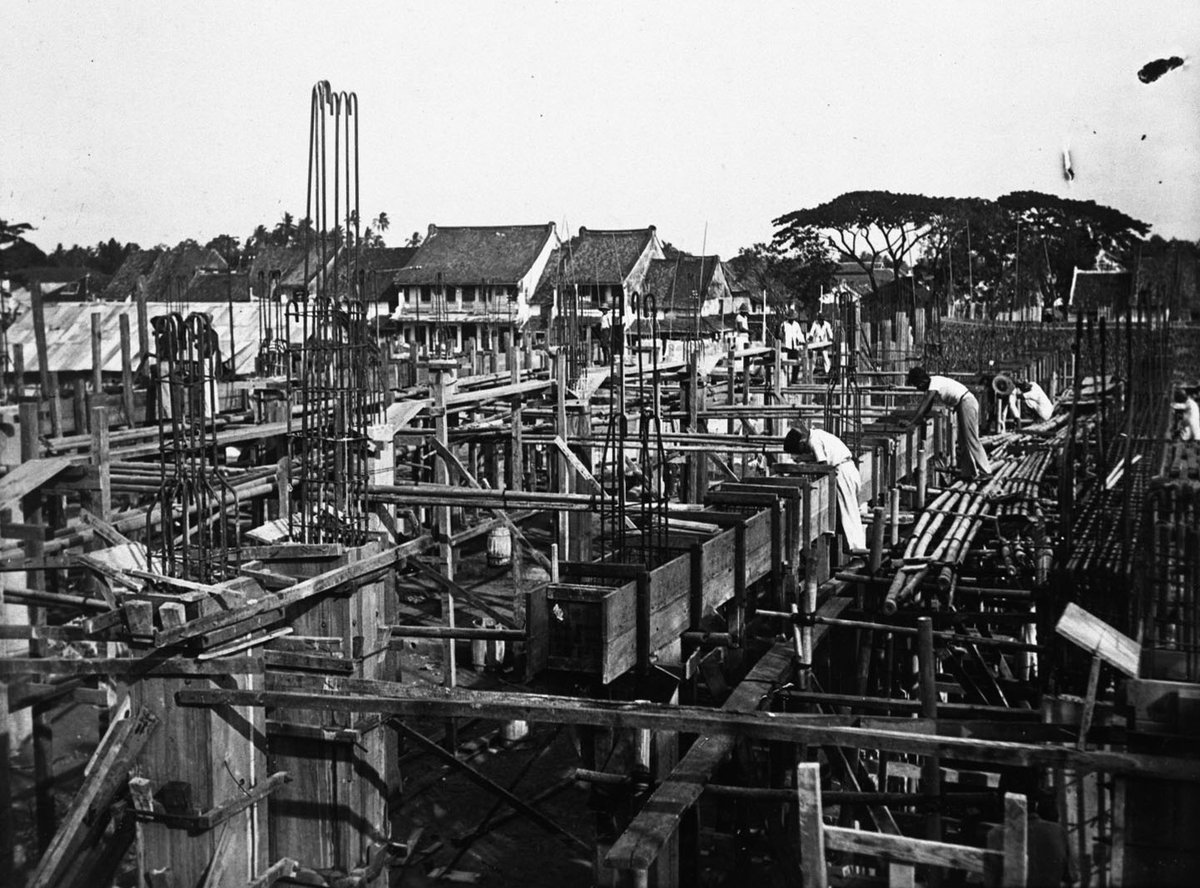
The construction of Monas began on August 17, 1961, marking the 16th anniversary of Indonesia's independence. The project was divided into three phases:
-
First Phase (1961-1965) The initial phase focused on laying the foundation and constructing the base of the monument. This phase was completed in 1965, but political turmoil and economic challenges delayed further progress.
-
Second Phase (1966-1968) After a brief halt, construction resumed in 1966. This phase saw the completion of the obelisk and the flame at the top of the monument. The flame, made of bronze and coated with 50 kg of gold foil, symbolizes the enduring spirit of the Indonesian people.
-
Final Phase (1969-1975) The final phase involved the completion of the surrounding park and the interior of the monument, including the Hall of Independence and the diorama museum. Monas was officially opened to the public on July 12, 1975.
Architectural Significance
Monas stands at 132 meters (433 feet) tall, making it one of the tallest structures in Jakarta. The monument's design is rich in symbolism:
- The Obelisk The towering obelisk represents the lingga, a traditional symbol of fertility and prosperity in Indonesian culture.
- The Flame The golden flame at the top signifies the eternal spirit of independence and the sacrifices made by the nation's heroes.
- The Base The base of the monument is designed in the shape of a yoni, complementing the lingga and symbolizing balance and harmony.
Visitor Information
Tickets and Visiting Hours
Monas is open to the public from 8:00 AM to 4:00 PM daily, except on the last Monday of each month when it is closed for maintenance. Tickets can be purchased at the entrance:
- Adults IDR 20,000
- Children IDR 10,000
Travel Tips
- Best Time to Visit Early mornings or late afternoons are ideal to avoid the midday heat and crowds.
- Dress Code Wear comfortable clothing and shoes, as you'll be walking a lot.
- Safety Keep an eye on your belongings and be cautious of pickpockets.
Nearby Attractions
After visiting Monas, you can explore other nearby attractions in Jakarta:
- National Museum Located just a short walk from Monas, it offers a comprehensive collection of artifacts showcasing Indonesia's rich history and culture.
- Istiqlal Mosque The largest mosque in Southeast Asia, located near Monas, is a must-visit for its stunning architecture and cultural significance.
- Jakarta Cathedral Opposite Istiqlal Mosque, this neo-gothic cathedral is a beautiful representation of Jakarta's diverse religious landscape.
Accessibility
Monas is accessible to visitors with disabilities, with ramps and elevators available. Wheelchairs can be rented at the entrance for a nominal fee.
Special Events and Guided Tours
Monas hosts various national ceremonies, including Independence Day celebrations on August 17. Guided tours are available, offering in-depth insights into the monument's history and significance. These tours can be booked in advance through the official website.
Photographic Spots
- Observation Deck Located at a height of 115 meters, the observation deck offers panoramic views of Jakarta.
- Merdeka Square The park surrounding Monas is a great spot for capturing the monument against the city skyline.
FAQ
What are the visiting hours for Monumen Nasional? Monas is open daily from 8:00 AM to 4:00 PM, except on the last Monday of each month.
How much are the tickets to Monumen Nasional? Tickets are IDR 20,000 for adults and IDR 10,000 for children.
What are the best times to visit Monumen Nasional? Early mornings or late afternoons are the best times to visit to avoid the midday heat and crowds.
For more information on Monas and its historical significance, you can visit the official Monumen Nasional website.
Follow us on social media for more updates and download our mobile app Audiala for a comprehensive guide to Jakarta's historical sites.