Introduction
An Indonesia travel guide has to start with scale: 17,000 islands, three time zones, and one trip that can change character every few days.
Indonesia is less a single destination than a chain of worlds stitched together by ferries, short flights, and plates of rice. In jakarta, the old Sunda Kelapa port still smells of clove cigarettes and diesel; in Yogyakarta, dawn crowds climb Borobudur while gudeg simmers for hours in copper pots; in Bali and Ubud, temple offerings appear on sidewalks before the traffic does. The distance from Sumatra to Papua stretches about 5,120 kilometers, wider than the continental United States, which explains why one country can hold Javanese court ritual, Komodo dragons, and surf towns that barely resemble each other.
History here rarely sits behind glass. Borobudur and Prambanan rise from the Kedu Plain like a dynastic argument in stone, Banda Neira still carries the aftertaste of the nutmeg wars, and Labuan Bajo is the jump-off point for Komodo National Park, where the world's largest lizard still runs the food chain. Even the map tells stories: Flores gave science Homo floresiensis, the Wallace Line cuts between Bali and Lombok, and the national motto, Bhinneka Tunggal Ika, has to do real work across hundreds of languages and more than 17,000 islands.
A History Told Through Its Eras
When the Archipelago Was Still a Drowned Continent
Before the Kingdoms, c. 60,000 BCE-700 CE
A cave on Flores changed the script. In 2003, archaeologists brushing dust from Liang Bua uncovered the bones of a woman barely 1.06 meters tall, with feet too large for her frame and a skull unlike ours. The island already had a memory for her kind: people on Flores spoke of the ebu gogo, little forest beings who stole food and vanished into the hills. Ce que l'on ignore souvent, c'est que folklore here may not be metaphor at all, but the last echo of another human species.
Then comes a Dutch surgeon with the temperament of a duelist. Eugรจne Dubois arrived in Java in the 1880s not to govern the colony but to hunt the missing link, and in 1891, along the Solo River, he found what he called Java Man. Europe laughed at him. Dubois took the insult badly, locked parts of the fossils under his floorboards in Haarlem, and refused other scholars access for years. Science, like monarchy, has always had its wounded vanities.
The stage itself was different then. During the last ice age, Sumatra, Java, Bali, and Borneo were joined in one great landmass scholars call Sundaland, a territory larger than many European kingdoms put together. The seas that now separate islands were once river valleys and plains where animals, people, and stories moved on foot. Indonesia, as we see it now, is the result of water rising and cutting old worlds apart.
That matters because the country begins not with a single throne, but with crossings. Austronesian seafarers arrived with outrigger canoes, rice, drums, and a genius for reading currents; Indian merchants brought scripts and beliefs; Chinese records caught the first political names in passing. Before any stone temple rose on Java, the archipelago already knew how to trade, absorb, and reinvent. The courts came later.
Eugรจne Dubois was not a serene man of science but an obsessive colonial officer who risked ridicule for a fossil and then hid it from the world when the ridicule arrived.
Stories on Flores about the ebu gogo were once dismissed as fairy tales; after Liang Bua, they read like memory with myth laid over it.
Srivijaya on the Water, Borobudur in the Mist
The Age of Maritime Courts, 7th-13th centuries
Picture dawn in Central Java around 800: volcanic haze hanging low, stone still cold from the night, and hundreds of workers hauling blocks up a hill to build Borobudur. They left 2,672 relief panels and 504 Buddha statues, enough carved stone to tell entire libraries of stories, yet not one clear dedicatory inscription naming the patron in the way a European prince would have insisted upon. That silence gives the monument its peculiar grandeur. A masterpiece, and almost no signature.
Far to the west, another power ruled without leaving grand ruins at all. Srivijaya, based around Palembang in Sumatra, controlled the choke point of the Strait of Malacca from the 7th century onward, taxing trade between India and China like a court that understood the sea better than land. We know it in part because the Chinese monk Yijing stopped there in 671 and found a place so learned in Buddhist study that he advised pilgrims to train in Srivijaya before sailing on to India. Ce que l'on ignore souvent, c'est that one of Southeast Asia's greatest empires survives less in its own monuments than in the notes of a passing scholar.
On Java, rivalry took architectural form. The Sailendra dynasty raised Borobudur as a Buddhist mandala in stone; the Sanjaya line answered with Prambanan, a Hindu temple complex whose towers still cut the sky near Yogyakarta like sharpened lances. On a clear day, these sacred worlds stood almost within sight of one another. One can imagine the message perfectly well: our gods are no less splendid than yours.
And yet courts of this kind were never static. Power shifted with marriages, volcanic eruptions, trade winds, and courtly intrigue now lost to us. What remains is enough to see the pattern: Indonesia's early greatness was maritime, intellectual, and theatrical at once. The next empire would inherit all three, then add ambition on a scale that still shapes the republic's imagination.
Yijing was no conqueror and no king, just a monk in transit, yet his six-month stay preserved the reputation of Srivijaya better than any royal boast.
A court associated with Srivijaya was said to keep trained orangutans, a detail so strange that it survives precisely because no bureaucrat would have invented it.
The Oath, the Queen, and the Empire Built on a Trick
Majapahit and the Javanese Imagination, 1293-c. 1527
Majapahit begins with deception worthy of a palace serial. In 1293, as Kublai Khan's Mongol expedition reached Java to punish a local ruler, Prince Raden Wijaya offered himself as guide, let the foreigners exhaust themselves in inland fighting, then turned on them and drove them back to their ships. Out of that double game he founded a new kingdom at Majapahit, named for the bitter maja fruit. An ill omen, his advisers thought. He kept the name.
The empire's will, however, had another face: Gajah Mada. At his installation as chief minister in 1334, he is said to have taken the Palapa Oath, swearing he would taste no palapa spice until Nusantara was brought under Majapahit authority. The court laughed. One queen is said to have found the whole thing gluttonous and absurd. He spent decades making the joke look foolish, binding Bali, parts of Sumatra, Borneo, Sulawesi, and the Malay world through war, pressure, and diplomacy.
Ce que l'on ignore souvent, c'est that the political spine of this story may well be a woman. Tribhuwana Tunggadewi, queen regnant from 1328 to 1350, backed Gajah Mada, led campaigns, and held together a court that might otherwise have collapsed into rank and vanity. When her son Hayam Wuruk inherited the throne, he received not a tranquil garden but a machine of empire already built.
Our richest witness is almost comic in his humanity. In 1365, the Buddhist court poet Mpu Prapanca wrote the Nagarakertagama, describing a royal progress through Java with exacting detail, and later tradition remembers court officials so unsteady with drink that comfort had to be arranged for them on the road. A drunken scribe may sound like an undignified keeper of memory. He was still the man who saved a civilization from becoming rumor.
Then came the bleeding. The Paregreg War in 1405-1406, a savage civil conflict over succession, weakened Majapahit from within before rising Islamic courts tightened their hold on the coasts. What followed was not disappearance but transformation: the language of empire, the idea of Java at the center, and the memory of a unified archipelago all survived. Much later, modern Indonesia would reach back to Majapahit when it wanted an ancestry grand enough for a nation.
Gajah Mada is remembered as a bronze colossus of statecraft, but he rose from obscure origins through the palace guard and made his legend at a banquet table, with a vow everyone thought ridiculous.
Indonesia's first communications satellite, launched in 1976, was named Palapa after Gajah Mada's oath, proof that old court theater still feeds modern state symbolism.
From Shadow Puppets to Proclamation
Saints, Spice, Colony, Republic, 15th century-21st century
Islam reached much of Indonesia not first by the sword but by the pier, the market, and the puppet screen. On Java, the Wali Songo, the Nine Saints, preached through familiar forms, and none is more beloved than Sunan Kalijaga, the former brigand who used wayang kulit and gamelan to teach a new faith without demanding that Java erase itself first. That is one of the country's old talents: absorbing without surrendering its own texture.
Then greed arrived under sail. In 1621 on Banda Neira, Governor-General Jan Pieterszoon Coen enforced the Dutch East India Company's nutmeg monopoly with killings, deportations, and slavery so severe that the original Bandanese society was nearly destroyed. One tiny seed had become worth a fortune in Europe, and the bill was paid in Indonesian blood. Ce que l'on ignore souvent, c'est that some of the prettiest colonial facades in the archipelago stand on profits soaked through with massacre.
By the 19th century, resistance had its own aristocratic tragedies. Prince Diponegoro, offended by Dutch encroachment and court humiliation in Java, turned a local grievance into the Java War of 1825-1830, one of the fiercest anti-colonial struggles the Dutch ever faced. In Jepara, Kartini, a Javanese noblewoman born in 1879, wrote letters from confinement about girls' education, dignity, and the suffocating etiquette of her class. She did not live long. Her pen outlived governors.
The republic announced itself in a room, not on a battlefield. On 17 August 1945 in Jakarta, after Japan's surrender and under enormous pressure from impatient youth activists, Sukarno read a short proclamation at his house on Jalan Pegangsaan Timur 56. Mohammad Hatta stood beside him. The text is famously concise, almost dry, but the moment was not: a state was being declared before the old powers could return to rearrange the furniture.
Independent Indonesia did not become simple after that. Sukarno's theatrical First Republic gave way to Suharto's hard New Order after the massacres of 1965-1966; Reformasi erupted in 1998; democratic life returned with noise, compromise, and all the untidy evidence that politics was once again real. Even now the story keeps moving, from Jakarta toward the planned capital of Nusantara, while Yogyakarta still guards the old Javanese court rituals and Banda Neira remains a warning in sea air and spice. One era never finishes cleanly here. It stains the next.
Kartini, often flattened into a schoolbook heroine, was in fact a young aristocratic woman writing with sharp impatience about how politeness could function as a cage.
Indonesia's declaration of independence was typed by Sayuti Melik after hurried edits, and the flag raised that morning was sewn by Sukarno's wife, Fatmawati, in the final months of occupation.
The Cultural Soul
A Yes That Means Listen
Bahasa Indonesia has the politeness of a freshly ironed shirt. It was chosen because it did not belong too much to anyone, which is another way of saying it could belong to everyone. In a country of more than 17,000 islands, that decision feels less like grammar than statecraft.
Then you hear Javanese in Yogyakarta or on the train platforms beyond jakarta, and the floor drops away. One language becomes three staircases: ngoko for intimacy, madya for distance, krama inggil for reverence. A sentence can bow in the middle of itself.
The foreigner makes the same mistake every time. Someone says iya, and the foreigner hears consent. Often it means only: I hear you, I receive your words, I am too civilized to strike them down at once. No can arrive as silence, as a smile, as nanti dulu, which sounds tender and often means never.
A country is a table set for strangers. Indonesia adds one refinement: the stranger must learn that language here is not a hammer but lacquer, layer on layer, glossy enough to reflect your face back to you.
Fire Taught to Wait
Indonesian cooking does not flatter impatience. Rendang from West Sumatra takes four or six hours to become itself, until coconut milk disappears and beef darkens into something closer to argument than stew. In jakarta, gado-gado arrives as cold vegetables under warm peanut sauce, and the whole plate proves that temperature can be a philosophy.
The archipelago cooks by grammar, not by empire. Chili, coconut, fermented paste, lime, palm sugar, smoke. The same nouns travel from island to island and return altered, as if each port has translated them with a private accent.
Gudeg in Yogyakarta tastes of jackfruit and time. Rawon in East Java is black because the keluak nut had to be coaxed away from poison before it could enter the soup; that is a respectable origin story for any national appetite. Soto ayam appears at breakfast, at convalescence, after a bad night, after a good night, its turmeric broth carrying steam that smells faintly of absolution.
And then tempe. The West keeps trying to treat it as a substitute for something else, which is rude. Tempe is not replacing meat. Tempe is tempe, a Javanese invention with the depth of mushrooms and nuts, the flavor of a working day that expects no applause.
The Choreography of Restraint
Indonesian manners are built on the refusal to bruise the air. You give and receive with the right hand. You do not point with an accusing finger if a whole hand, soft and open, can do the work with more grace. Even the body learns diplomacy.
On Java, sungkan governs scenes that a European would handle with bluntness and then call honesty. You hesitate before accepting. You refuse once, twice, sometimes three times, not because you do not want the tea, the cake, the seat, but because desire must be dressed properly before it enters the room.
This can puzzle visitors in Bali, Denpasar, or Surabaya, where practical life moves fast and app-based scooters buzz like insects with a deadline. Yet beneath the velocity sits the same instinct: never corner another person publicly if gentleness can preserve their face. Malu is not a theatrical blush. It is a social weather system.
A direct answer is efficient. Efficiency is not the highest virtue here. Harmony often wins, and one begins to see that a delayed reply, a softened refusal, a laugh at the exact moment tension might harden are not evasions but minor masterpieces of coexistence.
Incense for the Visible and the Unseen
Indonesia is majority Muslim, and the call to prayer can drift across a city with the plain authority of water finding its level. But religion here rarely arrives alone. It accumulates. It borrows a local rhythm, keeps an older gesture, learns the smell of a place.
The story of Islam in Java is inseparable from theater. Sunan Kalijaga, saint and former brigand according to tradition, used wayang kulit and gamelan to teach belief, which feels wiser than arriving with a hammer. Conversion by shadow and bronze has more elegance than conquest by sword.
Then Bali insists on its own cosmology. In Ubud and across the island, small offerings of flowers, rice, and incense appear on thresholds, scooters, shrines, cash registers, as if daily life required constant treaty-making with the invisible. You step carefully or you reveal yourself as the kind of person who believes only in what can be audited.
Yogyakarta keeps a room for Nyi Roro Kidul, Queen of the Southern Sea. Court ritual still leaves space for her. This is what I mean by accumulation: a modern republic, a Muslim-majority nation, a constitutional order, and somewhere in the middle a furnished room for a sea spirit. Reason should not feel threatened. Reason should take notes.
Stone, Brick, and the Vanity of Gods
Indonesia's grand monuments are arguments conducted in material. Borobudur, near Yogyakarta, rises as a Buddhist mandala in volcanic stone, 2,672 relief panels telling a story so long that walking it becomes a kind of reading with the feet. Fifty kilometers away, Prambanan answers in height and Hindu verticality, as if the builders had decided that theology could be settled by silhouette.
The delicious fact is that the dynasties behind them watched one another. The Sailendras built mass and meditation. The Sanjayas built spires for Shiva and made them taller. Rivalry has financed worse things.
Majapahit left another lesson in East Java: red brick, gates split like a mountain cleaved in two, courtyards that understand ceremony without explaining it. Later mosques, especially the older Javanese ones, often refused the imported dome and kept the tiered roof instead. Faith changed. The roofline remembered.
Architecture here behaves like the archipelago itself. It absorbs arrivals, rejects purity, and keeps the parts that prove useful or beautiful. A temple, a mosque, a palace pavilion, a Balinese compound wall in Denpasar: all of them suggest the same heresy. Continuity matters more than doctrine.
Bronze That Remembers Rain
Gamelan does not begin; it condenses. Bronze gongs, metallophones, drums, a reed voice here and there, and suddenly the air in the room changes density. Western ears look for a melody to seize. Indonesian music prefers to surround you first.
In Central Java, especially around Yogyakarta, the pulse can feel ceremonial, almost courtly, as if each strike had been taught posture. In Bali, the ensemble may turn bright, fast, interlocking, with rhythms that seem to chase one another through the bars and laugh while doing it. Same family. Different temper.
This music lives with other arts rather than above them. It accompanies shadow puppetry, dance, rites of passage, palace ritual, temple festivals. One does not merely attend gamelan. One enters an acoustic etiquette.
The gong teaches humility better than many philosophers. It sounds, it blooms, it fades, and the silence after it is part of the composition. Indonesia understands this instinctively: noise is not the opposite of silence, only its accomplice.
What Makes Indonesia Unmissable
Temple Civilizations
Borobudur and Prambanan are not interchangeable temple stops but rival statements in stone, built roughly 50 kilometers apart on central Java. Base yourself in Yogyakarta to read both properly, from Buddhist bas-reliefs to Shiva towers.
Volcano Country
More than 150 active volcanoes shape the rhythm of travel here, from Bromo sunrise trips to sulfur-blue nights at Ijen and longer climbs on Rinjani. Indonesia does not keep its geology in the background.
A Serious Food Nation
One country gives you Minangkabau rendang, Yogyakarta gudeg, Jakarta gado-gado, Balinese lawar, and midnight nasi goreng from a cart. Regional cooking changes fast, and that is half the pleasure.
Reefs And Dragons
From Labuan Bajo, boats fan out toward Komodo National Park, pink beaches, manta points, and islands that look sketched in dry-season gold. East of Bali and Flores, the sea becomes part of the itinerary rather than the gap between stops.
Spice Route Memory
Indonesia once sat at the center of the nutmeg and clove trade that pulled European empires east. Banda Neira, Makassar, and old port districts in jakarta still make that history feel physical, not abstract.
Cities
Cities in Indonesia
Jakarta
"Jakarta doesn't ease you in โ it hits you with diesel fumes, durian, and a skyline that hasn't decided if it's finished yet. Then, somewhere between a 7am bowl of Soto Betawi and the Gothic spires of a cathedral staring โฆ"
146 guides
Denpasar
"Most people treat Denpasar like an inconvenient bus station between the airport and Ubud. The Balinese treat it like home."
21 guides
Medan
"Sumatra's chaotic northern capital, where Batak, Minangkabau, Acehnese, Chinese, and Tamil communities have been arguing over who makes the best food for two centuries, and where the answer is always the bika ambon stall"
16 guides
Bali
"A Hindu island inside a Muslim archipelago, where cremation towers burn on the same streets as surf shops and the rice terraces of Jatiluwih have been shaped by the same irrigation cooperative, the subak, for a thousand "
Yogyakarta
"The city where the sultan still rules from a working kraton, gamelan rehearsals spill into the street at dusk, and Borobudur โ the largest Buddhist monument on earth โ sits forty kilometers away in a plain ringed by volc"
Ubud
"Bali's inland art town, where Walter Spies arrived in 1927, never left, and accidentally invented the Western fantasy of the island โ the rice-field walks, the dance performances, the painters' compounds are all real, an"
Labuan Bajo
"A scrappy fishing port that exists almost entirely as the departure point for Komodo National Park, where three-meter lizards with serrated teeth and venomous saliva hunt deer on islands the color of burnt grass."
Surabaya
"Indonesia's second city and the site of the November 1945 battle that defines Indonesian independence in Javanese memory more viscerally than any parliamentary declaration โ the Dutch called it a massacre; Indonesians ca"
Banda Neira
"The tiny nutmeg island that the Dutch VOC wanted so badly in 1621 that Jan Pieterszoon Coen killed or enslaved virtually the entire indigenous Bandanese population to get it, making it the most blood-soaked spice transac"
Makassar
"The port city of South Sulawesi where the Bugis seafarers โ whose name English sailors corrupted into 'boogeyman' โ built the proas that traded from Madagascar to the Torres Strait long before European ships entered thes"
Flores
"The island where in 2003 archaeologists found the bones of Homo floresiensis โ a meter-tall human species the locals called ebu gogo โ and where the crater lakes of Kelimutu change color, red to green to black, through c"
Bukittinggi
"A highland market town in the Minangkabau heartland, where the matrilineal clan system means women inherit the land and men sleep in communal halls, and where the Dutch built a fort in 1825 that the Japanese then used as"
Raja Ampat
"Four thousand islands off the western tip of Papua sitting above the highest marine biodiversity on the planet โ scientists have counted more fish species in a single dive here than in the entire Caribbean."
Regions
Yogyakarta
Java's Urban and Courtly Core
Java is Indonesia's easiest island to travel well: trains make sense, hotels are plentiful, and the contrasts are sharp. Jakarta moves at megacity speed, Yogyakarta keeps one foot in the sultanate era, and Surabaya is the blunt commercial east where the food gets darker, saltier, and better.
Denpasar
Bali and the Island of Ritual
Bali is not one mood. Denpasar is a working Indonesian city, Ubud is all offerings, workshops, and traffic-clogged spiritual commerce, and the rest of Bali swings between village temples and hard-edged resort real estate. Come for the choreography of daily life as much as the beaches.
Labuan Bajo
Komodo and Flores Frontier
Labuan Bajo is half harbor town, half staging post for one of the country's best marine landscapes. Beyond the boats lies Flores, where Catholic churches, volcanic ridges, and woven textiles remind you this part of Indonesia took a different historical path from Java or Bali.
Medan
Sumatra's Trading Cities and Highlands
Sumatra feels bigger, rougher, and less curated for outsiders. Medan is all appetite and traffic, while Bukittinggi opens into Minangkabau country, where the rooflines curve like buffalo horns and rendang makes more sense than any guidebook explanation of it ever will.
Makassar
Sulawesi and the Spice Routes
Makassar has long been a hinge city, where Bugis, Makassarese, Chinese, and Dutch commercial histories meet at the waterfront. Farther east, Banda Neira carries the memory of nutmeg wealth and colonial slaughter in streets so tidy and pretty that the history lands harder, not softer.
Raja Ampat
Papua's Reef Edge
Raja Ampat is the expensive, logistically awkward end of an Indonesia trip, and that is part of why it still feels remote. People come for the reefs, but the real scale only hits when you are moving between karst islands under a sky that looks too large for the boat beneath it.
Suggested Itineraries
3 days
3 Days: Jakarta to Yogyakarta
This is the shortest first-timer route that still gives you two very different Indonesias: the scale and friction of Jakarta, then the courtly, temple-rich calm of Yogyakarta. Fly or take the train depending on your schedule, and use the second city for Borobudur, Prambanan, and gudeg rather than trying to cram in another island.
Best for: first-timers with limited time
7 days
7 Days: Bali to Komodo Waters
Start in Denpasar and Ubud for temples, rice terraces, and Balinese ceremony, then shift east to Labuan Bajo for island-hopping and Komodo National Park. It works because the route is short on transfers and long on payoff: one cultural base, one marine frontier.
Best for: honeymooners, divers, and travelers who want culture plus sea time
10 days
10 Days: Sumatra Highlands Loop
North Sumatra rewards patience. Begin in Medan, then move to Bukittinggi for Minangkabau architecture, market food, and the cooler highland pace that feels worlds away from Java and Bali.
Best for: food-focused travelers and repeat visitors
14 days
14 Days: Sulawesi and the Spice Islands
Makassar gives you the entry point into eastern Indonesia, but the real shift happens once you reach Banda Neira and then Raja Ampat. This is the route for people who do not need beach bars or polished infrastructure; you trade convenience for history, reefs, and the old geography of the spice trade.
Best for: divers, history obsessives, and travelers chasing the far edge of the map
Notable Figures
Gajah Mada
c. 1290-c. 1364 ยท Majapahit prime ministerHe entered history with a boast at a court feast and spent the rest of his life making the court regret laughing. His Palapa Oath turned personal discipline into state myth, and modern Indonesia still borrows his language when it wants to imagine the archipelago as one political body.
Tribhuwana Tunggadewi
c. 1300-1350 ยท Queen of MajapahitShe is too often treated as a prelude to the men around her. In fact, Majapahit reached its stride under her authority, and Gajah Mada's rise makes little sense without a queen capable of recognizing steel when she saw it.
Sunan Kalijaga
c. 1450-c. 1513 ยท One of the Wali SongoTradition remembers him as a former outlaw who understood that sermons alone rarely win a country. He used shadow theater, music, and Javanese symbols so that conversion felt like translation rather than conquest.
Prince Diponegoro
1785-1855 ยท Javanese prince and rebel leaderThe insult that helped ignite his revolt was almost domestic in scale: colonial interference, court humiliation, the slow theft of authority. He answered with a war so costly that the Dutch never forgot it, and he ended his days in exile, still dangerous in memory.
Raden Ajeng Kartini
1879-1904 ยท Writer and reform thinkerFrom the confinement of aristocratic life in Jepara, she wrote letters that cut through etiquette with unusual clarity. Kartini understood that rank could decorate a prison, and she gave later Indonesia one of its most intimate arguments for modernity.
Sukarno
1901-1970 ยท First president of IndonesiaHe had the gift every revolutionary half needs and half fears: theater. In Jakarta on 17 August 1945, he read a proclamation brief enough to fit on a page and large enough to reorder the century.
Mohammad Hatta
1902-1980 ยท Statesman and first vice presidentIf Sukarno supplied flame, Hatta supplied structure. He brought discipline, economic seriousness, and the cool temperament required when history is moving too fast for rhetoric alone.
Cut Nyak Dhien
1848-1908 ยท Acehnese resistance leaderAfter her husband was killed in the Aceh War, she continued the fight, leading resistance in terrain the Dutch never truly mastered. Blind and aging by the end, she remained formidable enough to become legend before she became a textbook.
Suharto
1921-2008 ยท Second president of IndonesiaHe built a state that prized order, growth, and silence, then held it in place with fear and patronage. Many Indonesians remember the stability; many others remember what that stability cost.
Photo Gallery
Explore Indonesia in Pictures
Terraced rice fields with majestic mountain backdrop in East Java, Indonesia.
Photo by Cak Pan on Pexels · Pexels License
A peaceful rural scene with rice paddies and huts in West Nusa Tenggara, Indonesia.
Photo by Fahry Samalewa on Pexels · Pexels License
Breathtaking view of lush green mountain under cloudy skies in Yogyakarta, Indonesia.
Photo by Mike Panton on Pexels · Pexels License
A participant engages in a Balinese ceremony surrounded by ornate decorations and vibrant fabric.
Photo by Arjun Adinata on Pexels · Pexels License
Group of Balinese men socializing outdoors in traditional clothing.
Photo by Arjun Adinata on Pexels · Pexels License
Aerial shot of the Garuda Wisnu Kencana statue amidst greenery in Bali, Indonesia.
Photo by Tom Fisk on Pexels · Pexels License
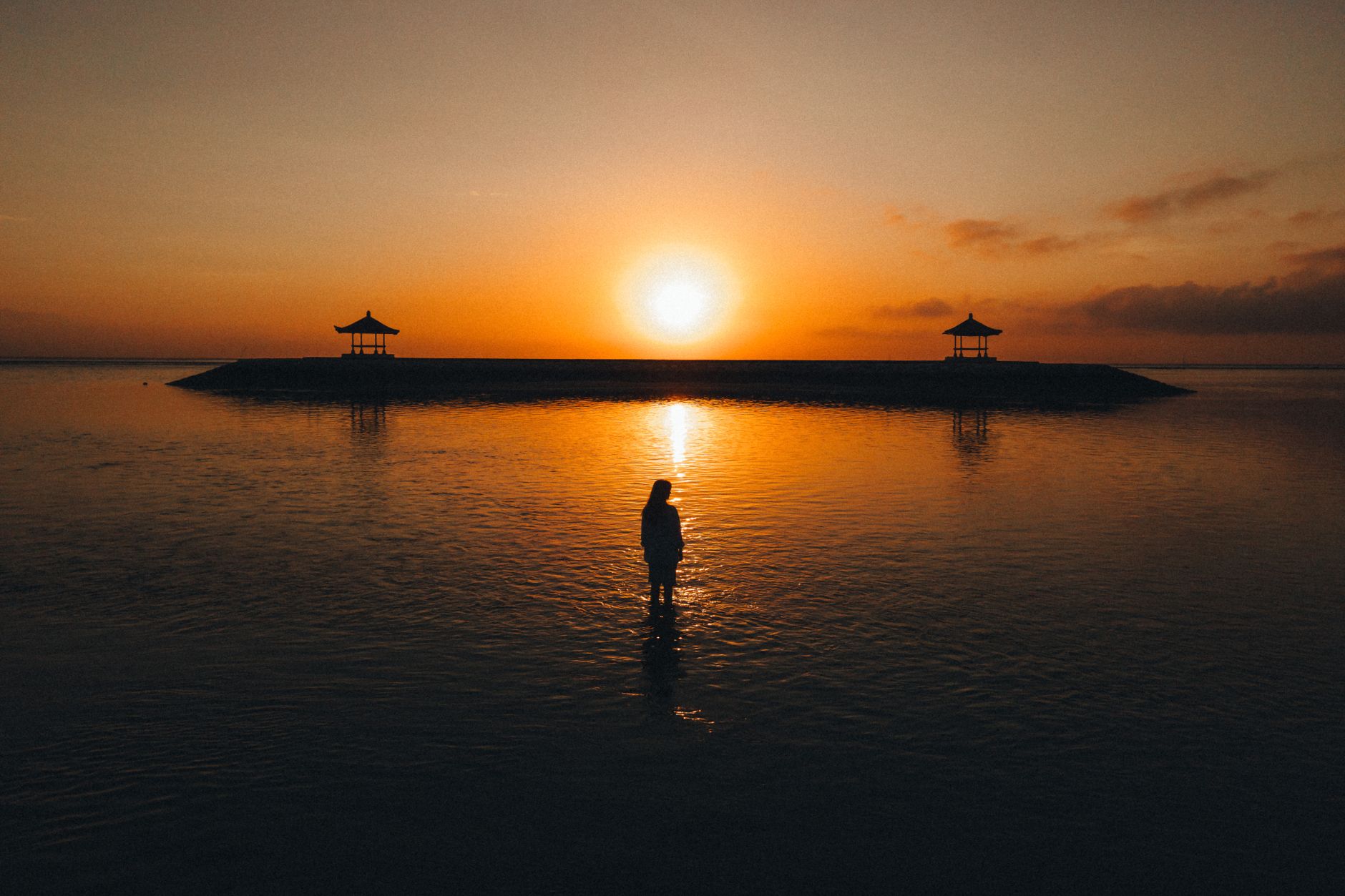
A tranquil scene of a silhouette at sunrise near pavilions on a Bali beach.
Photo by Mikhail Nilov on Pexels · Pexels License
Top Monuments in Indonesia
Gambir Railway Station
Jakarta
Jakarta's premium rail gateway has stood since 1884 โ and its elevated platforms now launch trains to Yogyakarta, Bandung, and beyond from the shadow of Monas.
Tanjung Benoa
Badung
Rahmat International Wildlife Museum & Gallery
Medan
Luar Batang Mosque
Jakarta
A saintโs tomb draws steady pilgrims to this 18th-century mosque in Jakartaโs old port quarter, where prayer, sea air, and kampung life still meet every day.
Jakarta Aquarium
Jakarta
Museum of Modern and Contemporary Art in Nusantara
Jakarta
Le Mayeur Museum
Denpasar
Grand Indonesia
Jakarta
Jimbaran
Denpasar
Istiqlal Mosque
Jakarta
Taman Prasasti Museum
Jakarta
Lapangan Banteng
Jakarta
Kosambi
Jakarta
Ancol Dreamland
Jakarta
Jakarta History Museum
Jakarta
Agung Rai Museum of Art
Denpasar
Selamat Datang Monument
Jakarta
Baru Ilir
Balikpapan
Practical Information
Visa
Most short-stay visitors with EU, US, Canadian, UK, or Australian passports can use Indonesia's Visa on Arrival or e-VOA. It costs Rp500,000 for 30 days and can usually be extended once for another 30; your passport should have at least 6 months left, 2 blank pages, and proof of onward travel.
Currency
Indonesia uses the rupiah (IDR). Cards work in much of Jakarta, Denpasar, Ubud, Yogyakarta, and bigger hotels, but cash still matters for warungs, markets, ferries, parking, and small entrance fees; a realistic daily budget starts around Rp500,000-900,000 for budget travel and Rp1,200,000-2,500,000 for mid-range.
Getting There
The main international gateways are Jakarta, Denpasar, Surabaya, Medan, Makassar, and Yogyakarta. Choose Denpasar if your trip is centered on Bali or Ubud, and Jakarta if you are building a wider Java route; airport rail links are genuinely useful in Jakarta, Medan, and Yogyakarta.
Getting Around
Java is the easiest island for independent overland travel, with reliable train corridors linking Jakarta, Yogyakarta, and Surabaya. For city transport, Grab, Gojek, and Bluebird are the names to know; between islands, domestic flights often save a full day compared with ferries or long bus-boat combinations.
Climate
Most of Indonesia has a dry season from April to October and a wetter stretch from November to March. May, June, September, and October are the sweet spot for much of the country: lower rain risk than mid-winter, fewer crowds than July and August, and better rates in places like Bali and Labuan Bajo.
Connectivity
Mobile data is cheap and usually more reliable than hotel Wi-Fi once you leave upscale properties. Coverage is solid in Jakarta, Denpasar, Yogyakarta, Surabaya, and Medan, but slower and less predictable on smaller islands and on sea crossings, so download tickets, maps, and hotel details before travel days.
Safety
Indonesia is manageable for most travelers, but the real risks are traffic, scooter accidents, rough seas, and volcanic or weather disruptions rather than street crime. Keep an eye on ferry conditions, use official taxis or ride-hailing at airports, and do not rent a scooter in Bali or Flores unless you are properly licensed, insured, and actually comfortable riding one.
Taste the Country
restaurantRendang
Eid tables, wedding tables, family tables. White rice, fingers or spoon, long talk, slow heat.
restaurantGudeg
Morning in Yogyakarta. Rice, jackfruit, egg, opor, sweet tea. Families, students, drivers, everyone half awake.
restaurantSoto ayam
Breakfast, recovery, rain. Lime at the table, spoon in hand, broth first, conversation later.
restaurantNasi goreng
Midnight carts, plastic stools, street smoke. Friends, night workers, one fried egg on top.
restaurantPempek
Afternoon snack in South Sumatra, often standing. Fish cake, dark cuko, quick bites, sharper sauce.
restaurantBakso
Street cart, tok tok tok sound, office lunch or school exit. Broth, noodles, meatballs, chili mixed to rank.
restaurantLawar
Ceremony food in Bali, not casual decoration. Shared after temple work, with rice, with pork, with ritual still on the skin.
Tips for Visitors
Carry Small Cash
Keep Rp20,000, Rp50,000, and Rp100,000 notes on hand for tolls, parking, warungs, and small ferry terminals. ATMs are easy in Jakarta, Bali, Surabaya, and Yogyakarta, then much less dependable once you move into smaller islands.
Use Trains on Java
For Jakarta, Yogyakarta, and Surabaya, trains are usually calmer and more predictable than long buses. Book early for weekends and holidays, especially if you want daytime departures.
Buffer Island Hops
Do not schedule a tight international connection after a domestic flight or boat leg. Weather, volcanic ash, and aircraft rotation delays can turn a neat same-day plan into a missed ticket.
Check Service First
Many restaurant and hotel bills in tourist areas already include tax and service. If they do not, rounding up or adding 5-10% is generous without importing US tipping habits.
Reserve Early in Peak Season
July, August, Christmas, New Year, and major holiday periods push rates up fast in Bali, Ubud, and Labuan Bajo. Book the first nights and any Komodo boat or dive trip well ahead, then leave flexible time elsewhere.
Buy a Local SIM
A local data package is usually worth more than hunting for dependable hotel Wi-Fi. Set it up on arrival in Jakarta or Denpasar and download offline maps before heading to Flores, Banda Neira, or Raja Ampat.
Mind the Social No
A polite yes in Indonesia can mean 'I hear you,' not 'agreed.' If someone says 'later' or avoids a direct answer, treat that as a soft refusal and ask again more gently rather than pushing.
Explore Indonesia with a personal guide in your pocket
Your Personal Curator, in Your Pocket.
Audio guides for 1,100+ cities across 96 countries. History, stories, and local insight โ offline ready.
Audiala App
Available on iOS & Android
Join 50k+ Curators
Frequently Asked
Do I need a visa for Indonesia as a US, UK, EU, Canadian, or Australian traveler? add
Usually yes, but for most short tourist trips you can get a Visa on Arrival or e-VOA instead of arranging a full embassy visa. The standard option is 30 days for Rp500,000, extendable once, and you should arrive with at least 6 months left on your passport plus proof of onward travel.
Is Indonesia expensive to travel in 2026? add
No, not by global standards, but costs swing hard by island. Yogyakarta, Surabaya, and inland Sumatra are relatively affordable, while Bali beach zones, Labuan Bajo, and especially Raja Ampat can push a mid-range trip into near-luxury territory.
What is the best month to visit Indonesia? add
May, June, September, and October are the safest all-round bet for much of the country. They sit in the drier part of the year without the full crush and price spike of July, August, and the Christmas-New Year period.
Can you travel around Indonesia without flying? add
Only partly. You can build a strong overland trip on Java by train and road, but once you start linking islands like Bali, Flores, Sulawesi, or Papua, flights usually save huge amounts of time and uncertainty.
How many days do you need for Indonesia? add
Seven to ten days is enough for one strong region, not for the whole country. Indonesia is an archipelago stretched across thousands of kilometers, so a good trip usually means choosing one lane such as Java, Bali plus Labuan Bajo, or Sumatra rather than collecting airports.
Is Bali the same as Indonesia? add
No. Bali is one island within Indonesia, and it is culturally and religiously distinct from much of the country, with a Hindu majority unlike Muslim-majority Java and Sumatra. Treat it as one chapter, not the definition of the whole book.
Is it safe to rent a scooter in Bali or Flores? add
Only if you are already a competent rider, legally licensed, and properly insured. The casual-rental culture makes it look easy, but road conditions, traffic behavior, and injury rates make scooters one of the biggest avoidable travel risks in Indonesia.
Can I use cards everywhere in Indonesia? add
No. Cards are common in bigger hotels, supermarkets, and many restaurants in Jakarta, Denpasar, Ubud, and other major hubs, but cash is still the working system for markets, small eateries, local transport, and many island logistics.
Is Java or Bali better for a first trip to Indonesia? add
Java is better for range and cultural depth, while Bali is easier if you want a simpler holiday rhythm. Pick Java for trains, temples, and city contrast; pick Bali for a gentler landing with easier resort infrastructure and shorter transfer days.
Sources
- verified Direktorat Jenderal Imigrasi Indonesia โ Official visa and e-VOA rules, fees, eligibility, and extension framework.
- verified Indonesia Travel โ Official tourism portal for gateway airports, destinations, and broad trip-planning context.
- verified KAI Access / Kereta Api Indonesia โ Primary reference for intercity rail on Java, including major train corridors used by travelers.
- verified BMKG โ Indonesia's meteorology agency for seasonal weather patterns, warnings, and travel disruption checks.
- verified Bank Indonesia โ Authoritative reference for currency, rupiah information, and payment context.
Last reviewed: