
Historical Foundations
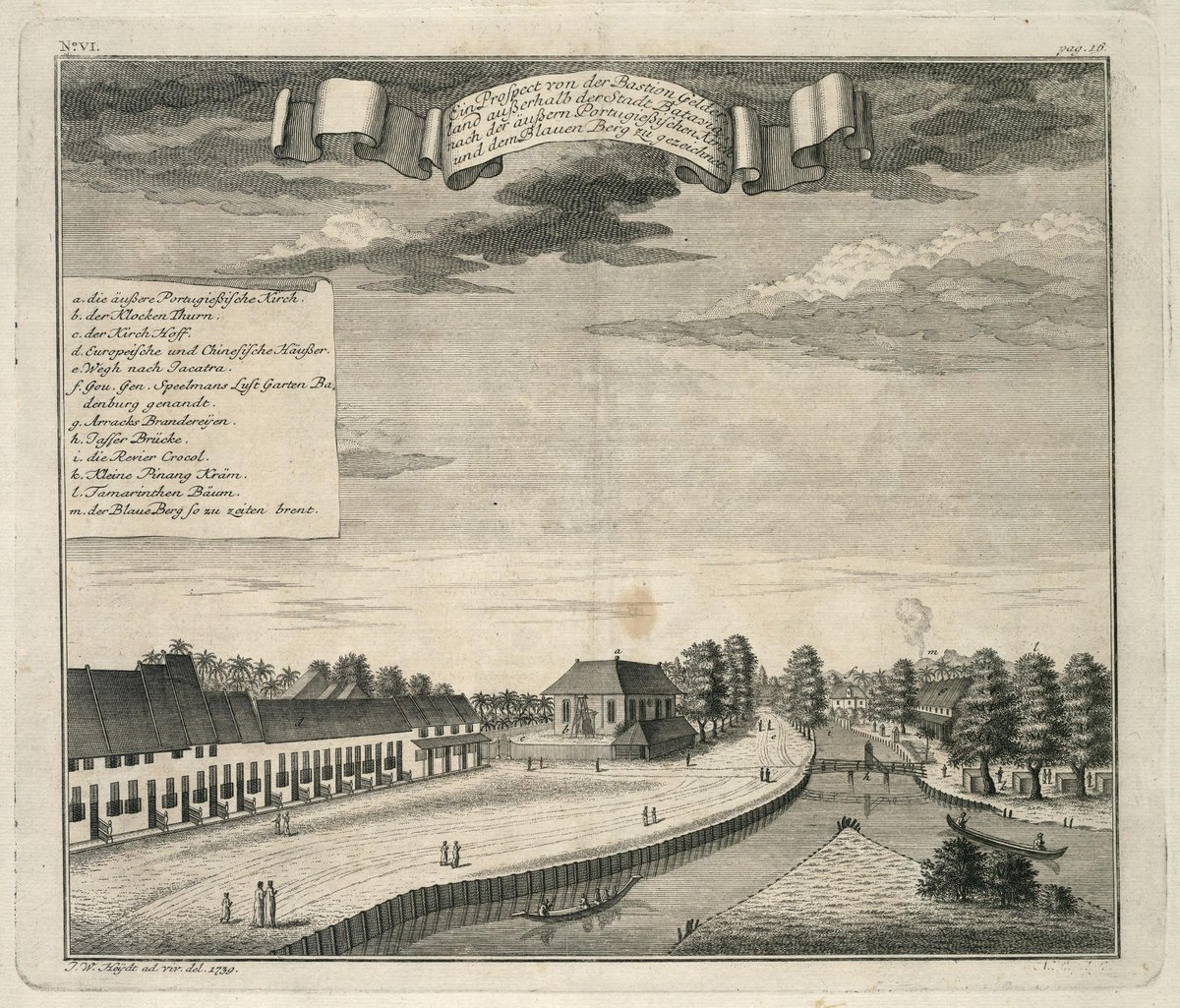
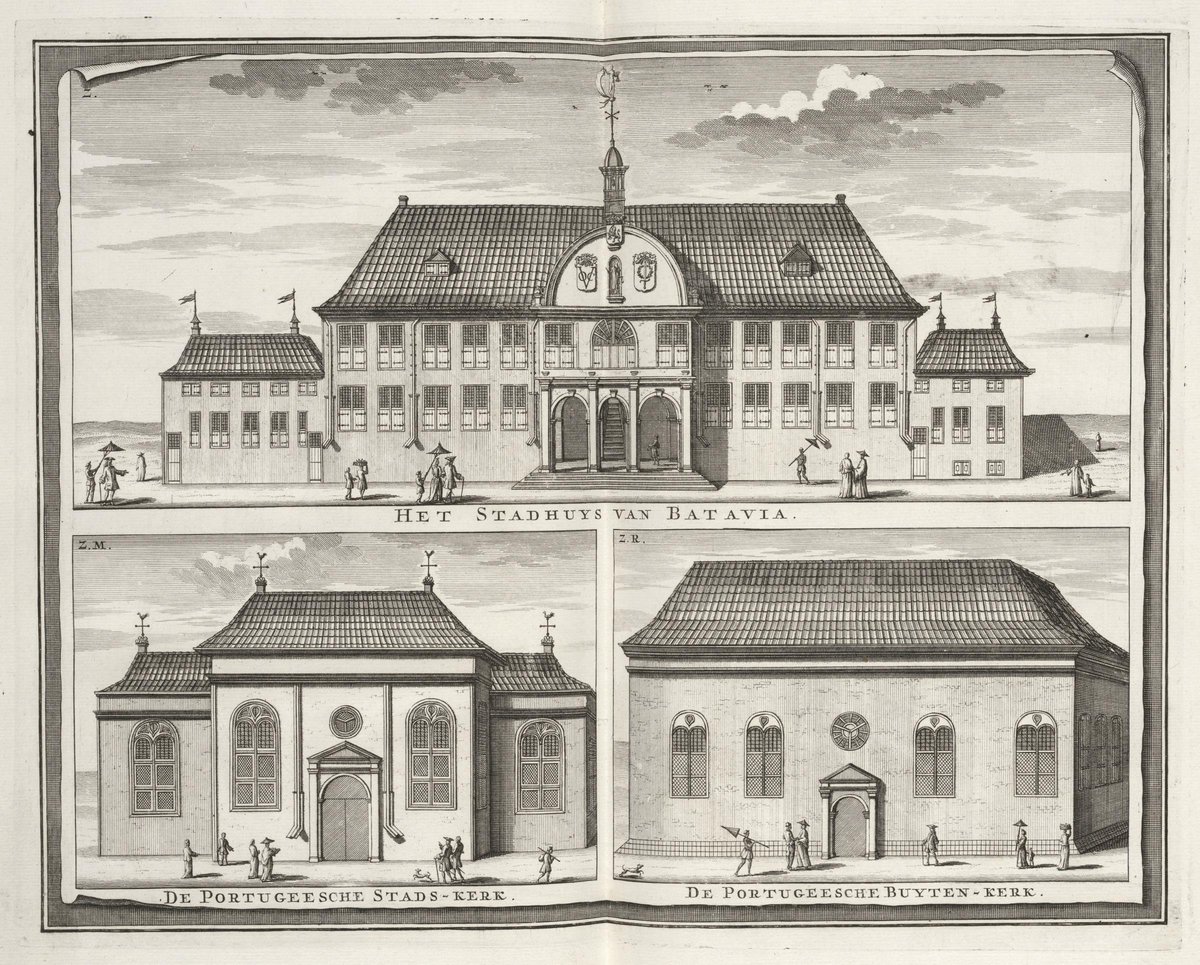
Gereja Sion’s roots go back to 1693, when the church was constructed to serve the Mardijker community outside Batavia’s city walls. Known at inception as "De Nieuwe Portugese Buitenkerk" (The New Portuguese Church Outside the Walls), its foundation stone was laid on October 19, 1693, and the church was inaugurated in 1695 (Bisniswisata). The Mardijkers, freed from Portuguese slavery and converted by the Dutch East India Company (VOC), were central to Jakarta’s early multicultural society.
The church’s establishment was made possible through contributions from notable figures such as Carel Reniersen, a former Governor-General, whose gravestone remains inside the church (Kompas.com).
Architectural Highlights
Exterior
Gereja Sion displays a harmonious blend of Dutch colonial, Portuguese, and classical styles. The rectangular structure (24 x 32 meters) is built from red brick and teak wood, chosen for their durability in Jakarta’s humid, flood-prone environment. Its foundation rests on approximately 10,000 wooden piles, stabilizing the church on marshy ground (SukabumiUpdate). The façade is simple but dignified, highlighted by a tympanum and semi-pilasters, and a steep, trapezoidal roof designed to withstand monsoon rains.
A historic bronze bell, cast in 1675, predates the church and is one of the oldest in Indonesia (Kompas).
Interior
Inside, the church features a broad, single hall with three naves, high barrel-vaulted ceilings, and an abundance of natural light via tall arched windows (Wikipedia). Stone columns, originally wooden, support the structure, while andesite stone tiles (likely imported from India) pave the floor.
Decorative elements include:
- Baroque Ebony Pulpit Richly carved and serving as the sanctuary’s focal point (Lonely Planet).
- Antique Chandeliers Copper fixtures from the colonial period.
- Historic Pipe Organ Donated in 1860 and occasionally played (SukabumiUpdate).
- Teak Benches Original seating for up to 1,000 worshippers.
- Symbolic Pillars Six columns representing six guardian angels (SukabumiUpdate).
Cemetery and Memorials
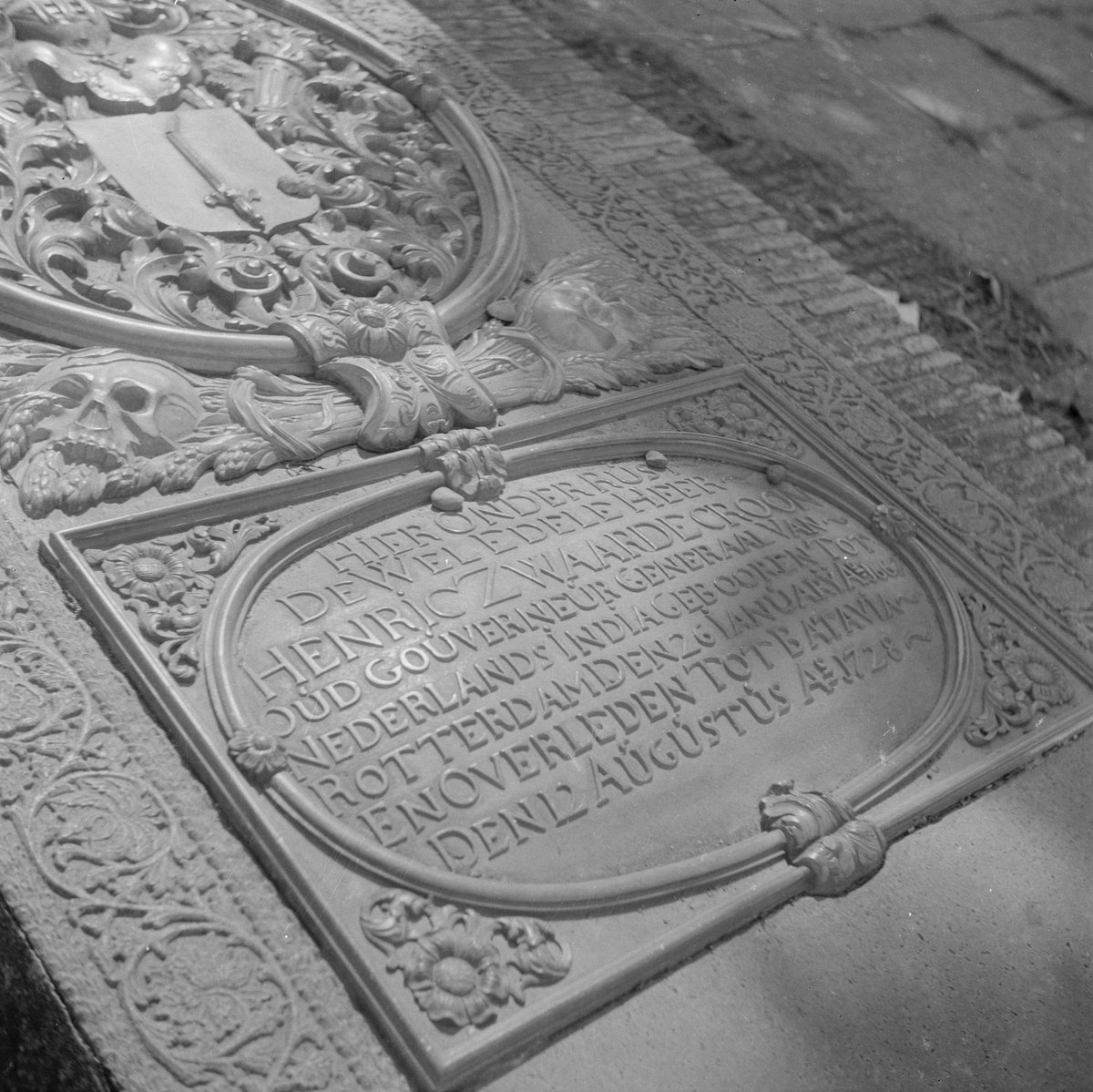
The adjacent Jassen Kerkhof cemetery was once a major colonial burial ground; today, only a handful of historic tombstones remain, including that of Governor-General Hendrik Zwaardecroon (Indonesia Expat), offering poignant reminders of Jakarta’s layered history.
Social and Religious Significance
Gereja Sion has always been more than an architectural landmark; it remains an active Protestant church under GPIB Sion (Kompas.com). Regular worship services, baptisms, weddings, and special celebrations like Christmas are held here, maintaining its role as a community hub for Jakarta’s Christian population. The church’s musical heritage, with a 17th-century bell and 18th-century organ, further connects present-day congregants with centuries-old traditions.
Preservation and Heritage Status
Designated as a protected Cultural Heritage Site (Cagar Budaya) by the Indonesian Ministry of Education and Culture in 2017, Gereja Sion has undergone several restorations (notably in 1725, 1920, 1976, and 2002) to maintain its structural integrity (Kompas). These efforts have preserved its original features—antique furnishings, family crests, and artifacts—ensuring the church’s continued use and historical authenticity (SukabumiUpdate).
Visiting Information: Hours, Tickets, and Tips
- Visiting Hours Tuesday–Sunday, 9:00 AM – 4:00 PM. Closed Mondays and certain holidays. Sunday mornings are reserved for worship (Traveloka).
- Entrance Fee Free. Donations are encouraged to support maintenance.
- Guided Tours Available by prior arrangement or through local heritage organizations. Interpretive signage and brochures are offered on-site (subject to availability).
- Dress Code Modest attire is required (shoulders and knees covered). Remove hats inside the sanctuary.
- Photography Permitted (no flash or photography during services).
- Best Times to Visit Weekday mornings for fewer crowds and optimal lighting. Avoid service times unless attending worship.
Accessibility and Facilities
While Gereja Sion’s 17th-century architecture limits accessibility features, the main entrance has a few steps and no ramps. The interior is spacious with central aisles and wooden pews. Basic restrooms are located outside the main building. There are no cafés or souvenir shops on-site, but nearby Kota Tua offers multiple dining and shopping options.
Visitors with mobility needs should note the limited accessibility and plan accordingly.
Nearby Attractions
Located in the vibrant Kota Tua area, Gereja Sion is within walking distance of:
- Fatahillah Square (Jakarta History Museum, Wayang Museum, Fine Art and Ceramic Museum)
- Jakarta Kota Railway Station (historic Art Deco architecture)
- Glodok (Chinatown) (markets, street food, temples)
Combining these sites with a visit to Gereja Sion provides a comprehensive introduction to Jakarta’s colonial and multicultural history.
Visuals and Interactive Media
- Exterior View
- Antique Organ
- Historic Bell
For further exploration, virtual tours and interactive maps covering Jakarta’s heritage sites—including Gereja Sion—are available through select cultural heritage platforms.
Frequently Asked Questions
Q: What are Gereja Sion’s visiting hours?
A: Tuesday to Sunday, 9:00 AM to 4:00 PM. Closed on Mondays and during some holidays.
Q: Is there an entrance fee?
A: No, admission is free. Donations are welcome.
Q: Are guided tours available?
A: Yes, by prior arrangement or through local heritage tour operators.
Q: Is the church accessible for people with disabilities?
A: Accessibility is limited due to steps and lack of ramps.
Q: Can I take photos inside?
A: Yes, but no flash and not during services.
Q: What other attractions are nearby?
A: Fatahillah Square, Jakarta Kota Station, and Glodok Chinatown are within walking distance.