
Historical Background
Origins and Establishment
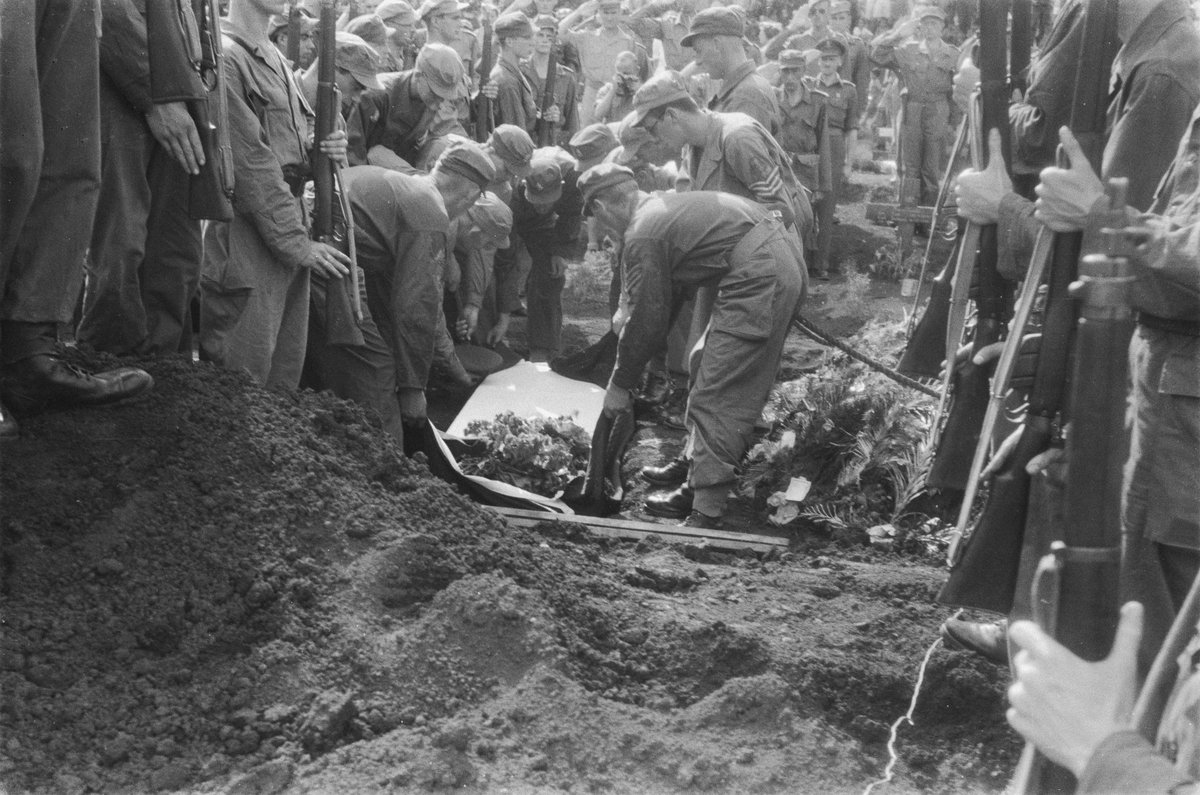
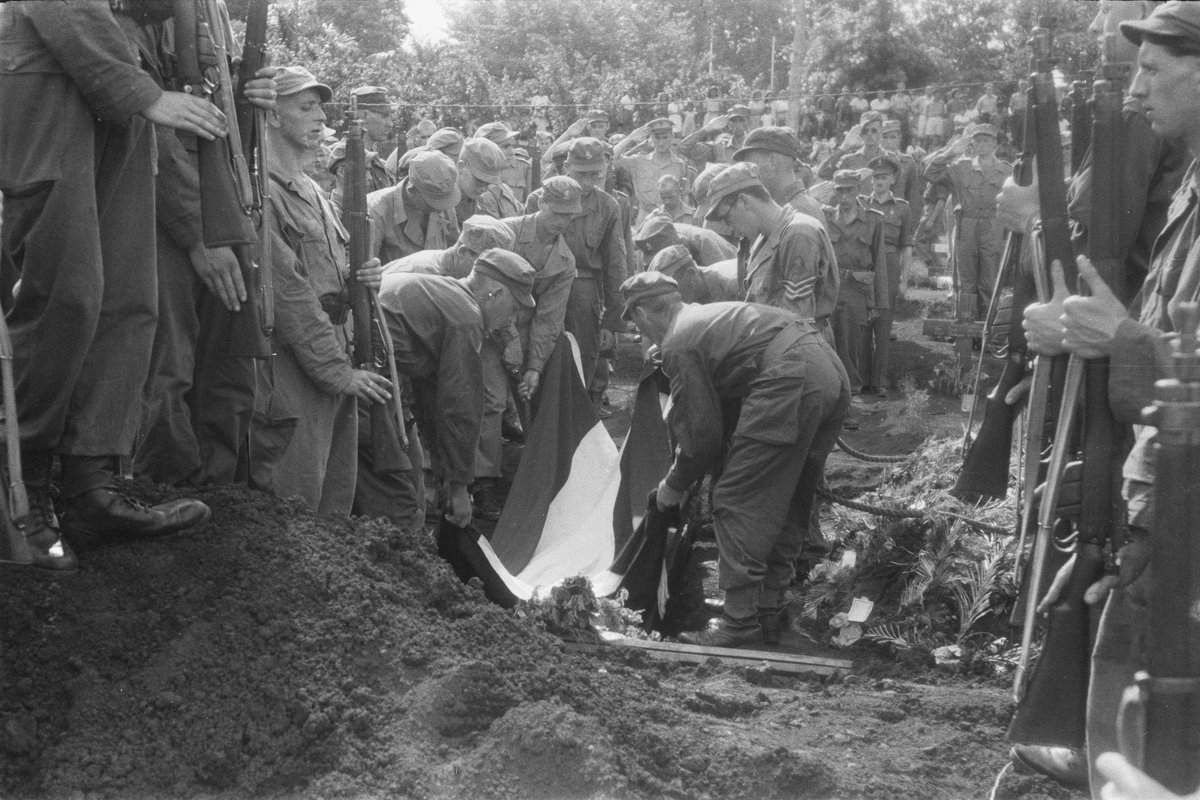
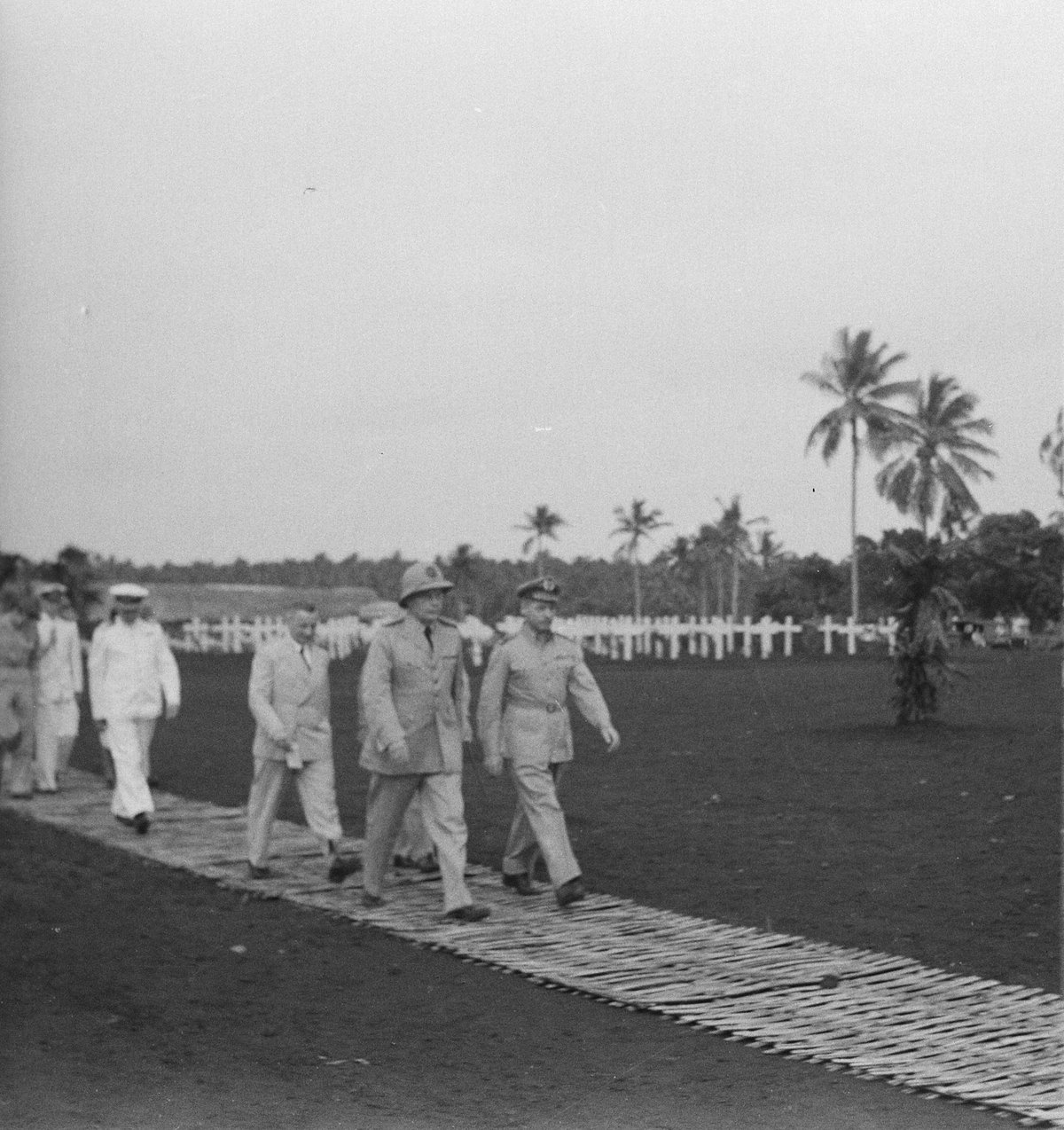
Menteng Pulo War Cemetery was established in the aftermath of World War II, envisioned as a final resting place for Dutch, Indonesian, and Allied victims of war and occupation. The site, located in South Jakarta’s Menteng Dalam area, was selected for its tranquil palm-lined surroundings—now enveloped by the city’s urban landscape (OGS Indonesia). The cemetery was designed by Dutch Reserve Lieutenant Colonel Ir. Hugo Anthonius van Oerle, with the foundation stone laid in December 1946 and the official inauguration following in December 1947 (Now Jakarta).
Significance During World War II and the Indonesian National Revolution
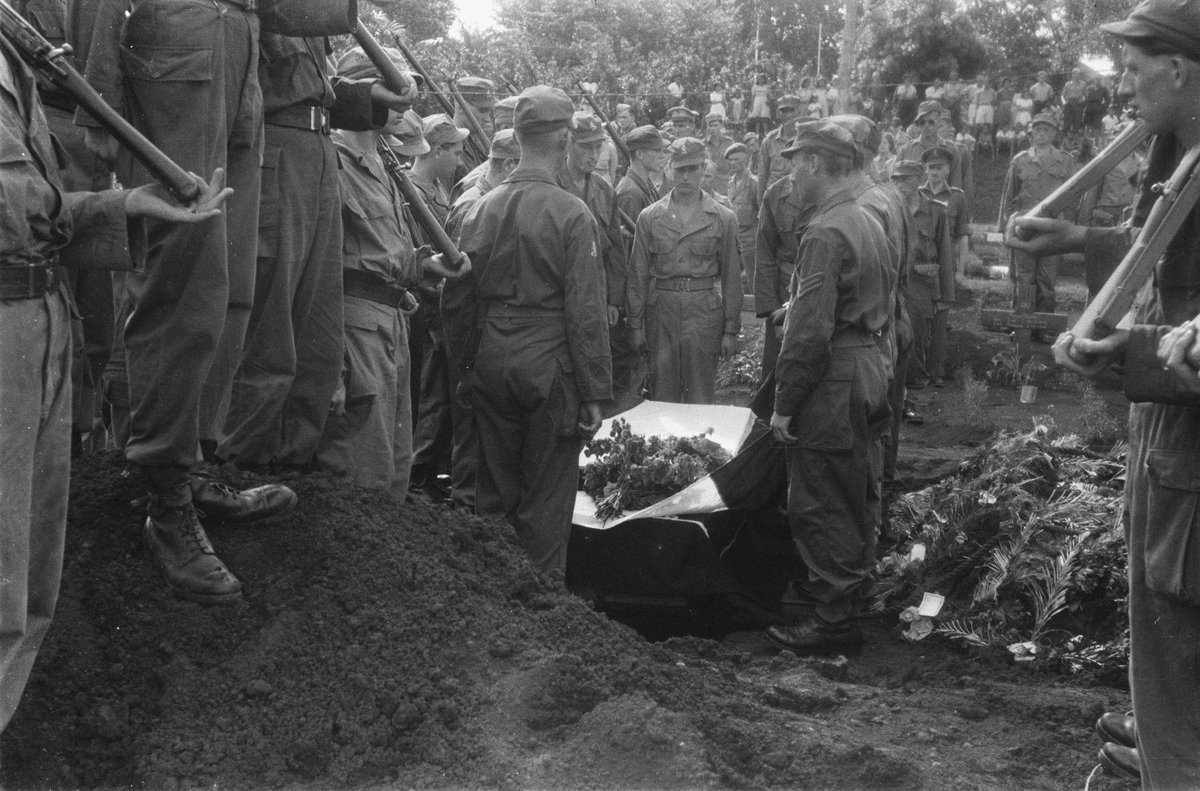
Menteng Pulo’s history is deeply tied to the Japanese occupation of the Dutch East Indies (1942–1945) and the subsequent Indonesian National Revolution (1945–1949). During these turbulent years, thousands of Dutch nationals, Indo-Europeans, Indonesians, and Allied soldiers perished in internment camps, forced labor, and military conflicts (Manual Excursion). The cemetery initially served as a burial ground for members of the Royal Netherlands East Indies Army (KNIL) and civilians who died during this era.
In the 1960s, remains from over 20 smaller cemeteries throughout Indonesia were consolidated into Menteng Pulo, following agreements between Indonesia and the Netherlands to concentrate war cemeteries on Java (OGS Indonesia).
Diversity of Burials and Memorial Features
Menteng Pulo is notable for its inclusivity, with graves representing Dutch, Indonesian, British, Indian, and other Allied military personnel, as well as civilians of various faiths—including Christianity, Islam, Judaism, and Buddhism (Indonesia Expat). The cemetery holds between 4,000 and 4,300 graves, with orderly rows of headstones and dedicated sections for different faiths and nationalities.
Distinctive features include:
- Simultaan Church A non-active, multi-denominational chapel at the cemetery’s heart, serving as a focal point for remembrance ceremonies.
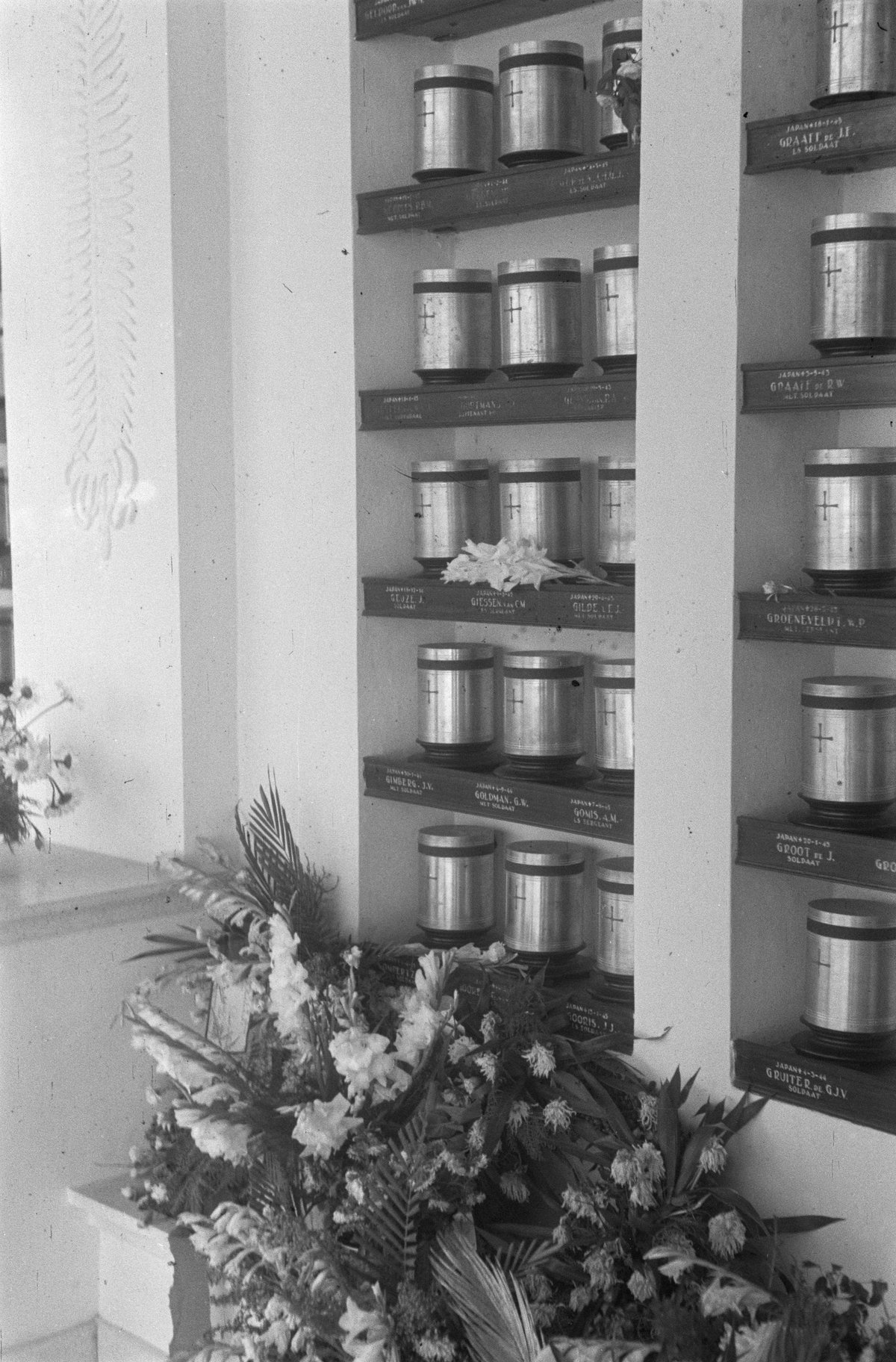
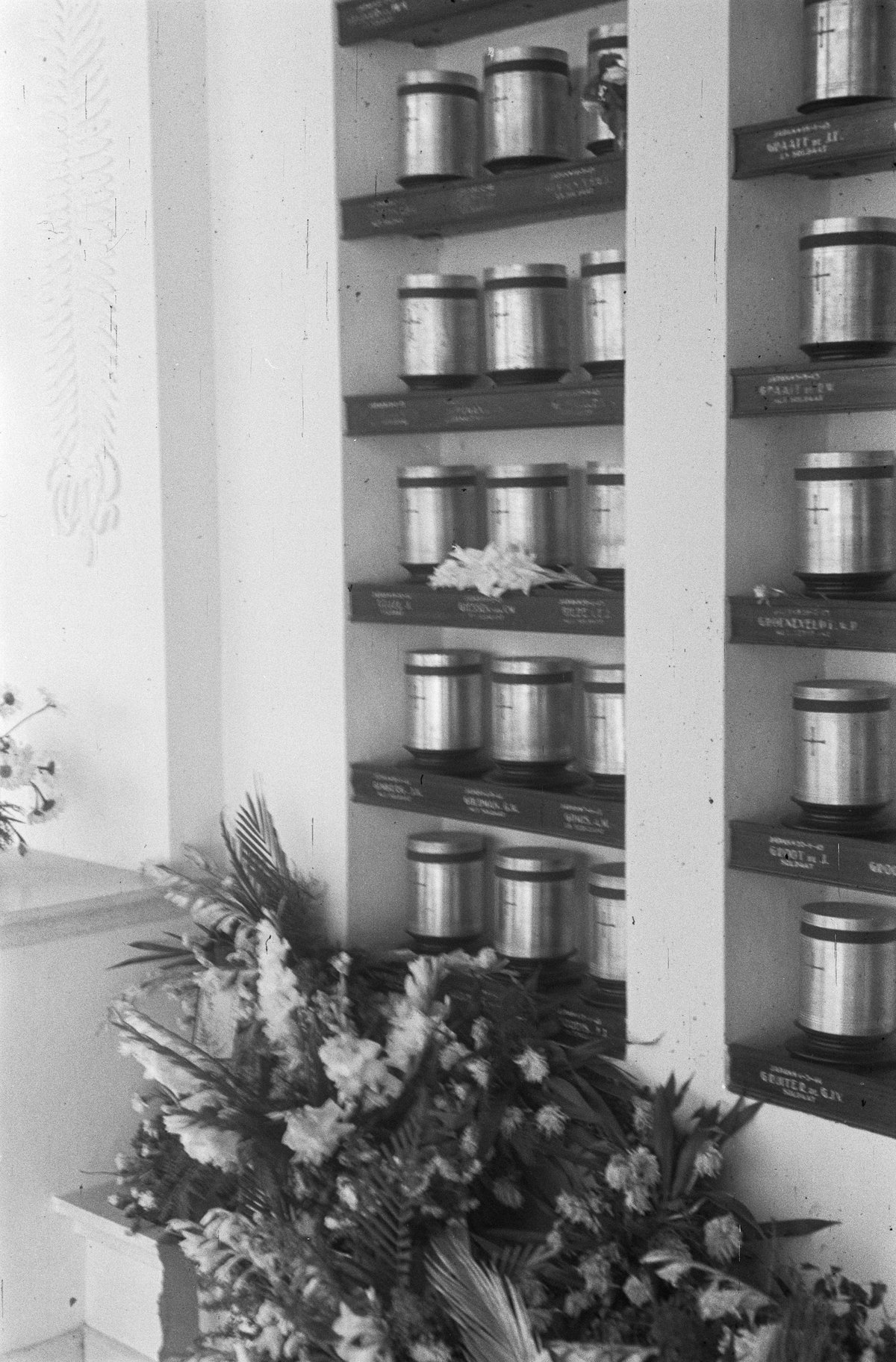
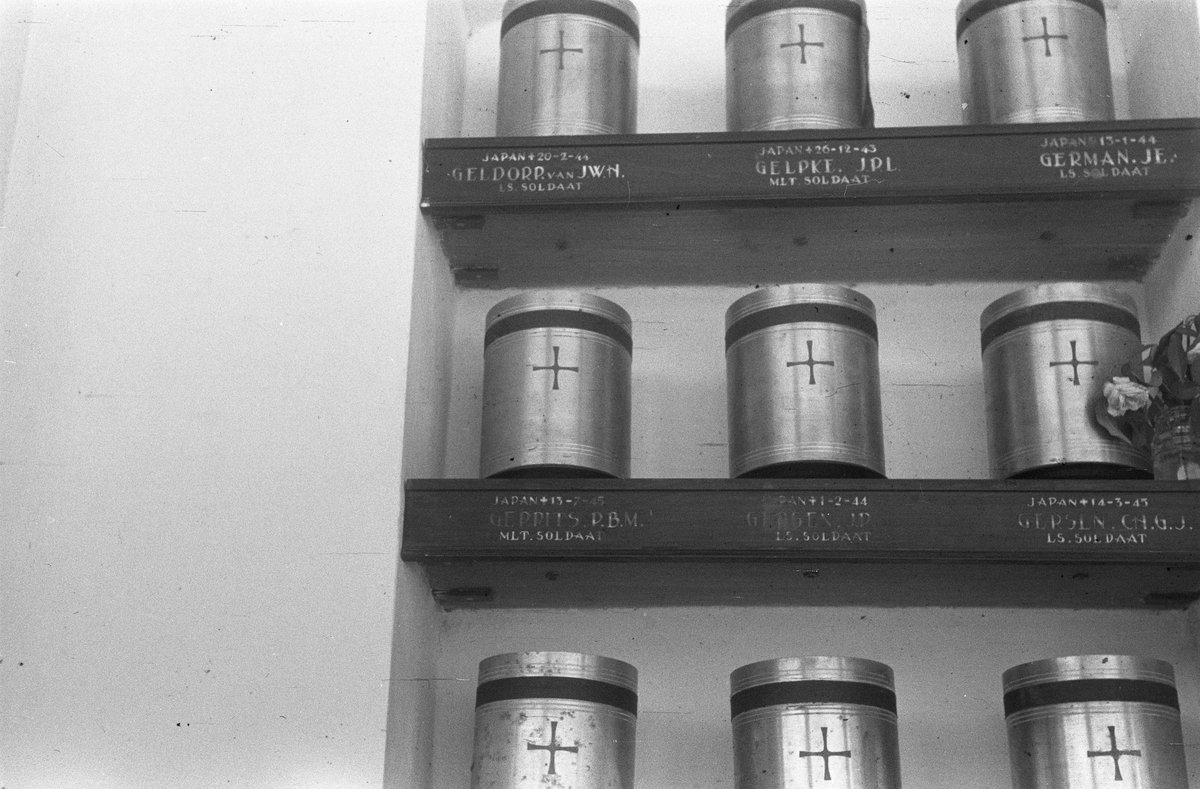
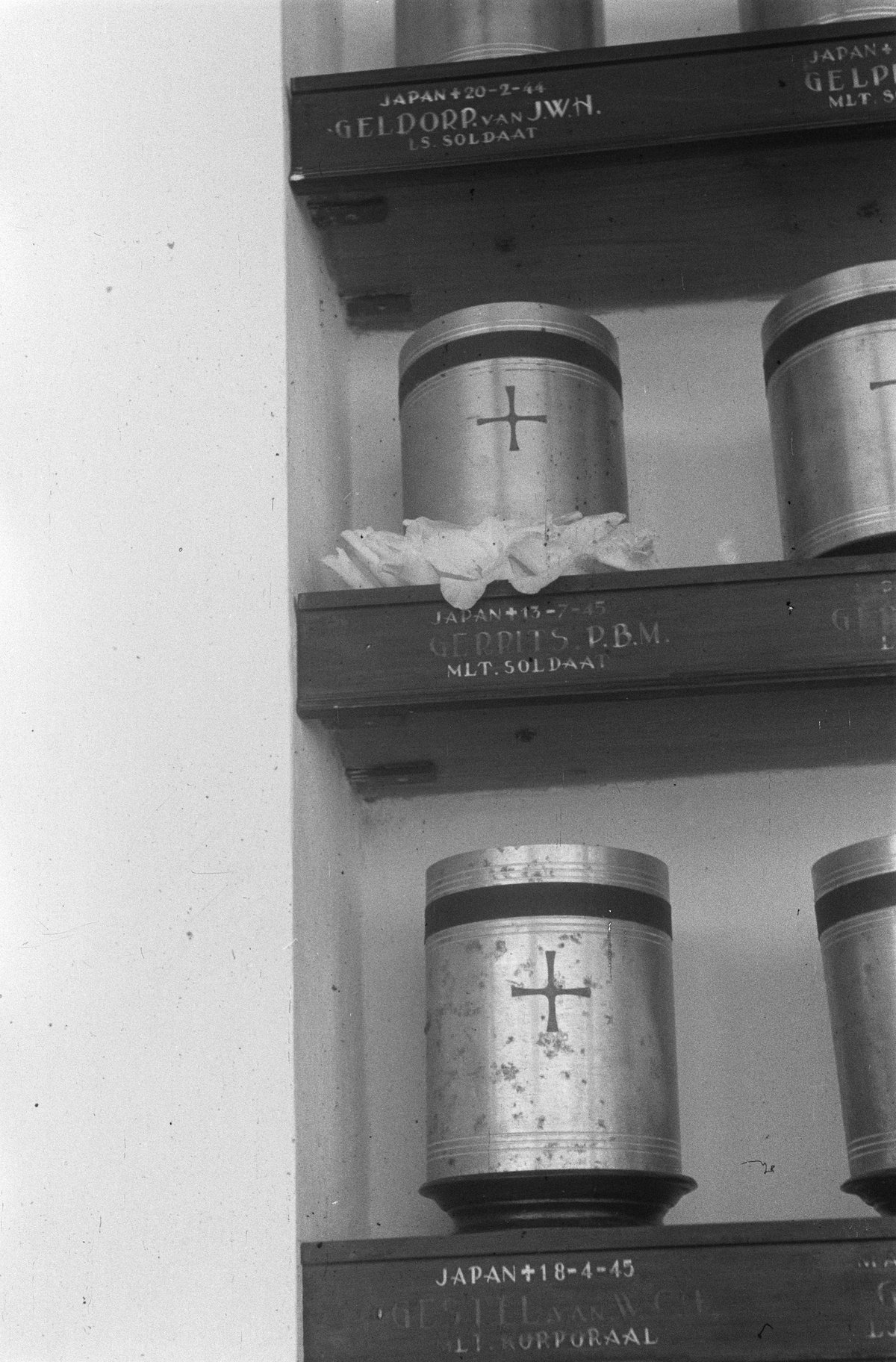
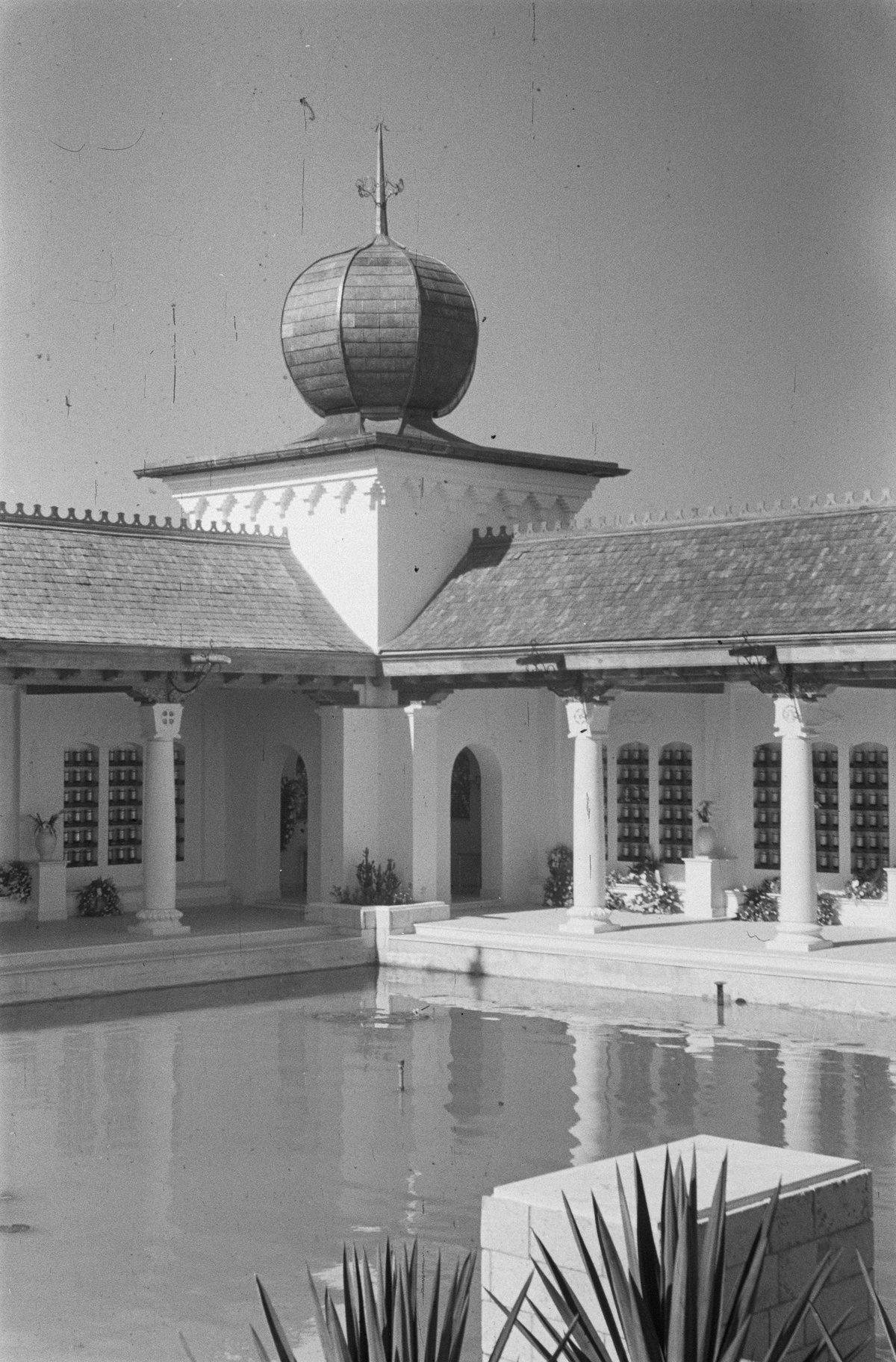
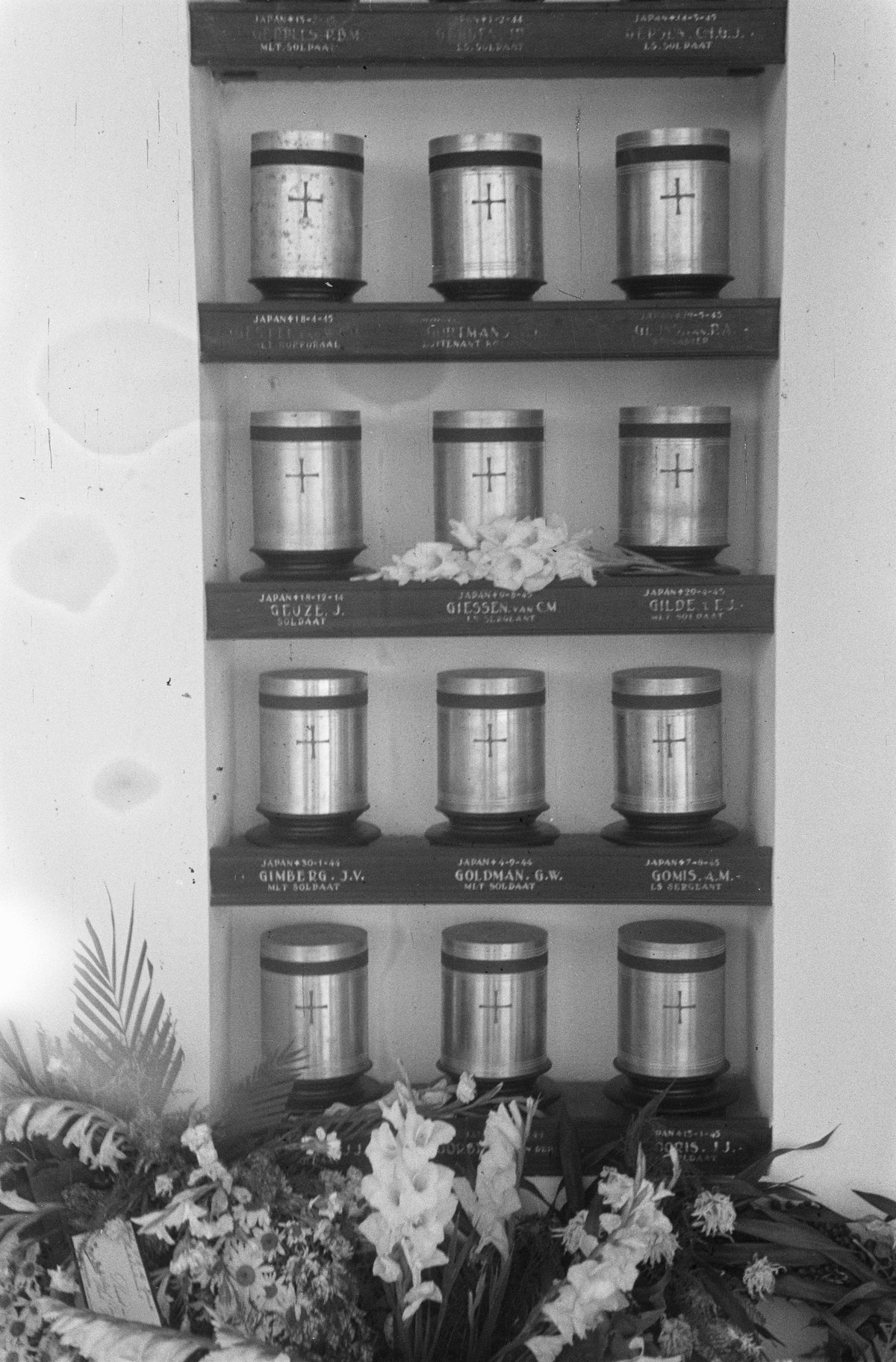
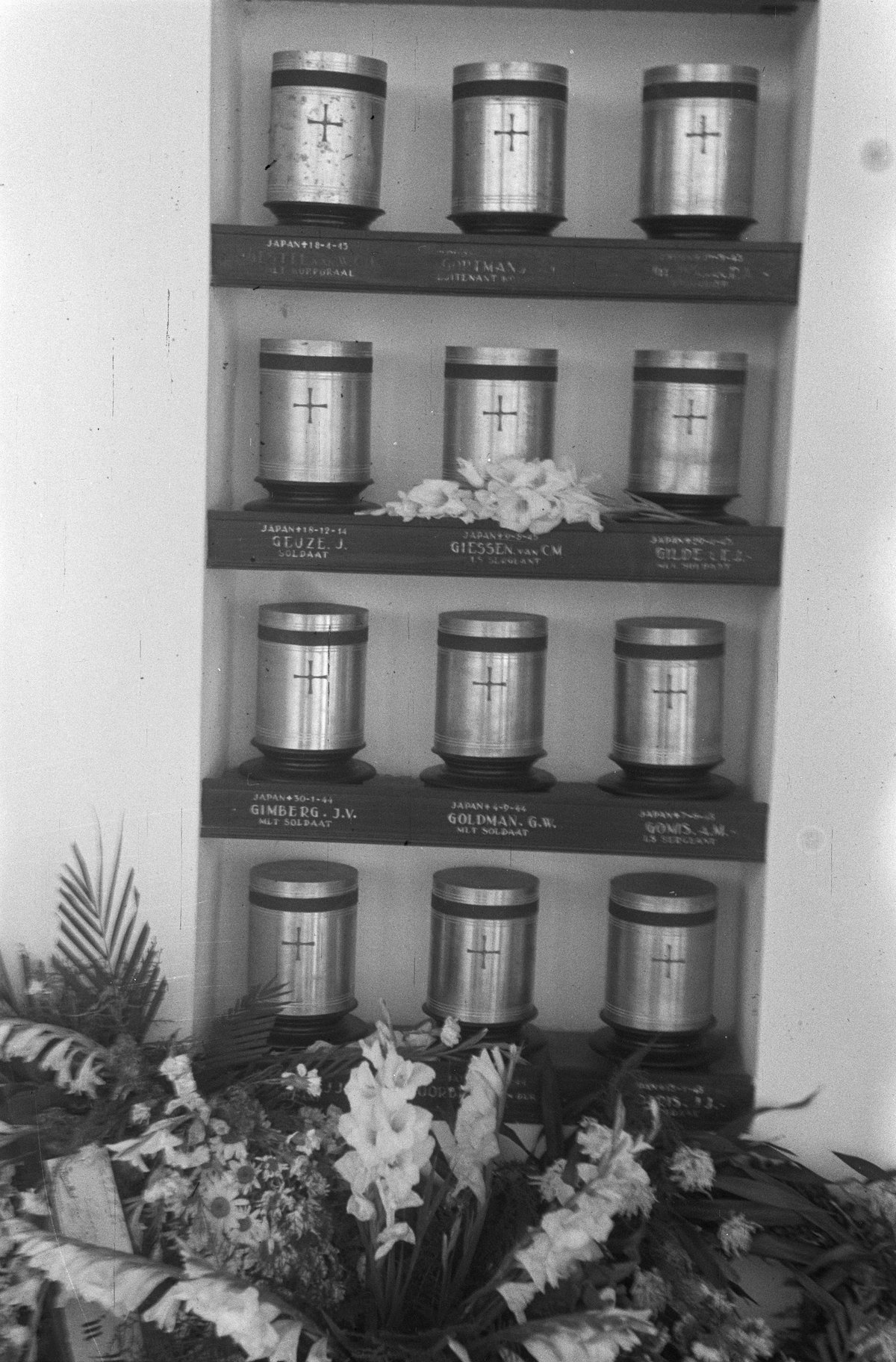
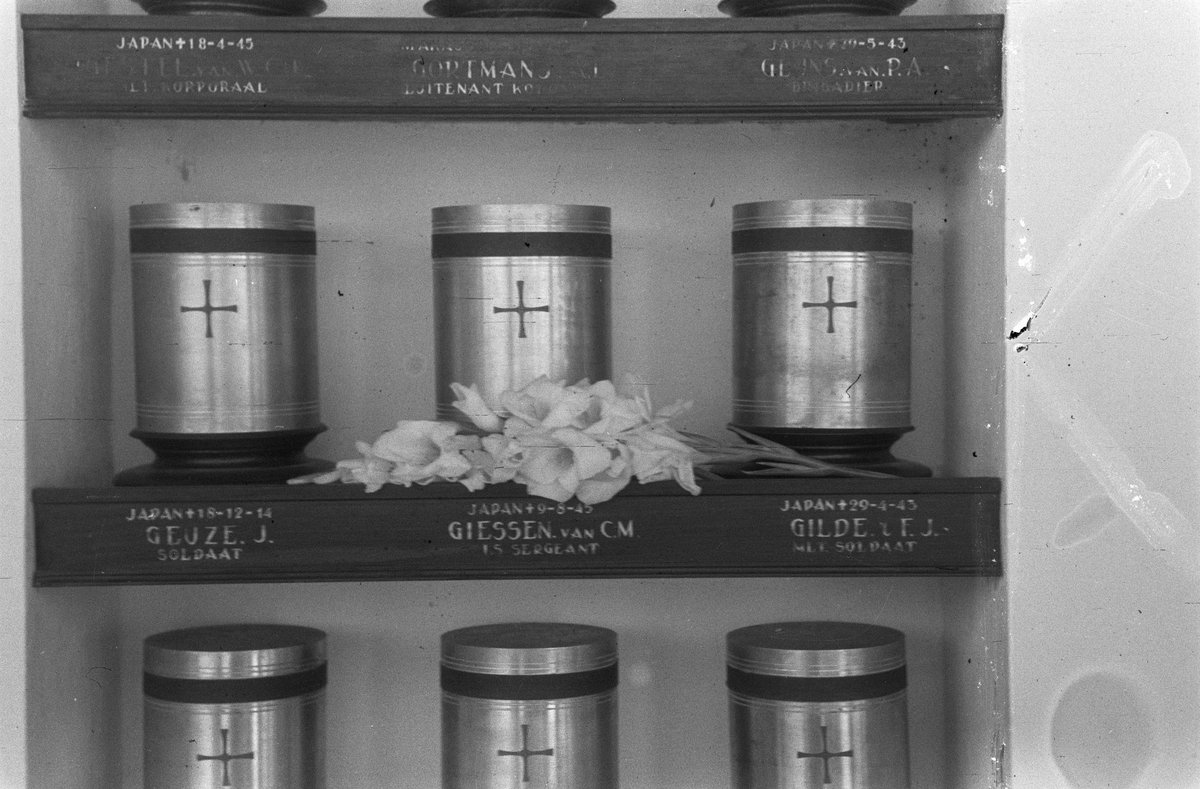
- Columbarium Housing urns of Dutch military personnel who died in Japanese captivity and were later transported from Japan (OGS Indonesia).
- Memorial Monuments Honoring aviators, mariners, internees from Glodok, and children who perished in the conflict.
Visiting Menteng Pulo War Cemetery
Location and Directions
The cemetery is situated at Jl. Menteng Pulo RT. 3 RW. 12, Menteng Dalam, Tebet, South Jakarta. It is easily accessible by car, taxi, ride-hailing apps, and public transportation, including TransJakarta buses and the nearby Tebet railway station (Trek Zone).
Visiting Hours and Entry Information
-
Standard Opening Hours Daily from 8:00 AM to 5:00 PM.
-
Special Notes Some sources indicate weekday-only access (Monday to Friday, 8:00 AM to 5:00 PM), with closure on weekends and public holidays (Holidify). For the most accurate information, consult the Oorlogsgravenstichting official website.
-
Ticket/Entry Fee Admission is free for all visitors; no tickets required.
Accessibility and Facilities
- Paths Mostly flat, paved walkways make the cemetery accessible for visitors with mobility challenges.
- Restrooms and Benches Facilities are available near the entrance.
- Chapel and Columbarium The Simultaan Church and Columbarium are open for reflection during special events or by prior arrangement.
- Parking On-site and nearby parking is available.
Visitor Etiquette and Guidelines
- Dress Modestly Wear respectful, conservative attire.
- Maintain Silence Speak quietly and behave respectfully within the grounds.
- Photography Permitted for personal use; avoid photographing ceremonies or other visitors without permission.
- No Littering Dispose of trash in designated bins.
- No Recreational Activities Eating, drinking, and recreational activities are discouraged.
- Children Welcome, but require supervision.
Cultural and Educational Significance
Menteng Pulo War Cemetery plays a vital educational and cultural role, fostering understanding of Indonesia’s complex wartime history and the shared sacrifices of many nations. The site is used for school and university visits, guided tours, and annual commemorations such as Dutch National Remembrance Day (May 4th), encouraging reflection on peace and reconciliation (Indonesia Expat).
The ongoing maintenance and diplomacy between Indonesia and the Netherlands symbolize a commitment to reconciliation and shared memory, while its inclusivity reflects the unity of diverse communities in the face of adversity.
Nearby Attractions and Travel Tips
- Kota Kasablanka Mall A major shopping and dining destination 1.5 km away (Trek Zone).
- Erasmus Huis The Dutch cultural center, offering exhibitions and cultural events, about 2.5 km away.
- Jakarta Historical Landmarks Combine your visit with other nearby sites, such as the National Monument (Monas), Jakarta History Museum, and Tebet Honda Park.
Travel Tips:
- Visit during the dry season (May–September) for comfortable weather.
- Early morning or late afternoon visits are best to avoid heat and crowds.
- Bring water, sun protection, and comfortable walking shoes.
Frequently Asked Questions (FAQ)
Q: What are the Menteng Pulo War Cemetery visiting hours?
A: The cemetery is generally open daily from 8:00 AM to 5:00 PM. Some sources note weekday-only access; check the Oorlogsgravenstichting website for the latest updates.
Q: Is there an entrance fee or ticket required?
A: Admission is free; no tickets are needed.
Q: Is the cemetery wheelchair accessible?
A: Yes, paved pathways make it accessible for visitors with mobility challenges.
Q: Are guided tours available?
A: Yes, guided tours can be arranged through the Dutch War Graves Foundation or by contacting cemetery management in advance.
Q: Can I take photographs?
A: Photography for personal use is allowed; please be discreet and avoid photographing mourners or ceremonies without consent.
Q: Are group visits allowed?
A: Yes; groups, especially educational or commemorative, should notify management beforehand.