Visiting the Saint-Sulpice Library
Visiting Hours
The Saint-Sulpice Library is open to visitors interested in its architectural and cultural significance. As of 2025, hours typically run Tuesday to Sunday, 10:00 AM to 5:00 PM. For special events, workshops, or restoration periods, exact schedules may vary. Always verify current hours on the official website or Univers culturel de Saint-Sulpice.
Tickets and Admission
General admission to the Saint-Sulpice Library is free, with some special exhibitions or guided tours requiring advance registration or a nominal fee. Booking for tours or workshops can be done online via the official site or at local visitor centers. During busy periods, reservations are recommended.
Accessibility
The library is fully accessible, featuring ramps, elevators, and accessible restrooms. Visitors with special needs are encouraged to contact library staff ahead of their visit to arrange any required accommodations.
Guided Tours and Events
Guided tours, available by reservation, offer deep dives into the library’s history and architectural details, often granting access to areas not open for self-guided exploration. The library also hosts cultural events, exhibitions, and youth-oriented workshops. Event schedules are regularly updated on the library’s website.
Photography and Virtual Tours
Photography is allowed in designated public areas, but flash and tripods are generally prohibited. For remote visitors or those wishing to preview the site, virtual tours and high-resolution image galleries are available through the library’s digital platforms.
Origins and Founding Vision
Founded by the Society of Saint-Sulpice, the library’s mission was to serve Montreal’s francophone community and advance intellectual and educational pursuits. Combining the Sulpicians’ collections with those of Université Laval à Montréal, the institution became a focal point for research and self-education.
Architectural Significance
Architect Eugène Payette’s Beaux-Arts design, constructed between 1912 and 1914, features a harmonious stone façade, grand entrances, and refined interior details. The building’s historical and architectural value was recognized in 1988 with its designation as a Historic Monument (RouteYou).
Collection Development and Cultural Role
Under librarian Aegidius Fauteux, the Saint-Sulpice Library developed substantial collections of books, maps, and rare materials, becoming a vital research institution. Sulpician priest Olivier Maurault further enriched the library’s cultural program, making it a nexus for Montreal’s intellectual life.
Milestones and Transformations
- Opened as Canada’s first French-language library (1917).
- Expanded research collections and cultural programming under Fauteux and Maurault.
- Collection transferred to BAnQ in 1967; building preserved as a heritage site.
- Current revitalization as a youth innovation center and creative hub.
Architectural Context and Evolution
Beaux-Arts Influence
The library exemplifies Beaux-Arts architecture with its symmetrical façade, locally sourced limestone, and classical ornamentation including cornices, pilasters, and an elegant portico.
Interior and Spatial Design
The original layout featured grand reading rooms with high ceilings and large windows, specialized spaces for rare collections, and natural lighting to foster study and learning. Interior finishes such as wood paneling and decorative plasterwork remain highlights.
Restoration and Adaptive Reuse
A 2017 restoration reimagined the library as a flexible “laboratory” for learning, balancing heritage conservation with modern educational needs (DMA Architectes). Key improvements include:
- Preservation of original stonework and interior detailing.
- Modern accessibility upgrades.
- Creation of multi-purpose spaces for youth engagement and workshops.
Relationship to Surroundings
Located in the Quartier Latin, the library is surrounded by cultural institutions, cafes, and universities, and complements nearby landmarks such as the Notre-Dame Basilica and Vieux Séminaire de Saint-Sulpice (MTL.org).
Notable Features and Gardens
While distinct from the nearby seminary, the library shares Montreal’s tradition of classical architecture. Its landscaped gardens provide tranquil outdoor spaces, echoing the city’s French Regime heritage.
Visitor Experience
Visitors are greeted by an impressive Beaux-Arts exterior and stately interior spaces. Recent renovations ensure barrier-free access, quiet study zones, digital amenities, and interactive exhibits. For those unable to visit in person, virtual experiences and multimedia resources are available online.
Comparative Analysis
The Saint-Sulpice Library’s Beaux-Arts style contrasts with the Gothic Revival Notre-Dame Basilica and colonial classicism of the Vieux Séminaire, reflecting the architectural diversity of Montreal (Triphobo).
Nearby Attractions and Travel Tips
The library’s central location on Saint-Denis Street makes it a perfect launch point for exploring:
- Quartier des Spectacles Montreal’s arts hub (Montreal Tourism).
- Old Montreal Historic sites and cobblestone streets.
- Grande Bibliothèque A modern library and cultural space.
- Local cafes and restaurants For refreshment before or after your visit.
- Accommodation Options like Hotel Saint-Sulpice are nearby.
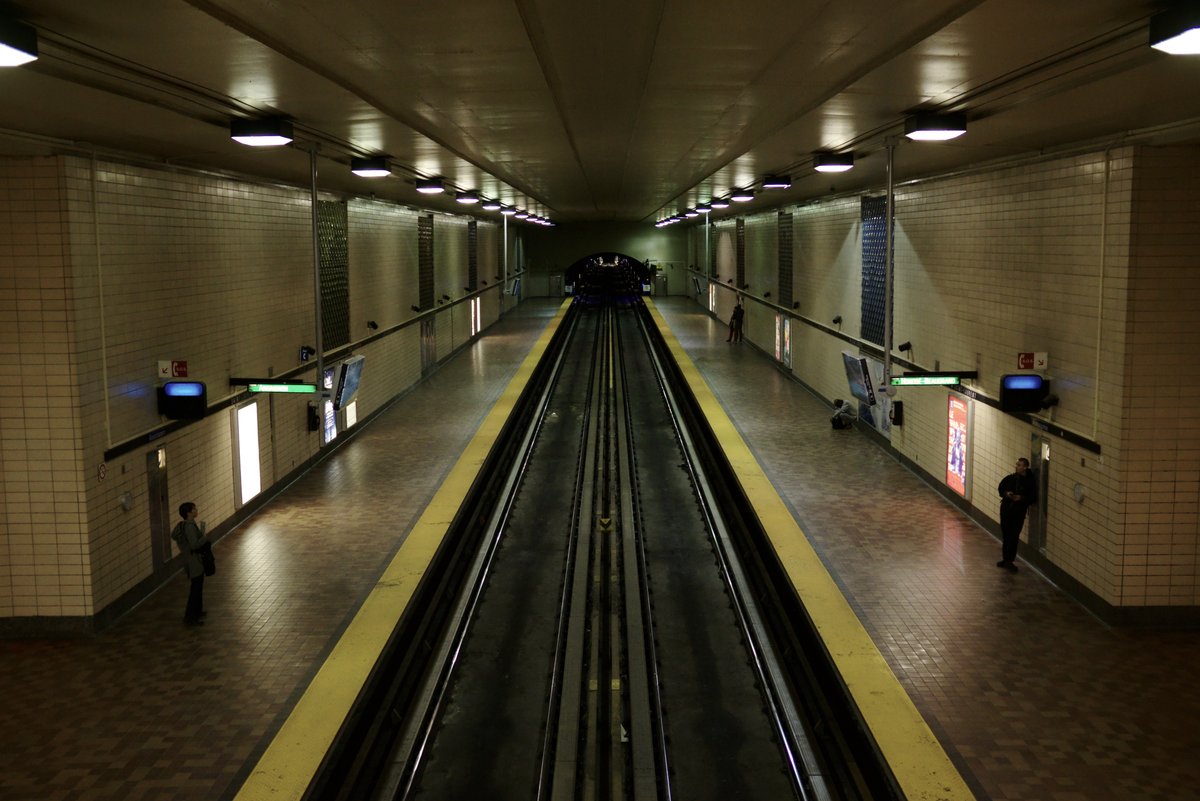
Public transit is recommended due to limited parking. The Berri-UQAM metro station is a short walk away, and the area is pedestrian and cyclist-friendly.
Cultural and Community Engagement
The Saint-Sulpice Library fosters digital literacy, creative expression, and community participation through partnerships with local schools, artist residencies, rotating exhibitions, and workshops. Its ongoing transformation into a creative hub for youth and artists is part of a city-wide initiative to promote inclusive, innovative cultural spaces (Heritage Montreal, The Main, EVOQ Architecture).
Frequently Asked Questions (FAQ)
Q: Is there an entrance fee?
A: General admission is free. Some tours or events may require tickets or registration.
Q: What are the current visiting hours?
A: Typically Tuesday to Sunday, 10:00 AM–5:00 PM. Verify on the official website.
Q: Is the library accessible?
A: Yes, with ramps, elevators, and accessible restrooms.
Q: Can I take photos inside?
A: Non-flash photography is permitted in public areas.
Q: Are guided tours available?
A: Yes, and they can be booked through the official site.
Q: Can families and children visit?
A: Yes. While programming focuses on teens, families are welcome and some events suit younger children.
Q: Are pets allowed?
A: Only service animals are permitted.
Planning Your Visit
- Best Time Weekday mornings are quieter; the library is busier during school holidays and special events.
- Language French is primary, but English assistance is available.
- Safety The library is monitored and staff are available to help.
For the latest on hours, tickets, and programming, visit the official website or contact the library directly.