

What Cadillac Is
Cadillac is a neighborhood in Montreal’s Mercier–Hochelaga-Maisonneuve borough. Its history reflects the city’s growth from rural outskirts into a diverse, multicultural community. Classic Cadillac vehicles offer another perspective on Montreal’s heritage and have become symbols of aspiration and achievement, particularly within Black Canadian culture. This guide covers the neighborhood, its history, and practical information about visits and classic Cadillac tours (Exploring Cadillac, Montreal: History, Culture, and Visitor Information).
History and Cultural Significance
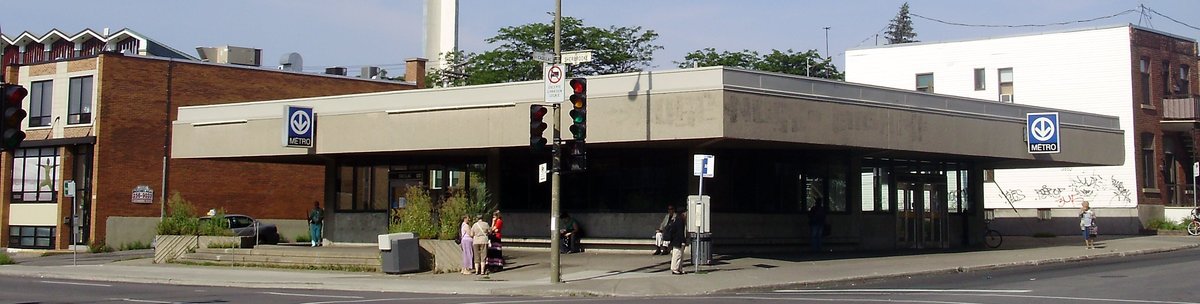
Cadillac takes its name from the nearby metro station, which honours Antoine Laumet de La Mothe, sieur de Cadillac, the French explorer who founded Detroit. The area was originally farmland on Montreal’s eastern edge. Its transformation began in the late 19th and early 20th centuries as the city expanded eastward.
The rise of streetcar lines and the opening of Cadillac metro station in 1976 made the area more accessible, attracting working- and middle-class families. Its architecture ranges from early brick duplexes to postwar bungalows and modern condos.
Once predominantly French-Canadian, Cadillac is now a multicultural hub shaped by Italian, Greek, North African, and Haitian communities. The neighborhood’s diversity is reflected in its schools, faith institutions such as Église Saint-François-d’Assise, and varied businesses.
Community archives, oral histories, and cultural programming help preserve Cadillac’s heritage. The neighborhood’s evolution continues to mirror Montreal’s wider social and cultural transformation.
Classic Cadillac tours combine nostalgia, storytelling, and sightseeing. They also highlight the cars’ symbolic meaning in Black North American culture as emblems of achievement and resilience (Automotive Addicts).
What to See and Experience
Parks, schools, and churches are central to neighborhood social life, serving as gathering places for recreation and community events. Notable parks include Parc Pierre-Bédard and Parc de l’Assomption.
Walking tours of the borough sometimes include Cadillac, but there are no dedicated tours of the neighborhood itself. Seasonal happenings include farmers’ markets and cultural festivals.
Classic Cadillac convertible tours offer a way to see Montreal’s historic districts. Routes may include Old Montreal, Notre-Dame Basilica, Place Jacques-Cartier, the Lachine Canal, Le Plateau’s murals, and scenic waterfront drives. Guides share historical anecdotes and local recommendations; personalized stops and group photos are encouraged.
Photography is encouraged, with opportunities to photograph vintage cars, murals, and historic sites. Suggested hashtags include #CadillacMontreal and #VintageMontreal.
Practical Visiting Information
Getting There and Neighborhood Access
Cadillac is accessible via the Green Line’s Cadillac metro station. Bus routes and major roadways, including Sherbrooke Street East and Highway 25, provide additional transit options.
The neighborhood is open to visitors at all times, with no admission ticket or fixed visiting hours. Parks and public spaces are accessible year-round; churches and community centers have their own regular opening times.
Interactive maps and virtual tours are available on Montreal’s official tourism website. The site also provides event schedules and ticketing details for attractions and festivals in the wider Mercier–Hochelaga-Maisonneuve borough, including its markets and museums.
Classic Cadillac Tour Hours, Tickets, and Meeting Point
- Tour hours Typically 9:00 AM–7:00 PM; seasonal variations apply.
- Booking Reserve online through Throwback Tours or Viator.
- Prices Around CAD $250–$350 per two-hour private group tour; shared options start at approximately CAD $90 per person.
- Cancellation Most operators offer full refunds with 24-hour notice.
- Meeting point Most tours depart from 350 Rue Saint-Paul E, in front of Bonsecours Market. The meeting point can be reached by public transit via Champ-de-Mars metro, taxi, or rideshare.
Tours use a classic convertible Cadillac with capacity for up to four passengers.
Accessibility and Comfort
Tours are not wheelchair accessible. Guests with limited mobility should contact providers in advance. Tours are family-friendly, but booster seats are not provided. The tours are open-roofed, and Montreal’s weather is changeable, so dress in layers.
Tips
- Book Cadillac tours in advance, especially during festival seasons.
- Check local event listings for community gatherings.
- Bring weather-appropriate attire and arrive early for tours.
- Use resources such as the Audiala app for guided experiences and real-time updates.
- Support local businesses and practise respectful tourism.
Nearby Places
Local favorites recommended by guides for post-tour meals include BALBOA (Italian, Old Montreal) and Labo Culinaire (contemporary cuisine with city views).
Frequently Asked Questions (FAQs)
Q: Are there dedicated visiting hours for the Cadillac neighborhood?
A: No. The neighborhood is accessible at all times; individual sites, including parks and churches, have their own hours.
Q: How can I book Cadillac tours in Montreal?
A: Reserve online through Throwback Tours or Viator.
Q: Are Cadillac tours family-friendly?
A: Yes, but booster seats are not provided.
Q: Can Cadillac tours include stops at major historical sites?
A: Yes. Most tours feature Old Montreal, Notre-Dame Basilica, and Le Plateau.
Q: Is photography allowed?
A: Yes. Photography is encouraged on tours.