
Historical Background and Urban Development
Early History and the Legacy of Simon McTavish
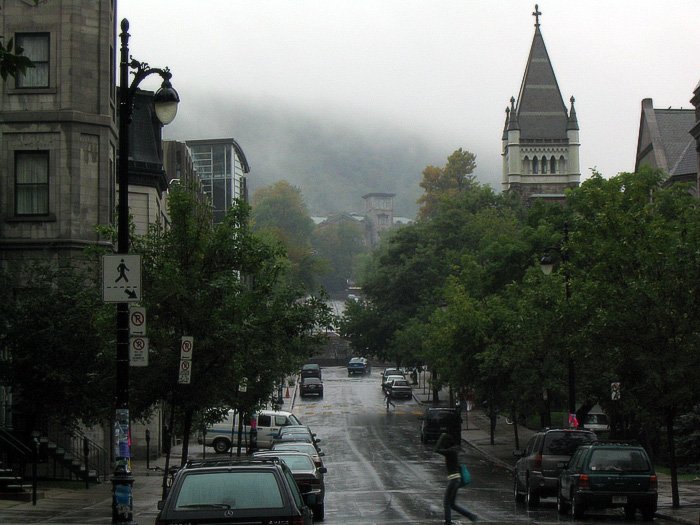
McTavish Street derives its name from Simon McTavish, a Scottish-Canadian fur trader and one of the founders of the North West Company in the late 18th century. McTavish's estate, built in 1796 at the base of Mount Royal, became an early landmark, enveloped in local legends and ghost stories after his death (Wikipedia). The street’s existence marks the city’s mercantile and colonial roots, with its development reflecting Montreal’s growth from an outpost to a leading urban center.
The Golden Square Mile and Urban Transformation
In the 19th century, McTavish Street became part of the prestigious Golden Square Mile, a district known for its grand mansions built by the anglophone elite. The area evolved from rural orchards to an affluent urban neighborhood, with the growth of McGill University—founded through the philanthropy of James McGill—cementing the street’s educational and cultural significance.
Architectural Heritage and Notable Buildings
McTavish Street is lined with an impressive mix of heritage architecture and modern facilities. Noteworthy sites include:
- Duggan House (Braehead) Built in 1861 atop the original McTavish mansion site, it is one of McGill’s oldest buildings, featuring English Gothic Revival elements.
- Allan Memorial Institute (Ravenscrag) A Victorian mansion famed for its opulence and historical intrigue.
- McGill University Landmarks Morrice Hall and Redpath Hall are distinguished examples of 19th-century institutional architecture.
- Lady Meredith House A stately example of the Golden Square Mile’s residential grandeur (Golden Montreal).
Visiting McTavish Street: Hours, Accessibility, and Directions
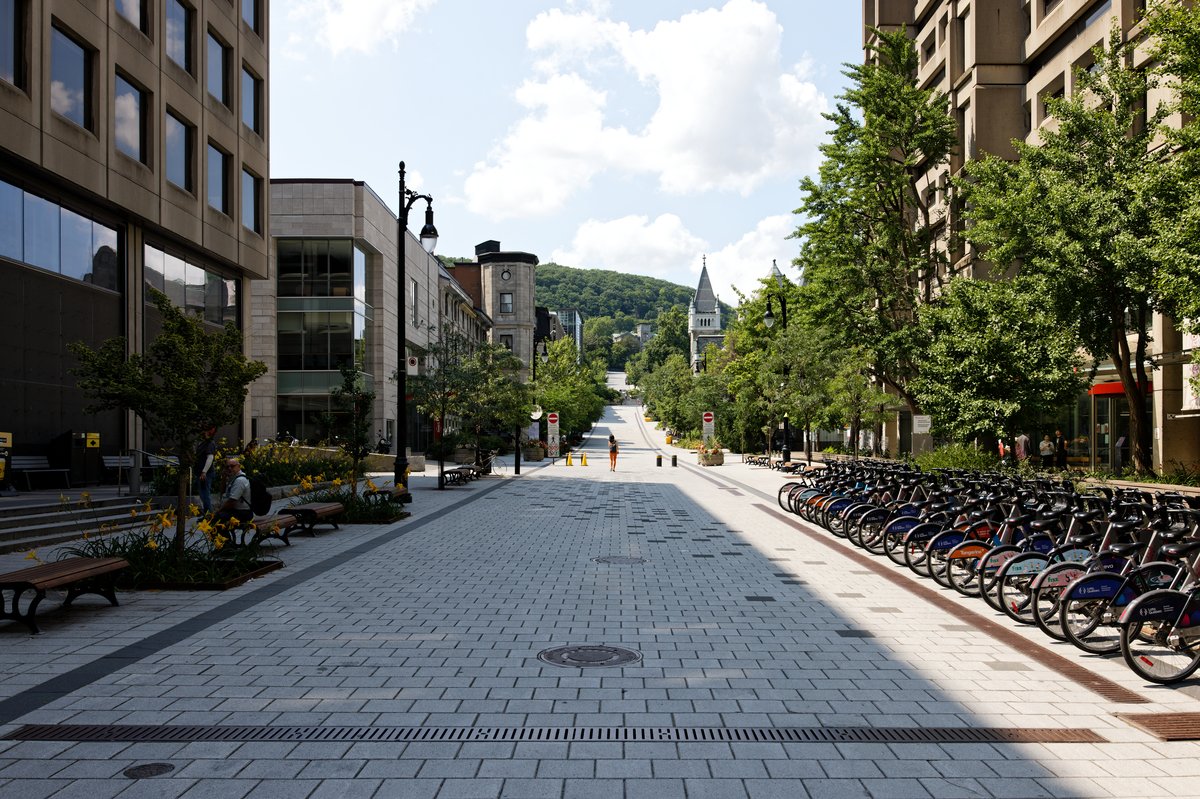
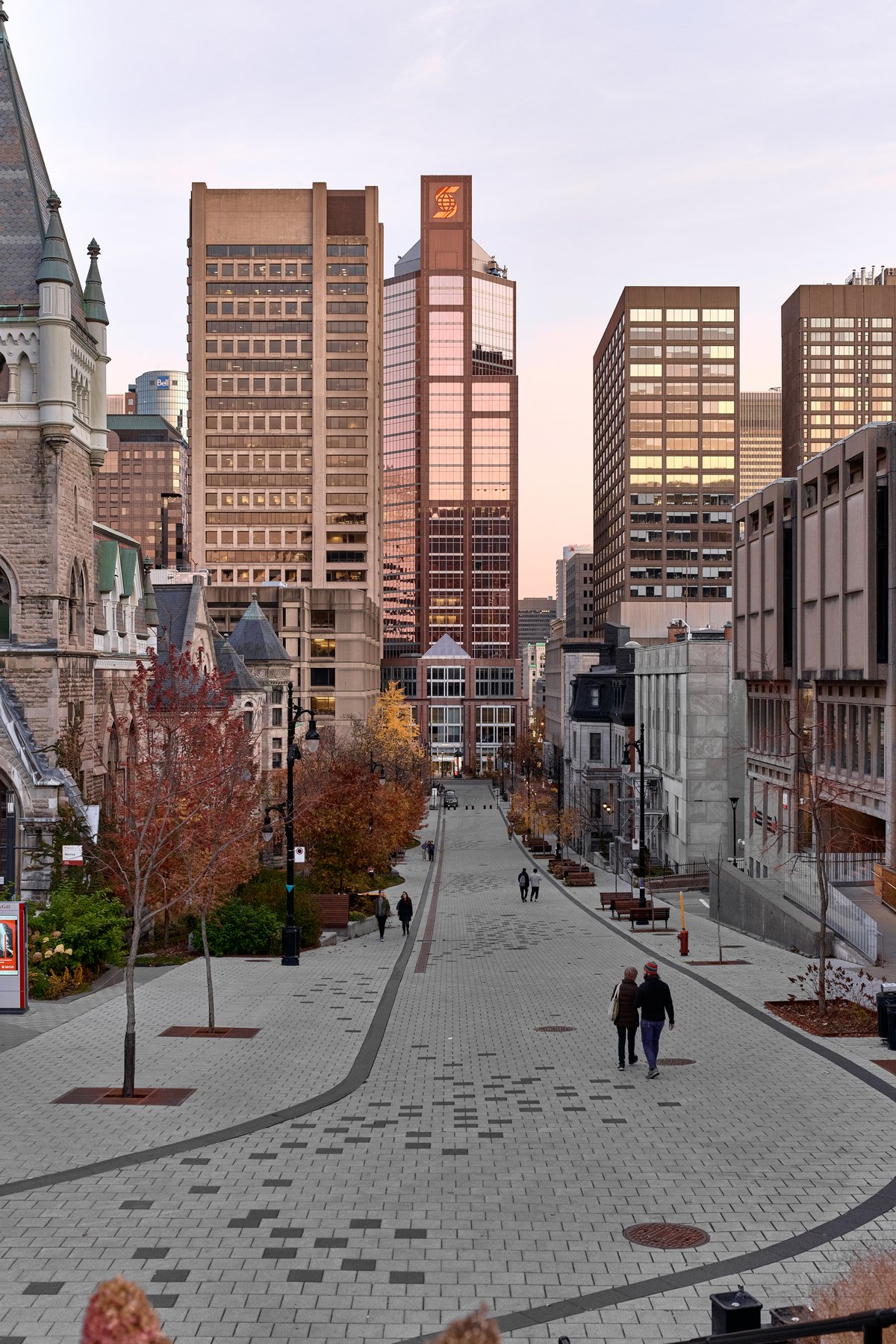
- Hours McTavish Street is a public space, open 24/7 year-round. The pedestrianized section, between Sherbrooke Street and Doctor Penfield Avenue, is especially active from May to September, typically car-free from 10 a.m. to 10 p.m.
- Tickets No admission is required for McTavish Street itself. Select attractions (e.g., McGill museums, heritage tours) may charge separate fees.
- Accessibility The street and its pedestrian sections offer ramps, smooth pavements, and seating. Some historic buildings may be less accessible due to their age.
- Directions The nearest metro station is McGill (Green Line). Several bus routes serve the area, and BIXI bike stations are available nearby. Driving is not recommended due to limited parking and pedestrianization (Montreal Public Transportation Guide).
Visitor Experience: Tours, Photography, and Events
- Guided Tours Local tour operators and McGill’s Heritage Center offer historical and architectural walking tours—consult their websites for current schedules.
- Photography Iconic photo spots include Duggan House with Mount Royal’s backdrop, the Roddick Gates, and the vibrant pedestrian zone.
- Seasonal Activities Outdoor events, festivals, and markets enliven the street in summer. Mount Royal Park, at the street’s north end, offers year-round recreation including hiking and winter sports (Mount Royal Park Info).
Urban Infrastructure and Sustainability
The pedestrianization of McTavish Street, launched in 2010, is part of Montreal’s “Greening the Lower Campus” initiative and the Promenade Fleuve-Montagne urban trail. This project enhances walkability, urban biodiversity, and community engagement, aligning with the city’s 2050 urban mobility plan to expand green corridors and sustainable transit (CityNews Montreal). The street also borders the McTavish Reservoir, an integral part of the city’s water infrastructure (Montreal.ca).
Cultural and Community Significance
McTavish Street serves as a canvas for Montreal’s public art, including “Le Joyau royal et le Mile doré” by Philippe Allard and Justin Duchesneau (MTL.org). Its proximity to major institutions—Redpath Museum, McCord Stewart Museum, and McGill University—establishes it as a focal point for cultural exchange. The street regularly hosts festivals, open-air concerts, and student fairs, and is integral to city-wide events such as Les Journées de la culture (MTL.org).
Connectivity and Accessibility
McTavish Street’s central location ensures easy access to Montreal’s major attractions, including Mount Royal Park, Old Montreal, and the downtown shopping district. The Promenade Fleuve-Montagne trail connects McTavish Street with the St. Lawrence River and the summit of Mount Royal, offering interpretive panels and scenic walks (Secret Attractions). The area is fully walkable and supports accessibility for visitors with disabilities.
Frequently Asked Questions (FAQ)
Q: Do I need tickets to visit McTavish Street?
A: No, the street is free and open to the public.
Q: Is the street accessible for people with disabilities?
A: Yes, the pedestrian zone is wheelchair-friendly, although some inclines are steep and certain historic buildings may have limited access.
Q: Are there guided tours available?
A: Yes, both McGill University and independent operators offer heritage and architectural tours.
Q: What are the best nearby attractions?
A: Mount Royal Park, the Redpath Museum, and McGill University campus are all within easy reach.
Q: When is the pedestrian zone active?
A: Typically from May to September, daily from 10 a.m. to 10 p.m.