
Early Origins and Colonial Foundations
L’Île-Bizard’s roots trace back to New France. Granted as a seigneury to Jacques Bizard by Governor Frontenac in 1678, the island became a foundational site for European settlement on Montreal's West Island (Wikipedia). Actual settlement began in 1735 when Bizard’s daughter, Louise, issued the first land concessions to colonists (Société patrimoine et histoire de l'île Bizard). The seigneurial system fostered a rural, close-knit community that would persist for centuries.
Agricultural Heritage and Development
For much of its history, L’Île-Bizard was a rural community dominated by subsistence and market gardening. In the 19th and early 20th centuries, its fertile soils earned it the nickname “the garden of Montreal,” with local farmers supplying fresh produce to the burgeoning city (Wikipedia). Infrastructure improvements, like the construction of the first bridge in 1893, enabled easier transport of goods to Montreal and solidified its role as a crucial supplier for the urban population (Société patrimoine et histoire de l'île Bizard).
Transition to Recreation and Urbanization
The late 1950s marked a pivotal change as farmland gave way to recreation and residential development. The establishment of major golf courses—most notably the Royal Montreal Golf Club in 1959—spurred suburbanization and shifted the island’s identity from agricultural to recreational (Global News). Population growth surged, aided by improved road connections and increased accessibility.
Municipal Evolution and Connectivity
L’Île-Bizard’s administrative status changed significantly in the 21st century. The 2002 municipal mergers incorporated it into the city of Montreal as part of the borough of L’Île-Bizard–Sainte-Geneviève (Come Explore Canada). The Jacques Bizard Bridge, first built in 1966, remains the island’s only vehicular link to the mainland. Ongoing construction of a new bridge, designed to serve 30,000 vehicles daily and improve pedestrian and cyclist access, highlights the community’s growth and commitment to connectivity (montreal.ca).
Cultural and Community Life
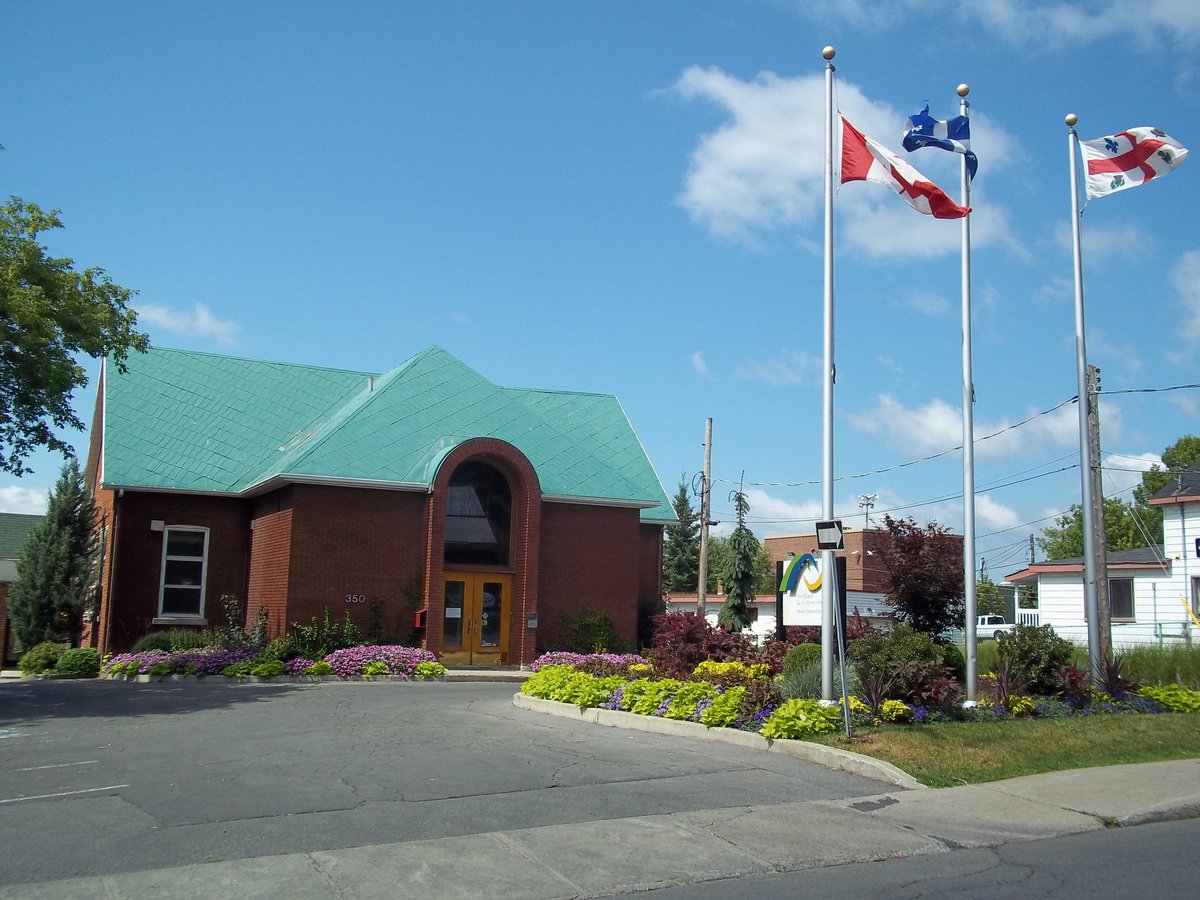
L’Île-Bizard’s culture is a vibrant mix of French-Canadian heritage and contemporary suburban living. Strong community bonds are evident in its family-friendly neighborhoods, annual festivals, and active preservation of green spaces (montreal.ca). The island is also known for its multiculturalism, with a diverse population and bilingual character (Wikipedia).
Local schools, community centers, and organizations like the Société patrimoine et histoire de l’île Bizard et Sainte-Geneviève play an active role in maintaining the island’s social fabric and historical awareness (Société patrimoine et histoire de l'île Bizard).
Visitor Information: Hours, Tickets, Accessibility
Bois-de-l’Île-Bizard Nature Park
- Hours Open year-round, typically 7:00 AM – 9:00 PM (check official site for seasonal variations).
- Tickets Free admission.
- Accessibility Wheelchair-accessible trails, parking, restrooms, and picnic areas.
Golf Courses
- Royal Montreal Golf Club Access by membership or event ticket; official website.
- Other Clubs Tee times and lessons must be booked in advance.
Transportation
- By Car Access via Jacques Bizard Bridge; ample parking near parks and attractions.
- Public Transit STM bus routes 207 and 407 connect the island to Montreal.
- Ferry Seasonal service from Laval-sur-le-Lac (summer only).
- Cycling Dedicated bike paths and flat terrain make cycling ideal.
Top Attractions and Activities
Bois-de-l’Île-Bizard Nature Park
- Over 200 hectares of wetlands, forests, and meadows.
- Activities: Hiking, cycling, birdwatching (over 200 species), cross-country skiing and snowshoeing in winter.
- Features: Boardwalks, observation towers, picnic areas, and accessible paths.
- More info
Water Activities
- Kayaking, canoeing, paddleboarding on Rivière des Prairies and Lac des Deux Montagnes.
- Fishing for bass and pike.
Cycling
- Scenic island loop with bike-friendly roads and dedicated paths.
- Annual Tour de l’Île cycling event in June (event info).
Heritage Sites
- Historic Sainte-Geneviève village and Église Sainte-Geneviève de Montréal.
- Jacques-Bizard Bridge: A gateway with panoramic river views.
Golf
- Royal Montreal Golf Club (oldest in North America), Golf Saint-Raphaël, Elm Ridge Country Club.
Community Events
- Summer festivals, local fairs, and farmers’ markets.
- Winter activities: Groomed trails for skiing and snowshoeing.
Heritage and Preservation
Heritage preservation is central to L’Île-Bizard’s identity. Community-led initiatives and the “Paysage humanisé” project aim to protect rural landscapes and historical buildings (montreal.ca). The Société patrimoine et histoire de l’île Bizard et Sainte-Geneviève documents local history and fosters cultural continuity (Société patrimoine et histoire de l'île Bizard). The population stands at just over 14,000, sustaining a balance between growth and preservation (Come Explore Canada).
Frequently Asked Questions (FAQ)
Q: What are the visiting hours for Bois-de-l’Île-Bizard Nature Park?
A: The park is open year-round, generally 7:00 AM – 9:00 PM. Check the official site for updates.
Q: Is there an entrance fee?
A: Admission to parks and most outdoor attractions is free.
Q: How do I get to L’Île-Bizard by public transport?
A: STM bus routes 207 and 407 connect the island to Montreal’s metro. A seasonal ferry operates in summer from Laval-sur-le-Lac.
Q: Are guided tours available?
A: Some organizations offer heritage and nature tours. Check community websites for schedules.
Q: Is the island accessible for visitors with disabilities?
A: Yes, key sites like the nature park have accessible trails and facilities.
Q: Are pets allowed?
A: Dogs are allowed in most parks but must remain leashed.