Early Origins and Urbanization
Côte-Sainte-Catherine originated as an agricultural route along Mount Royal, serving early settlers and farmers. The street’s naming—“côte” meaning hillside—reflects New France’s traditions of identifying roads by their topographical features (Wikipedia). Urbanization accelerated in the 19th century, particularly after Outremont’s incorporation in 1875, making Côte-Sainte-Catherine a central artery for governance, community, and residential development. Many heritage homes and religious sites from this era remain protected landmarks (imtl.org).
20th Century Institutional Growth
The early 20th century saw the rise of major institutions. The Jewish General Hospital (1934) and Sainte-Justine University Hospital Center became anchors for healthcare and diversity. During this period, Côte-Sainte-Catherine briefly carried the name Boulevard Sainte-Marie, but the original was restored due to its deep community roots (Wikipedia).
Cultural and Educational Expansion
With the establishment of Collège Jean-de-Brébeuf in 1928 and the Montreal Holocaust Museum in 1979, the area emerged as a center of intellectual and cultural life. The Museum, in particular, stands as a poignant site for remembrance and education, drawing visitors from around the globe.
Architectural and Urban Landscape
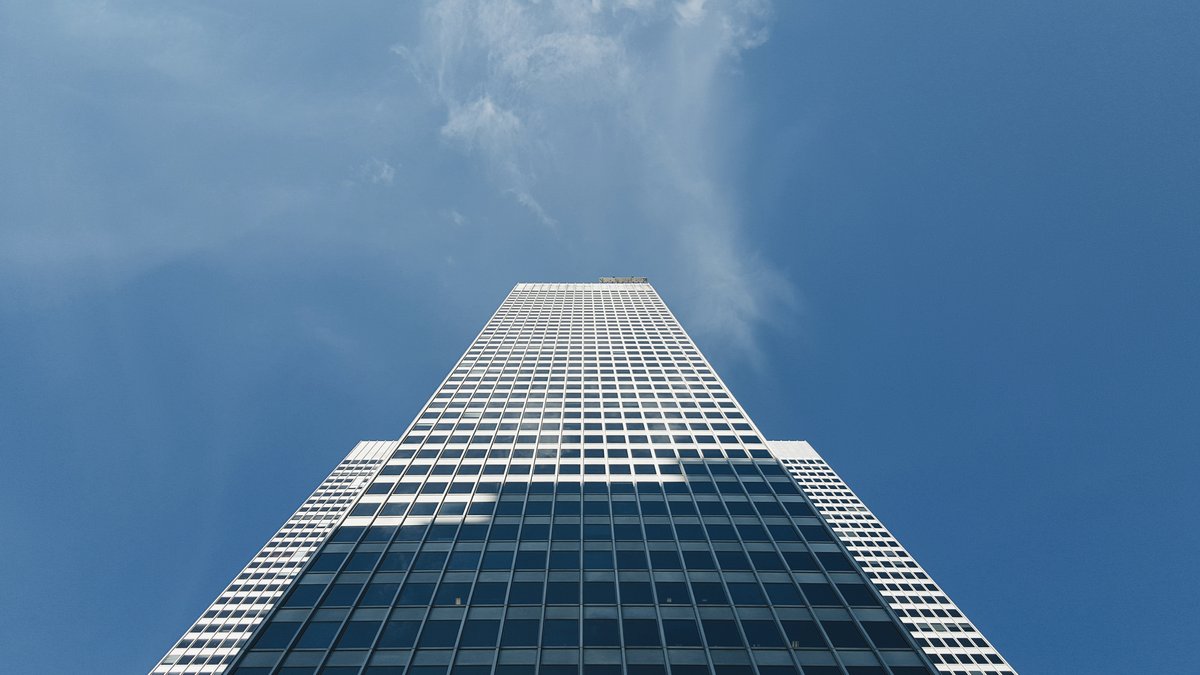
Côte-Sainte-Catherine’s streetscape is a living archive of Montreal’s architectural evolution: historic mansions, Art Deco hospital buildings, modern university complexes, and vibrant apartment blocks. Green spaces like Beaubien Park and the slopes of Mount Royal offer picturesque settings for locals and tourists alike (imtl.org).
Cultural Mosaic and Community Life
Home to significant Jewish institutions and a tapestry of immigrant communities, Côte-Sainte-Catherine is a microcosm of Montreal’s multicultural identity. Synagogues, kosher bakeries, and community centers coexist with restaurants and shops representing dozens of cultures. Annual events like the Côte-des-Neiges Multicultural Festival and Jewish holiday celebrations foster a unique sense of belonging (mtl.org; montrealcentreville.ca).
Local organizations provide social services, language classes, and food assistance, affirming the area’s commitment to inclusivity (montreal.ca).
Visitor Information
Hours, Tickets, and Accessibility
Montreal Holocaust Museum
- Hours: Mon–Thu 10:00–17:00, Fri 10:00–16:00, Sun 10:00–16:00. Closed Sat, Jewish holidays, and select statutory holidays (museeholocauste.ca).
- Tickets: Standard rates; free for select groups. Book online in advance (Museum ticketing).
- Accessibility: Wheelchair accessible with ramp and elevator; sensory map and bilingual exhibits available.
Segal Centre for Performing Arts
- Hours: Vary by event; check Segal Centre schedule.
- Tickets: Purchase in advance for popular shows. Free parking for subscribers, $15 for others (Segal Centre parking info).
HEC Montréal (Côte-Sainte-Catherine Building)
- Hours: Mon–Thu 7:00–23:30, Fri–Sun 7:00–22:30 (HEC hours).
Parks & Outdoor Spaces
- Open daily from dawn to dusk, no admission fee.
Getting There: Transit, Biking, Parking
- Metro Côte-Sainte-Catherine station (Orange Line), open 5:30–1:00/1:30 (STM).
- Bus Lines 129, 17, 51. Check STM schedules.
- Biking BIXI stations at Snowdon metro and Beaucourt/Côte-Ste-Catherine (BIXI). Dedicated bike lanes.
- Car Paid and street parking available, but limited during peak times. Construction around HEC Montréal may affect access (2025–2027) (HEC notice).
Key Attractions
- Montreal Holocaust Museum Thought-provoking exhibits and guided tours (museeholocauste.ca).
- Segal Centre for Performing Arts Theatre, music, and dance in a modern venue (Segal Centre).
- Jewish General Hospital Notable for its Art Deco façade and multicultural legacy (jgh.ca).
- HEC Montréal Renowned business school and architectural landmark.
- Nearby
- Mount Royal Park: For hiking, picnics, and panoramic views (mtl.org).
- Saint Joseph’s Oratory: Canada’s largest church and pilgrimage site (saint-joseph.org).
- Université de Montréal: Art Deco campus, public lectures, and cultural events (umontreal.ca).
- Outremont Theatre: Art Deco venue for concerts and films (theatreoutremont.ca).
Festivals & Events
- Côte-des-Neiges Multicultural Festival Summer celebration of music, dance, and world cuisine (montreal.ca).
- Montreal International Jazz Festival Accessible from the area (mtlblog.com).
- Jewish Holidays Public celebrations and markets enrich the local calendar.
- Seasonal Farmers’ Markets and Art Shows Held in local parks and community centers.
Safety & Practical Tips
- Safety Côte-Sainte-Catherine is considered one of Montreal’s safest neighborhoods (CSI 63.2, 2023) (nesto.ca).
- Language French is primary, but English is widely spoken in tourist areas.
- Weather Dress for variable Montreal weather, especially in spring and fall.
- Accessibility Most sites accommodate visitors with reduced mobility; check with individual venues for specifics.
- Photography Allowed in public spaces, but check museum/theatre policies.
Frequently Asked Questions (FAQs)
Q: How do I get tickets for the Montreal Holocaust Museum?
A: Book online via the official website.
Q: What are the best times to visit?
A: Weekday mornings are quieter. Avoid Jewish holidays for the Museum.
Q: Is parking available?
A: Free street parking surrounds the Museum (subject to restrictions); Segal Centre has paid parking.
Q: Are guided tours offered?
A: Yes, at the Montreal Holocaust Museum and through local tour operators. Advance booking recommended.
Q: Is the area family-friendly?
A: Absolutely—parks, community events, and safe streets make it ideal for families.
Q: Are the attractions wheelchair accessible?
A: Most major sites are accessible. For historic buildings, check accessibility before visiting.