Early Development and Historical Context
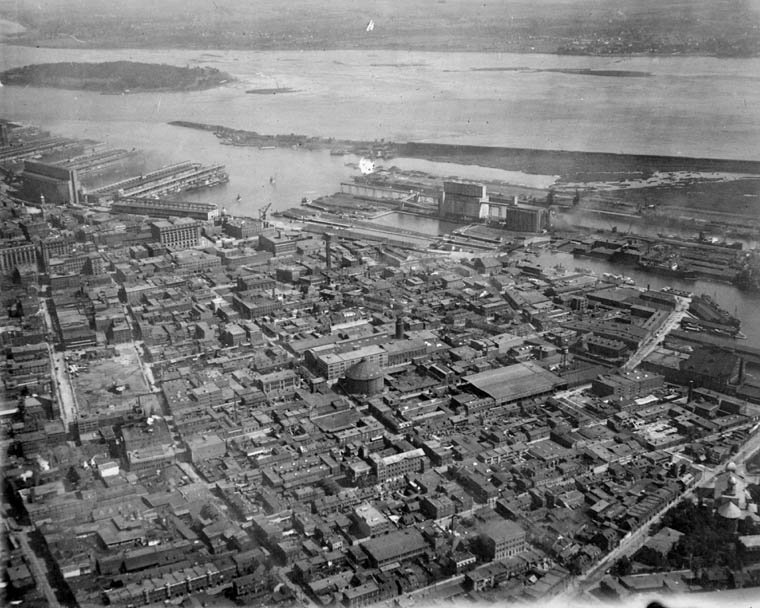
Fabre’s origins lie in Montreal’s urban expansion, particularly between 1901 and 1911, when the city’s population surged due to immigration from Europe and rural Quebec (Cult MTL). The neighborhood offered affordable housing and jobs near industrial centers, attracting a diverse population. As the city grew northward, its street grid, including Rue Fabre, developed alongside it.
Architectural Heritage and Urban Fabric
Fabre’s characteristic triplexes, with brick facades and exterior staircases, reflect both practical needs and local style (Architecture List). At 5262 Rue Fabre, the renovation of Triplex Fabre balances daylight, open spaces, and modern amenities with historical design (Architecture List). The neighborhood is close to Laurier Park and the Laurier-Est commercial sector, where residential character meets local commerce. The adaptive reuse of heritage buildings maintains Fabre’s distinct character and connects it to Montreal’s broader architectural story (mapliv.com).
Demographic and Cultural Evolution
Fabre’s demographic profile reflects Montreal’s multicultural identity. Initially home to French-Canadian families, the neighborhood has welcomed immigrants from Europe, the Middle East, and beyond. French is the primary language, English is widely spoken, and other languages are also present (Lonely Planet). Murals, diverse cafes, and active community life contribute to the neighborhood’s street culture (Secret Attractions).
Notable Landmarks, Visiting Hours, and Tickets
- Parc Laurier Open daily from 6 AM to 11 PM. Free admission.
- Parc Jarry Open from dawn to dusk. Free entry; tickets are required for special events.
- Avenue Laurier Est and Rue Saint-Denis Offer year-round dining, shopping, and cultural experiences. No tickets are required.
- Jean-Talon Market Open year-round, typically from 7 AM to 6 PM. Free admission; tickets are required for select events.
Exploring Fabre’s public spaces is generally free. Some nearby museums, cultural venues, and guided tours may charge admission; check their official websites for details.
Accessibility and Travel Tips
- Transit Fabre is served by Fabre Station on the Montreal Metro’s Blue Line and by multiple STM bus routes. The Metro operates from approximately 5:30 AM to 1:00 AM (STM Info).
- Accessibility Fabre Station currently lacks elevator access and is not fully accessible. Most buses and outdoor sites such as parks are wheelchair accessible. Exterior paths at the monument offer moderate accessibility; plan ahead using STM’s accessibility resources.
- Biking BIXI stations are widely available, and bikes are permitted on transit during off-peak hours.
- Best time to visit Late spring to early fall offers the most outdoor events and pleasant weather.
Special Events and Guided Tours
Fabre and the surrounding Plateau Mont-Royal area host festivals, art walks, and cultural events throughout the year. Local operators offer guided tours focused on history, architecture, and street art; advance registration is often required. Community centers and local tourism sites provide up-to-date schedules.
Occasional guided walking tours include the Fabre Monument. Community events and heritage days may also feature activities at the site.
Visitor Tips: Exploring Fabre’s Historical Layers
- Explore Fabre’s architecture, murals, and cafes on foot or by bike.
- Engage with residents and join community events to learn more about the neighborhood.
- Try multicultural eateries and local bakeries; reservations are recommended for popular spots.
- Use basic French greetings; English is widely understood.
Fabre Monument: History, Access, and Nearby Attractions
The Fabre Monument, located in Villeray–Saint-Michel–Parc-Extension, honors Monsignor Édouard-Charles Fabre, Montreal’s first archbishop and a transformative civic figure. The early 20th-century monument symbolizes the city’s spiritual and social evolution.
The monument and park are open year-round, 24 hours a day, with free admission and no tickets required. Daytime visits are recommended for safety and a better viewing experience.
Fabre Station on the Blue Line is the closest Metro stop (STM Info). Multiple STM routes serve the area, and night buses provide 24-hour access (Montreal Travel Blog). The station is not fully accessible. Buses and exterior monument paths offer moderate accessibility.
Nearby attractions include:
- Jean-Talon Market Local produce and food stalls.
- Little Italy Italian dining and cultural festivals.
- Parc Jarry A large park with sports facilities.
An OPUS card can be used for Metro, bus, and BIXI bike rentals. Dress according to the season, as the weather can change quickly. The Fabre and Metro area is generally safe; remain aware of your belongings.
Frequently Asked Questions (FAQ)
Q: What are Fabre’s visiting hours?
A: Fabre itself is accessible at all times. Parc Laurier is open from 6 AM to 11 PM, Parc Jarry from dawn to dusk, and the monument and park 24 hours a day.
Q: Are tickets required to explore Fabre?
A: Public spaces are free. Tickets may be required for special events, select market events, or admission to some museums and cultural venues.
Q: How do I get to Fabre?
A: Take the Blue Line Metro to Fabre Station or use STM buses.
Q: Is Fabre accessible for wheelchair users?
A: Public parks and most buses are accessible, but Fabre Metro Station is not fully accessible.
Q: Are guided tours available?
A: Local operators offer walking tours, often with advance registration.