Préfontaine, Montréal: Visiting Guide
Préfontaine is a neighborhood in Montréal’s Mercier–Hochelaga-Maisonneuve borough, known for its history, green spaces, cultural life and modern amenities. Located on the Green Line, it provides metro connections to destinations including Old Montréal, Olympic Park and the Montréal Botanical Garden. Its accessible transit, green initiatives and inclusive urban planning are also part of the area’s character (CultMTL; Biographi.ca; STM Official Site; Montreal Tourism Official Site; Projet Montréal; The Nature of Cities).
History
Long before European arrival, the area was a seasonal gathering and trading site for Indigenous peoples, including the Iroquois, Huron and Algonquin, who relied on the St. Lawrence River for resources, commerce and cultural exchange (CultMTL).
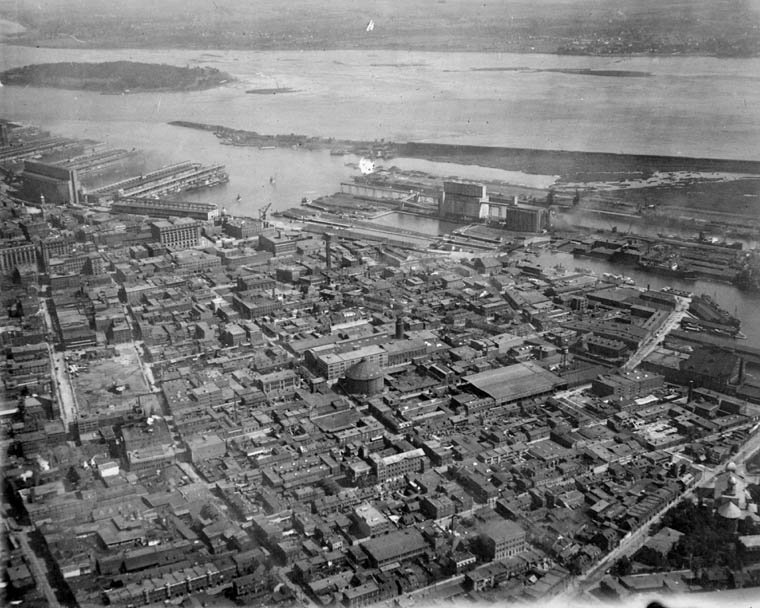
Montréal was founded as Ville-Marie in 1642, and its eastward expansion eventually incorporated present-day Préfontaine. Immigration and industrialization drove rapid growth in the late 19th and early 20th centuries, particularly after Hochelaga-Maisonneuve was annexed in 1883 (The Canadian Encyclopedia; Biographi.ca).
Raymond Préfontaine, a transformative mayor, helped modernize the area through infrastructure projects, street lighting and park development, shaping Hochelaga into a thriving urban district (Biographi.ca).
The Centre Raymond-Préfontaine was established following the 1885 smallpox epidemic and served as a public health institution for over a century (QLF Montreal History PDF).
Préfontaine Metro Station opened in 1976. Its natural light and integration with Parc Raymond-Préfontaine brought new connectivity and architectural innovation to the neighborhood (IMTL). The area also has early 20th-century architecture, including St. Mary’s Memorial Hall, as well as preserved residential and industrial buildings (Walk Montreal; CultMTL; QLF Montreal History PDF).
Once a working-class enclave, Préfontaine has developed into a diverse, multicultural community balancing tradition and urban development (Biographi.ca).
The neighborhood today
Préfontaine’s location near major thoroughfares and the Green Line, along with bus routes and cycling paths, supports connections to downtown and other neighborhoods (Projet Montréal). Parc Préfontaine is part of Montréal’s “quartiers verts” initiative, which aims to support urban biodiversity and active transportation (The Nature of Cities).
Community gardens, local markets and public spaces provide places for social interaction and cultural exchange. Local festivals and events include seasonal gatherings (Canadian Train Vacations). The mix of historic and modern housing serves a broad demographic, while residents take part in neighborhood planning and shaping urban solutions. Urban agriculture, local food markets and eco-friendly mobility contribute to Montréal’s sustainability agenda. The neighborhood continues to balance densification, heritage preservation and affordability.
What to see
Parc Raymond-Préfontaine
The park has playgrounds, walking and cycling paths, sports fields, gardens, public art and sculptures. It also hosts community events, including yoga, outdoor concerts and seasonal festivals.
Préfontaine Metro Station
Designed by Henri Brillon, the station is notable for its open-tunnel design and natural light. It features Relier by Catherine Sylvain, a work that integrates public art with transit. The station has elevators and step-free access, and 35 outdoor bike stands (STM Info; Wikipedia).
Historic architecture and local streets
St. Mary’s Memorial Hall is an architectural highlight, and historic facades can be seen along Rue Ontario Est. Promenade Ontario has cafés, shops and public art.
Practical visiting information
Hours, entry and tickets
- Préfontaine Metro Station One listed schedule is 5:30 AM–1:00 AM daily (STM Official Site). Another lists 5:30 AM–12:30 AM, with service until 1:30 AM on Saturdays; night buses operate after hours. The station follows Green Line hours.
- Station address 2900 Rue Ontario Est, Montreal, QC.
- Parc Préfontaine 6:00 AM–11:00 PM year-round; entry is free.
- Station entry There is no additional entry fee beyond the metro fare.
- Tickets Buy at station vending machines, online or through the OPUS card system. Listed fare options include single fares (CAD $3.50), day passes, student and senior discounts, and OPUS cards (STM Ticketing).
Transportation and accessibility
- Metro Préfontaine is on the Green Line, with service every 3–8 minutes (The Metro Rail Guy).
- Bus Multiple STM routes serve the area, with frequent service (Montreal Travel Blog).
- Bikes BIXI stations are nearby. Montréal has over 750 km of bike paths (MTL.org).
- Car Street parking is limited and listed at $3/hour; parking lots cost $9–$18/day.
- Accessibility The station has elevators, ramps and step-free access. The park is also described as offering elevators and step-free access.
Local dining and budgeting
Independent cafés and bistros around Préfontaine and Promenade Ontario serve Montréal bagels, poutine and local specialties (Dream Plan Experience). The currency is the Canadian dollar (CAD); credit and debit cards are accepted, though small amounts of cash are recommended. ATMs and banking services are widely available. Restaurant tipping is 15–20%. For emergencies, call 911.
Tips
- Wear comfortable shoes for exploring the historic streets.
- Spring and summer bring festivals and lush parks.
- Public transit and BIXI bikes are options for getting around.
- Photography spots include the light-filled metro station, the gardens and sculptures in Parc Raymond-Préfontaine, and historic facades along Rue Ontario Est.
Nearby places
| Attraction | Distance | Highlights |
|---|---|---|
| Parc Raymond-Préfontaine | On site | Urban park, events and playgrounds (STM Info) |
| Promenade Ontario | ~0.5 km | Cafés, shopping and public art |
| Marché Maisonneuve | ~1 km | Public market, local foods and architecture (Dream Plan Experience) |
| Parc Morgan | ~1.2 km | Gardens, playgrounds and relaxation |
| Olympic Park and Stadium | ~2 km | Sports, concerts and iconic architecture (Official Olympic Park Site) |
| Montréal Botanical Garden | ~2.5 km | Themed gardens and Insectarium (Botanical Garden Official Site) |
| Biodôme | ~2.5 km | Ecosystems and family activities (Biodome Official Site) |
Old Montréal, the Old Port and Notre-Dame Basilica are also accessible by metro, as is Parc La Fontaine.
Images and map
Entrance of Préfontaine Metro Station in Montreal
Green space and public art in Parc Raymond-Préfontaine
Historic early 20th-century building facade on Rue Ontario Est, Préfontaine
Interactive Map of Préfontaine and Surroundings
Frequently asked questions
What are the operating hours of Préfontaine Metro Station?
Schedules listed are 5:30 AM–1:00 AM daily and 5:30 AM–12:30 AM, with service until 1:30 AM on Saturdays. Night buses operate after hours.
Is Préfontaine accessible for people with disabilities?
The metro station has elevators and step-free access, and the park is also described as offering elevators and step-free access.
Are there entrance fees for Préfontaine or the park?
Park entry is free. Metro fares apply for transit.
Can I rent bikes nearby?
BIXI bike-sharing stations are available nearby.
What are some nearby attractions?
Marché Maisonneuve, Olympic Park, the Montréal Botanical Garden and other nearby sites are accessible from the neighborhood.