History and Urban Development
Early Origins and Colonial Foundations
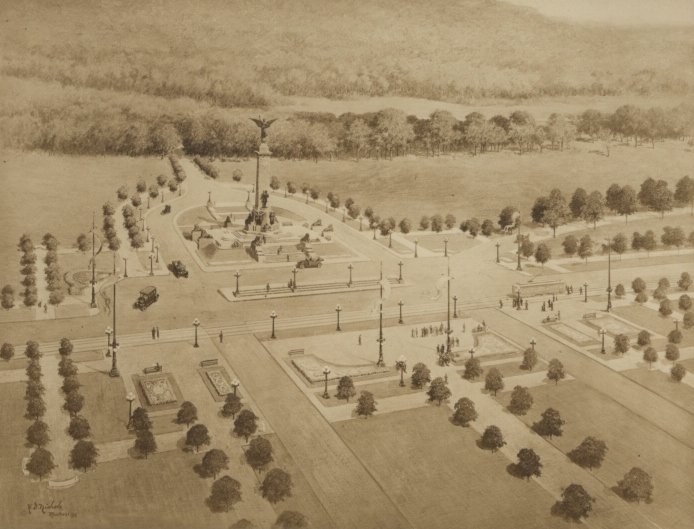
The roots of Saint-Michel trace back to the early 18th century, when “Montée Saint-Michel”—now Boulevard Saint-Michel—served as a crucial north–south axis, connecting agricultural lands to the city. Officially incorporated as Saint-Michel-de-Laval in 1912 and renamed Ville Saint-Michel in 1914, the area’s growth was spurred by the arrival of the tramway and subsequent suburban expansion. Characteristic “plex” apartment buildings and local commercial centers began to shape the architectural landscape.
Annexation and Modern Growth
Saint-Michel remained an independent municipality until its annexation to Montreal in 1968, a move that accelerated the extension of city services, public transit, and infrastructure. The postwar years brought a population boom and a surge in apartment construction, transforming Saint-Michel into a dense, urban neighborhood. Today, it forms a core part of the borough of Villeray–Saint-Michel–Parc-Extension.
Cultural Diversity and Community Life
Demographic Evolution
Saint-Michel is a microcosm of Montreal’s multiculturalism. Waves of immigration have established thriving Italian, Haitian, North African, Latin American, and Southeast Asian communities, each contributing to the neighborhood’s unique identity. As of the 2011 census, the broader Saint-Léonard—Saint-Michel electoral district had a population of over 108,000, with a rich blend of languages, faiths, and traditions.
French Heritage and Linguistic Identity
French is the dominant language and shapes daily life, education, and cultural programming (Nomadic Matt). The area’s Catholic roots are visible in historic churches and schools, but the growing presence of other faiths—Islam, Protestantism, Buddhism—reflects the evolving spiritual landscape (Remitly Blog).
Art, Festivals, and Culinary Traditions
Saint-Michel’s artistic vitality is evident in venues like TOHU – Cité des arts du cirque, which hosts the internationally acclaimed Montréal Complètement Cirque festival (MTL.org). Street murals, public art, and multicultural festivals—such as Carifiesta and Multicultural Days—enrich the public sphere.
Culinary diversity abounds, from Haitian griot and North African couscous to Vietnamese pho. Proximity to the Jean-Talon Market makes it a haven for food enthusiasts (Tourist Places Guide).
Community and Social Institutions
French-language schools, adult education centers, and multilingual libraries support newcomer integration and cultural preservation. Community organizations foster learning, creativity, and social engagement.
Visitor Information and Travel Tips
Transportation and Accessibility
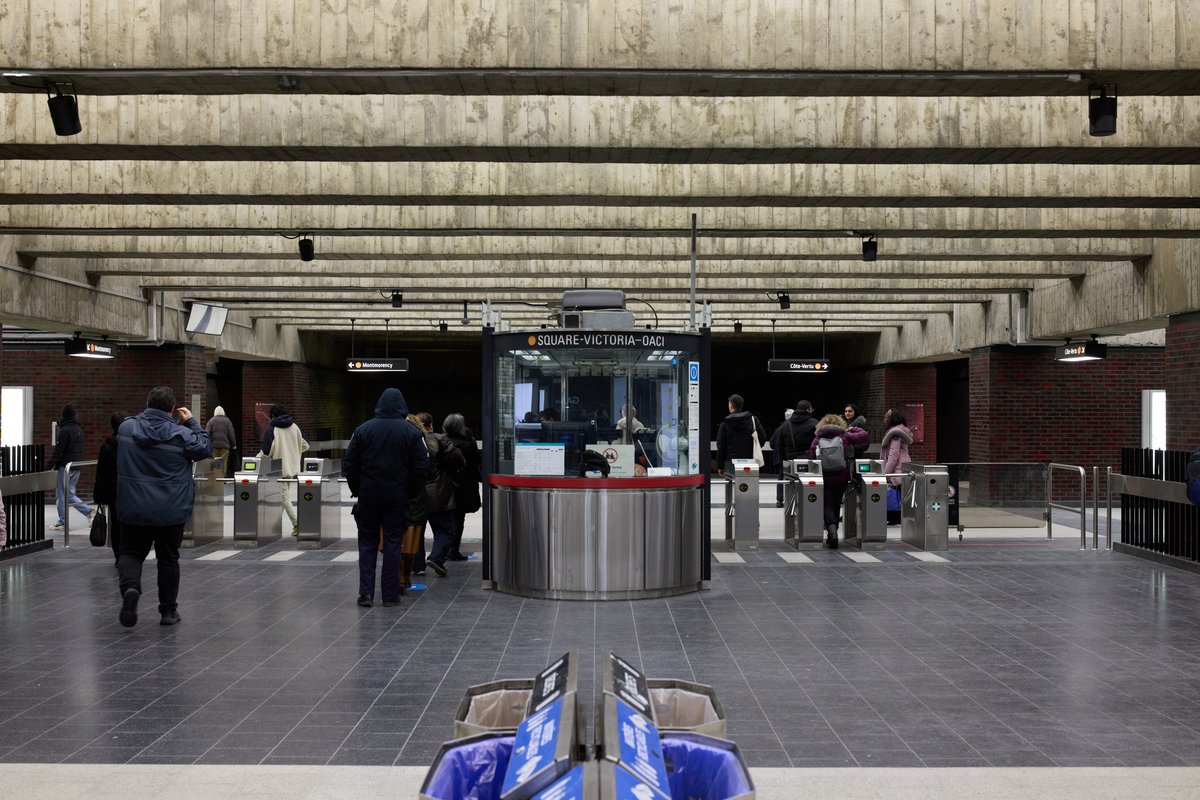
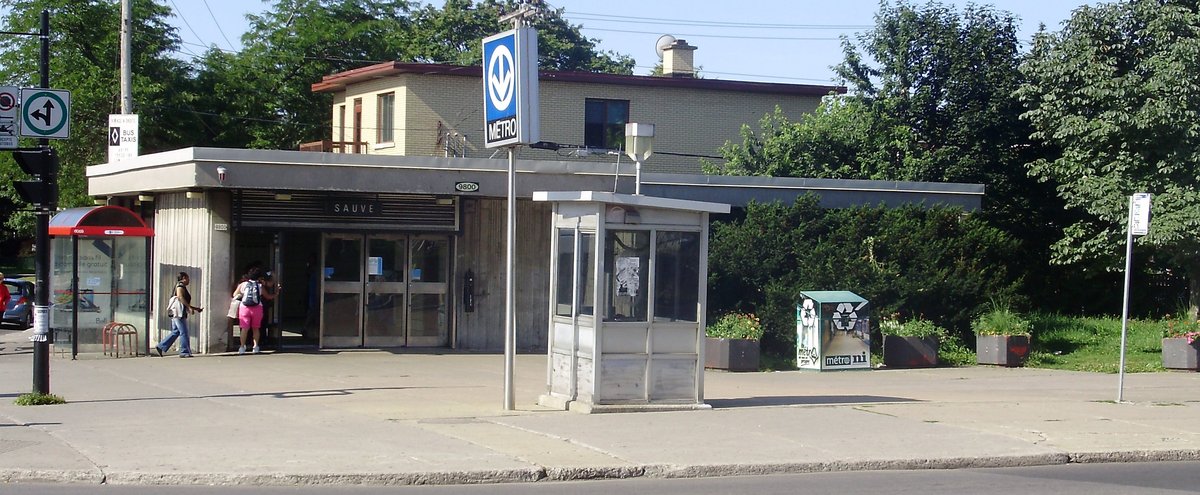
Saint-Michel is well-served by the Blue Line’s Saint-Michel metro station and multiple bus routes. BIXI bike-sharing stations and dedicated bike lanes provide eco-friendly travel options (Montreal Travel Blog). Public spaces and parks offer accessible paths and restrooms, and major venues like TOHU and CESM are wheelchair-friendly.
Visiting Hours and Admission
- Parks (e.g., Parc Frédéric-Back, Parc François-Perrault) Open daily from dawn to dusk; admission is free.
- TOHU – Cité des arts du cirque Open Tuesday–Sunday, 10 AM–6 PM. Event tickets vary; check the TOHU website for details.
- Marché aux Puces Saint-Michel Saturdays and Sundays, 9 AM–5 PM; free admission (The Main).
- Complexe environnemental de Saint-Michel (CESM) Open daily; free access.
Best Time to Visit
Spring through fall are ideal for outdoor exploration and festivals. Winter brings unique seasonal activities but requires preparation for the cold (Nomadic Matt).
Local Etiquette
Respect the neighborhood’s linguistic and cultural diversity. Supporting local businesses and participating in festivals enhances the visitor experience.
Top Attractions in Saint-Michel
Marché aux Puces Saint-Michel
A legendary two-floor flea market with vintage and collectible finds.
Hours: Sat–Sun, 9 AM–5 PM.
Admission: Free.
Tips: Bring cash, arrive early, and be ready to bargain (The Main).
Parc François-Perrault
Expansive urban park with sports fields, playgrounds, and a seasonal pool.
Hours: Daily, 6 AM–11 PM.
Pool: Late June–early September; fees apply (City of Montreal).
TOHU – La Cité des arts du cirque
Montreal’s circus arts hub featuring performances, festivals, and eco-friendly facilities.
Hours: Box office Mon–Fri, 12 PM–6 PM; showtimes vary.
Accessibility: Wheelchair-friendly; assistive devices available.
Calendar: TOHU Events
Frédéric-Back Park
A reclaimed landfill transformed into a vast urban park with trails, panoramic views, and environmental installations.
Hours: Daily, dawn to dusk; free entry (City of Montreal).
Saint-Michel Environmental Complex (CESM)
Features recycling facilities, eco-education, and guided tours (advance booking recommended).
Street Art and Urban Murals
Colorful murals and public art enliven the neighborhood. Consider a guided street art tour for the full experience.
Culinary Hotspots
Explore Jean-Talon Street and surrounding areas for Haitian, North African, and Southeast Asian cuisine. Local favorites include griot, tagines, and pho.
Saint-Michel Aqueduct Visitor Guide
History and Significance
Constructed in the early 20th century, the Saint-Michel Aqueduct is a testament to Montreal’s engineering heritage, featuring impressive stone arches and serving as a vital water source for the growing city (Montreal Heritage Society).
Visiting Hours and Admission
- Aqueduct Park Open year-round; free access.
- Guided Tours Offered periodically by local heritage groups; check the Montreal Heritage Society for schedules.
Getting There
- Metro Saint-Michel station on the Blue Line.
- Bus Routes 41, 67, 95, 197 connect the area.
- Biking BIXI stations and dedicated bike paths nearby.
- Driving Limited street parking; public transit is recommended (MyBeacon.ca).
Accessibility
Park pathways are generally accessible, though some terrain near the aqueduct may be uneven.
Nearby Dining
Saint-Michel’s culinary scene features Haitian, North African, Latin American, and Québécois fare. Notable spots include Le Boucanier (Haitian), Boulangerie Mahrouse (North African), El Rey del Taco (Mexican), and Pataterie Chez Philippe (Québécois).
FAQs
Q: What are the best times to visit Saint-Michel?
A: Spring to fall for pleasant weather and festivals; winter for unique local experiences.
Q: Are guided tours available?
A: Yes, especially for TOHU, CESM, and occasionally the aqueduct. Check with the respective organizations for schedules.
Q: Is Saint-Michel accessible by public transit?
A: Yes, via the Blue Line’s Saint-Michel station, multiple buses, and BIXI bikes.
Q: Are parks and public spaces free?
A: Yes, most outdoor spaces are free; some facilities like pools may have fees.
Q: What are some must-try foods in Saint-Michel?
A: Haitian griot, North African couscous, Vietnamese pho, and classic poutine.
Plan Your Visit
Ready to experience the best of Saint-Michel? Download the Audiala app for interactive maps, guided tours, event listings, and up-to-date travel tips. Stay connected on social media for the latest updates, and explore Montreal’s neighborhoods with confidence and curiosity.
Audiala2024