Founding and Early Years
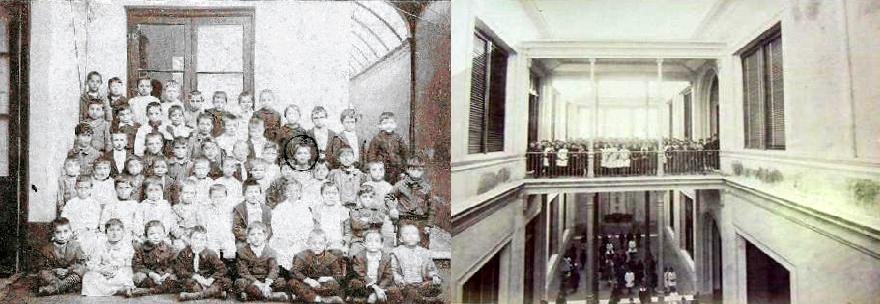
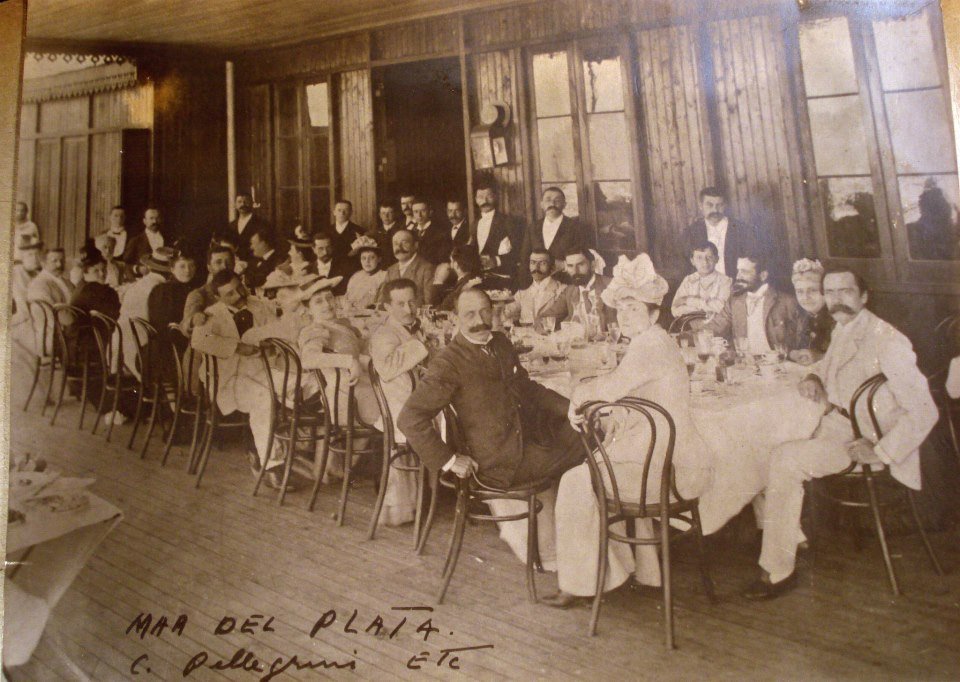
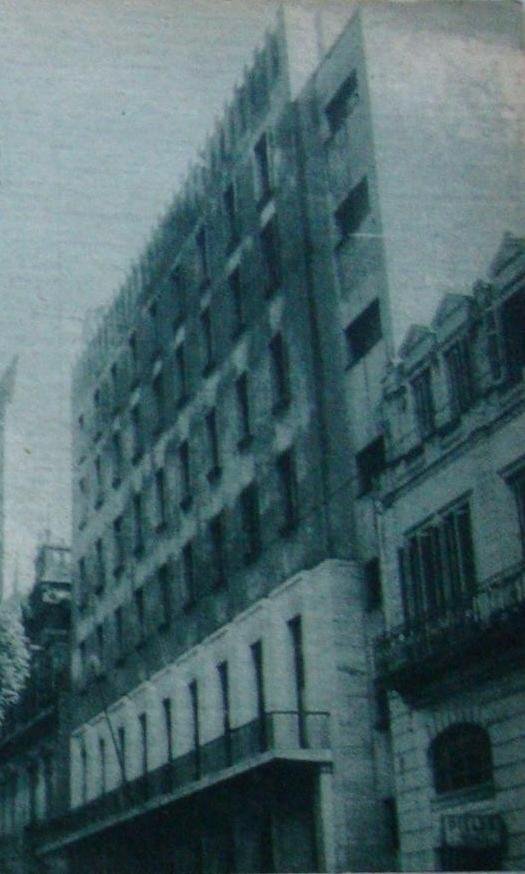
The FCE was created by National Law 9524 on October 9, 1913, during the presidency of Dr. Victorino de la Plaza. It officially opened on March 1, 1914, with Dr. David de Tezanos Pinto as its first dean. The faculty initially operated on the third floor of the Colegio Carlos Pellegrini building but soon required a dedicated space due to rapid expansion.
Institutional Growth and Academic Expansion
Today, the FCE is UBA’s largest faculty, offering a diverse portfolio of undergraduate and postgraduate programs, including Public Accounting, Economics, Business Administration, Information Systems for Organizations, and Actuarial Science. Undergraduate degrees typically span five years, with numerous postgraduate and doctoral options. The faculty boasts a robust teaching staff of about 6,000 and forms a central part of UBA’s 300,000-strong student community.
Research and Intellectual Contributions
FCE stands at the forefront of economic research and policy debates in Argentina. It houses several interdisciplinary research centers in collaboration with CONICET, such as the Instituto Interdisciplinario de Economía Política and the Instituto de Investigaciones en Producción Animal. The digital repository features thousands of academic documents, theses, and publications, reflecting the faculty’s commitment to knowledge creation and societal impact.
Architectural Development and Campus Facilities
The main campus at Av. Córdoba 2122, facing Plaza Houssay, is a landmark of rationalist architecture. Its L-shaped design encompasses a central courtyard and extends over seven floors, totaling about 8,200 square meters. A modern annex, opened in 2011, expanded teaching and research spaces while harmonizing with the original structure.
Visitors can also explore the Sábato Cultural Center and the Museum of External Debt, both housed in a historic annex once part of the Faculty of Medicine’s library. These venues host cultural exhibitions and provide unique insights into Argentina’s economic history.
Visiting Hours and Ticketing Information
- Visiting Hours Monday to Friday, 9:00 AM to 6:00 PM. Closed on weekends except for special events.
- Tickets Entry to the main building, cultural center, and museum is free.
- Guided Tours Periodic guided tours are available during academic open days and cultural events. Check the official website or contact the visitor center for the latest schedule.
Accessibility for Visitors with Disabilities
FCE is committed to accessibility. The main building and annex are equipped with ramps, elevators, and accessible restrooms. Visitors with special needs should contact the faculty ahead of time for tailored assistance.
Highlights for Visitors
- Architectural Features The rationalist façade and central courtyard offer striking visuals, especially with views over Plaza Houssay.
- Sábato Cultural Center Regularly hosts art exhibitions, lectures, and cultural activities.
- Museum of External Debt Provides engaging displays on Argentina’s economic history.
- Digital Library On-site access to a vast repository of research materials.
- Plaza Houssay A lively square ideal for people-watching and enjoying local cafés.
Location and Transportation
- Address Av. Córdoba 2122, CABA, Argentina
- Subway (Subte) Facultad de Medicina (Line D) at the main entrance; Pasteur (Line B) and Córdoba (Line H) are also nearby.
- Bus Lines Multiple bus routes serve the area, including 12, 24, 26, 29, 37, 41, 50, and 60.
Visitor Tips
- Language Most signage and communication are in Spanish; basic Spanish or a translation app is recommended.
- Safety The area is safe during the day; standard urban precautions apply at night.
- Nearby Attractions Recoleta Cemetery, the National Library, and Museo Nacional de Bellas Artes are within walking distance.
- Dining Numerous local cafés and restaurants provide Argentine and international cuisine.
- Events Check the official website or social media for upcoming lectures and events.
Frequently Asked Questions (FAQ)
Q: What are the visiting hours?
A: Monday to Friday, 9:00 AM to 6:00 PM; closed weekends except during special events.
Q: Is there an entrance fee?
A: No, entry is free to all public areas.
Q: Are guided tours available?
A: Yes, during open days and special events. Check the website for current information.
Q: Is the campus accessible for people with disabilities?
A: Yes, with ramps, elevators, and accessible restrooms.
Q: How do I get there by public transport?
A: The Facultad de Medicina subway station (Line D) is adjacent to the main entrance, and many bus lines serve the location.
Contact and Further Information
- Address Av. Córdoba 2122, CABA, Argentina
- Email [email protected]
- Digital Resources FCE Digital Library
- Official Website Facultad de Ciencias Económicas UBA
Ready to discover more of Buenos Aires’ educational and cultural treasures? Download the Audiala app for curated tours and event alerts, and follow us on social media for the latest updates and insider tips.