
Historical Background & Urban Development
Origins and Urban Vision
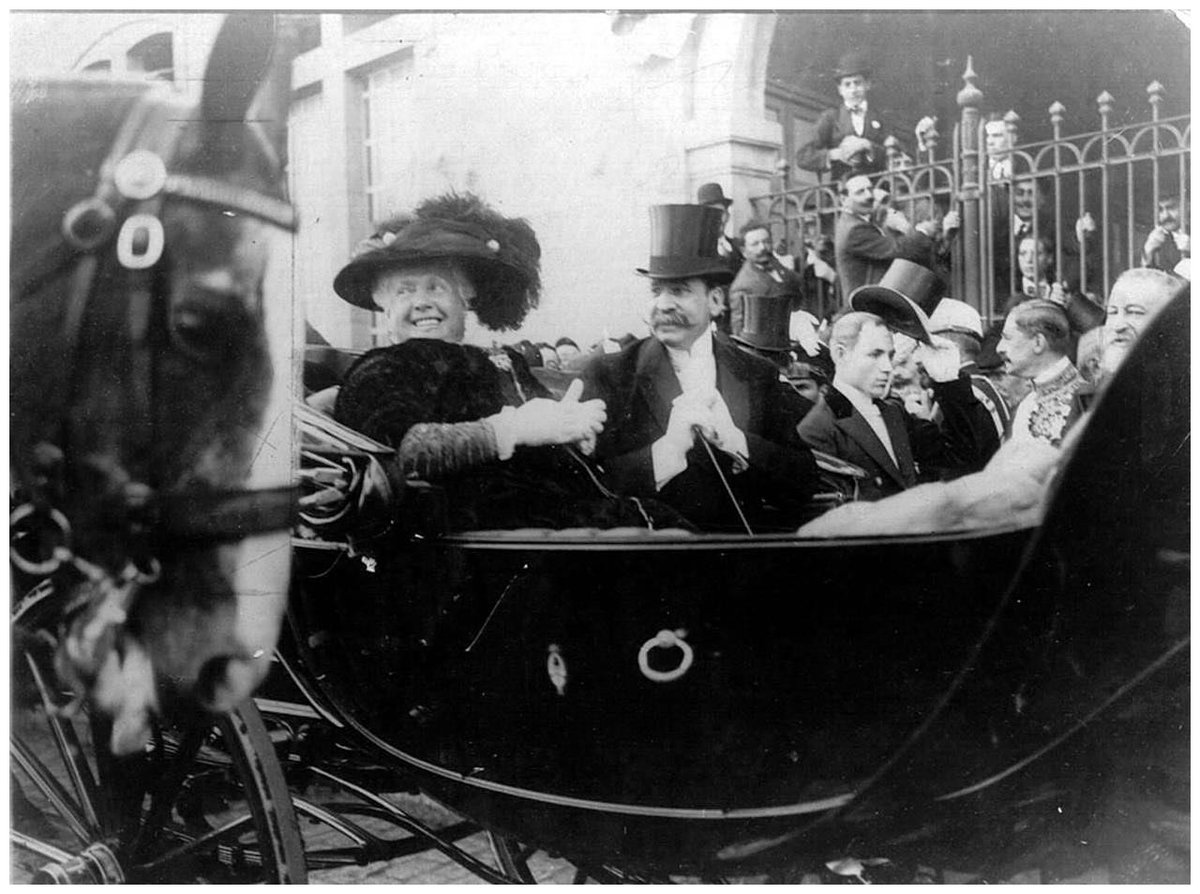
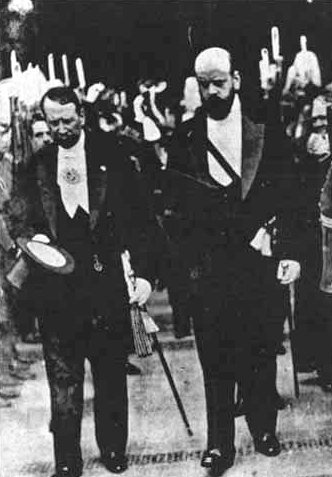
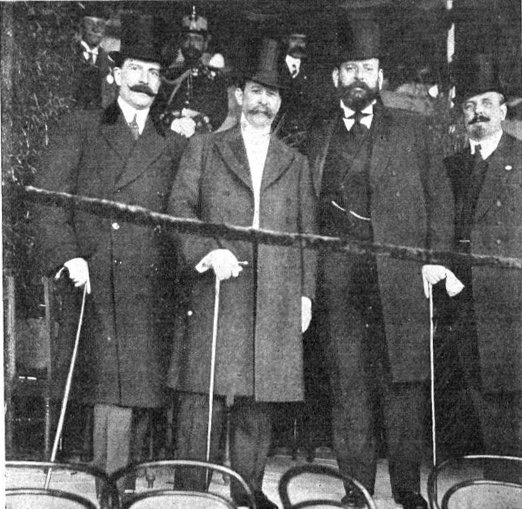
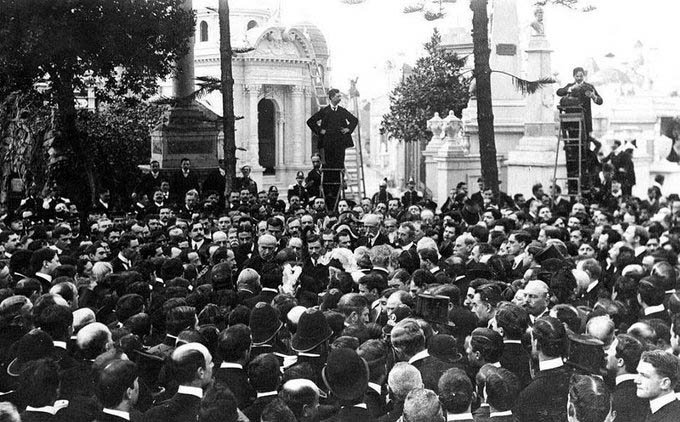
Avenida Figueroa Alcorta was conceived during Buenos Aires’ era of modernization, reflecting the city’s aspiration to emulate European elegance. Originally named Avenida Centenario, it commemorated the centennial of the May Revolution. French-Argentine landscape architect Carlos Thays was instrumental in shaping its broad, tree-lined design and integrating green spaces such as Barrio Parque and Parque Tres de Febrero.
The avenue’s layout—wide sidewalks, landscaped medians, and proximity to major parks—facilitated the development of affluent residential districts and positioned it as a key artery linking the city’s north.
Visiting Avenida Figueroa Alcorta
Hours & Accessibility
- Avenue Access Open 24/7 for pedestrians and vehicles.
- Parks (e.g., Parque Tres de Febrero) Typically open 8:00 AM–8:00 PM.
- Museums
- Museo Nacional de Bellas Artes Tuesday–Sunday, 11:00 AM–7:30 PM; free admission.
- MALBA Tuesday–Sunday, 12:00 PM–7:00 PM; ticket required (MALBA Official Site).
- Planetario Galileo Galilei Tuesday–Sunday, 10:00 AM–6:00 PM; ticket required.
- Floralis Genérica & Public Monuments Open access, no ticket required.
The avenue is highly walkable and features dedicated bike lanes. Most major sites offer wheelchair access and adapted facilities.
Tickets & Guided Tours
- Museums
- Museo Nacional de Bellas Artes Free.
- MALBA ARS 400–500 for adults; discounts for students and seniors.
- River Plate Museum ARS 500–1,200, depending on tour.
- Guided Tours Available for key sites; book via GetYourGuide or official museum websites.
Getting There
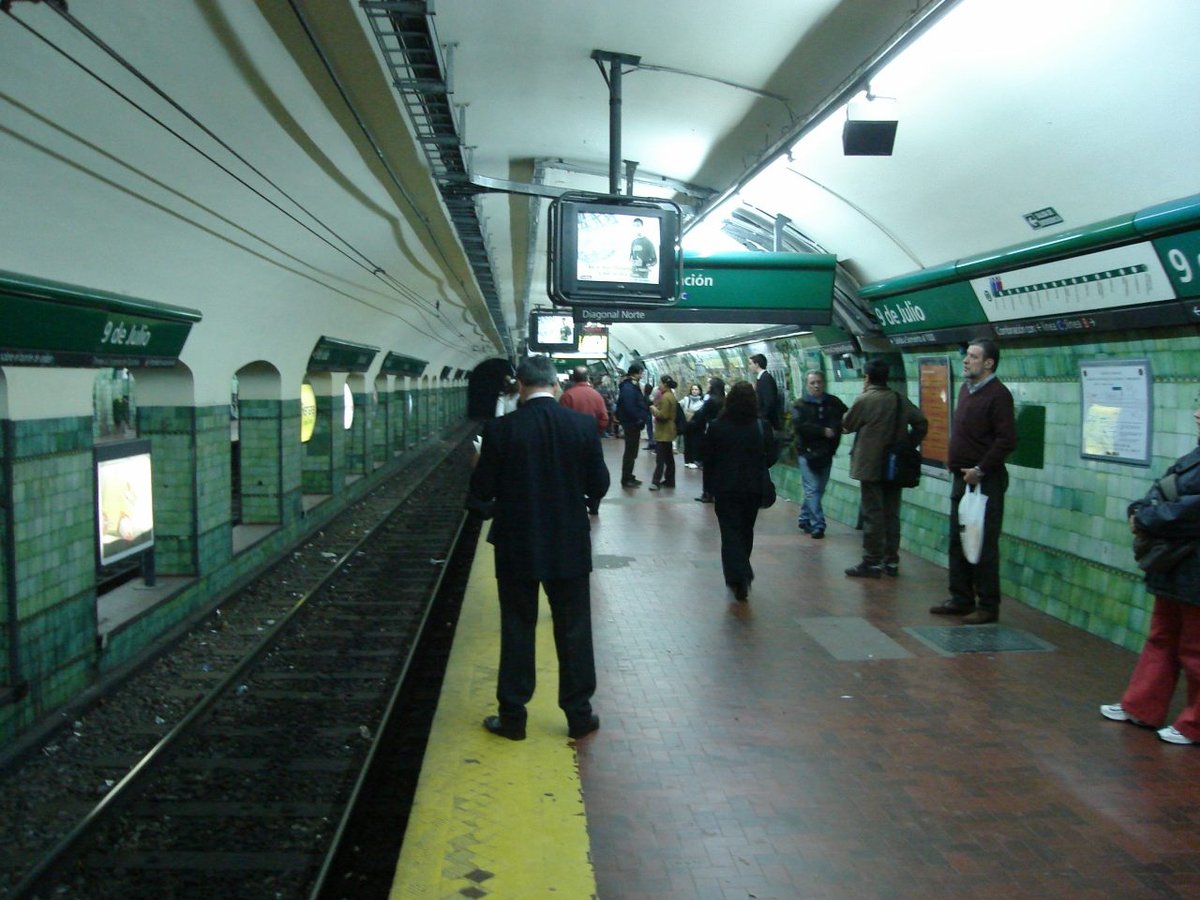
- Metro D Line (Palermo, Plaza Italia stations) and H Line (Facultad de Derecho).
- Bus Multiple lines serve the avenue and adjacent neighborhoods.
- Bike & Walking Wide paths, ideal for cycling and walking tours.
- Taxi/Rideshare Cabify and Uber operate widely.
Key Landmarks & Green Spaces
Museums & Cultural Institutions
- Museo Nacional de Bellas Artes Masterpieces from Goya to Van Gogh, plus prominent Argentine artists (Official Website).
- MALBA Modern and contemporary Latin American art, including works by Kahlo and Rivera (MALBA Official Site).
- Centro Cultural Recoleta Contemporary exhibitions and performances (Centro Cultural Recoleta).
Architectural Highlights
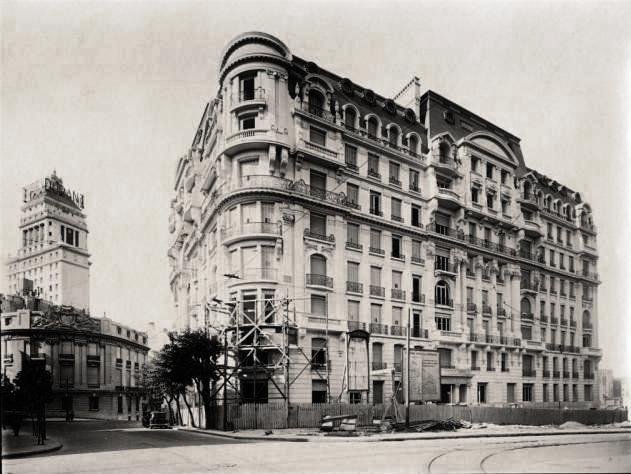
- Palacio Alcorta Former Chrysler dealership, now a luxury residential complex.
- Embassies French-inspired mansions housing several embassies, notably Spain, Iran, and Uruguay.
- Faculty of Law, UBA Neoclassical landmark open to the public on weekdays.
Iconic Monuments & Public Art
- Floralis Genérica 23-meter kinetic steel flower that opens and closes with the sun (Floralis Genérica); open access at Plaza de las Naciones Unidas.
- Monumento de los Españoles Celebrates Spanish-Argentine friendship at Avenida Sarmiento intersection.
Parks & Outdoor Spaces
- Parque Tres de Febrero (Bosques de Palermo) Lakes, rose gardens (El Rosedal), and tree-lined paths; perfect for recreation.
- Jardín Japonés Tranquil Japanese garden with koi ponds; ARS 150 entry.
- Planetario Galileo Galilei Astronomy shows and exhibits.
- Plaza Naciones Unidas & Rubén Darío Plaza Landscaped plazas ideal for relaxation and city views.
Sports & Recreation
- River Plate Stadium Historic football stadium and museum (River Plate Museum Info).
- Buenos Aires Lawn Tennis Club & Campo Argentino de Polo Venues for tennis and polo events.
Cultural and Social Significance
Avenida Figueroa Alcorta is synonymous with prestige, culture, and cosmopolitan life. Its embassies, luxury residences, and artistic venues contribute to Buenos Aires’ international profile. The avenue often features in local music, literature, and film—most notably in Gustavo Cerati’s “Avenida Alcorta.” Annual events, open-air concerts, and art fairs reinforce its reputation as a vibrant social and cultural hub (Expat Pathways).
Tips for Visitors
- Best Time to Visit Spring (September–November) for jacaranda blooms and mild weather.
- Photography Early morning and late afternoon offer optimal lighting.
- Food & Drink Sample Argentine parrillas, local cafés, and the vibrant Patio de los Lecheros food hall.
- Cash & Currency Use the Blue Dollar exchange rate for savings; bring cash for small purchases.
- Safety Recoleta and Palermo are generally safe; use rideshare apps at night and be mindful of pickpockets.
- Language Spanish is the main language; translation apps are helpful.
- Cultural Etiquette A 10% tip is customary in restaurants and cafés.
- Accessibility Most museums and parks are wheelchair accessible; public restrooms are available in larger venues.
FAQ
Q: Are there entrance fees along Avenida Figueroa Alcorta?
A: The avenue and parks are free; museums like MALBA and the River Plate Museum charge admission.
Q: How can I reach Avenida Figueroa Alcorta by public transport?
A: Use the Subte D Line (Palermo, Plaza Italia), buses, or rideshare apps. A Sube card is required for public transport (The Thorough Tripper).
Q: Is the avenue accessible for people with disabilities?
A: Yes, major sites and sidewalks are wheelchair friendly.
Q: Are guided tours available?
A: Yes. Museums and third-party operators offer tours; check their websites for schedules.
Q: When is the best time to see jacaranda trees in bloom?
A: Late November.
Useful Links
- Museo de Arte Latinoamericano de Buenos Aires (MALBA)
- Buenos Aires Tourist Information
- Guided Tours Booking
- Museo Nacional de Bellas Artes
- Centro Cultural Recoleta
- River Plate Stadium and Museum
- Floralis Genérica
- Expat Pathways – Important Avenues in Buenos Aires
- Short Girl on Tour – Buenos Aires Tips
- The Thorough Tripper – Buenos Aires Travel Tips
- Pacer Walking Route: Figueroa Alcorta
Image suggestions for your planning:
- Avenida Figueroa Alcorta with jacaranda trees in bloom (alt: "Avenida Presidente Figueroa Alcorta with jacaranda trees in bloom")
- MALBA museum facade (alt: "MALBA museum facade on Avenida Figueroa Alcorta")
- Estadio Monumental football stadium (alt: "Estadio Monumental football stadium in Buenos Aires")
- Map highlighting Avenida Figueroa Alcorta and nearby attractions (alt: "Map of Avenida Figueroa Alcorta and points of interest")