
Historical Evolution and Architectural Significance
Origins and Early Uses
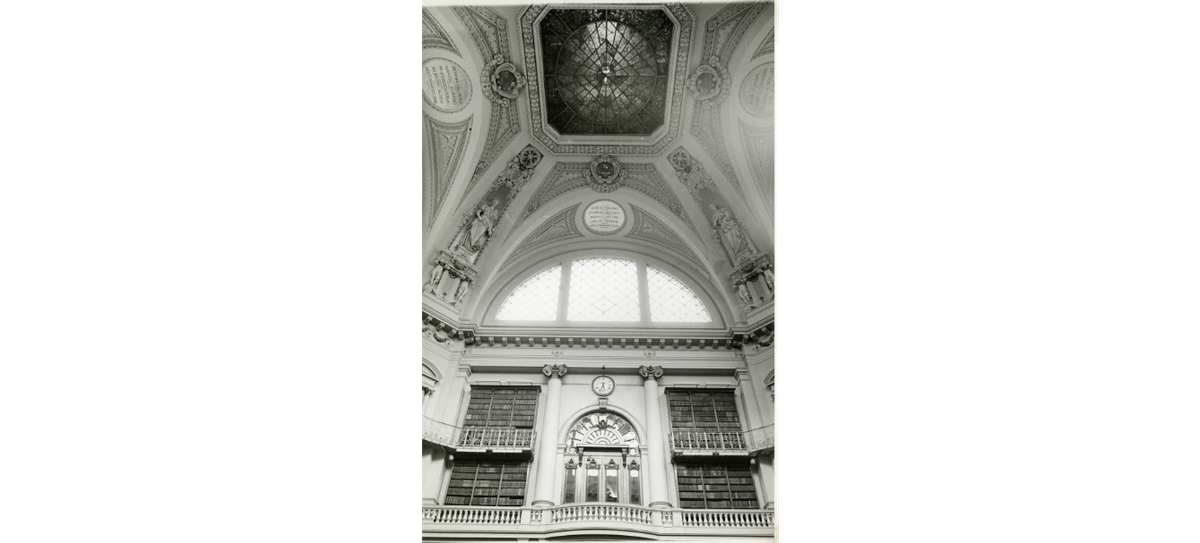
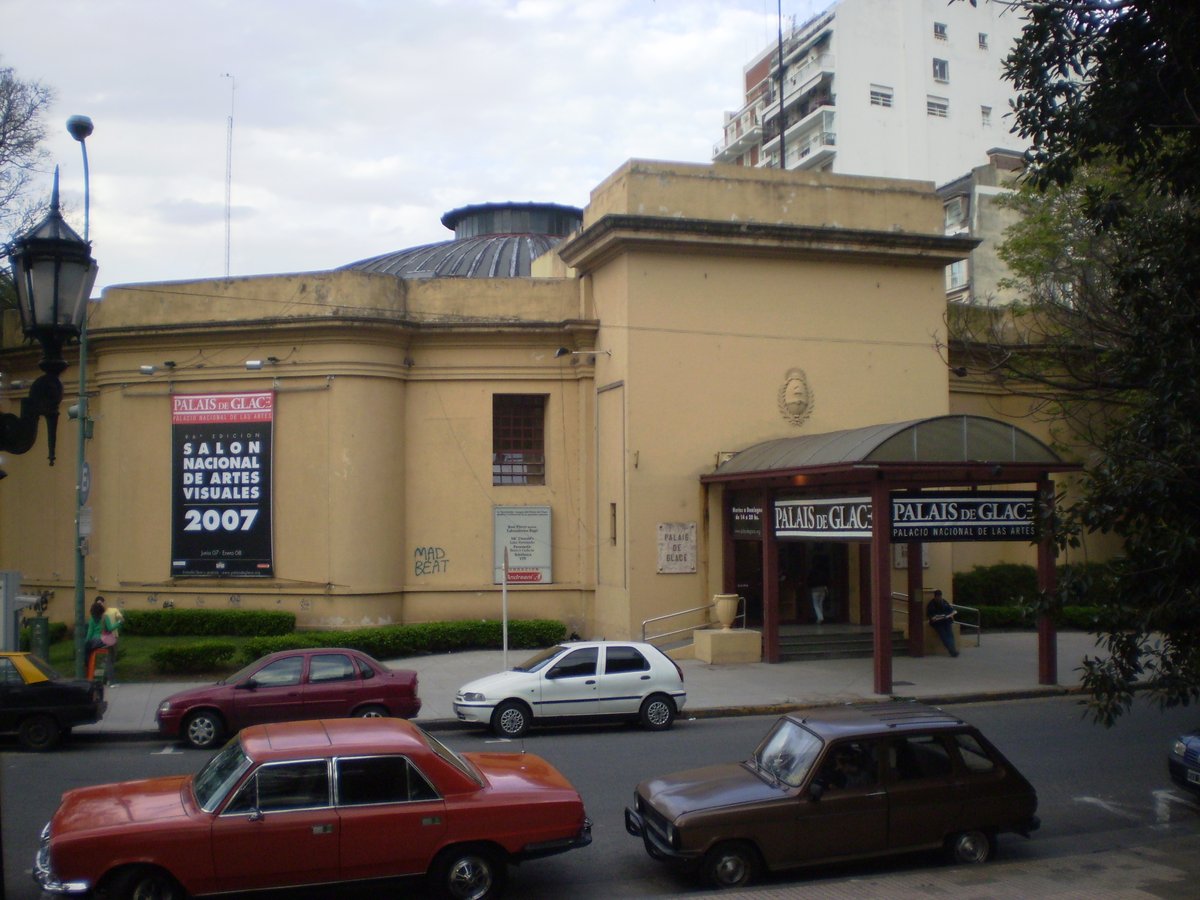
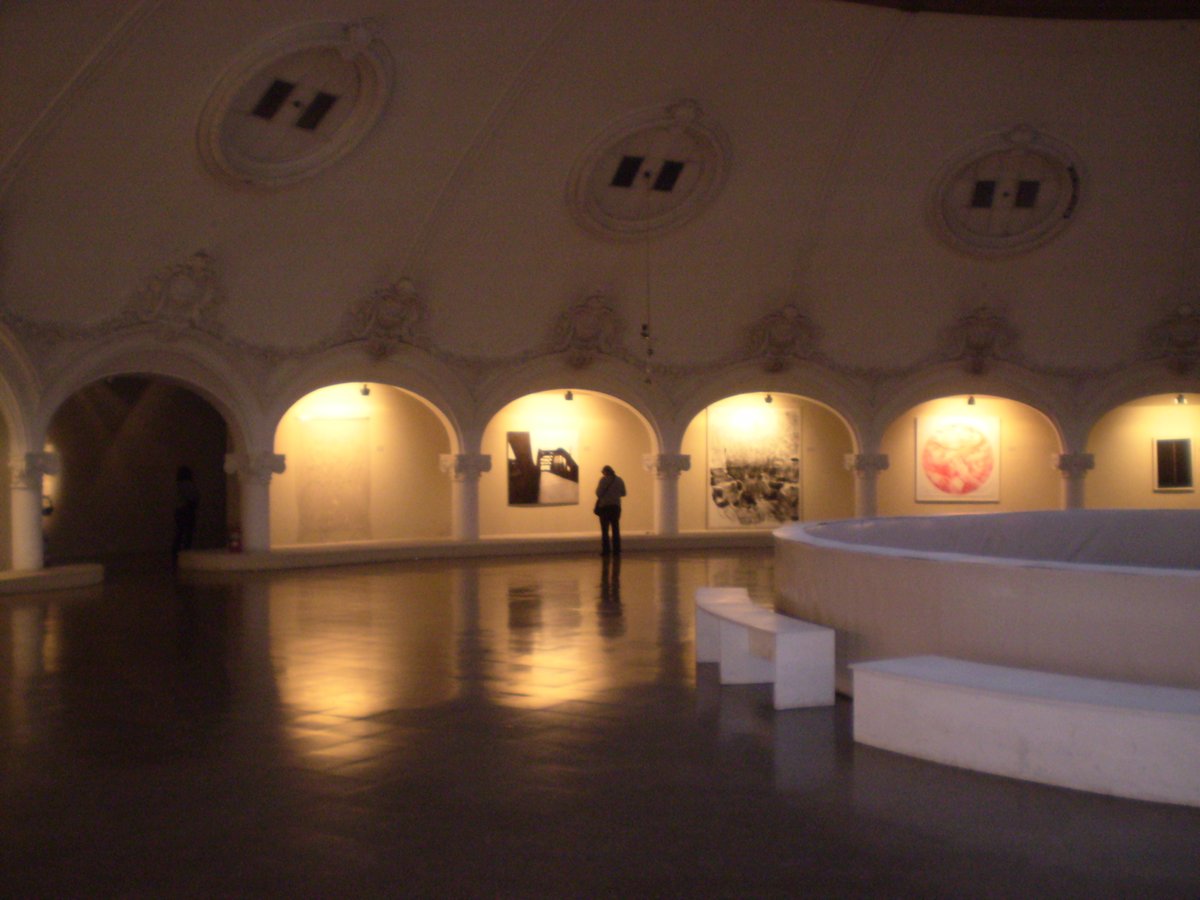
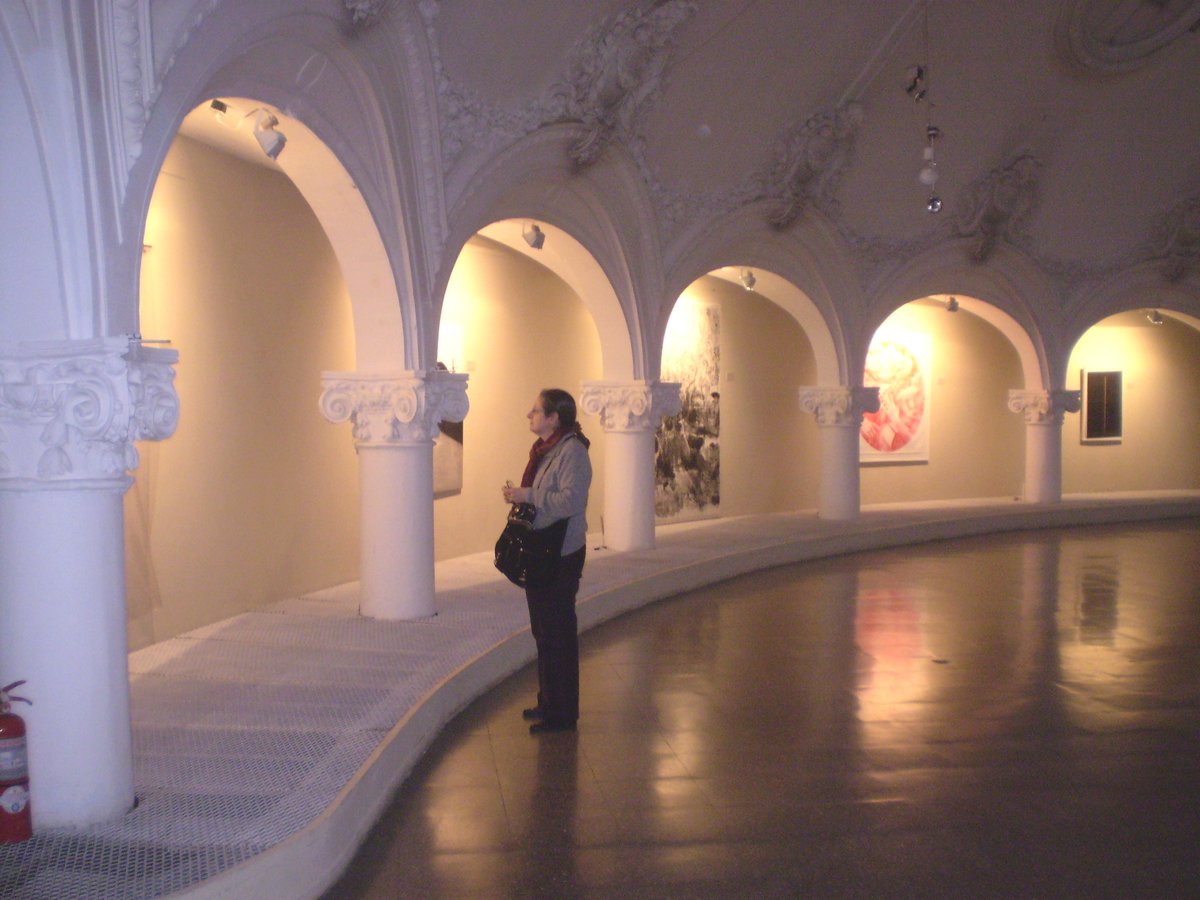
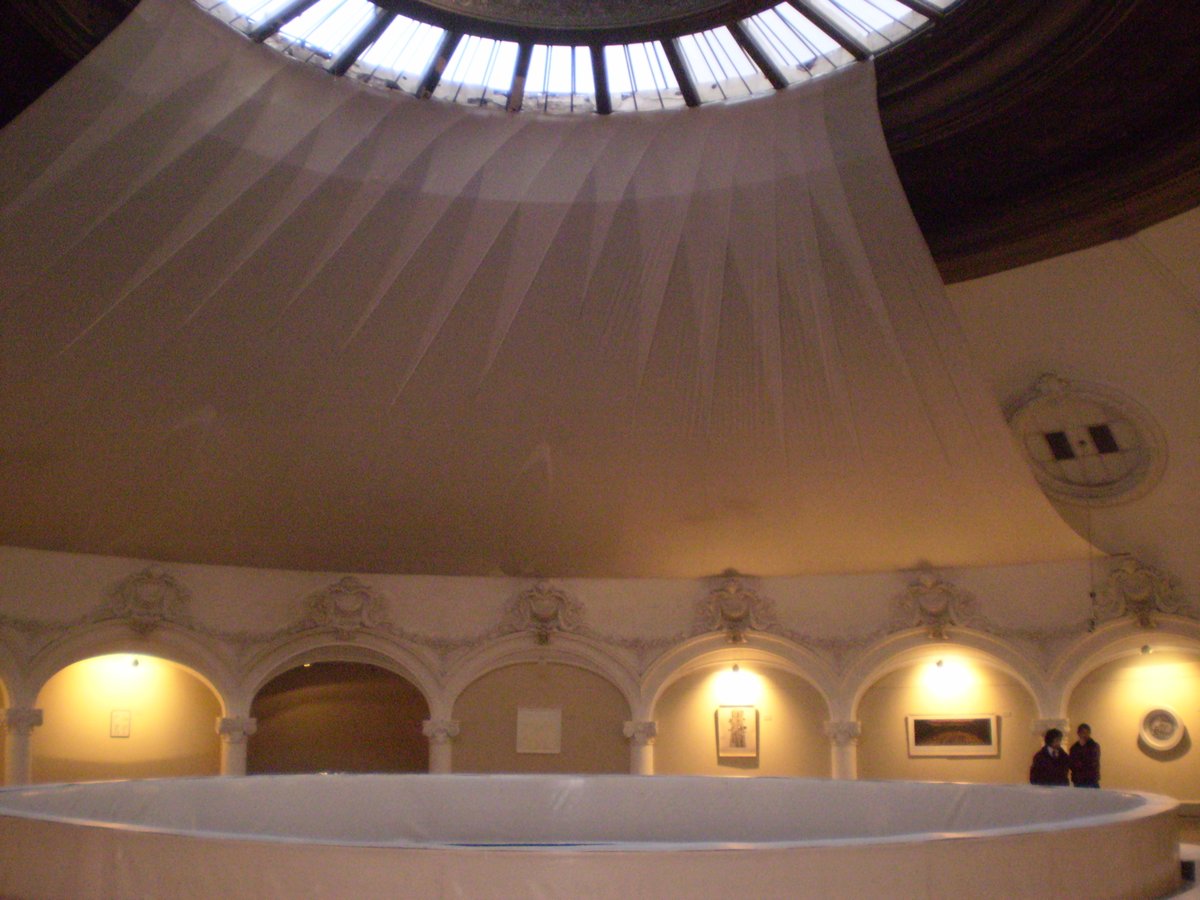
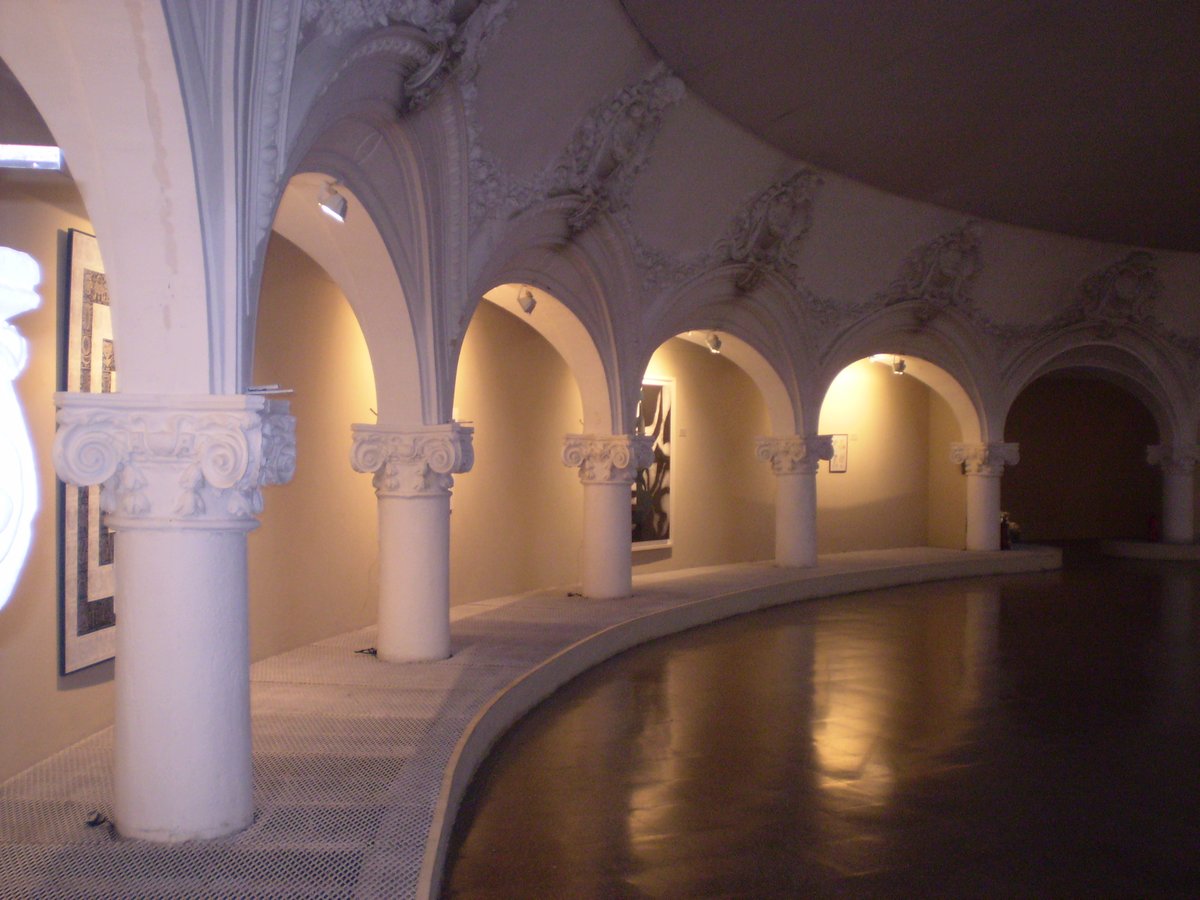
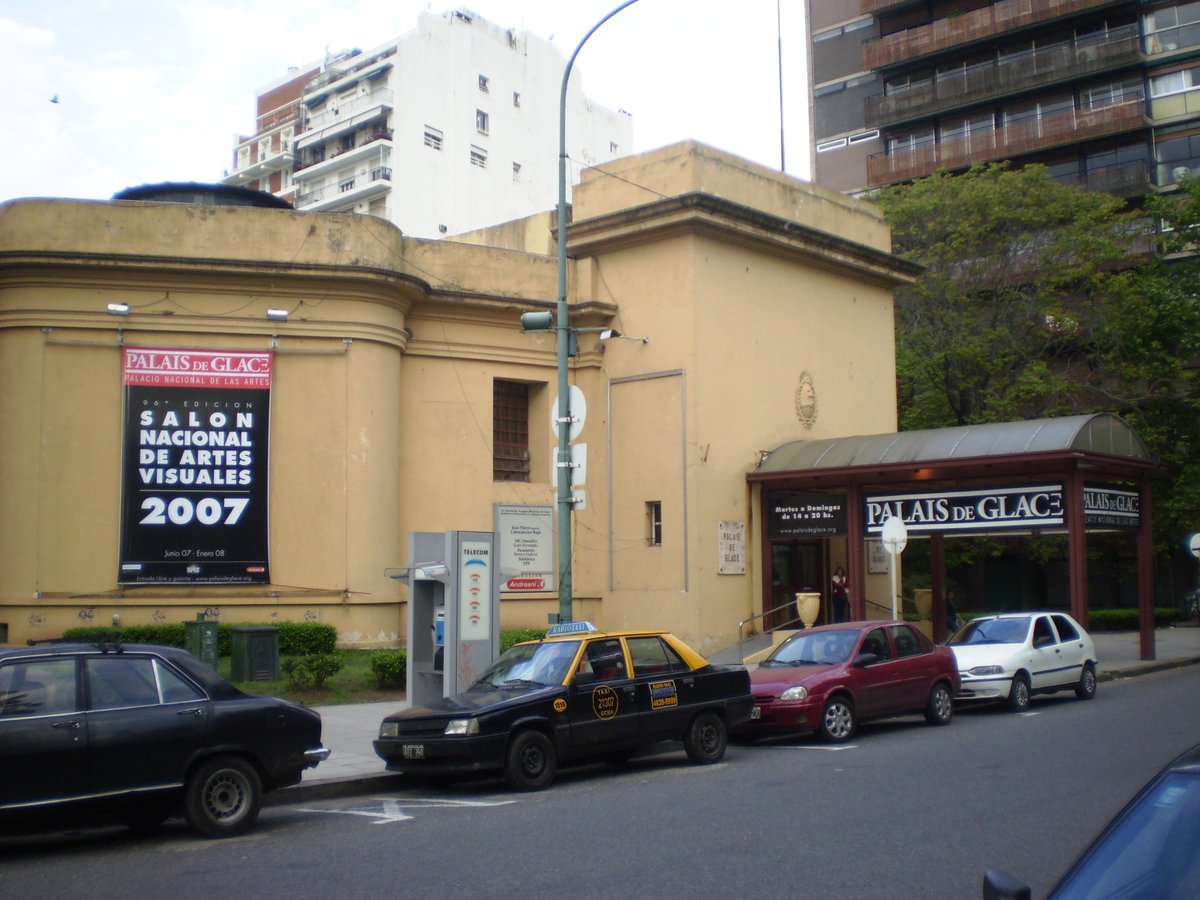
Constructed for Argentina’s centennial celebrations, the Palais de Glace was designed by architect J. L. Ruiz Basadre and modeled after its Parisian counterpart. The building opened in 1910 as a luxurious ice-skating rink and social club, featuring a circular hall, domed ceiling, and elegant balconies. The use of modern materials like glass and iron, as well as Belle Époque and Beaux-Arts decorative details, reflected Buenos Aires’ European aspirations in the early 20th century (Wikipedia; VerBuenosAires).
Dance Hall, Tango, and Artistic Transformation
By the 1920s, as ice skating waned in popularity, the Palais de Glace was adapted into a dance hall and became a renowned venue for tango orchestras and performances. The building’s superb acoustics and elegant ambiance made it central to Buenos Aires’ vibrant social scene. In 1931, architect Alejandro Bustillo oversaw its transformation into an art exhibition space, retaining the iconic rotunda while adding frescoes and galleries. By 1932, it was hosting the National Salon of Visual Arts, solidifying its role as a cultural landmark (Universes in Universe; Shift.jp).
Modern-Day Cultural Hub
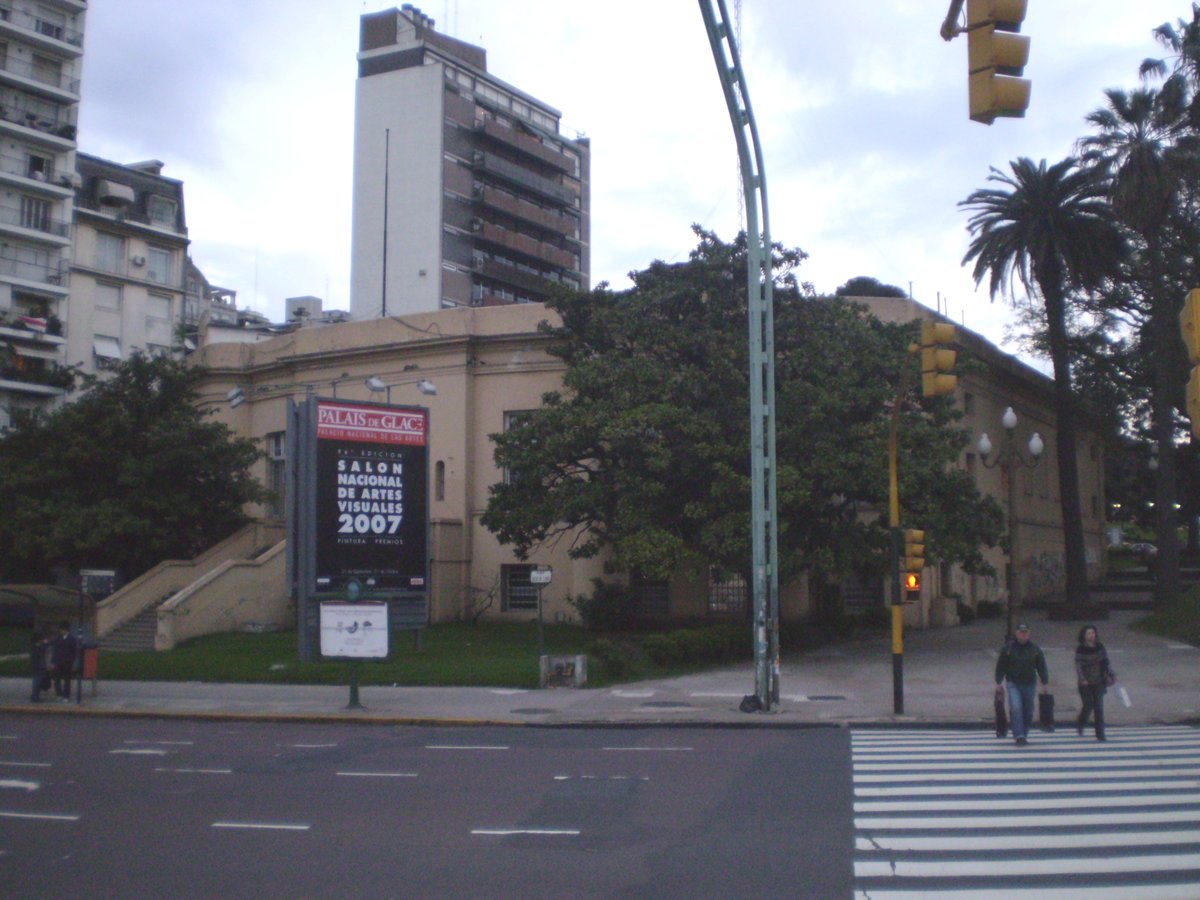
Today, the Palais de Glace is recognized as a National Historic Monument (since 2004) and is home to Argentina’s most prestigious annual art competition, the Salón Nacional de Artes Visuales. The permanent collection features over 1,000 works in painting, sculpture, photography, textiles, and new media, tracing the evolution of Argentine art and society. The building also houses important murals, a library, and the Kino Palais cinema space for audiovisual arts (Time Out).
Visiting Palais de Glace
Opening Hours, Tickets, and Location
Current (2025) Location Due to Restoration:
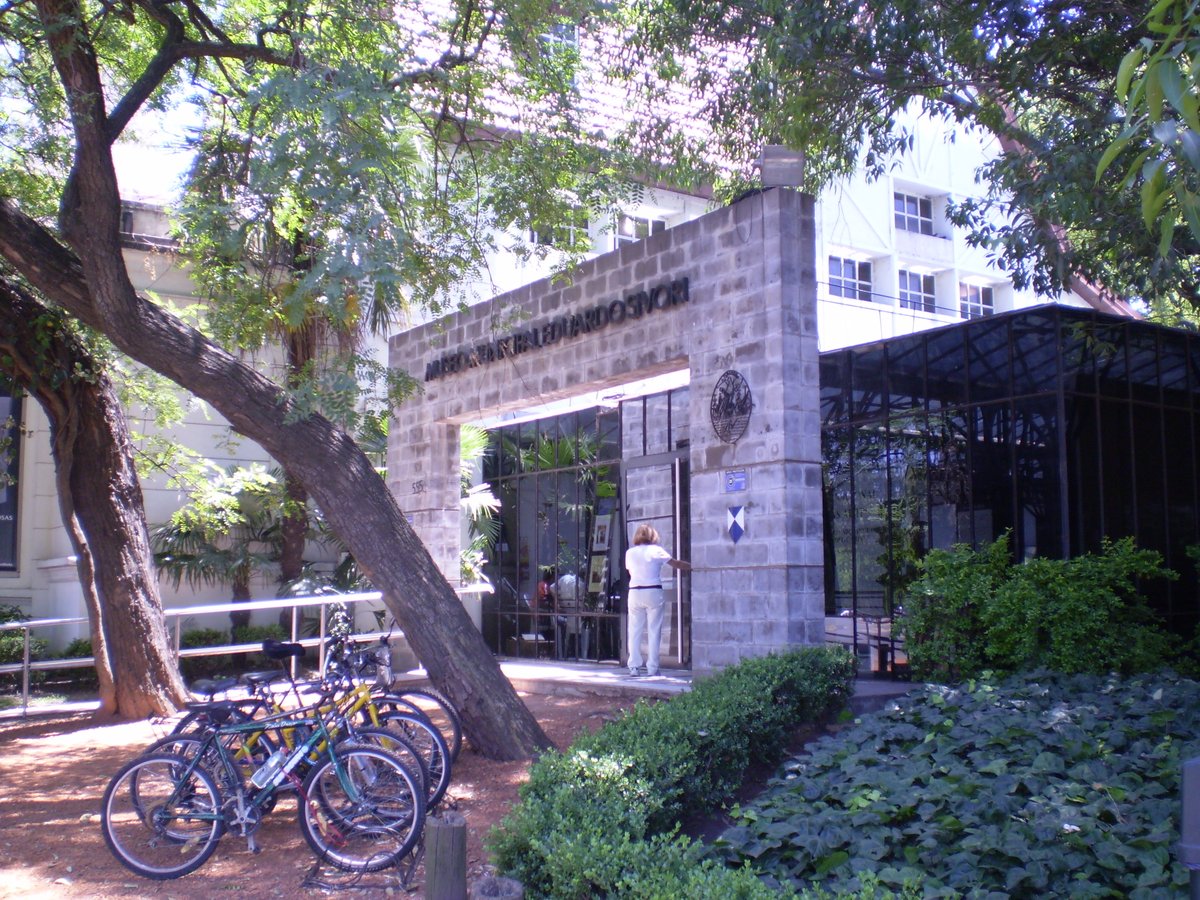
- Bon Marché Space, Borges Cultural Center, Viamonte 525, Buenos Aires
- Original Address Posadas 1725, Recoleta, Buenos Aires
Opening Hours:
- Tuesday to Sunday: 12:00–20:00
- Closed Mondays and public holidays
- During restoration, hours and location may change—always check the official website before your visit.
Tickets:
- General admission: Free
- Special exhibitions: Some may charge a small fee (typically ARS 500–1500; approx. USD 1–3 as of June 2025)
Accessibility and Visitor Facilities
- Fully wheelchair accessible: Ramps, elevators, and accessible restrooms
- Cloakroom for coats and bags (no large luggage permitted)
- Café serving drinks and light snacks
- Gift shop with art books and souvenirs
- Family-friendly: Strollers permitted, and special programs for children and adults with special needs
- Assistance available for visitors with intellectual, psychosocial, or hearing disabilities
Getting There
The Palais is in Recoleta, a safe and walkable neighborhood accessible by:
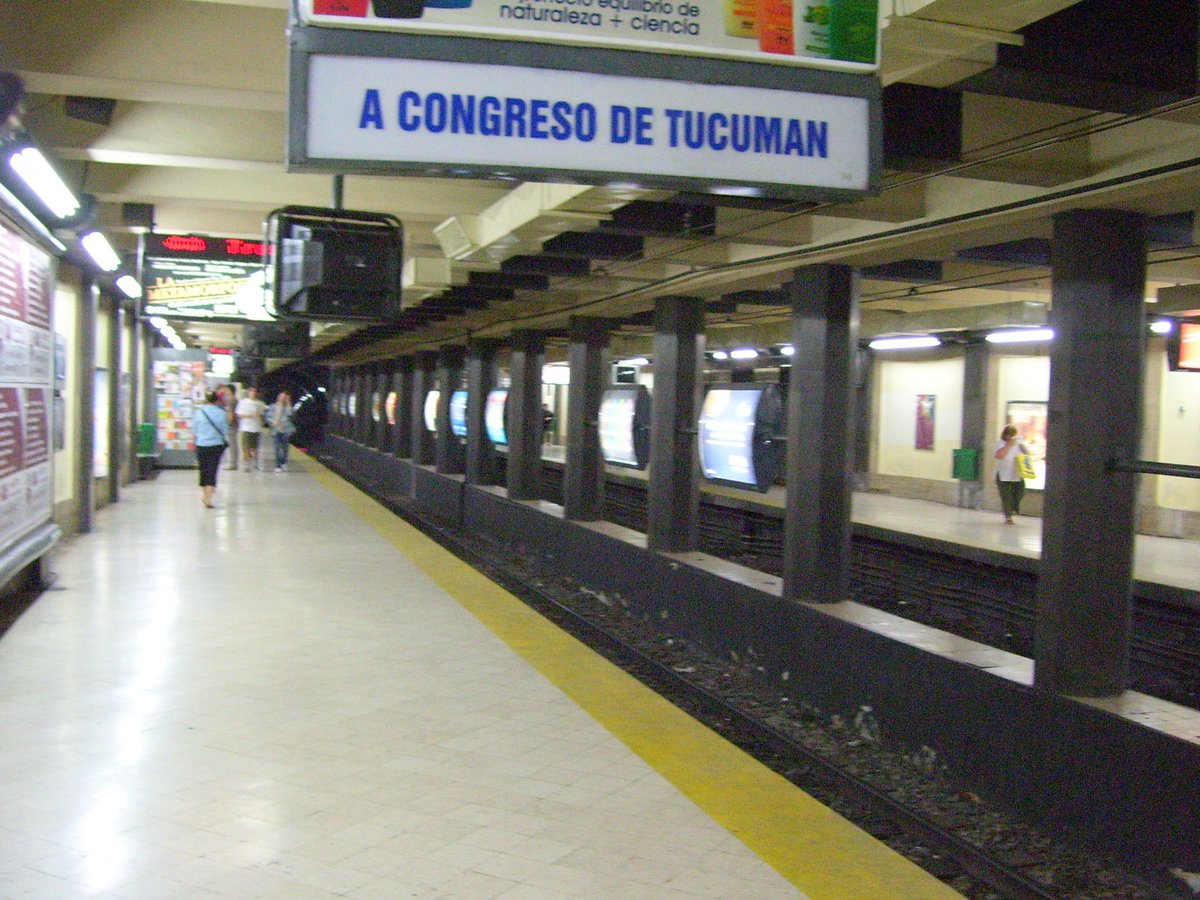
- Subway (Subte) Line H, Facultad de Derecho or Las Heras stations
- Bus Several routes stop nearby
- Taxi/Ride-share Cabify, Uber, and local taxis are readily available
- Walking Recoleta is ideal for walking tours and is close to other major attractions (Veronika’s Adventure)
Exhibitions, Events, and Guided Tours
- Permanent Collection Includes works from the National Salon of Visual Arts—paintings, sculpture, photographs, engravings, textiles, and new media (Shift.jp)
- Temporary Exhibitions Rotating shows by emerging and established Argentine artists; themes often address national identity, social change, and contemporary trends
- Kino Palais Film screenings of Argentine and international cinema
- Special Events Concerts, performances, workshops, lectures, and community programs
- Guided Tours Free tours Wednesday to Saturday at 16:00; occasional English tours and monthly thematic tours (Time Out)
- Educational Workshops Offered for adults and children, especially during holidays; check website or social media for schedules
Nearby Attractions
Combine your visit to the Palais de Glace with other Recoleta highlights:
- Recoleta Cemetery World-famous mausoleums and the resting place of Eva Perón
- Museo Nacional de Bellas Artes Argentina’s leading fine arts museum
- Plaza Francia Weekend artisan markets and green space
- Avenida Alvear & Calle Posadas Upscale cafés, restaurants, and boutiques
Travel Tips and Safety
- Best Time to Visit Weekday afternoons for fewer crowds; weekends are busier during events
- Weather Buenos Aires enjoys a mild climate; spring (Sept–Nov) and autumn (Mar–May) are peak cultural seasons (Journey by Backpack)
- Dress Code Smart-casual, especially for evening events
- Language Most signage in Spanish, with some English translations; consider using a translation app for deeper engagement
- Photography Allowed without flash or tripods; check for exhibition-specific restrictions
- Safety Recoleta is safe; standard precautions as in any major city apply
Frequently Asked Questions (FAQ)
Q: Is admission free?
A: Yes, general admission is free; temporary exhibitions may require a ticket.
Q: Are guided tours available in English?
A: English tours are available during major events or by prior arrangement.
Q: Is the Palais de Glace accessible?
A: Fully accessible with ramps, elevators, and accessible restrooms.
Q: Can I take photos?
A: Yes, for personal use, except where noted.
Q: Where is the Palais de Glace during restoration?
A: Temporarily at Bon Marché Space, Borges Cultural Center, Viamonte 525.
Q: What are the best nearby attractions?
A: Recoleta Cemetery, National Museum of Fine Arts, Plaza Francia, and local cafés.
Practical Information
- Address (Restoration 2025) Borges Cultural Center, Viamonte 525, Buenos Aires
- Original Address Posadas 1725, Recoleta, Buenos Aires
- Website palaisdeglace.cultura.gob.ar
- Phone +54 11 4804-1163
- Emergency Dial 911 for police, fire, or medical emergencies