
Origins and Naming of Juramento Avenue
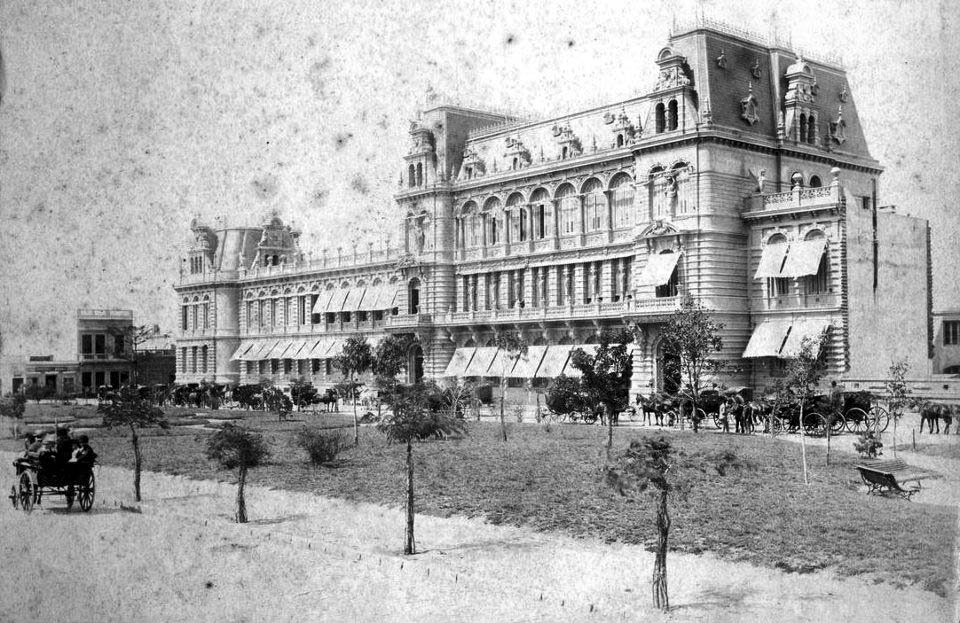
Juramento Avenue’s name, meaning "Oath" in Spanish, honors the historic pledge of loyalty to the Argentine flag and pays tribute to General Manuel Belgrano, the flag’s creator. Developed during Belgrano’s integration into Buenos Aires city in the late 19th century, the avenue’s evolution mirrors the city’s broader urban transformation (Vamos Spanish; Gringo in Buenos Aires).
Juramento Avenue’s Role in Belgrano’s Urban Development
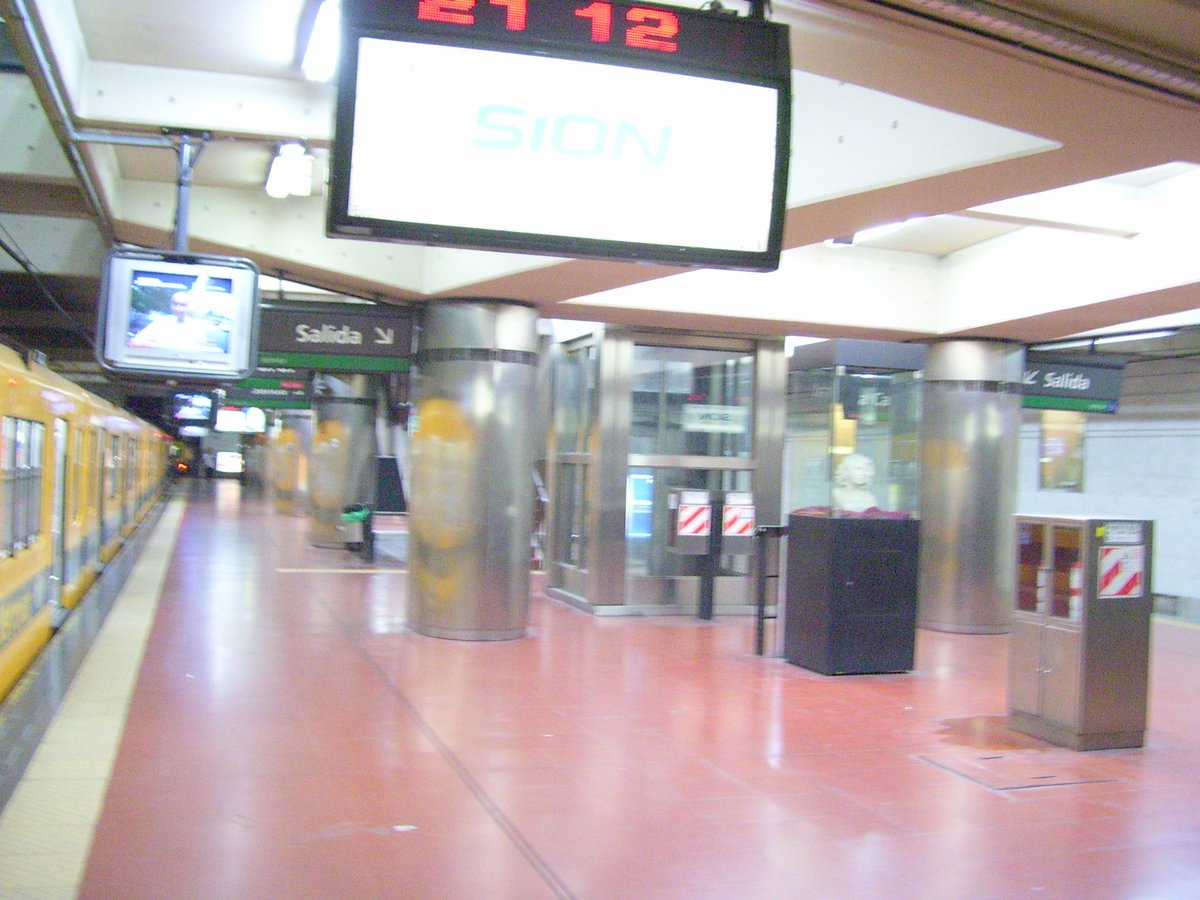
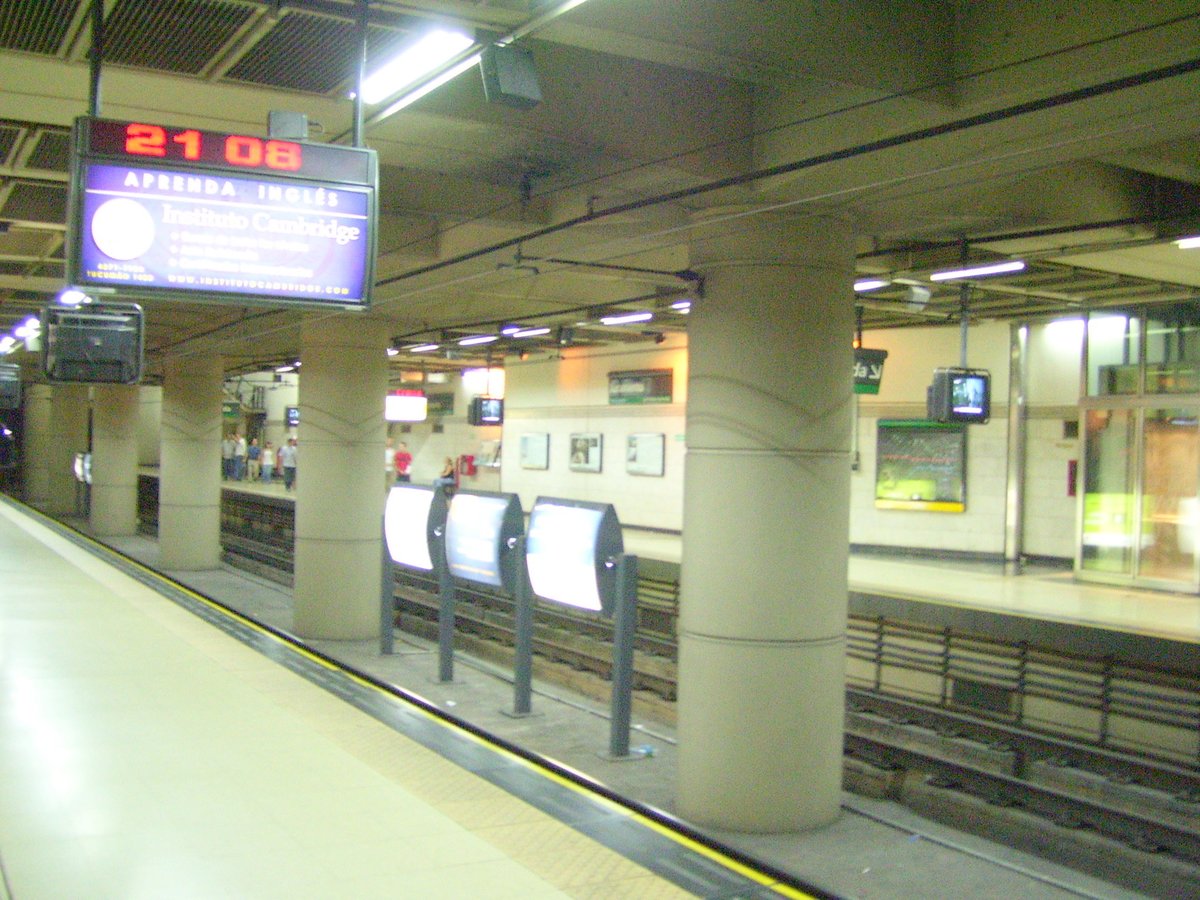
As a central artery, Juramento connects the leafy residential quarter of Belgrano R with the commercial hub of Belgrano C and the riverside. Its intersections with Avenida Cabildo and Avenida del Libertador have established it as a vital axis for civic, commercial, and transport activity (Wikipedia: Belgrano, Buenos Aires). The avenue is well-served by the D Line subway and numerous bus routes, making it highly accessible to both residents and tourists.
Key Historical Landmarks
Plaza Manuel Belgrano
At Juramento’s core is Plaza Manuel Belgrano—a lively urban square and gathering place. On weekends, it hosts an artisan fair brimming with local crafts and food, offering an authentic porteño social experience (Gringo in Buenos Aires).
Iglesia de la Inmaculada Concepción (“La Redonda”)
Known as “La Redonda” due to its unique circular design, this neoclassical church is a Belgrano icon. Built in the late 19th century, it’s celebrated for its domed architecture and stained glass. Open daily to visitors, it remains an active parish and a popular site for weddings and community events (Wikipedia: Belgrano, Buenos Aires).
Museo de Arte Español Enrique Larreta
Located at Juramento 2291, this museum is housed in a Spanish colonial mansion and features an Andalusian-style garden. The collection of Spanish art and the tranquil courtyard make it a cultural highlight. The museum is open Tuesday to Sunday, 11:00 AM–6:00 PM. Admission is approximately ARS 500, with discounts for students and seniors.
Museo Histórico Sarmiento
Found at Juramento 2180, this museum occupies the former Belgrano town hall, a historic site where the Argentine Congress briefly convened. It showcases the life and work of President Domingo Faustino Sarmiento and Argentina’s educational reform. Open Tuesday to Sunday, 11:00 AM–6:00 PM, with free general admission (turismo.buenosaires.gob.ar).
Multicultural Fabric and Chinatown
Juramento Avenue’s proximity to Buenos Aires’ Chinatown (Barrio Chino) highlights Belgrano’s multicultural character. The district’s ornate archway at Juramento and Arribeños welcomes visitors to Asian markets, eateries, and lively celebrations—especially during Chinese New Year (Expat Pathways). The area also features Buddhist temples, reflecting the neighborhood’s religious diversity.
Architectural and Religious Heritage
Juramento showcases Buenos Aires’ eclectic architecture, from colonial and neoclassical mansions to modern apartments and Art Deco facades. Its religious landscape is equally varied, with Catholic, Jewish, Protestant, and Buddhist institutions coexisting, mirroring the city’s pluralistic ethos (Buenos Aires Religious Centers).
Visitor Information: Hours, Tickets, Accessibility
- Public Spaces Plaza Manuel Belgrano and Juramento Avenue are open year-round, 24/7.
- Museums Museo de Arte Español Enrique Larreta and Museo Histórico Sarmiento operate Tuesday–Sunday, 11:00 AM–6:00 PM. La Redonda is open daily, 9:00 AM–7:00 PM.
- Tickets Public squares are free. Museums charge modest entry (ARS 200–500), with discounts for students and seniors. Some guided tours may have separate fees.
- Accessibility Most sites are wheelchair accessible, with ramps and accessible public transit. Some historic buildings may have limitations.
- Guided Tours Walking tours of Belgrano and Chinatown are available through local operators and online platforms.
Cultural Life and Events
Juramento is a lively corridor lined with shops, cafés, and restaurants. Artisan fairs at Plaza Manuel Belgrano, open-air tango events at Barrancas de Belgrano, and book fairs throughout the year enrich the neighborhood’s social calendar (lacgeo.com). Chinatown’s New Year festivities provide a unique multicultural experience (Expat Pathways).
Transportation and Navigation
- Subway D Line to Juramento station.
- Buses Multiple lines, including 29, 60, 67, 68, 80, 113, 114, 130, and 152 (turismo.buenosaires.gob.ar).
- Cycling EcoBici bike rentals are available nearby (buenosaires.com).
- Taxis/Ride-hailing Cabify and Uber are widely used.
- Walking The area is highly walkable with wide sidewalks and crossing points.
Practical Tips and FAQs
Q: Does Juramento Avenue require tickets or have specific visiting hours?
A: Juramento is a public avenue open year-round. Museums and churches have set hours and modest ticket policies.
Q: Is Juramento accessible for visitors with disabilities?
A: Yes, most venues are accessible, though some historic buildings may have limitations.
Q: What’s the best time to visit?
A: Spring (September–November) and fall (March–May) offer pleasant weather and frequent cultural events.
Q: Is Juramento safe for tourists?
A: Belgrano is among the safest neighborhoods in Buenos Aires. Use standard urban precautions (thebrokebackpacker.com).
Q: Are guided tours available?
A: Several companies offer walking tours highlighting Juramento’s history, architecture, and cuisine.