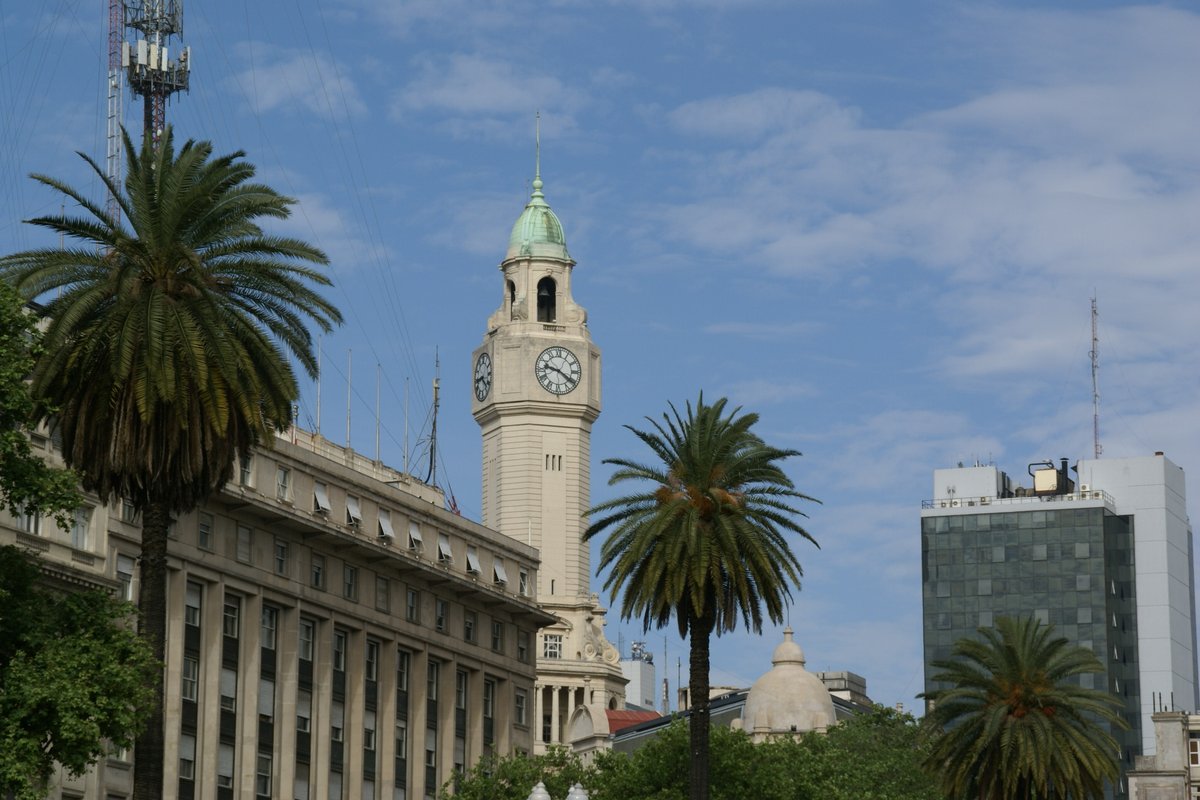
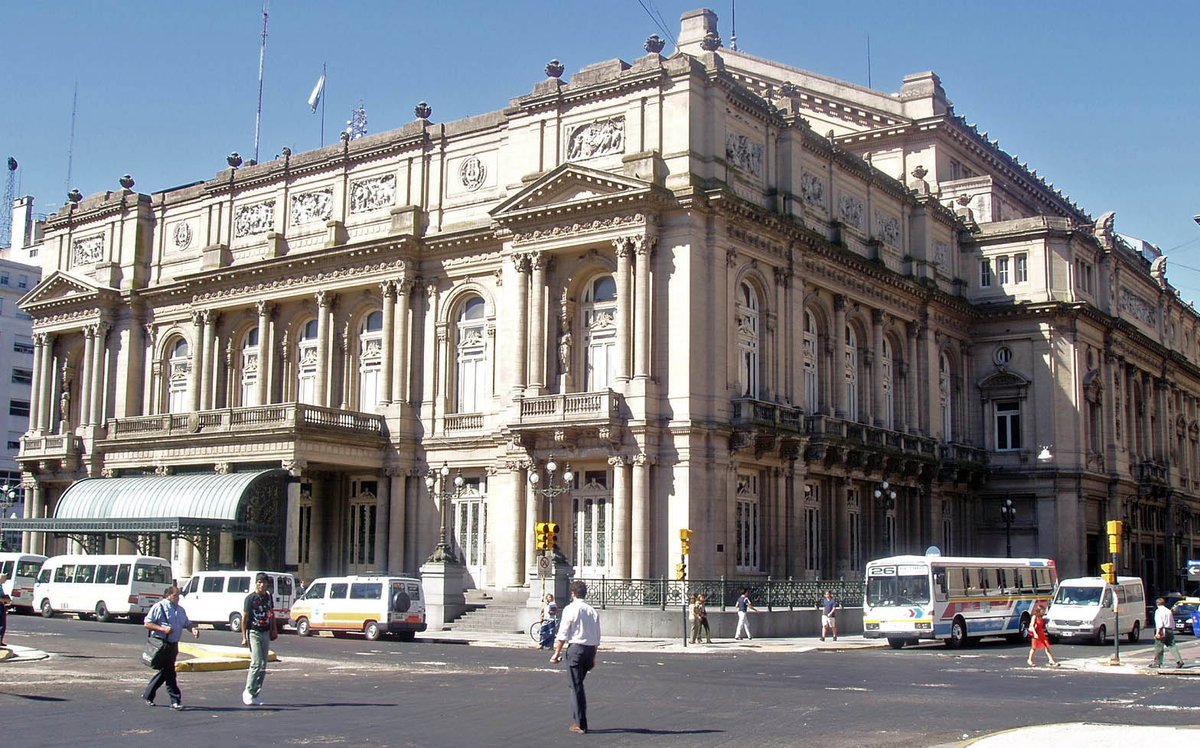
Acoyte, Buenos Aires
Acoyte is an area in Caballito, one of Buenos Aires’ emblematic neighborhoods. It is known for Acoyte Station on Line A of the Buenos Aires Underground, the oldest subway line in Latin America. The station is an important transit hub, while the surrounding streets combine commercial activity, residential areas and cultural sites. The name “Acoyte” commemorates a key battle in Argentina’s War of Independence (Subte Buenos Aires).
Avenida Acoyte’s shops and cafés, nearby parks and the Monument to the Porteño Spirit are among the area’s local highlights. Its public transport connections and walkable streets also make it a base for exploring Caballito and other parts of Buenos Aires (Expat Pathways).
History
Caballito’s development
Caballito grew during Buenos Aires’ westward expansion in the 19th century. The neighborhood’s name comes from a tavern established in 1821, known for its horse-shaped weathervane, which became a local symbol. Acoyte’s position at Avenida Rivadavia and Avenida Acoyte encouraged commercial and transit activity, further shaped by European immigration and infrastructure such as tramways and the subway (Expat Pathways, Travel Andes).
Acoyte Station and the name
Acoyte Station opened on July 1, 1914, as part of the extension of Line A, marking an important moment in Latin American transport history (Wikipedia, Subte.ar). Located at the intersection of Rivadavia and Acoyte, it has dual platforms, escalators and improved access. The station’s arrival helped spur commercial growth and established the area as a transit hub.
The name refers to the Battle of Arcoyte in 1818, a key event in Argentina’s struggle for independence. The name of the station and avenue reflects the tradition of commemorating national figures and events in the city’s urban landscape (Subte Buenos Aires).
Caballito today
Caballito has developed from a semi-rural outpost into an urban neighborhood with residential, commercial and cultural areas. Avenida Rivadavia remains a lively centre, with classic shops, cafés and theatres. Primera Junta Square and the historic tramways offer reminders of the area’s past (Expat Pathways).
The area also has early 20th-century residences, modern apartments and historic churches, reflecting Buenos Aires’ architectural evolution (worldcityhistory.com). Markets, artisan fairs, festivals and public performances contribute to local community life (artedentalpatagonia.com.ar).
Modernization
Recent renovations have improved Acoyte Station’s accessibility and comfort (Subte.ar). A new TramBús T1 line is projected to begin operating by 2026, connecting Caballito with Palermo, Villa Crespo and other neighborhoods. To accommodate increased mobility, Avenida Acoyte is also set to become a northbound one-way street (Canal 26).
What to see
Acoyte and the surrounding streets
The junction of Apolinario Figueroa and Acoyte is noted for its busy street life and commercial energy. Population growth and urban renewal have made it a focal point for residents and visitors (artedentalpatagonia.com.ar).
Avenida Acoyte has boutiques, cafés, parrillas, bookstores and cultural centres, and is especially lively in the evenings and on weekends. Avenida Rivadavia offers further shops, cafés and theatres. The area also has craft beer bars, live music, weekend markets and heladerías with a range of ice cream flavours.
Monument to the Porteño Spirit
Crafted by María López and unveiled in 1995, the bronze Monument to the Porteño Spirit represents the pride, resilience and warmth of Buenos Aires’ residents. It is described as being at the intersection of Acoyte and Rivadavia and as located in Parque Rivadavia. The monument is a community gathering point and a place of cultural memory.
It also draws people during citywide events such as “La Noche de los Bares Notables” and “La Noche de los Museos,” when the neighborhood hosts music, art and celebrations. Its setting among the park greenery offers photographic views; early morning and late afternoon are suggested for lighting. Visitors are asked to respect the site and other visitors.
Parks, museum and historic tramways
Designed by Carlos Thays, Parque Centenario has a lake, an amphitheatre, artisan markets and family-friendly amenities. It is also home to the Museo Argentino de Ciencias Naturales.
Parque Rivadavia’s weekend book fair offers a glimpse of local literary culture. Primera Junta Square has a replica of the historic horse-shaped weathervane, and Caballito’s historic tram lines offer nostalgic rides and photo opportunities.
The area’s cafes, restaurants and venues include classic establishments such as Café Las Violetas and cultural venues along Corrientes Avenue. Notable parrillas and pizzerias mentioned nearby include Güerrín and Don Julio.
Practical visiting information
Acoyte Station
Acoyte Station operates daily from 5:00 AM to midnight, in line with Line A’s schedule. Subway tickets can be purchased at station kiosks or through a rechargeable SUBE card. As of 2025, a single ride costs approximately ARS 42, with concessions available for select groups. The SUBE card is recommended for use across public transport; other visitor guidance describes it as required for Line A.
The station has escalators, elevators, tactile paving and clear signage. It is described as accessible for travellers with reduced mobility.
Parks, monument and museum
Parque Centenario is open daily from 6:00 AM to 9:00 PM. Parque Rivadavia, where the Monument to the Porteño Spirit is located, is open daily from 6:00 AM to 10:00 PM. The monument is accessible year-round and admission is free. Guided tours of the area can be booked through local agencies (Buenos Aires Tourism).
The Museo Argentino de Ciencias Naturales is open Tuesday to Sunday, 12:00 PM–6:00 PM. Admission is free, though special exhibitions may require tickets. The museum is wheelchair accessible, and guided tours are available on weekends and holidays (planetware.com).
Getting around and accessibility
Acoyte Station is on Line A. Multiple bus routes serve the area, and Acoyte is connected to the wider city by buses. Official taxis, Uber and Cabify operate citywide (Xplrverse). Ecobici stations are nearby, and the streets are pedestrian-friendly, with bike lanes in the area.
The monument is less than a five-minute walk from Acoyte Station, and multiple bus lines serve the area. Parque Rivadavia and surrounding streets have ramps and are described as wheelchair-friendly. Public spaces generally have good wheelchair access, though some older buildings may have limited facilities. Public transport and public spaces are described as mostly accessible, with some exceptions due to older infrastructure.
Official tourism sites and the Subte website offer maps and images for planning.
Tips for visitors
- Avoid rush hours—7:00–9:00 AM and 5:00–7:00 PM—for a more comfortable subway journey.
- Keep valuables secure, particularly during peak times and in crowds or on public transport. Remain alert to petty theft and motorcycle snatch theft, known locally as motochorros (Travelsafe-Abroad).
- The area is described as generally safe; take standard precautions.
- Spring and autumn are suggested as times to visit for mild weather.
- The currency is the Argentine peso. Cash is useful for small purchases and minor expenses; Visa and Mastercard are widely accepted. Use official casas de cambio or ATMs for currency exchange (The Thorough Tripper).
- Spanish is predominant, with some English spoken in tourist areas. Translation apps are recommended.
- Friendly greetings and late dining hours are customary. A greeting may be one kiss on the right cheek; lunch is generally after 1 pm and dinner after 9 pm. When offered mate, accept and return the cup politely (The Thorough Tripper).
- Emergency assistance is available by calling 911 or using the “911 CABA” app. Tourist Police provide English-speaking support. Useful apps include “BA Cómo Llego,” “911 CABA” and “BA Taxi” (Travel.gc.ca).
- Quality clinics and pharmacies are nearby. Public venues offer free Wi-Fi, and local SIM cards are available.
- Airbnb and Booking.com are popular short-term rental options. Recoleta, Palermo and Centro have hotels and hostels (Food Travel Explore).
- Local dining options include classic cafés, steak houses and gelaterías (Lonely Planet). Bars and tango venues can be found in neighboring districts (Postcards from Ivi).
Nearby places
Parque Centenario and the Museo Argentino de Ciencias Naturales are local destinations, while Parque Rivadavia, its book fair and the Monument to the Porteño Spirit offer further places to visit. Avenida Rivadavia’s shops and theatres, Avenida Acoyte’s cafés and restaurants, and the historic tram lines are also among Caballito’s highlights.
Weekend ferias at Parque Centenario and Caballito Shopping Mall are options for markets and shopping. Day trips include the Tigre Delta, reached by train, and Colonia del Sacramento, reached by ferry to Uruguay (Postcards from Ivi).
Frequently Asked Questions (FAQ)
What are Acoyte Station’s visiting hours?
See the Acoyte Station information above.
How much do subway tickets cost?
The fare and payment options are listed under Acoyte Station.
Is Acoyte wheelchair accessible?
Accessibility information for the station, parks and museum is included above.
Are guided tours available?
Tours of the area can be booked through local agencies; museum tours are available on weekends and holidays.
What are must-see nearby attractions?
Highlights include the Monument to the Porteño Spirit, Parque Centenario, the Museo Argentino de Ciencias Naturales and Avenida Rivadavia’s commercial area.